Our second skin
Identity, Print
↗ Chicago Architecture Biennal
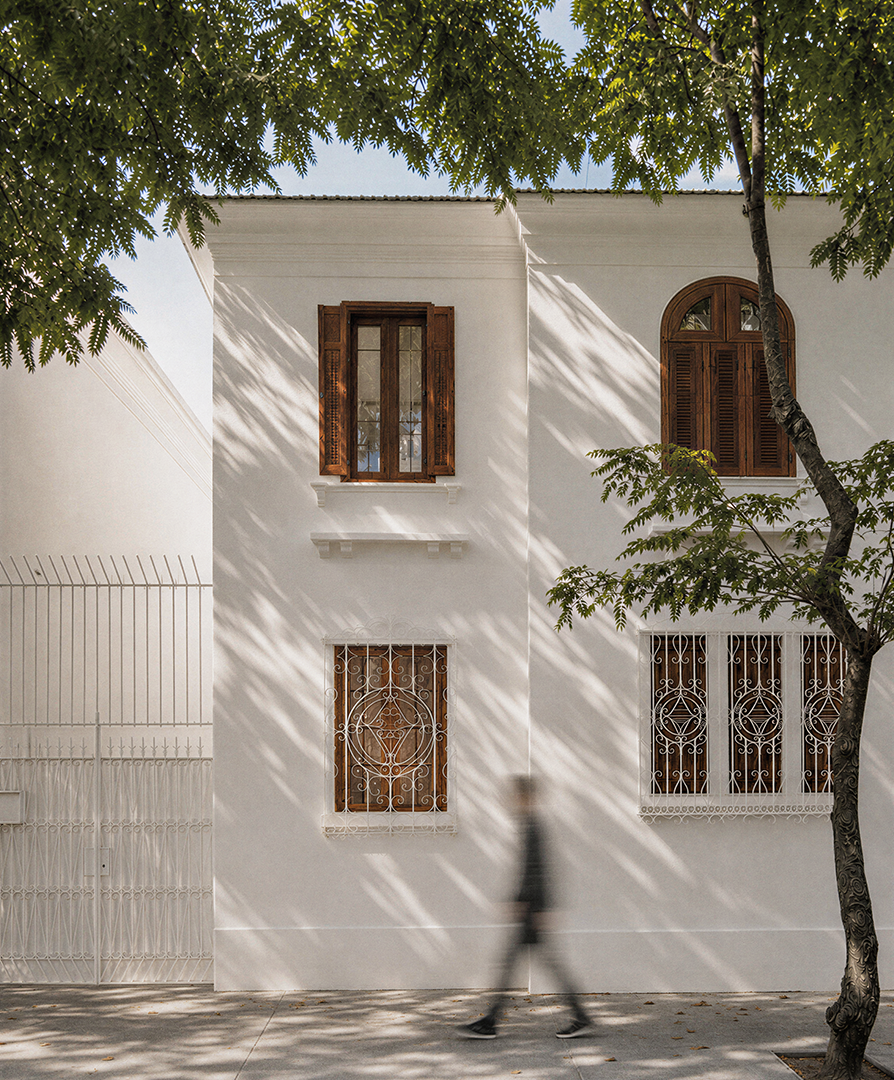
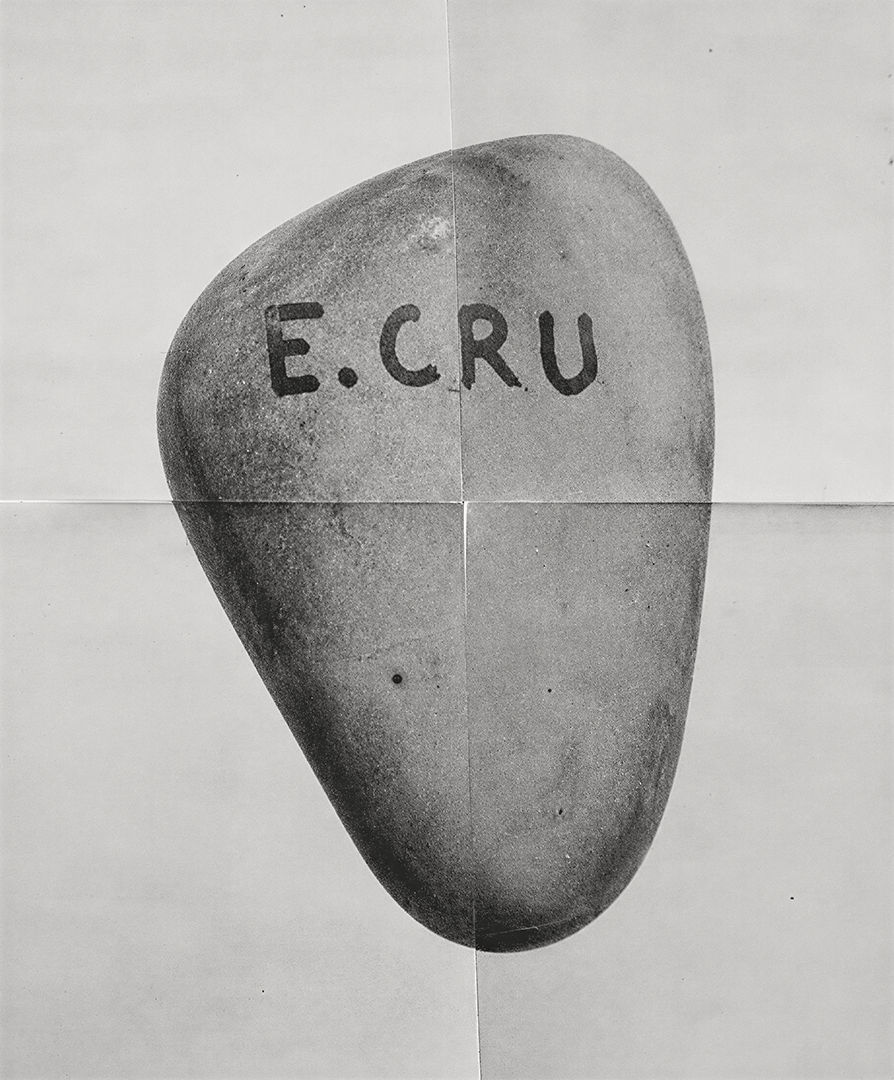
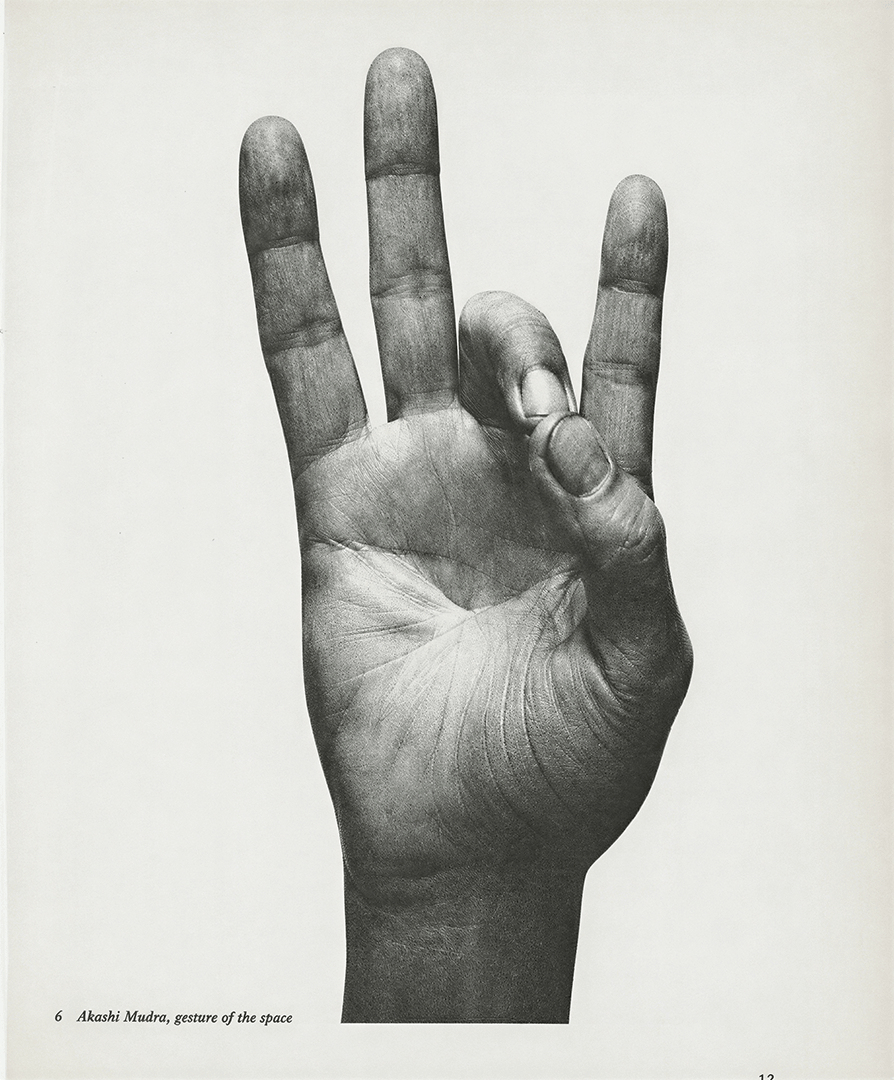
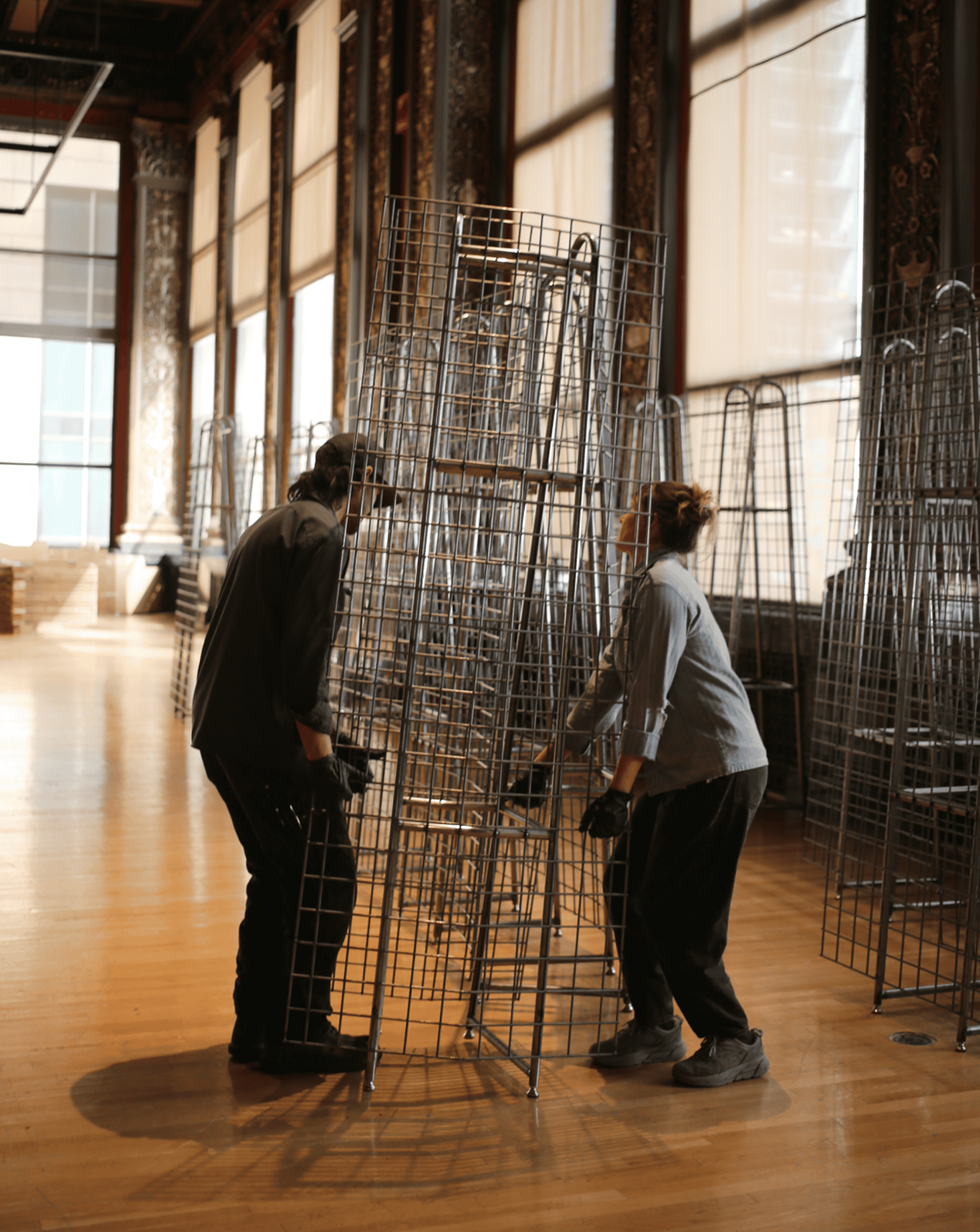
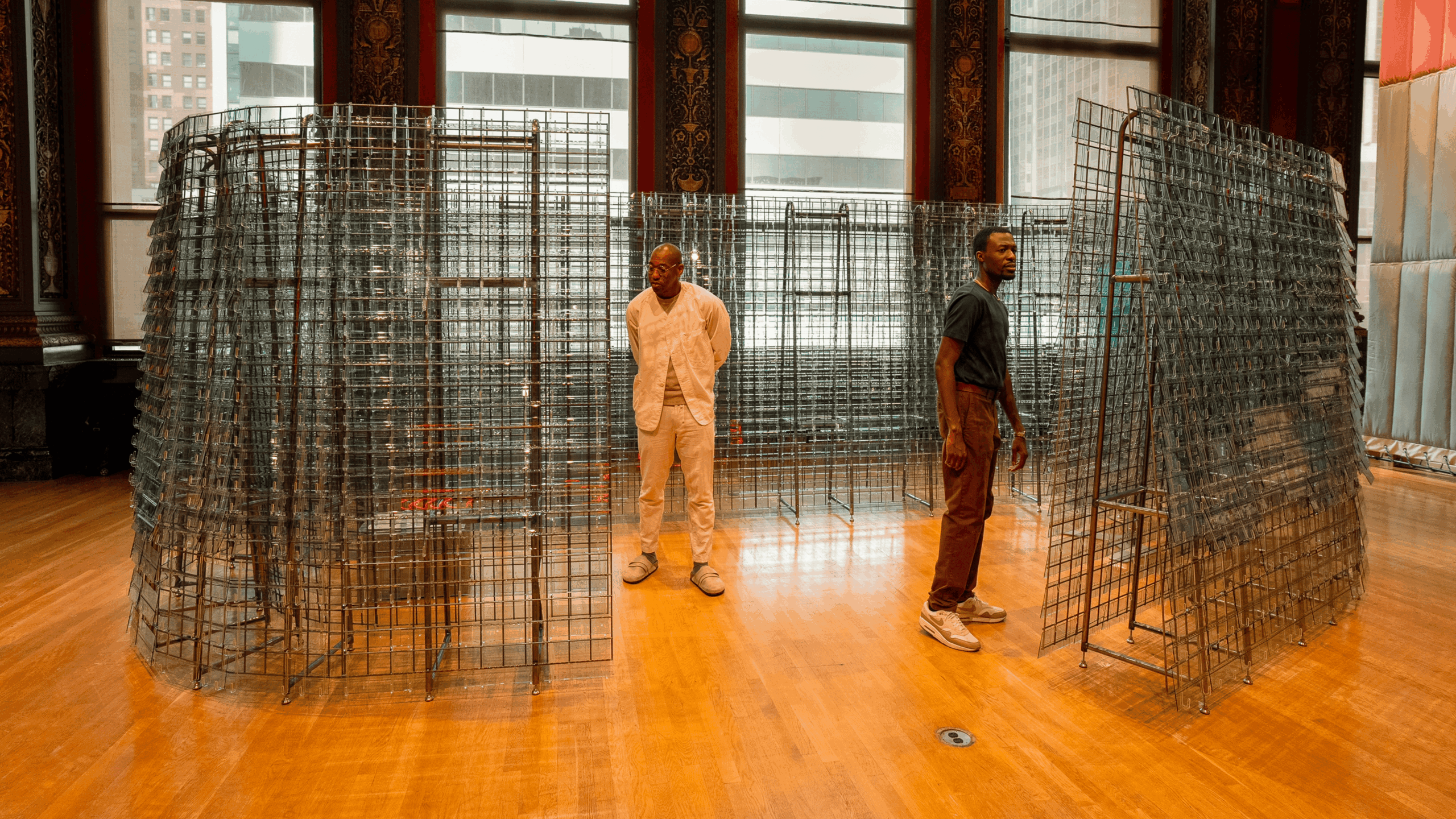
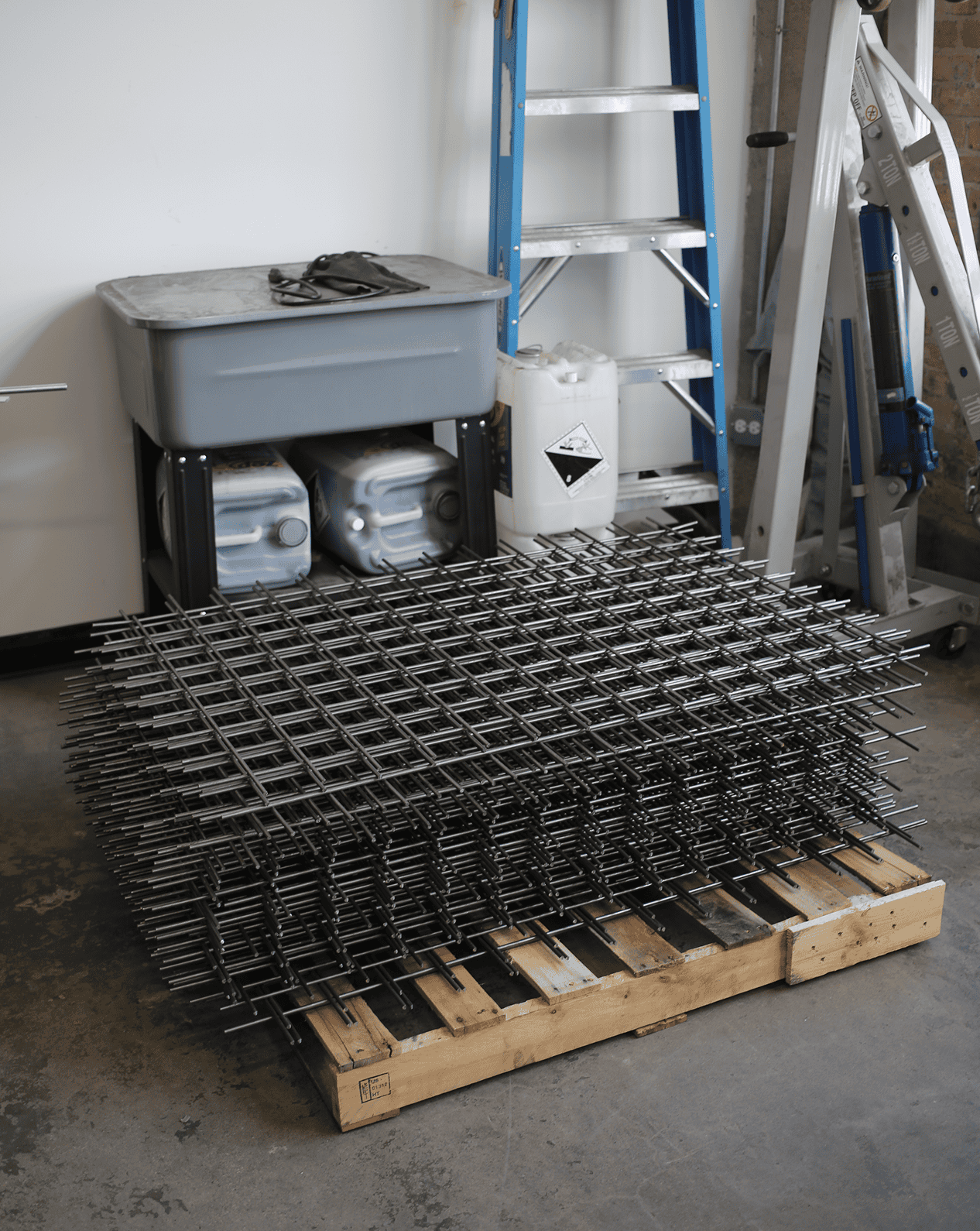
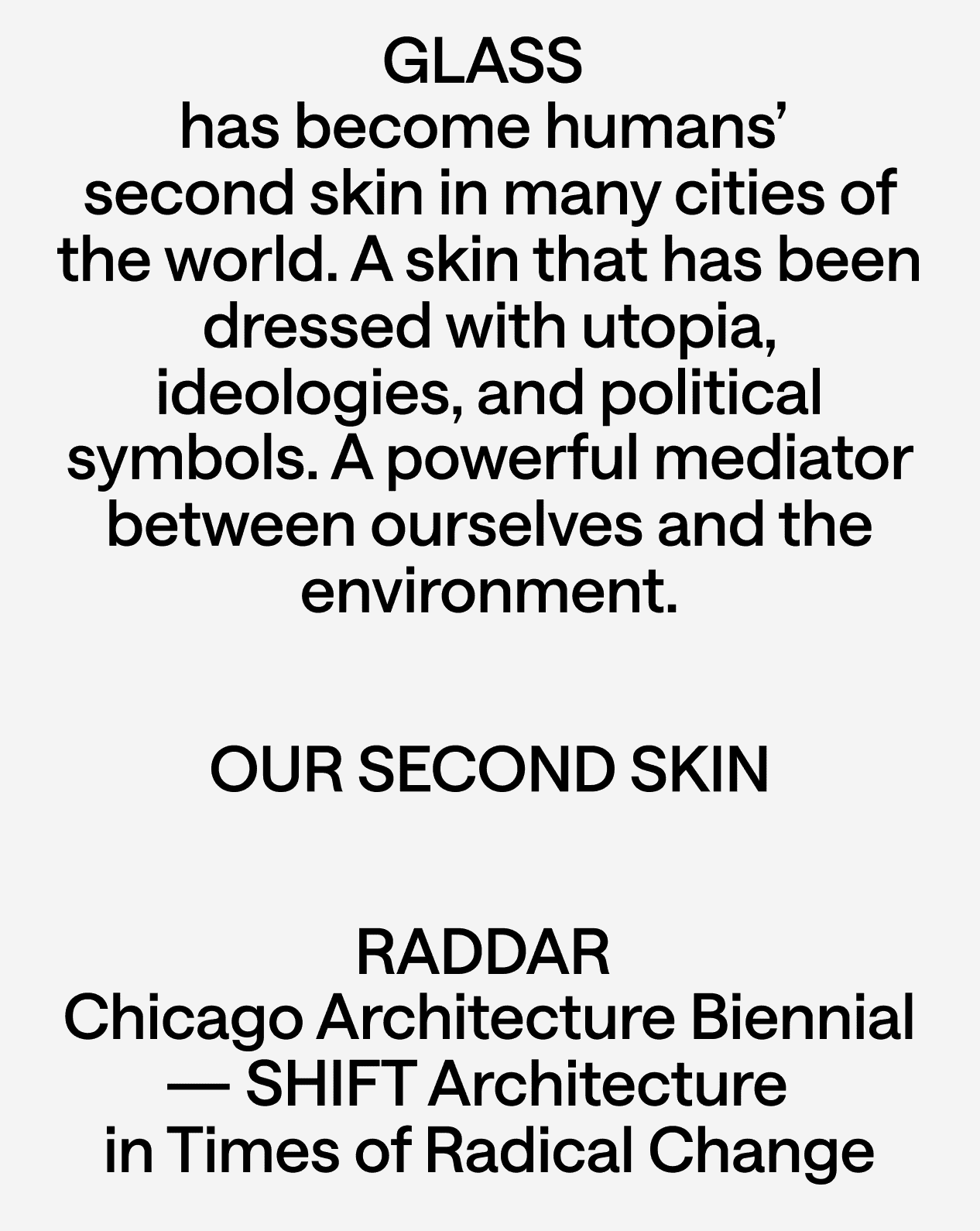
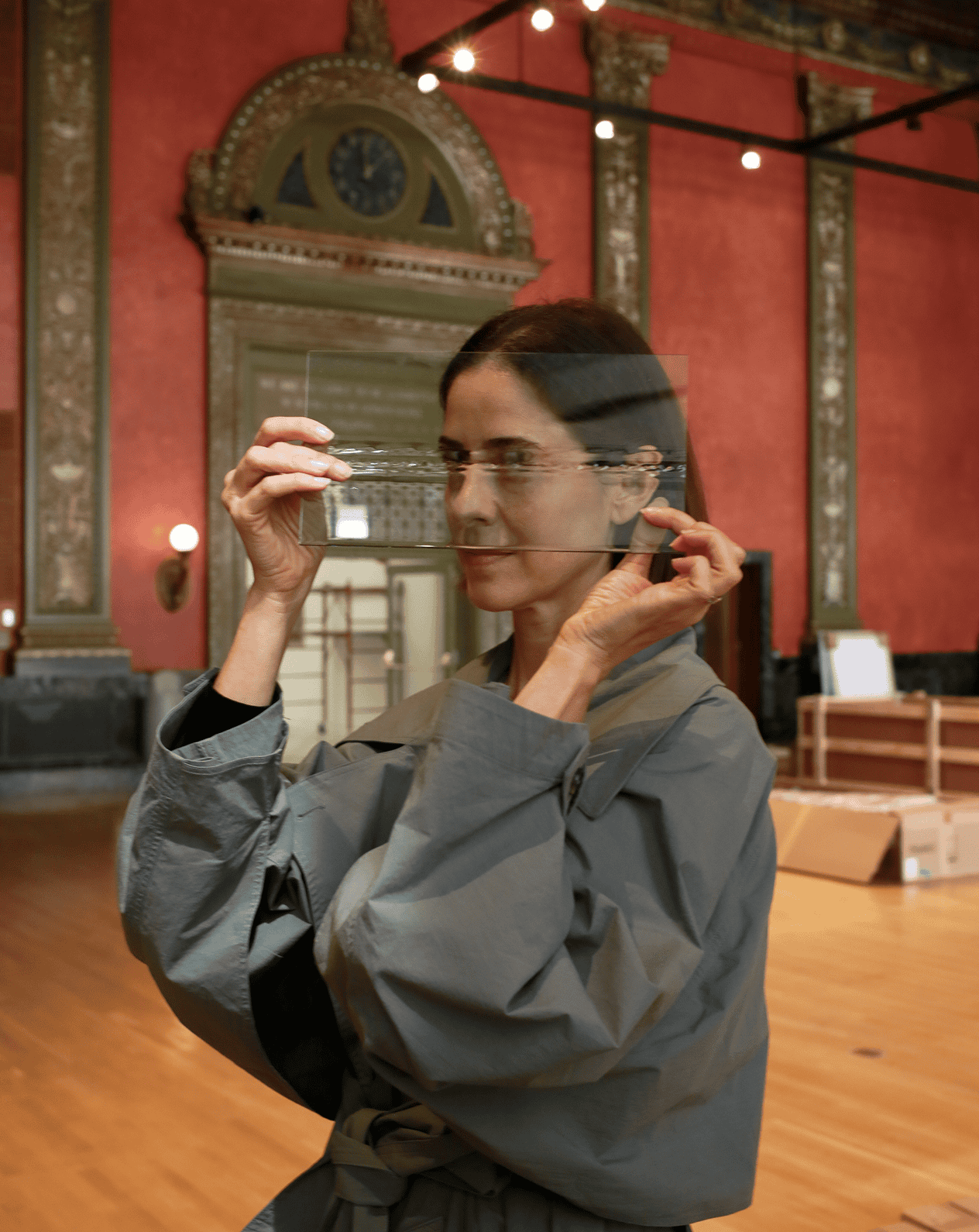
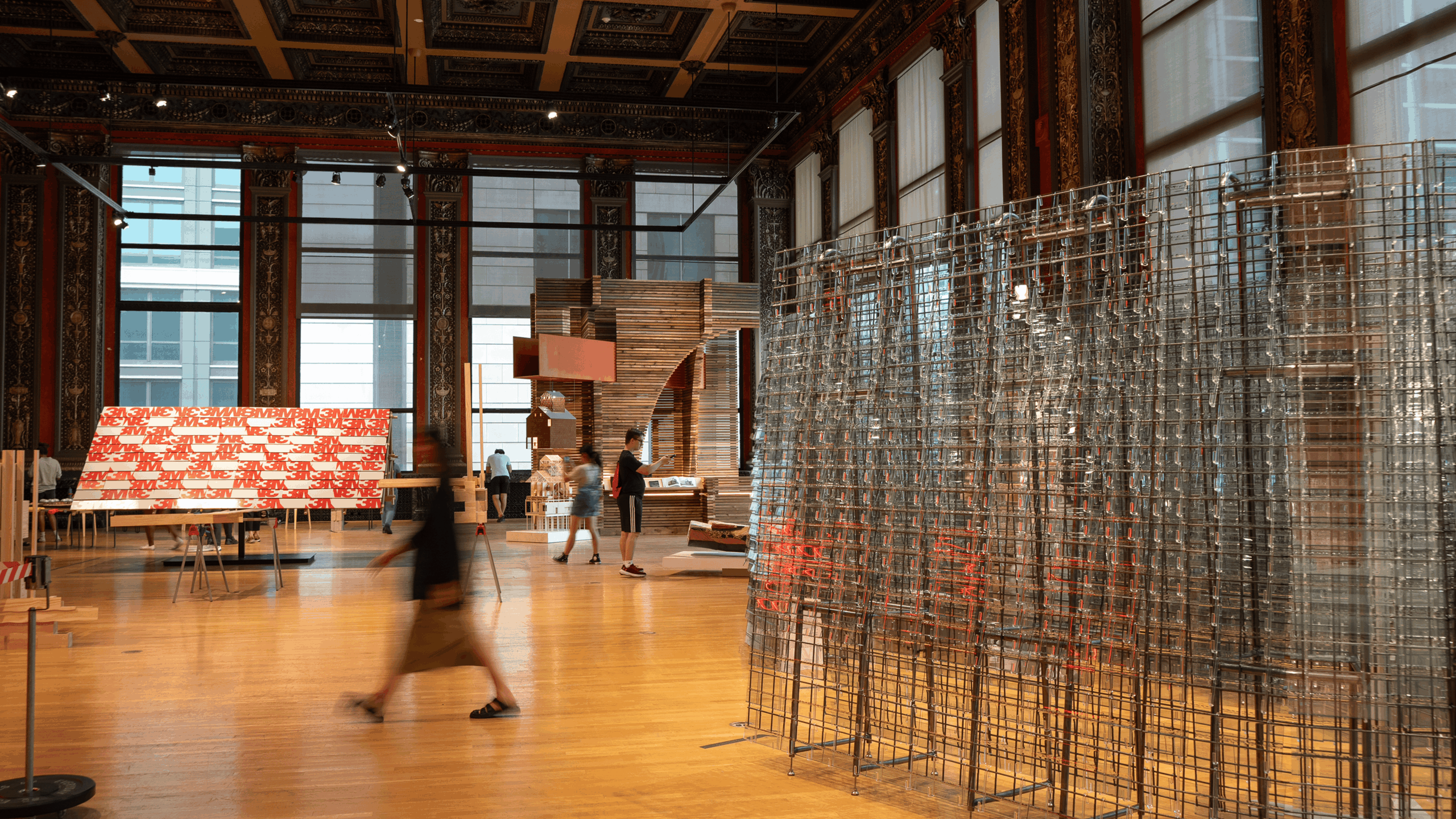
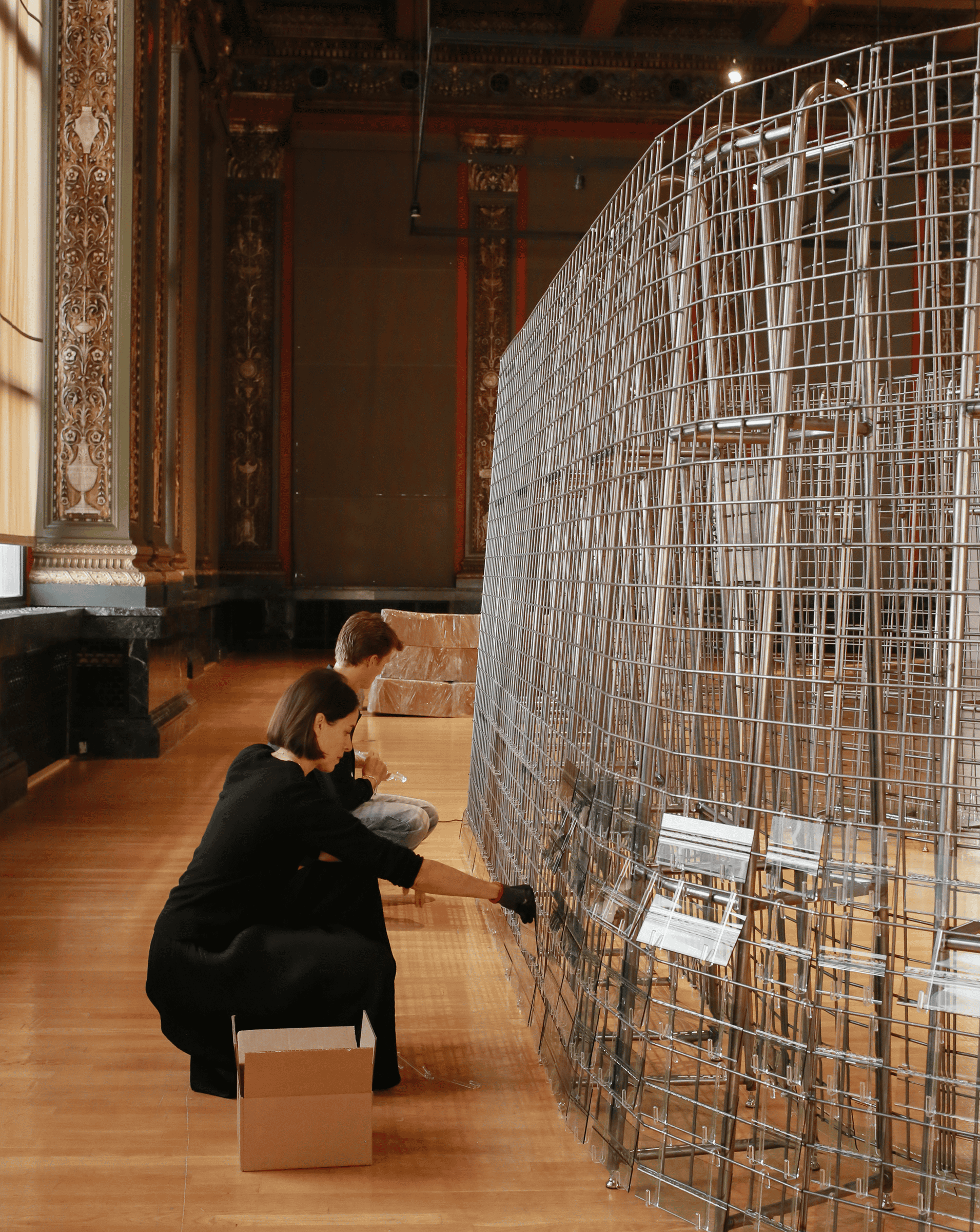
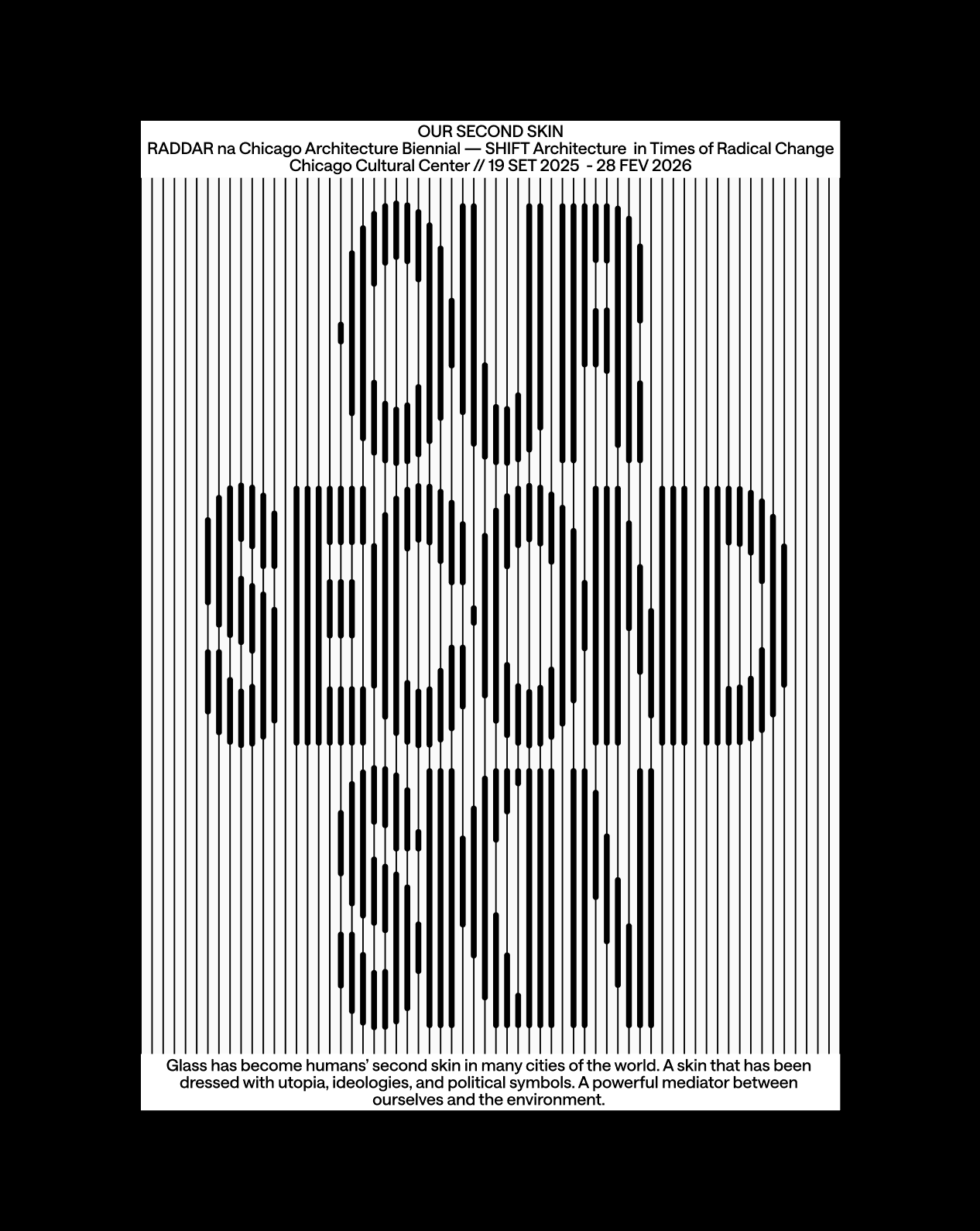
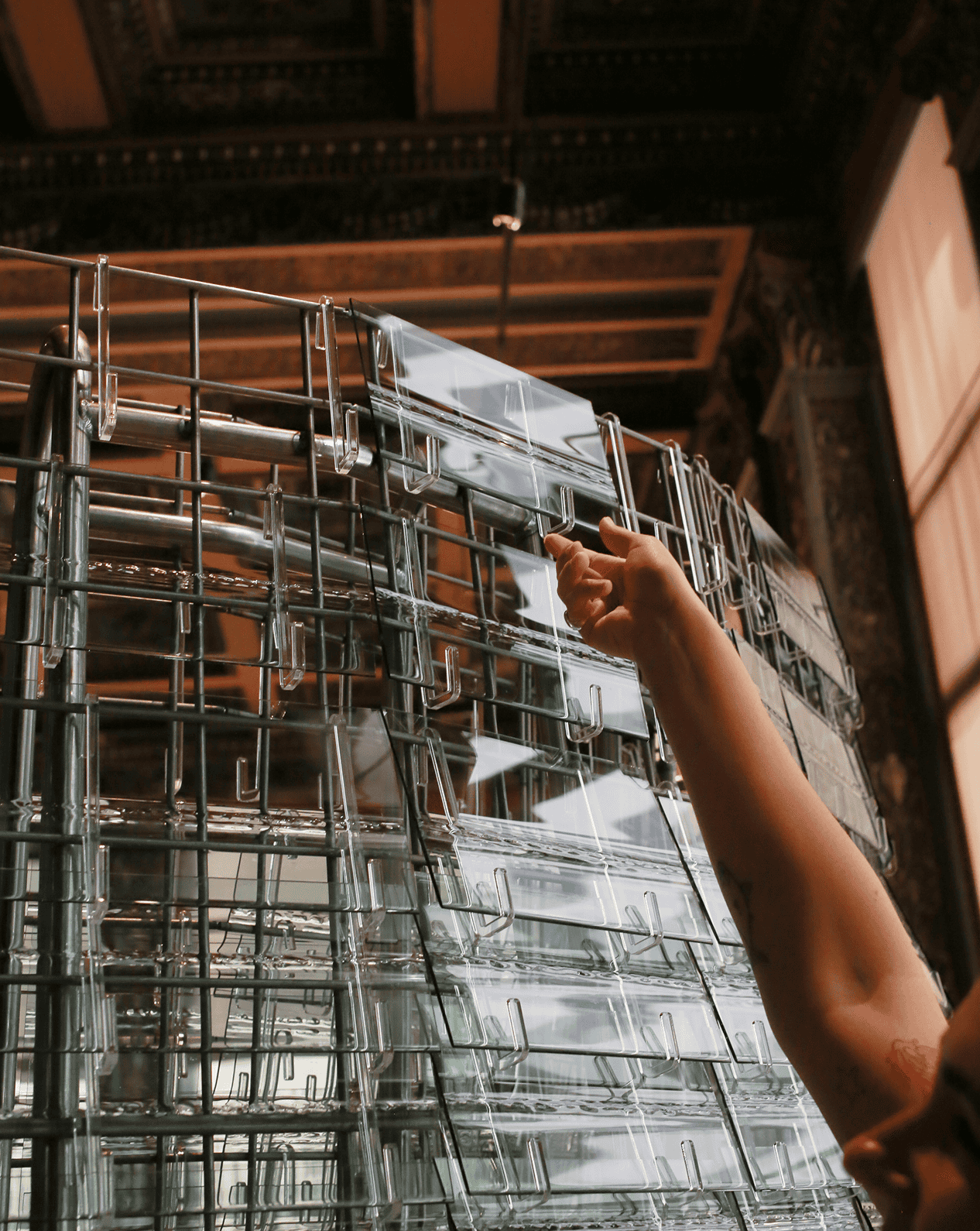
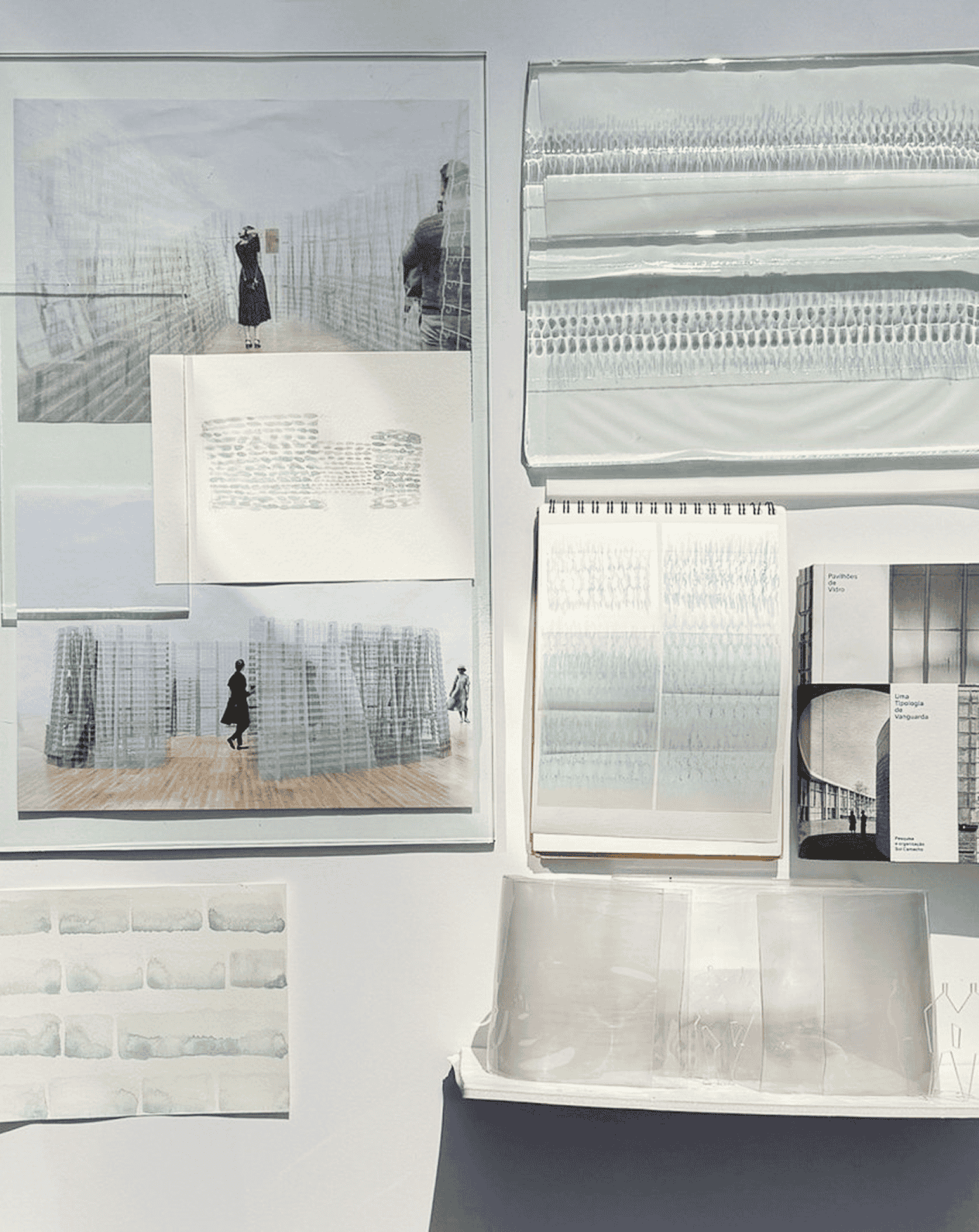
Our Second Skin is a pavilion created by RADDAR as part of an investigation into the role of glass in contemporary architecture. Conceived and curated by Sol Camacho for the Chicago Architecture Biennial, the project occupies the Yates Gallery at the Chicago Cultural Center with a structure made from more than 2,200 pieces of waste generated by industrial glass manufacturing. Collected in Chicago and São Paulo, these fragments form a translucent skin that filters light, reorganizes space, and makes visible what the production process usually renders invisible. We developed the project’s visual identity and poster, seeking to graphically represent the idea of glass as our second skin—a surface clothed in ideologies and utopias, mediating the relationship between the inside and the environment around us.
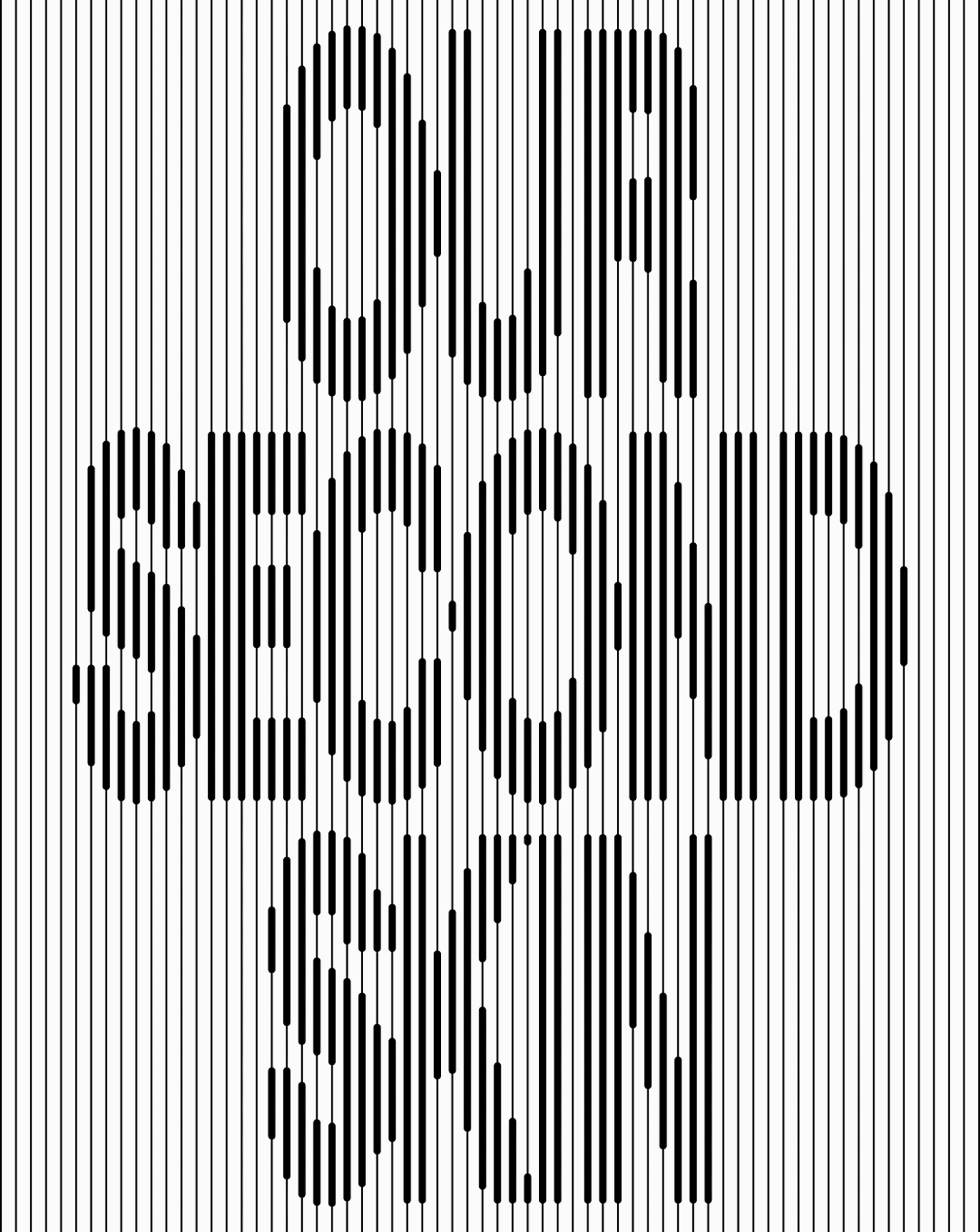
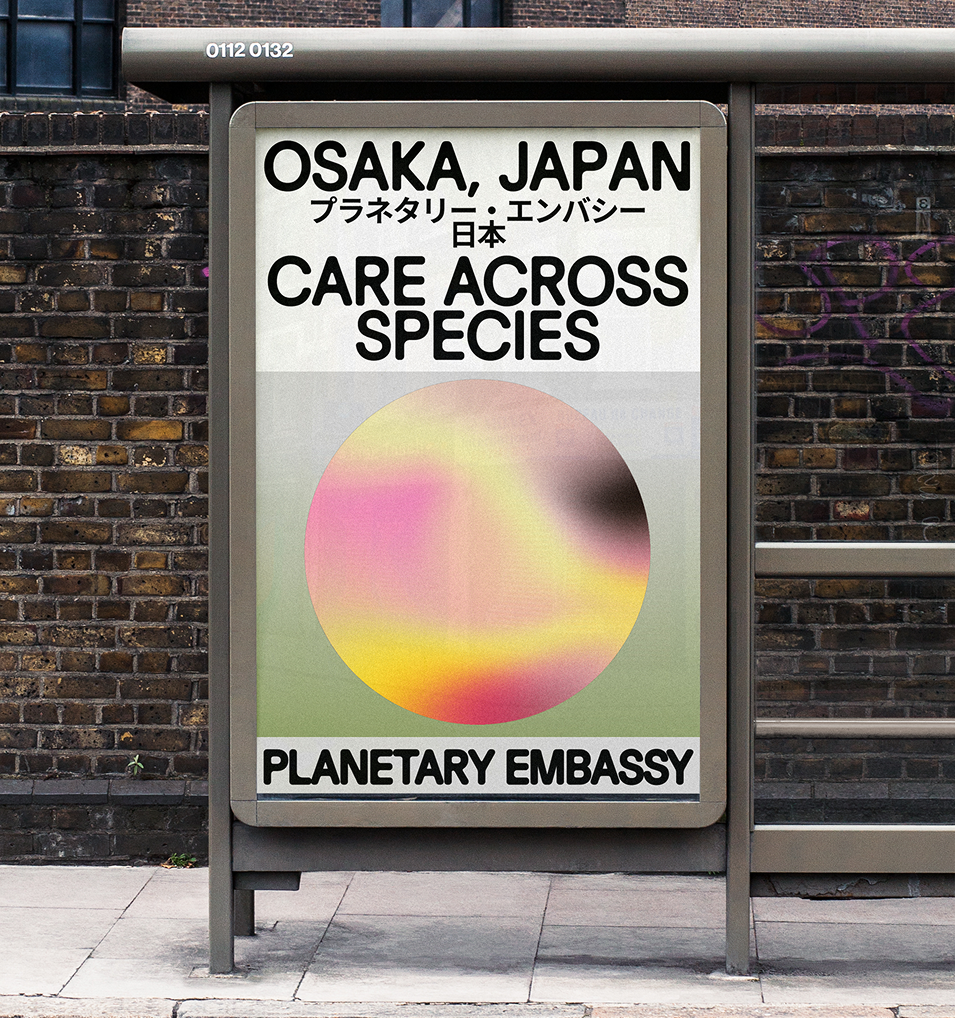
Planetary Embassy imagines a form of diplomacy between humans, nature, and other living forces. In Belém, New York, Tokyo, and other territories, art, science, technology, and Indigenous knowledge came together in a space for listening, guided by patterns generated from natural sounds.

Play is an open-access arts festival that approaches childhood and youth in a diverse, participatory way. By bringing education, culture, and the city closer together, it recognizes children and young people as agents of new ways of learning and occupying space.

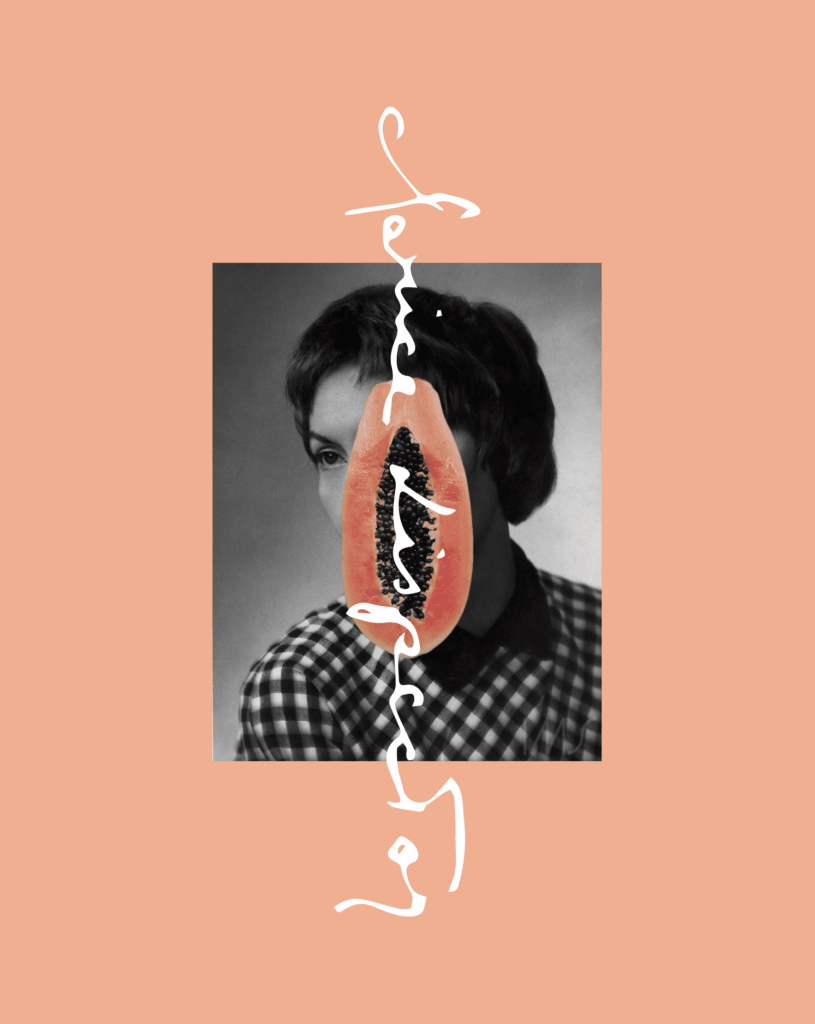
Clarice Lispector’s website at Instituto Moreira Salles offers two paths: one freer and more unpredictable, inviting visitors to explore the work through discoveries and detours, and another more direct. Manuscripts, letters, and documents from the archive reveal different readings and ways of (re)encountering Clarice.


ICCI strengthens public debate on climate, democracy, and justice, working so that good ideas can lead to good conversations—and good conversations can help build a better country. We developed a visual and verbal identity that translates this vision into a graphic system designed to clarify complex topics while combining precision with institutional presence in contemporary, accessible communication.