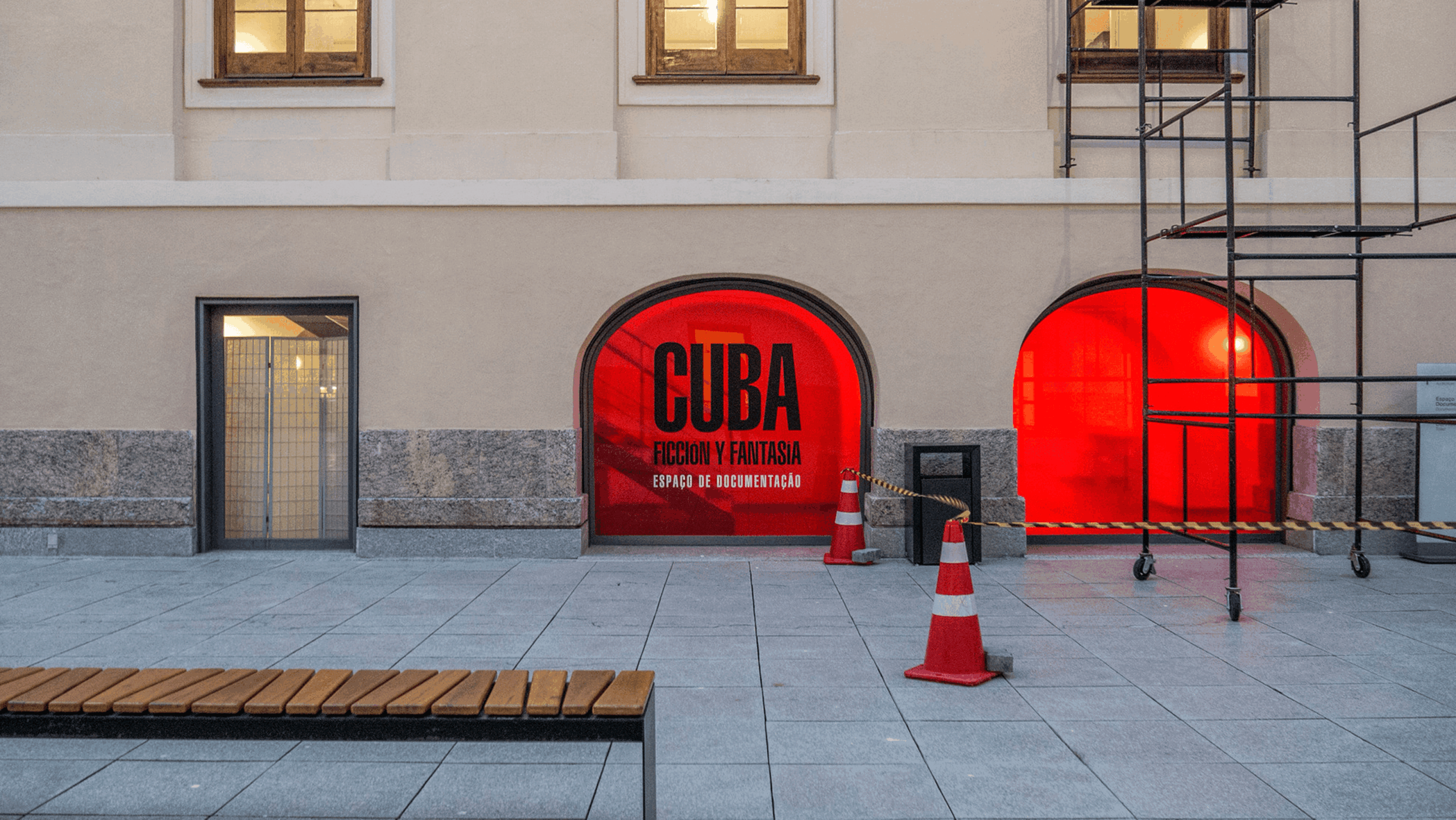
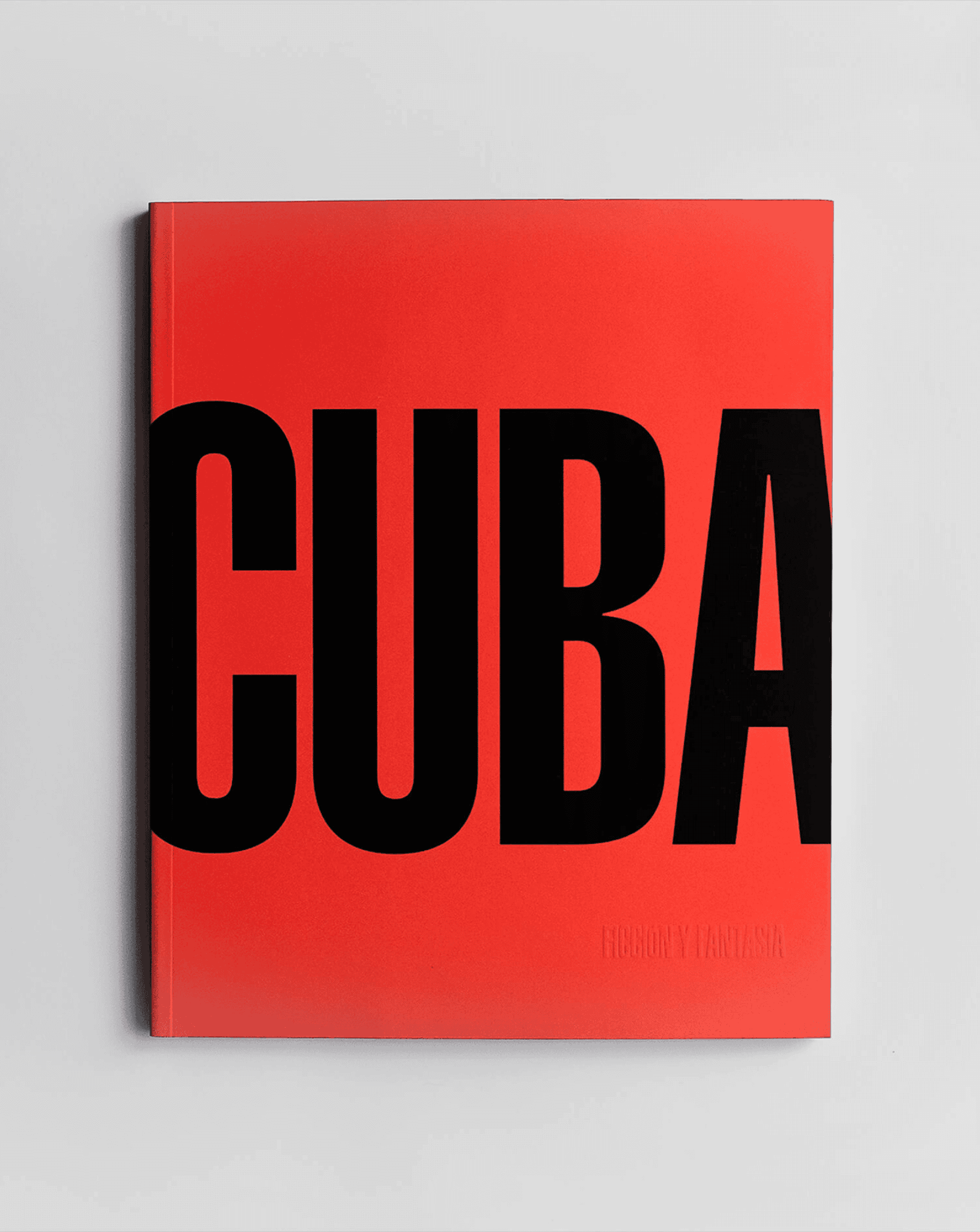
Cuba, Ficción y Fantasia
Editorial, Exhibition Design, Identity, Print
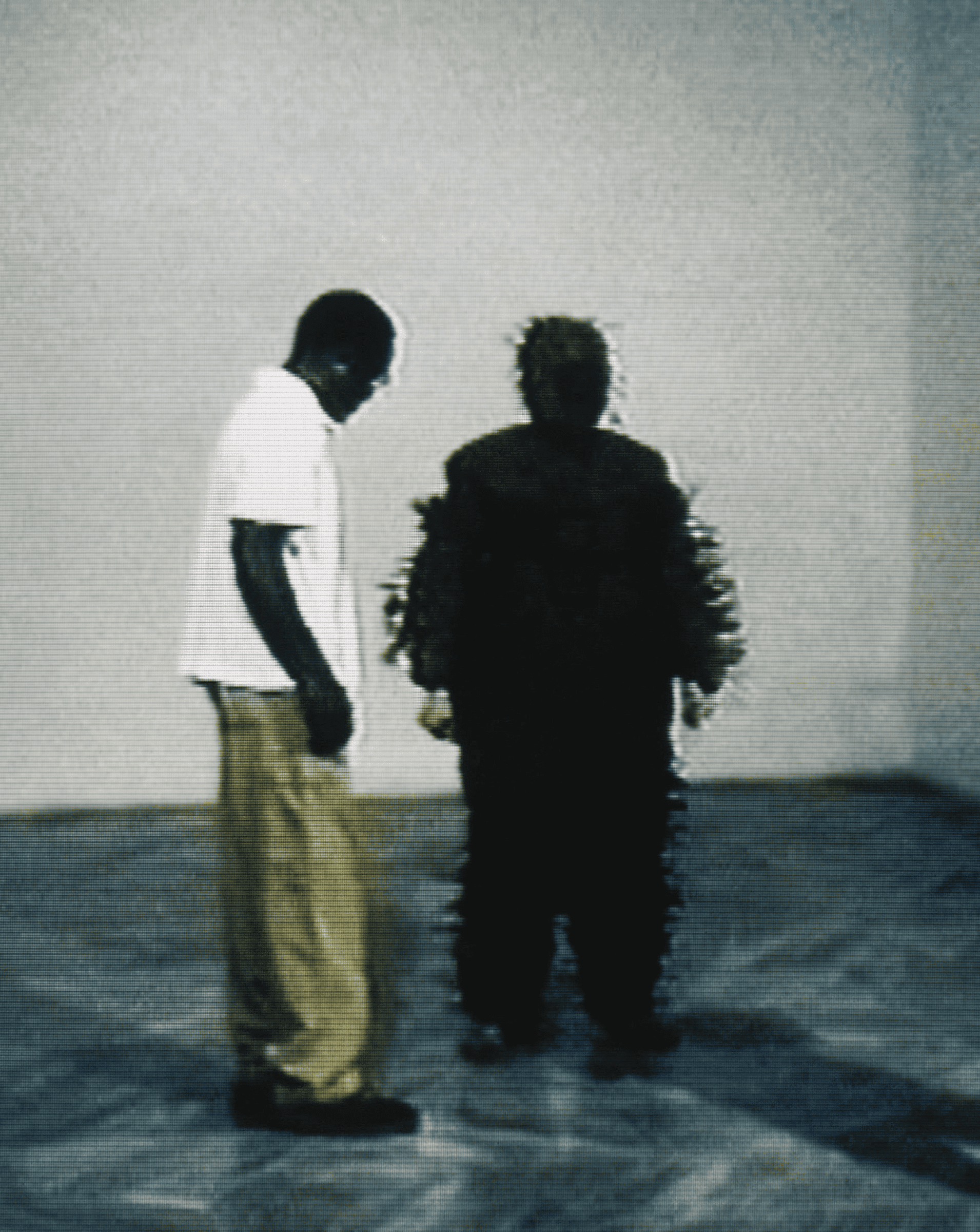
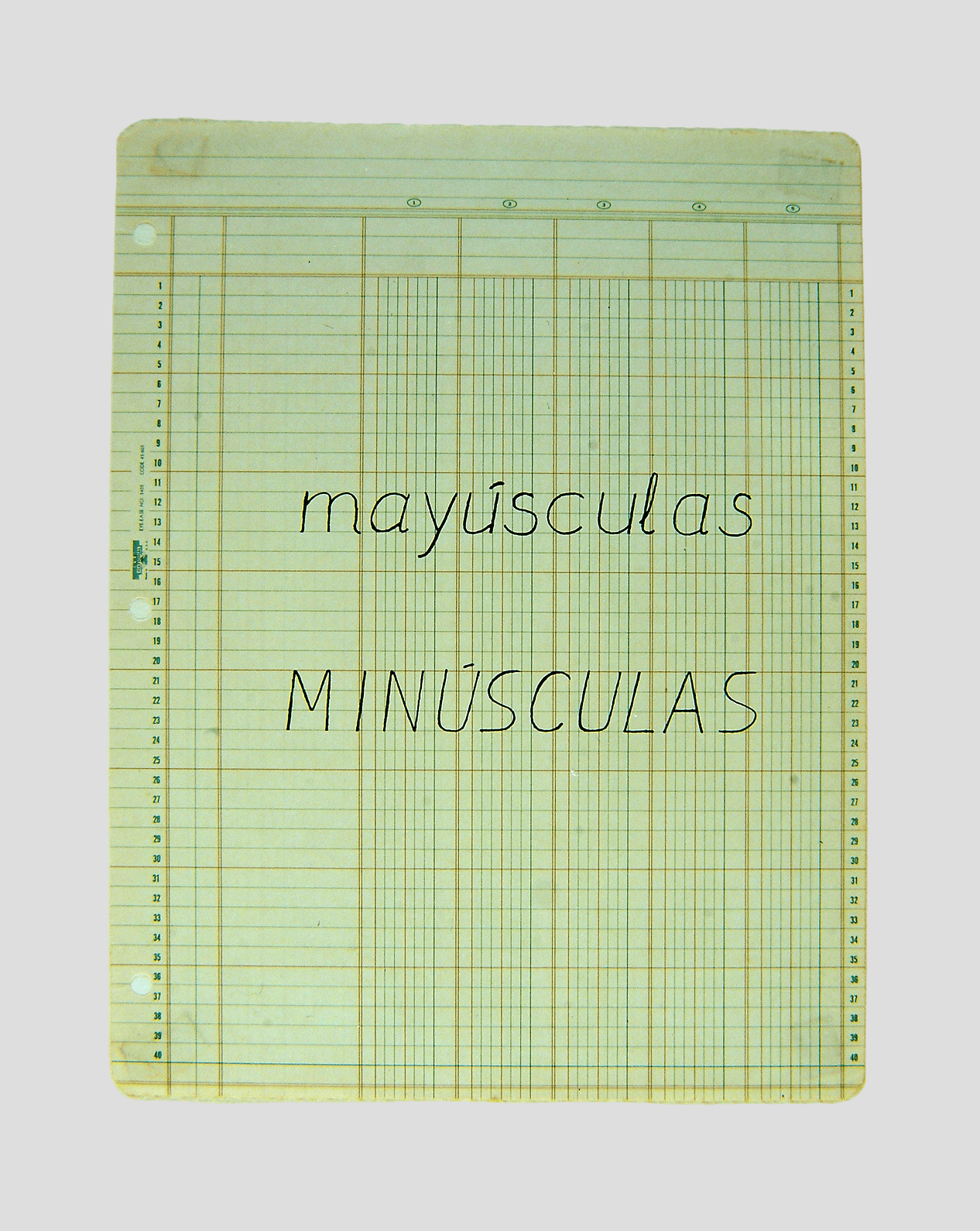
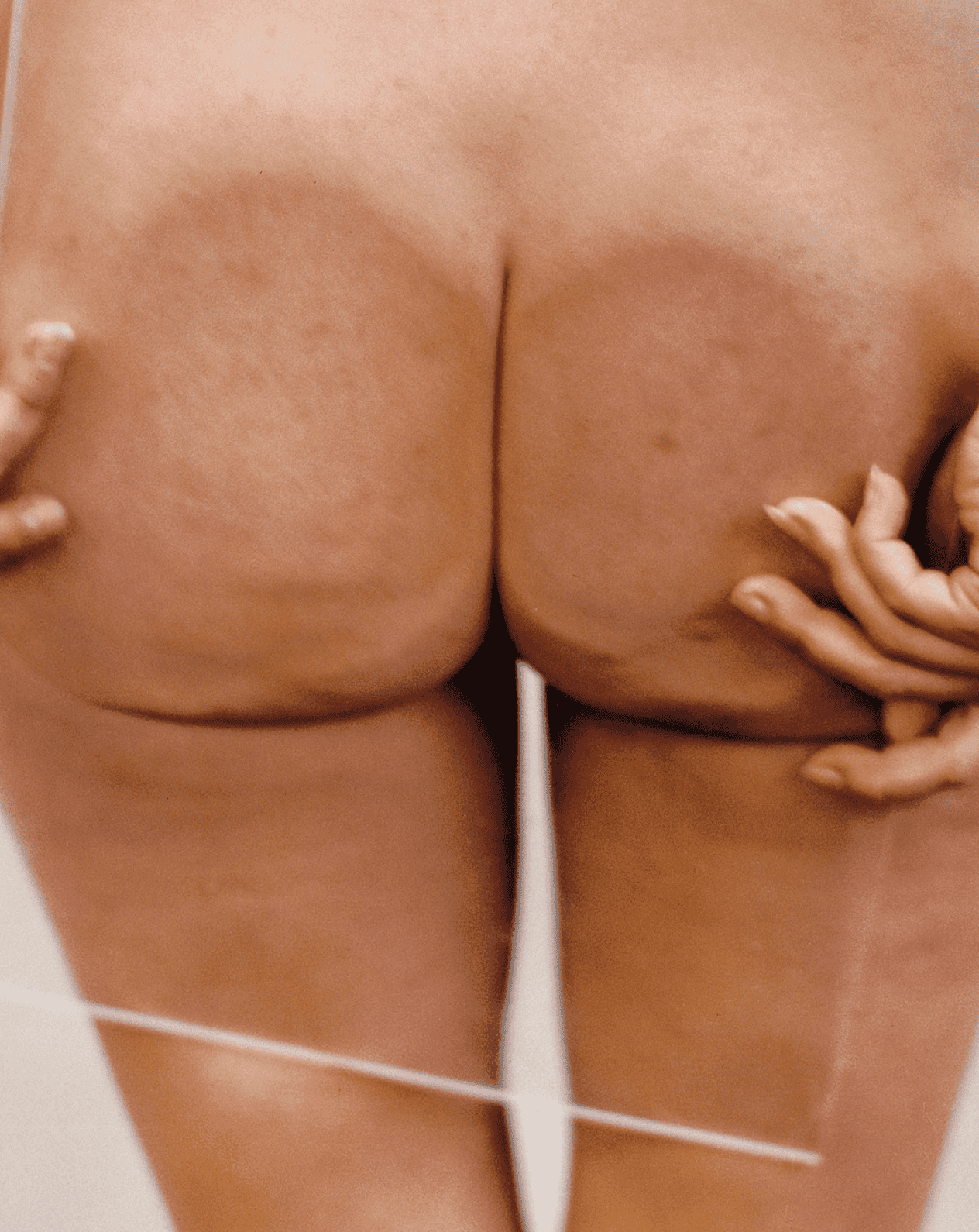
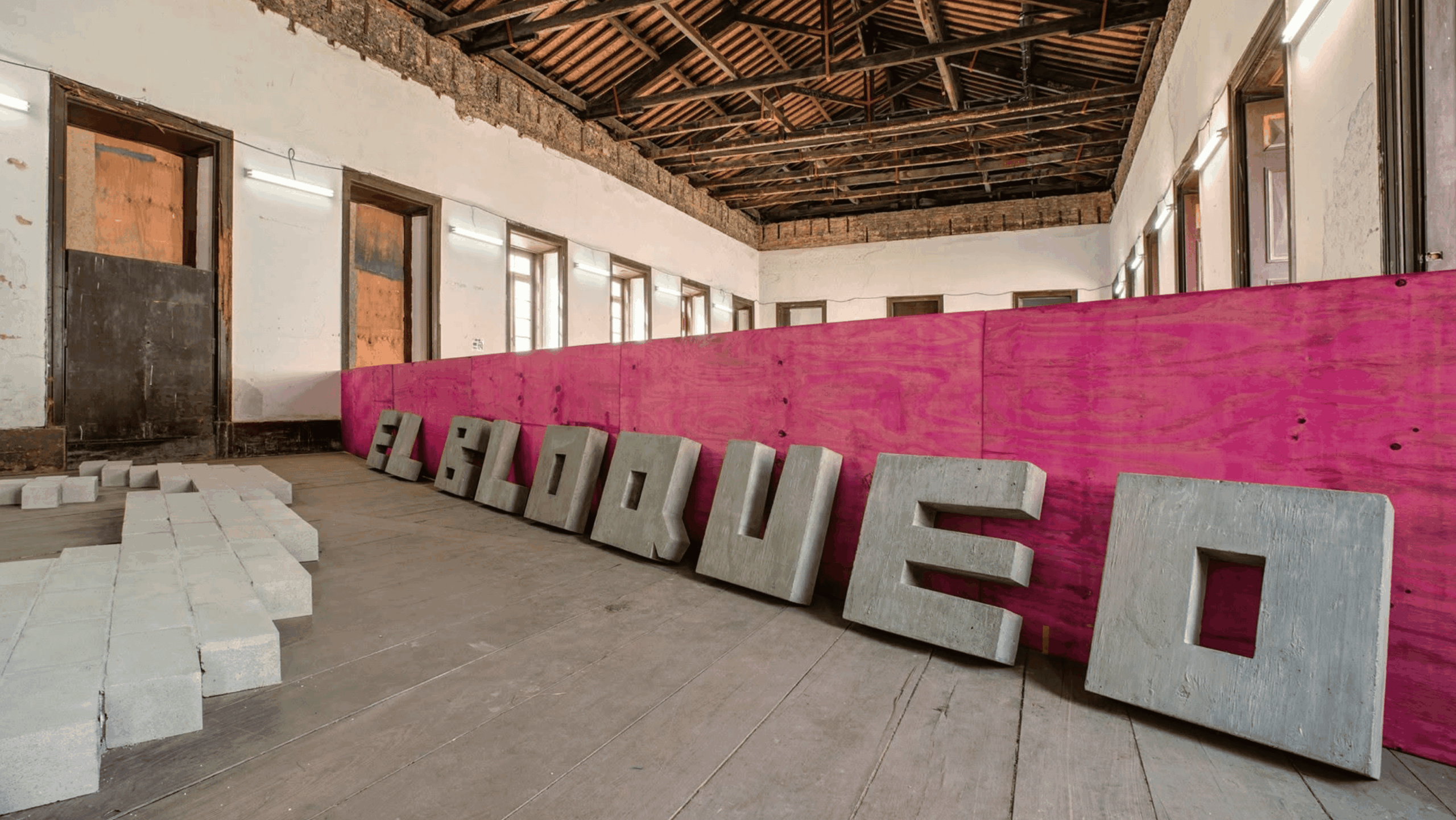
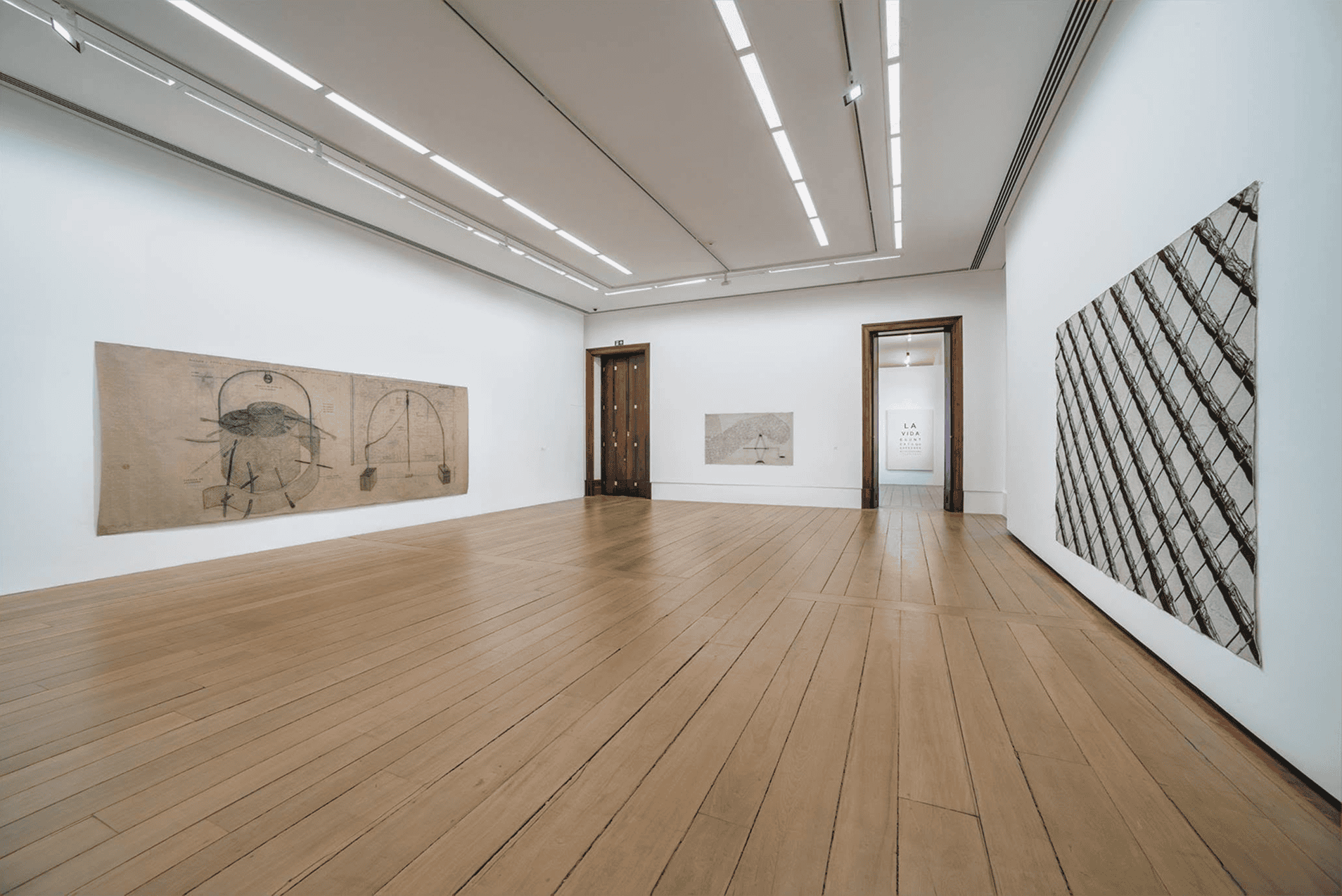
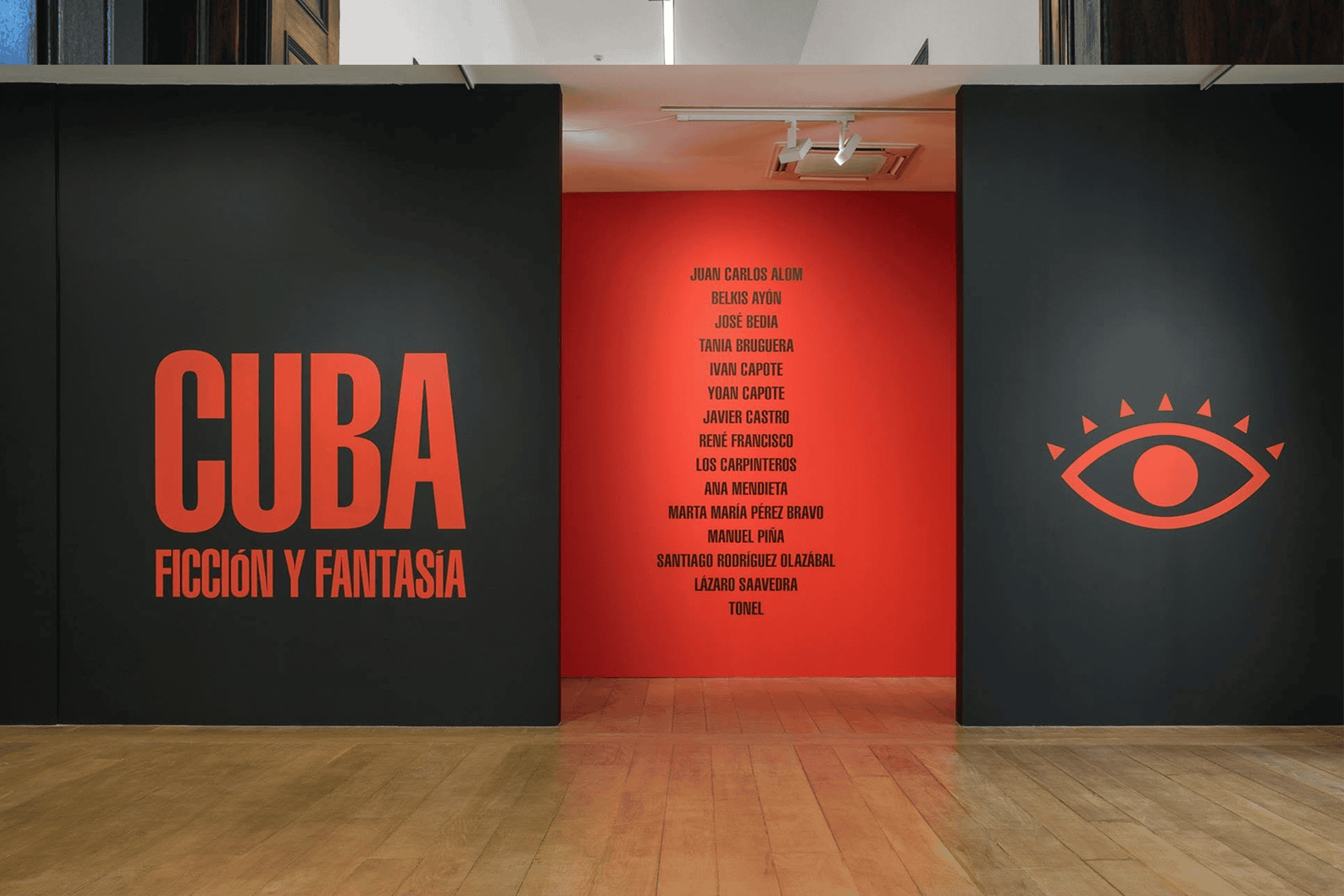
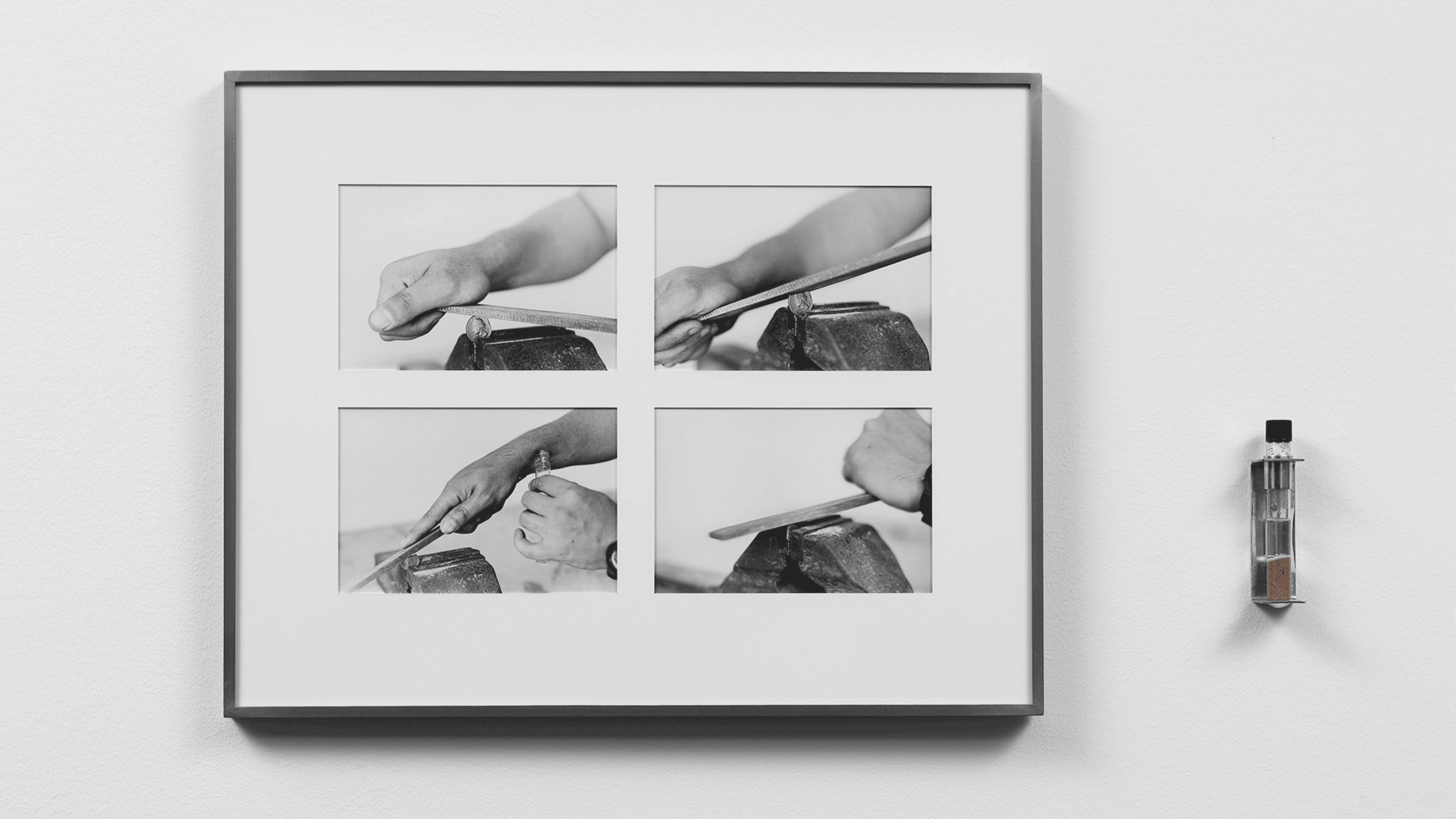
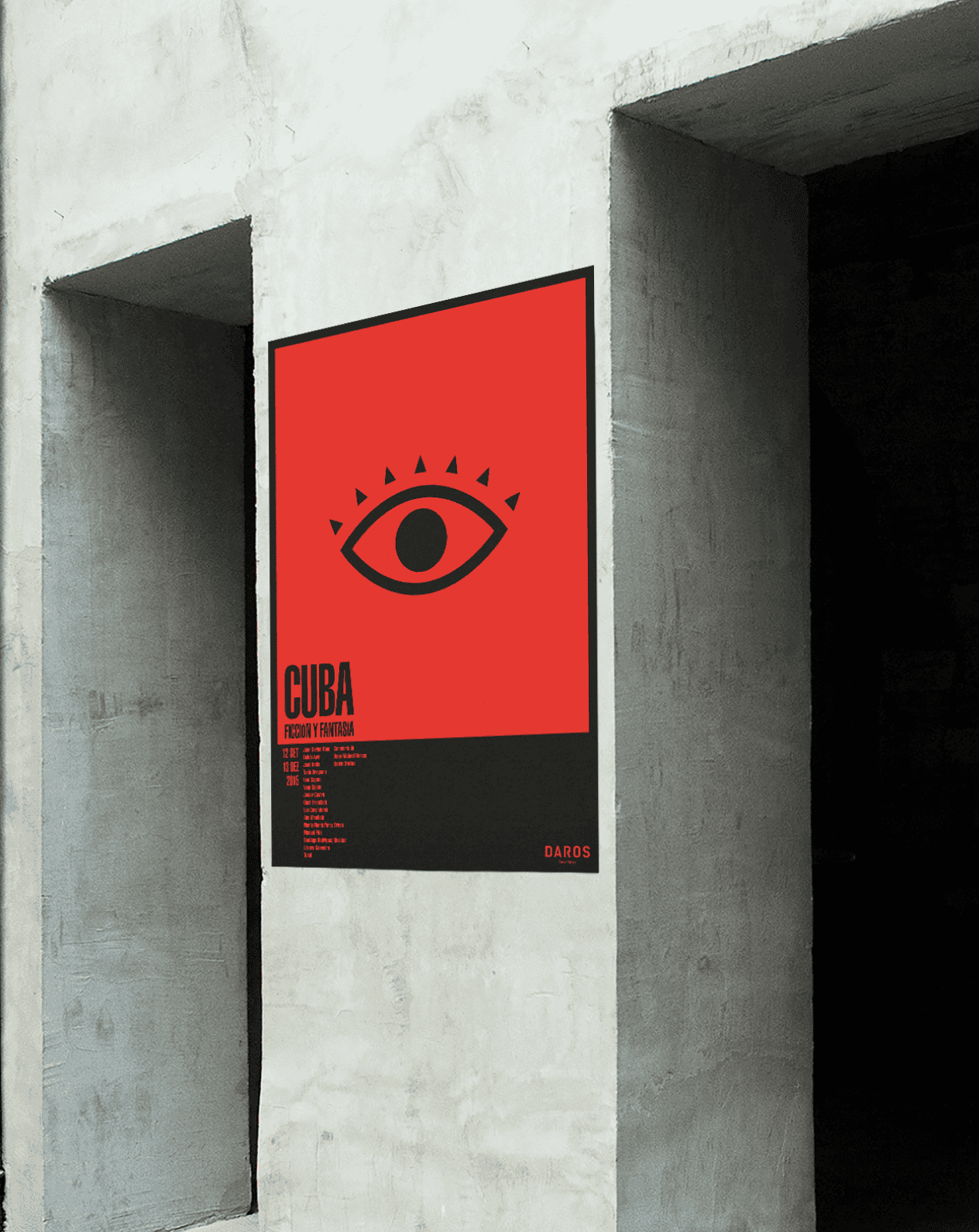
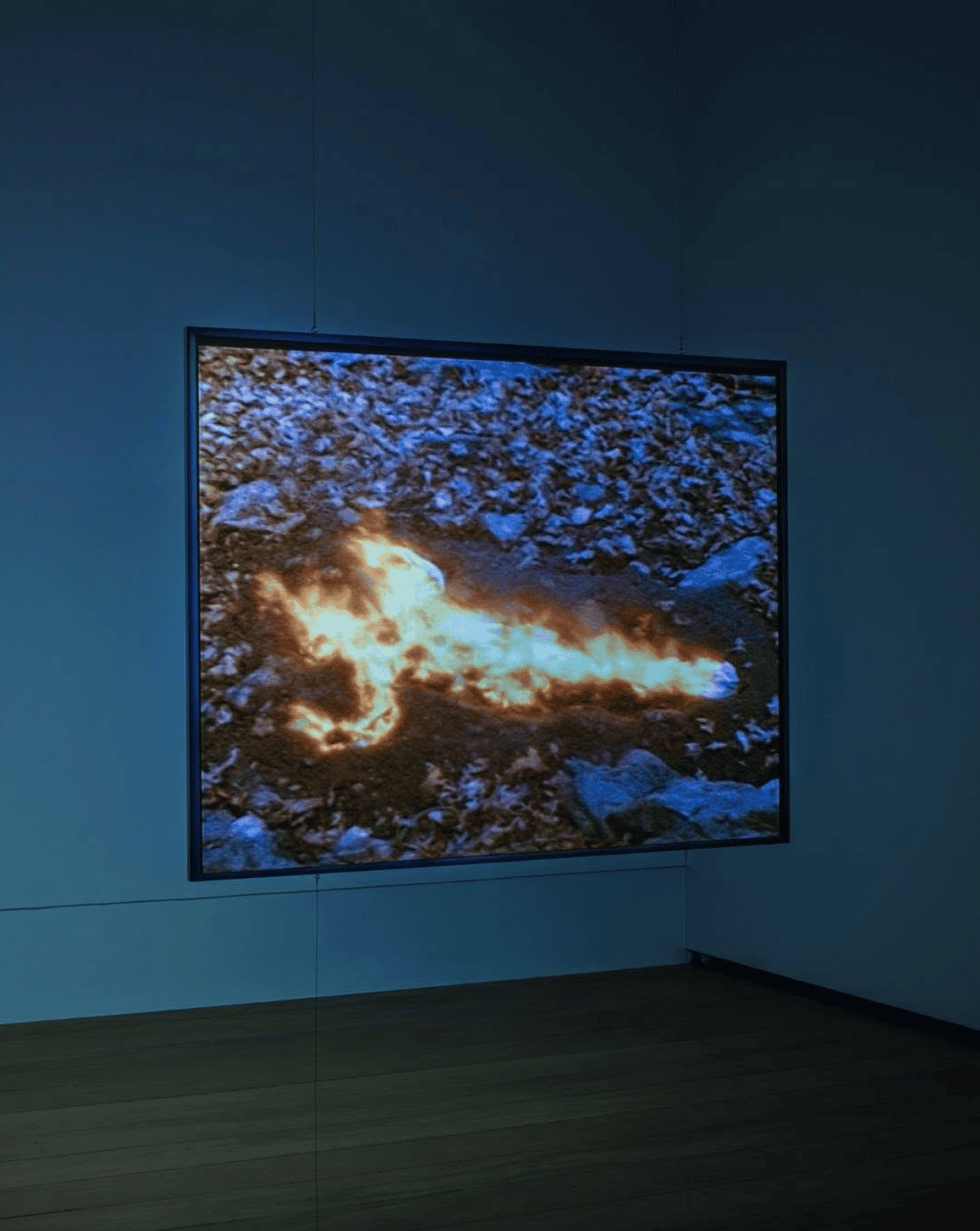
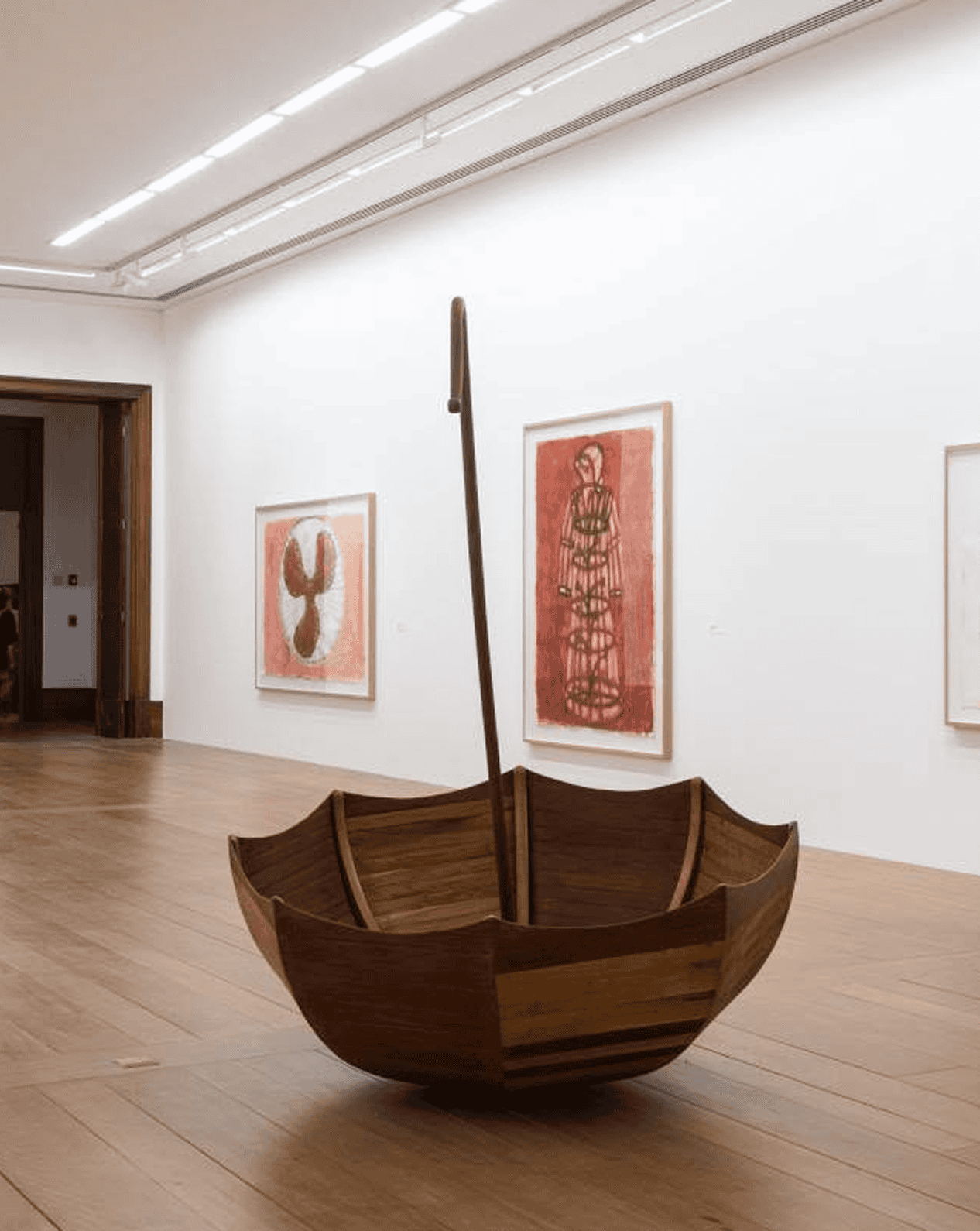
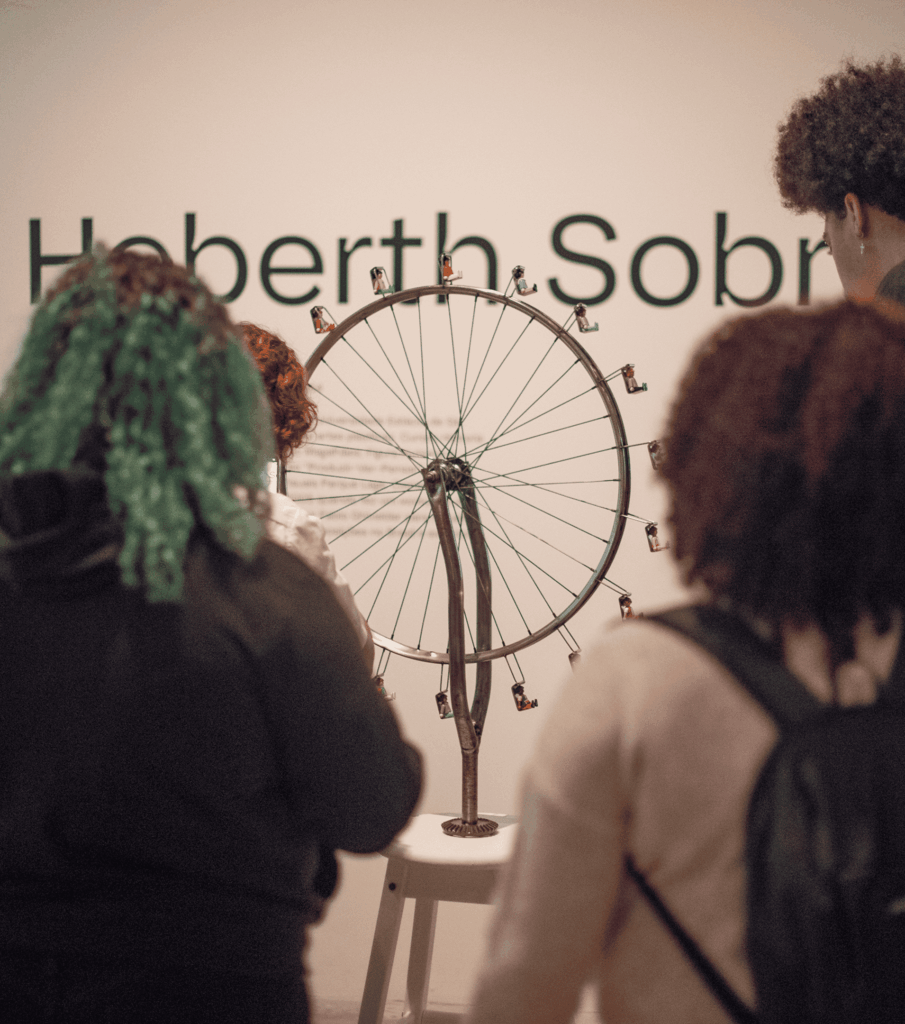
Featuring works by some of Cuba’s most important contemporary artists—including Ana Mendieta, Iván and Yoan Capote, José Bedia, Juan Carlos Alom, Los Carpinteros, Marta María Pérez Bravo, Tania Bruguera, and Tonel—Cuba: Ficción y Fantasía spans more than three decades of the country’s artistic production. Bringing together different generations, languages, and perspectives, the exhibition addresses recurring themes in the Cuban experience, including mystery, religion, mysticism, repression, and political struggle. Across photography, video, installation, painting, sculpture, and performance, the works reveal how fiction and fantasy can become tools for interpreting a reality shaped by political tensions and social transformations. Without proposing a single or definitive reading, the exhibition builds a multifaceted panorama of Cuban art in which imagination, spirituality, humor, and criticism mingle as forms of resistance and reinvention.

Play is an open-access arts festival that approaches childhood and youth in a diverse, participatory way. By bringing education, culture, and the city closer together, it recognizes children and young people as agents of new ways of learning and occupying space.
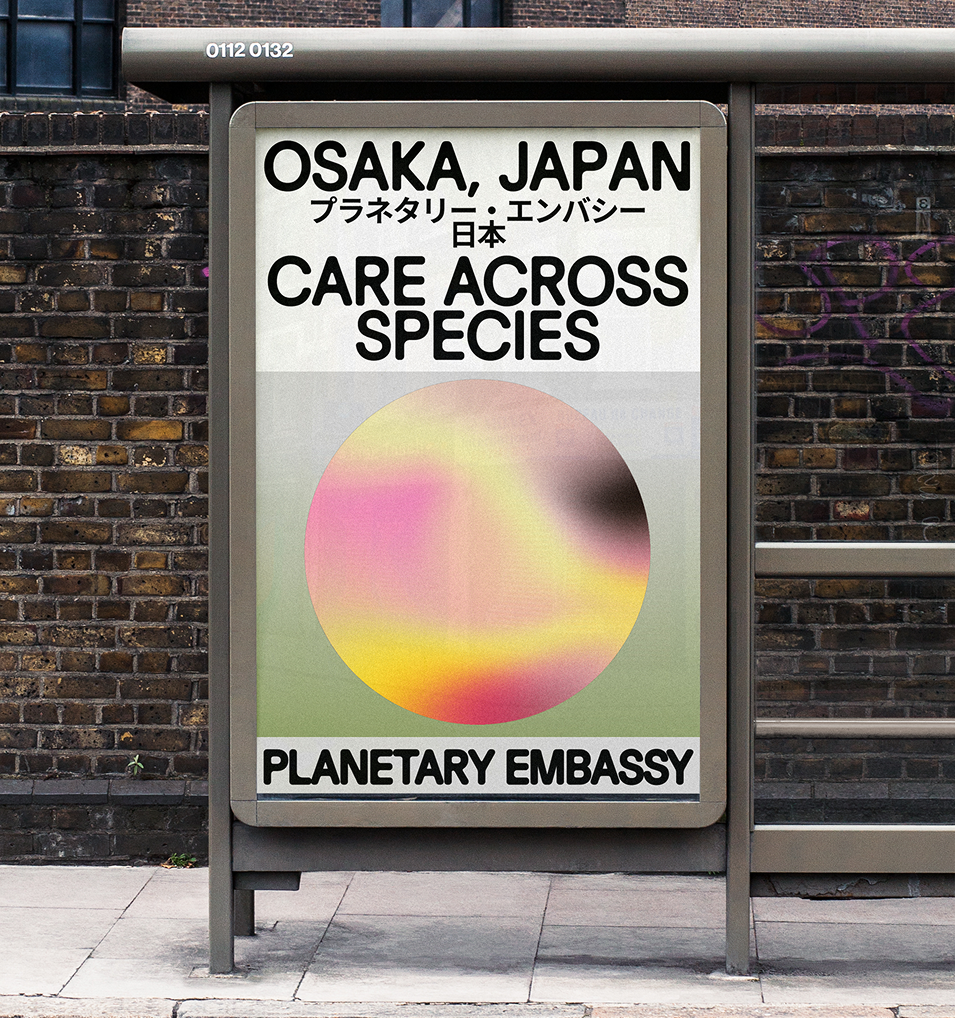
Planetary Embassy imagines a form of diplomacy between humans, nature, and other living forces. In Belém, New York, Tokyo, and other territories, art, science, technology, and Indigenous knowledge came together in a space for listening, guided by patterns generated from natural sounds.
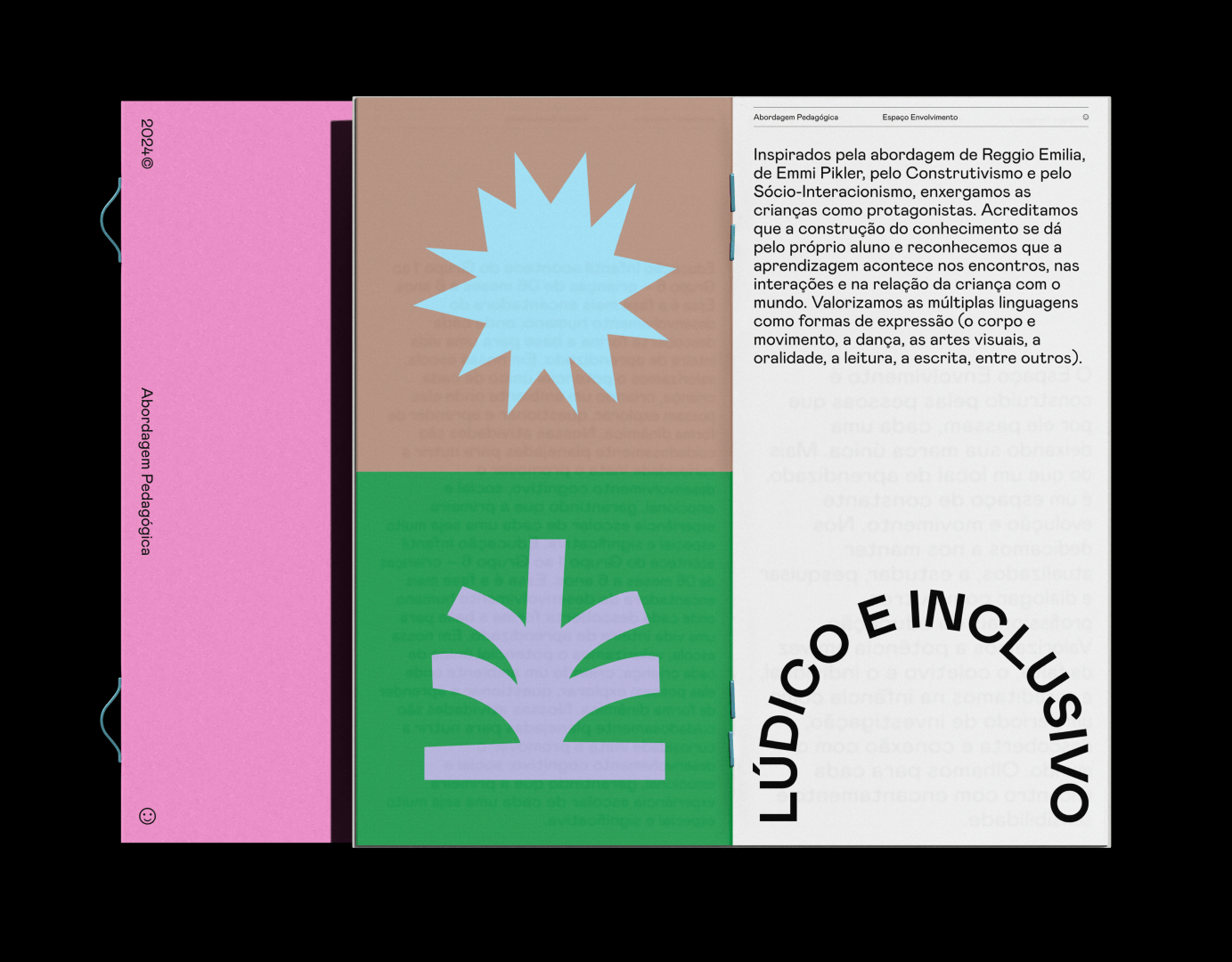
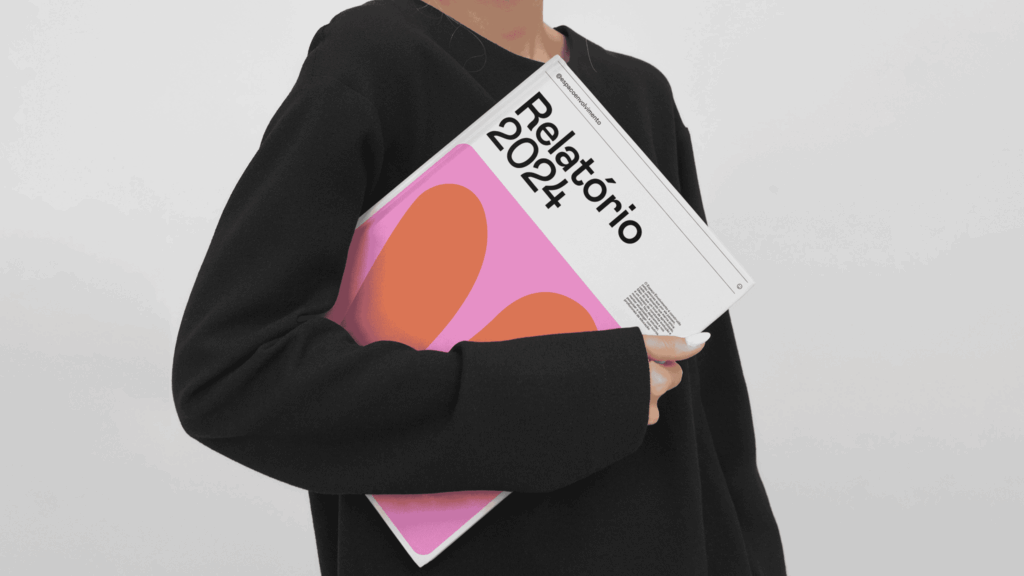
Childhood is not preparation for life; it is life itself unfolding. With this in mind, we worked with Espaço Envolvimento on a careful rebranding process, moving through conceptual and strategic stages and arriving at a visual expression that reflects the school’s new moment.
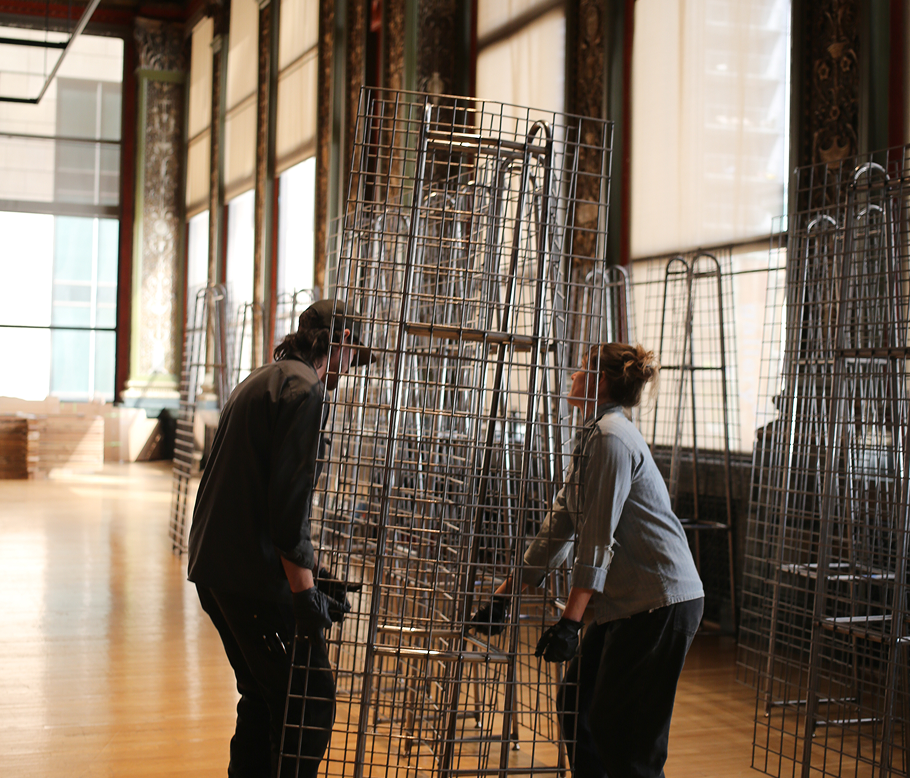
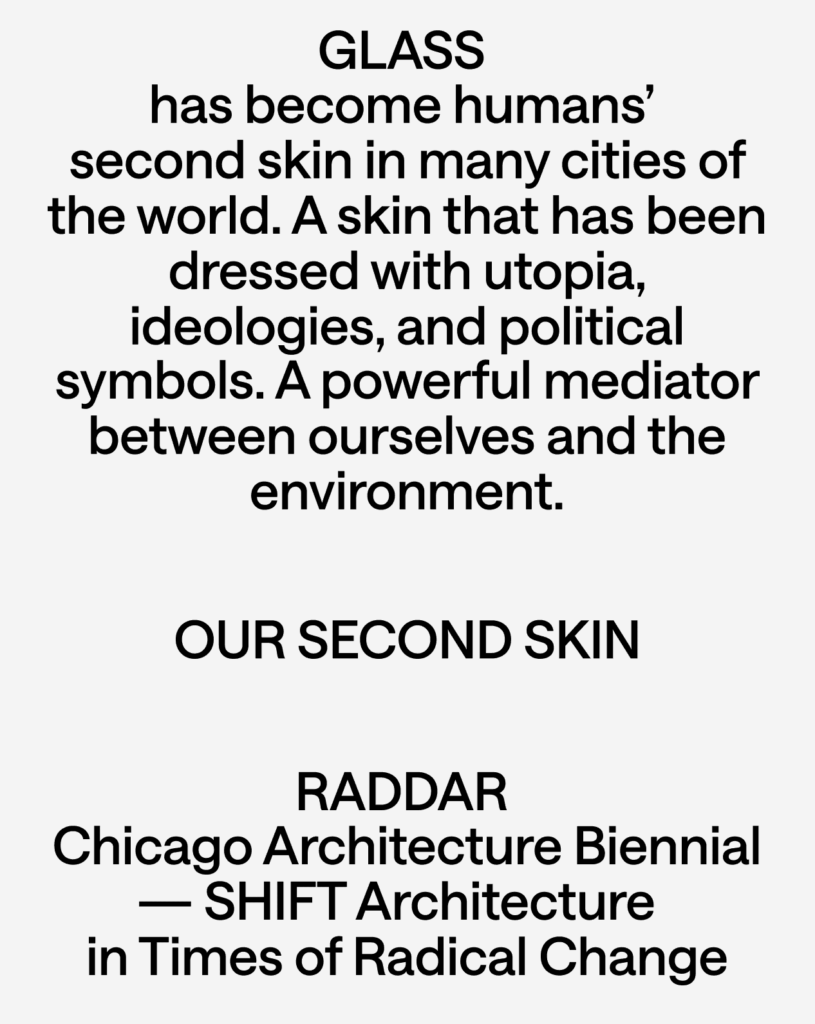
Created by RADDAR for the Chicago Architecture Biennial, Our Second Skin transforms more than 2,200 pieces of glass-manufacturing waste into a translucent skin. We developed the project’s visual identity and poster, seeking to graphically represent this relationship between transparency, opacity, surface, architecture, and transformation.