Camolese
Branding, Content, Digital, Identity, Strategy
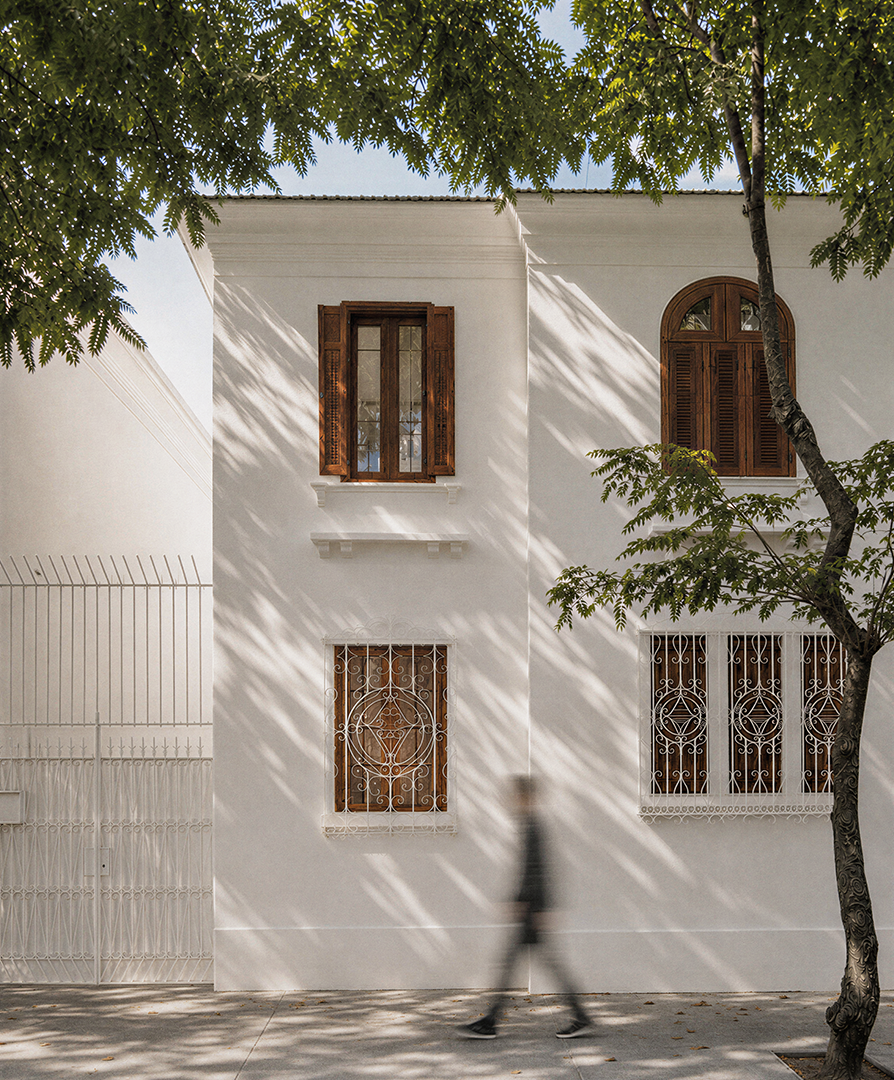
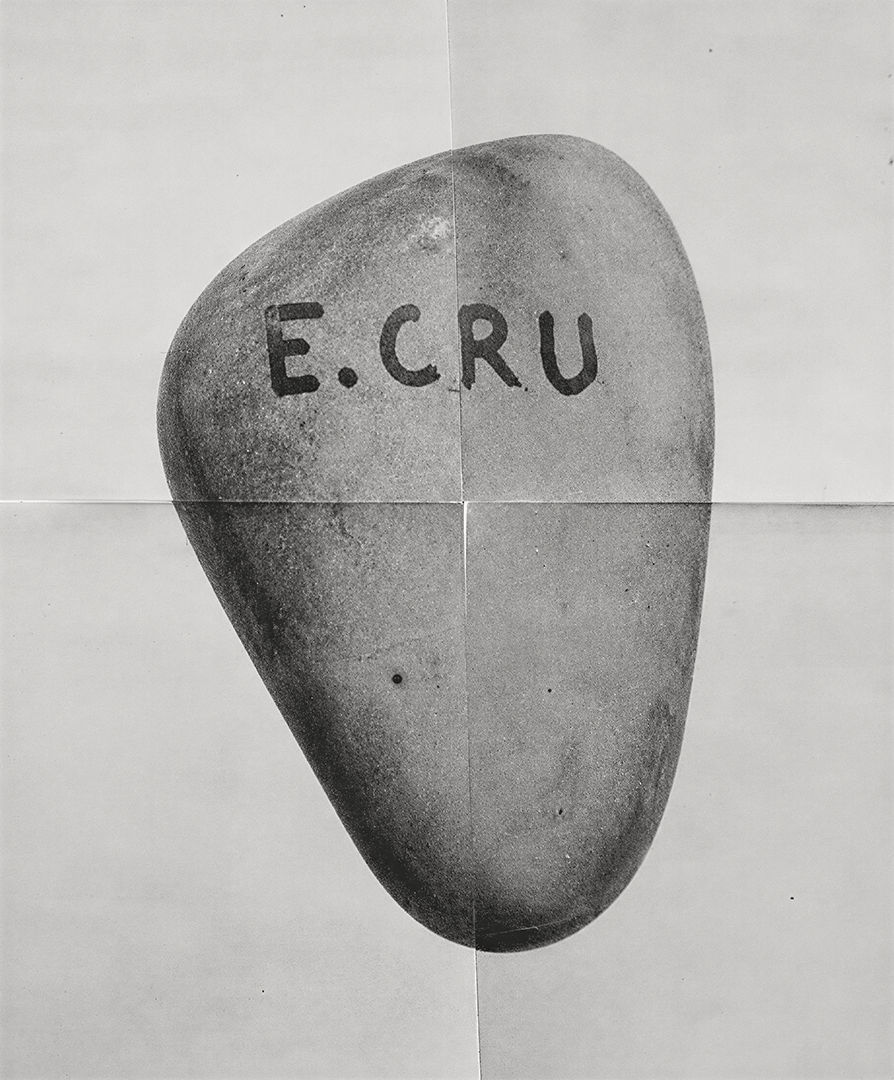
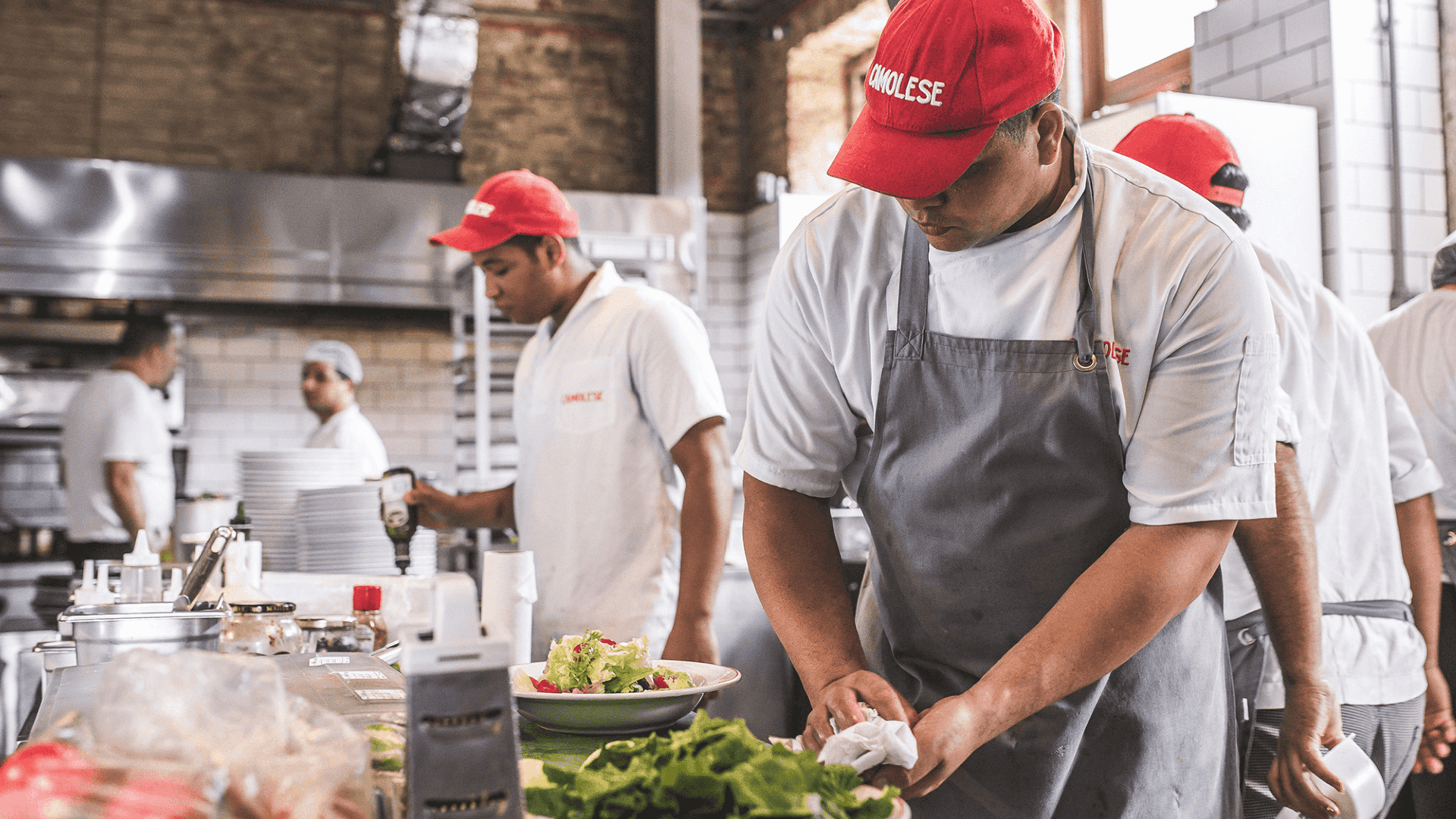
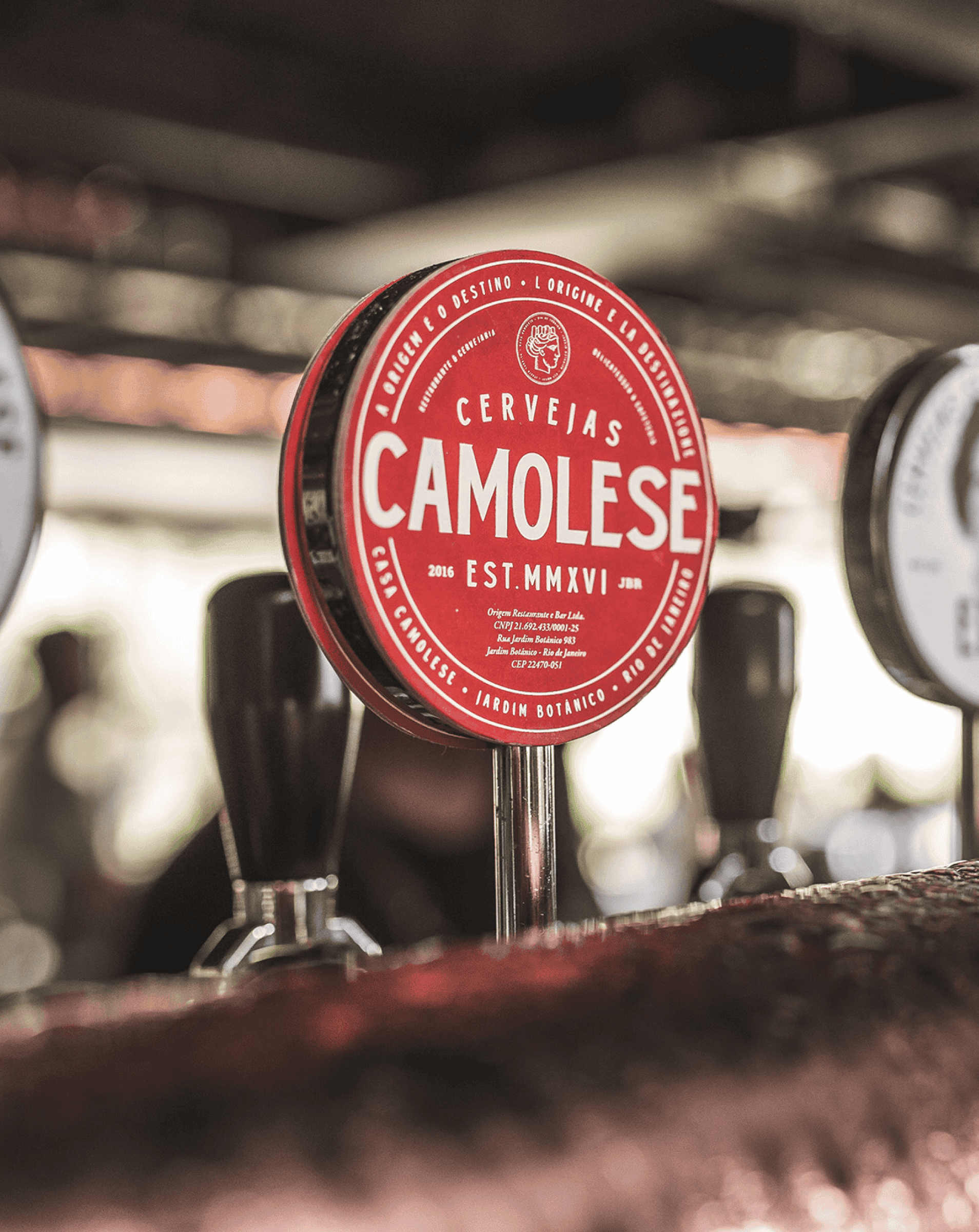
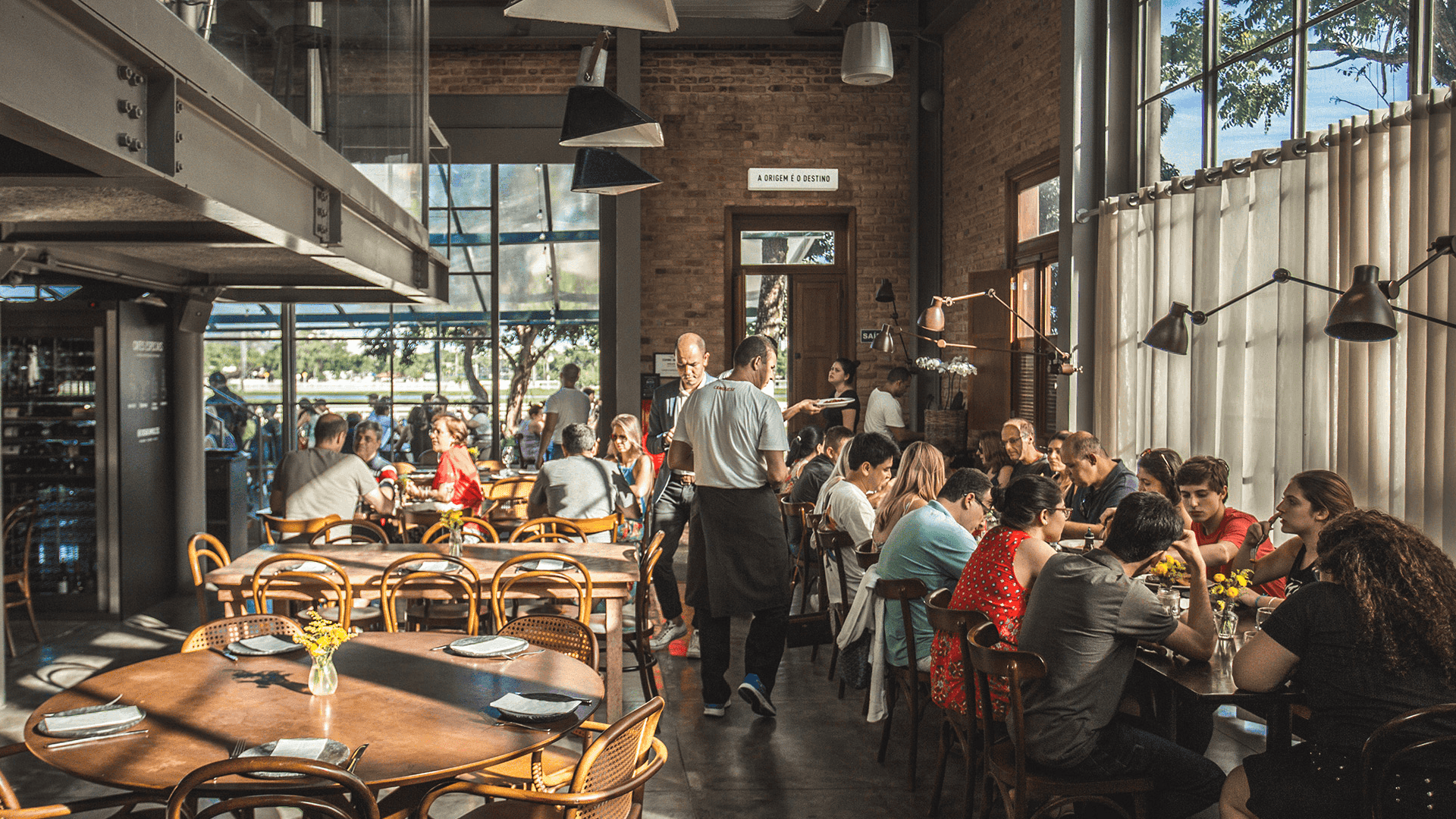
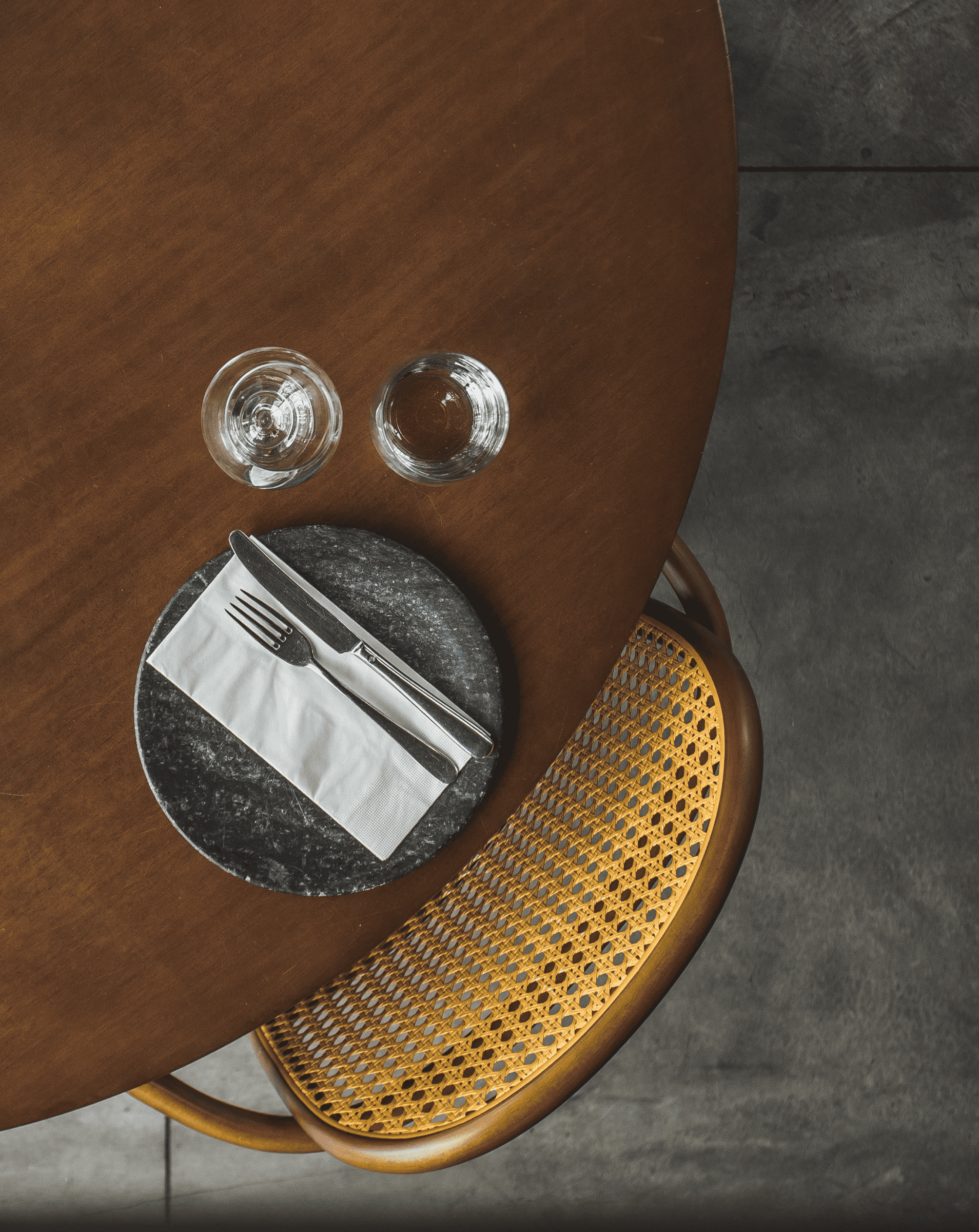
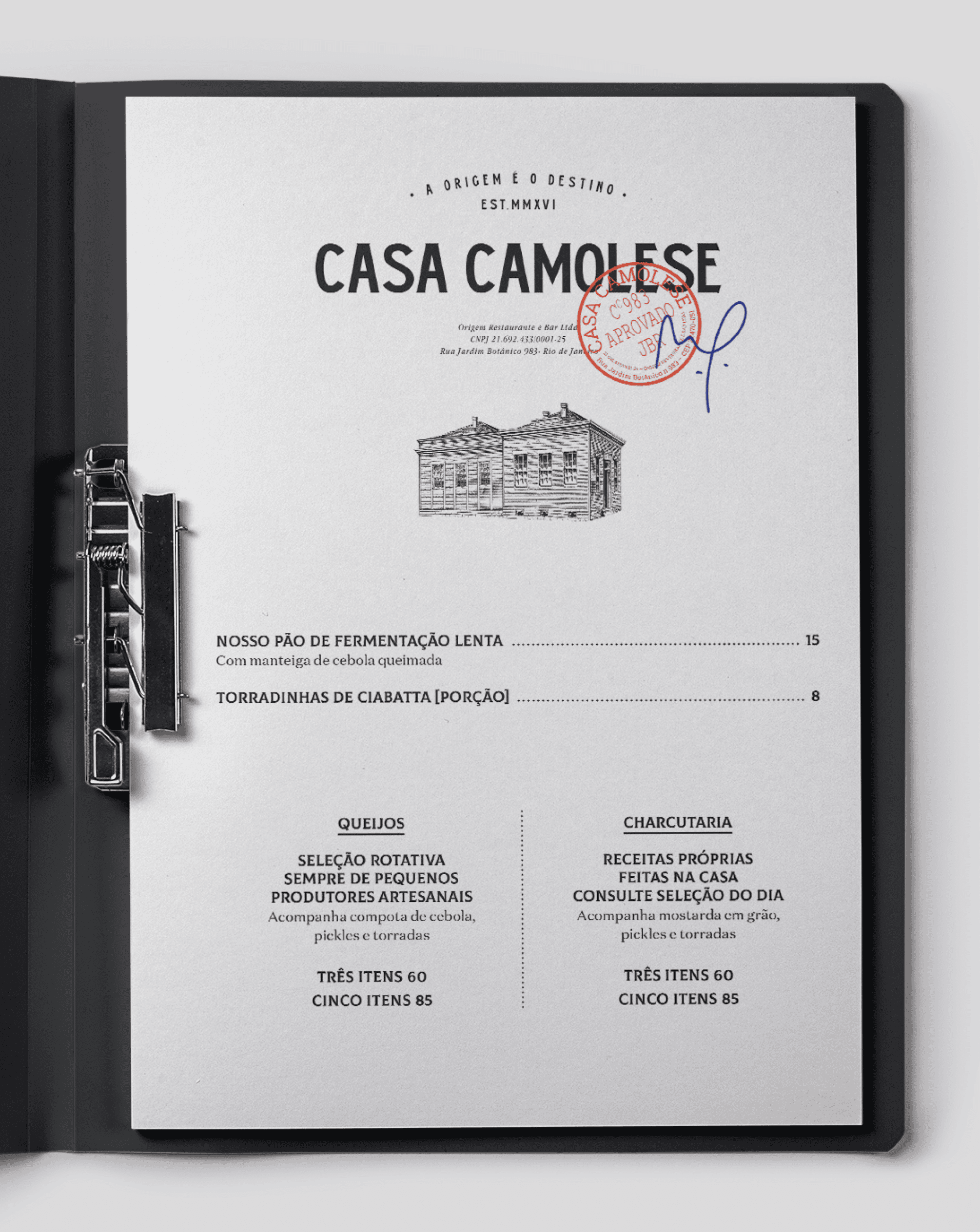
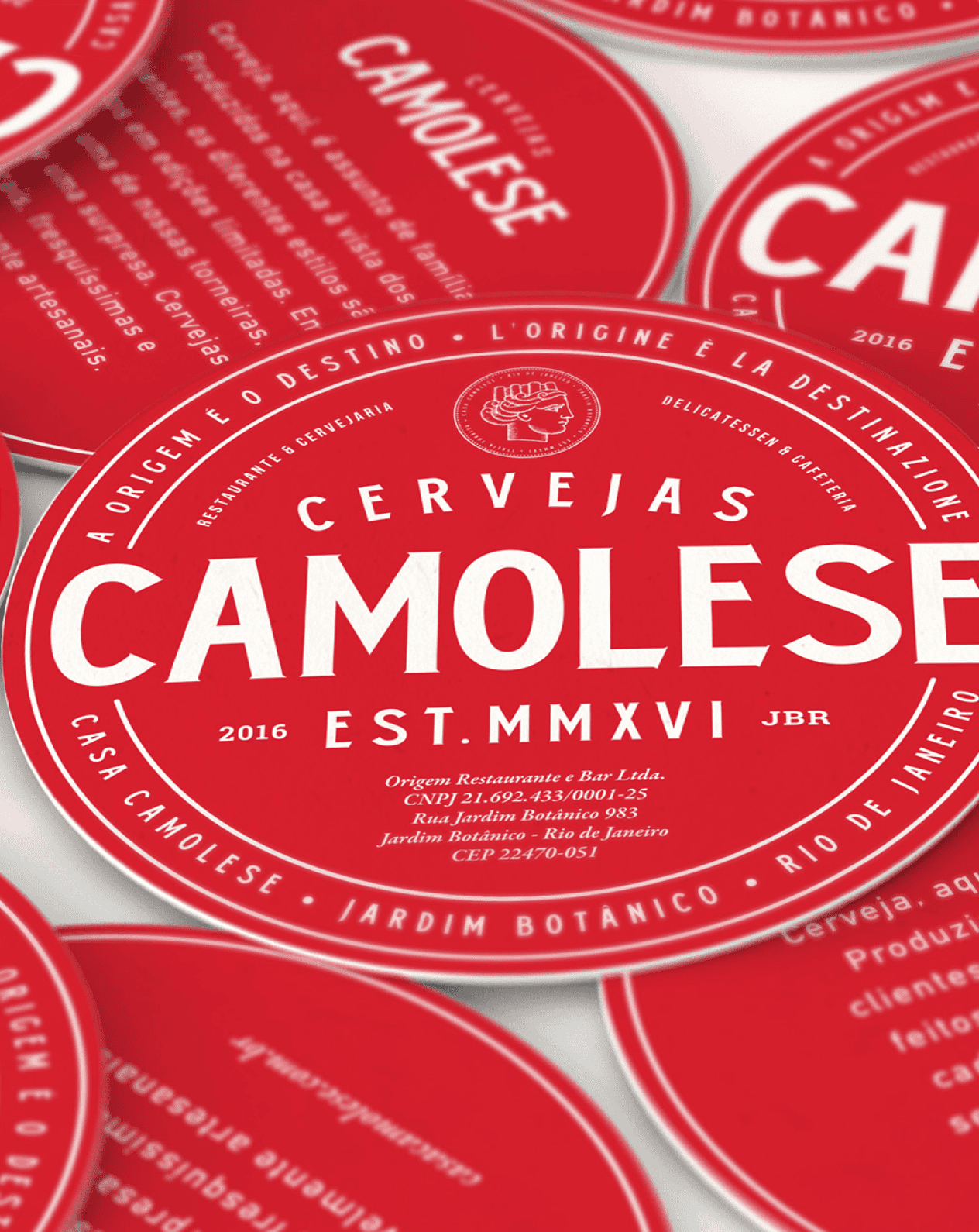
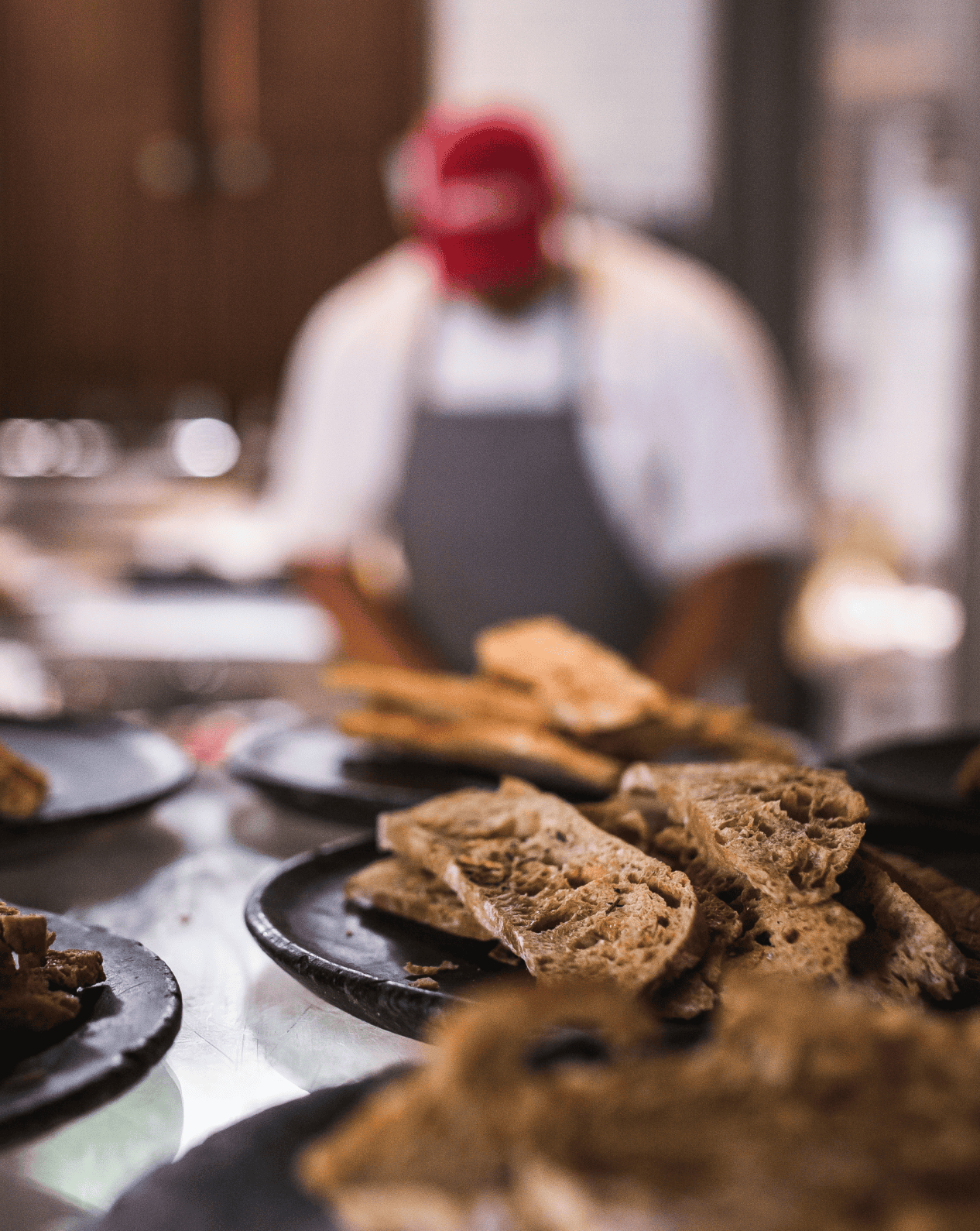
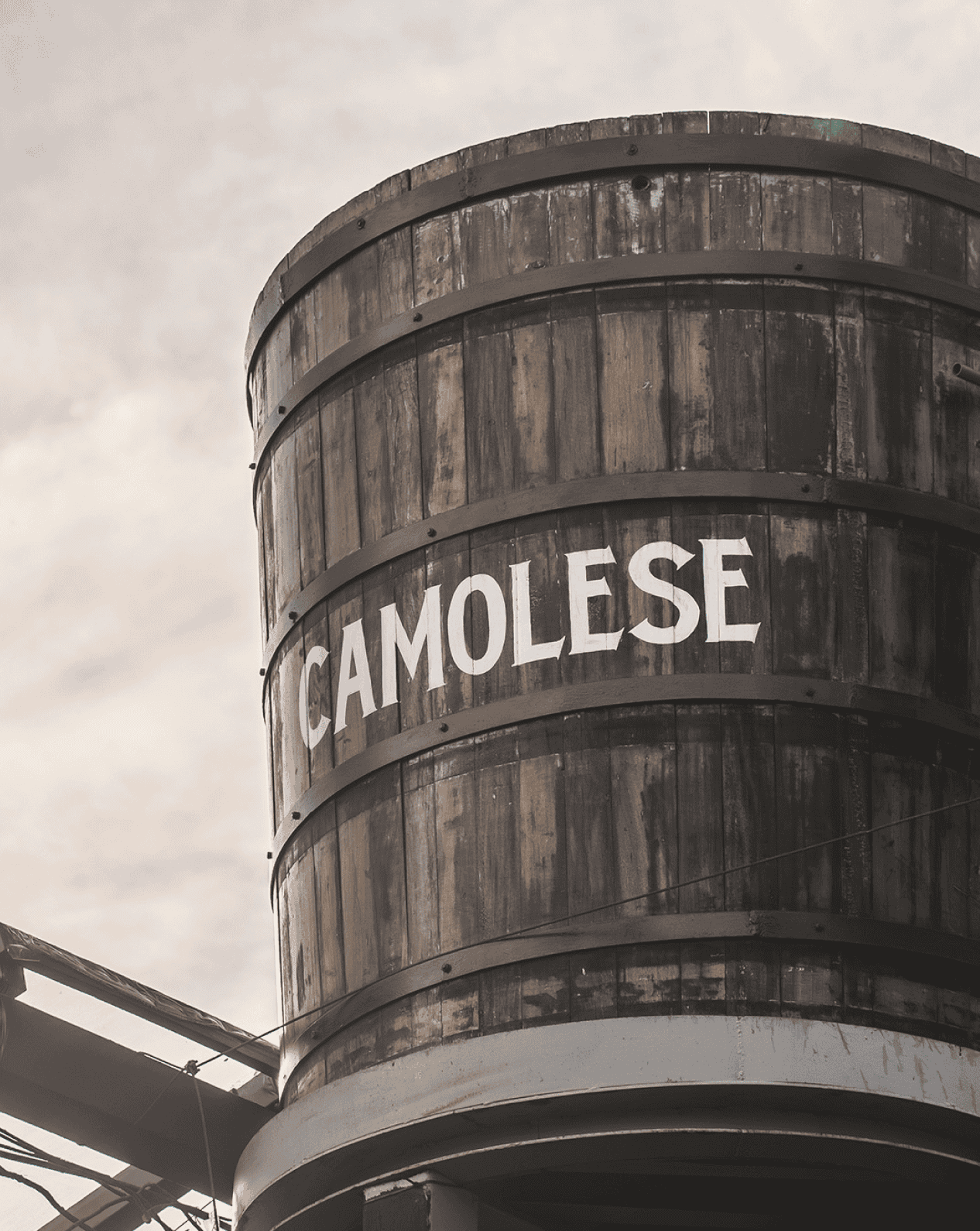
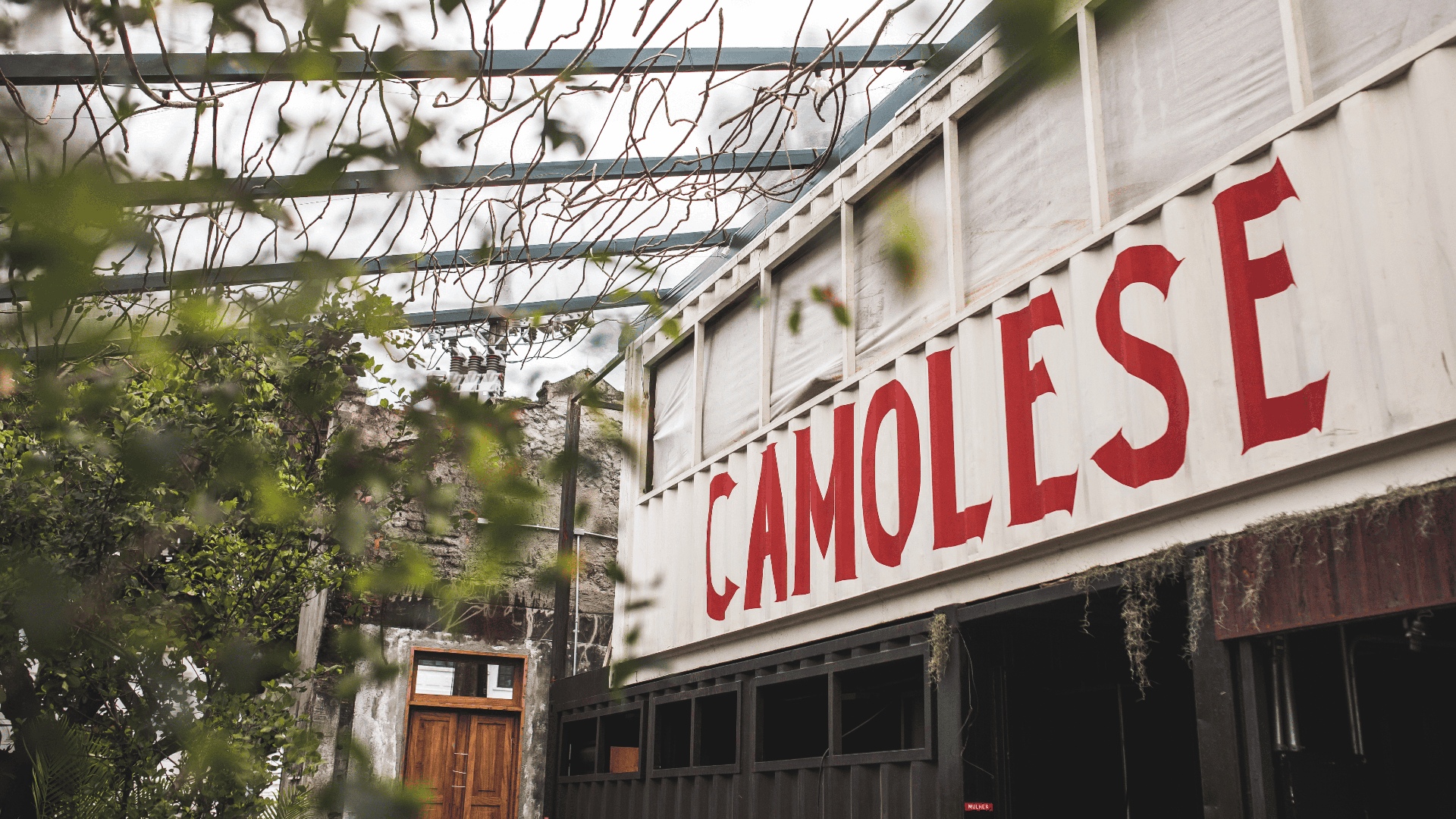
Casa Camolese brings together different ways of experiencing the city at a single address. Behind a heritage-listed façade, a restaurant, craft brewery, high-end cocktail bar, delicatessen, and music program coexist. We worked with Casa Camolese from the very beginning, when there was nothing but the site. Over four years, we were involved in building the entire brand experience: from branding and visual identity to plates, glasses, uniforms, stationery, and the space’s communication. The identity combines the house’s Rio atmosphere with the imagery of vintage Italian beverage labels, vermouths, aperitifs, and classic bars, where design—like the drinks themselves—carries a whole tradition. The result is a distinctive, balanced language: a system inspired by the Italian graphic tradition but created for an essentially Rio setting.

Botton turns small habits into possible paths toward well-being. It is a brand that brings health, affection, and awareness together to care for oneself, for others, and for the planet without resorting to promises of immediate change.
Toriba brings together research, culture, education, and social innovation to imagine possible futures. It is a meeting place for people and narratives that understands collective imagination as a tool for transforming the present. For the project, we developed a new visual identity, a website, and a manifesto film that express this continuum.
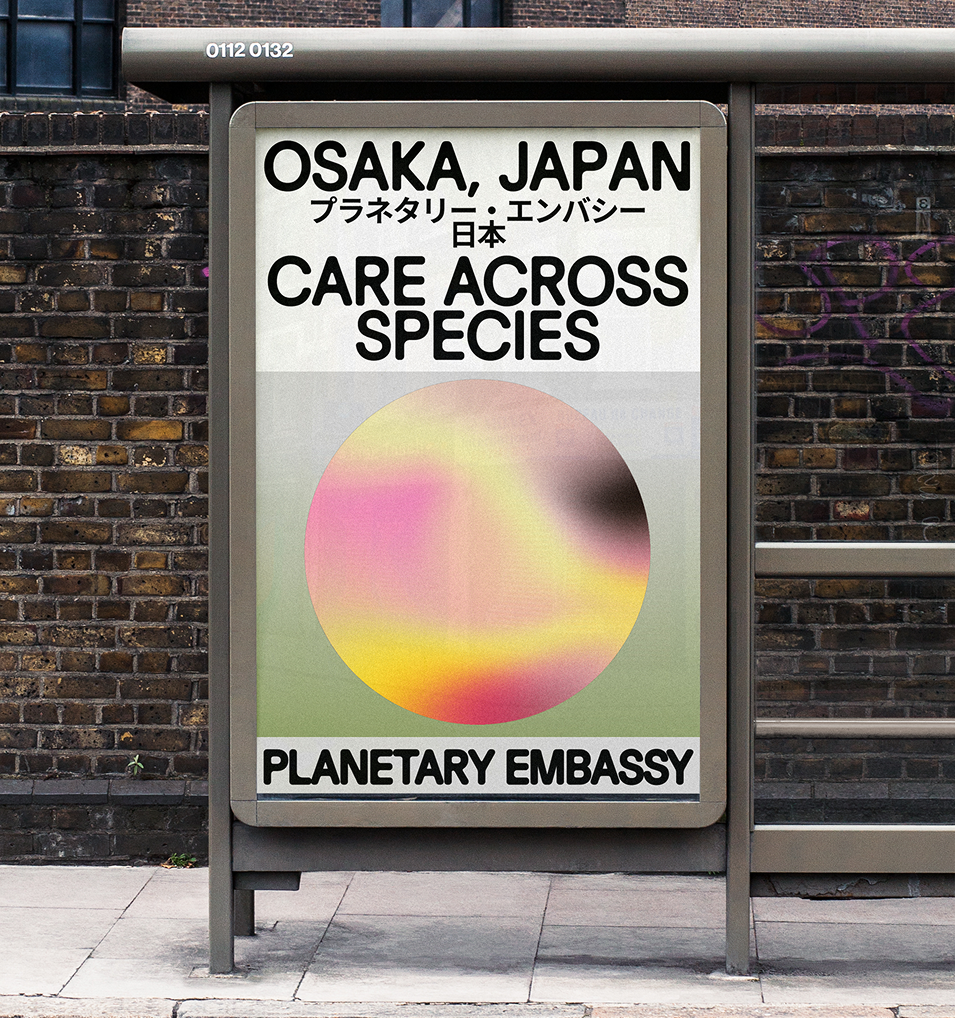
Planetary Embassy imagines a form of diplomacy between humans, nature, and other living forces. In Belém, New York, Tokyo, and other territories, art, science, technology, and Indigenous knowledge came together in a space for listening, guided by patterns generated from natural sounds.
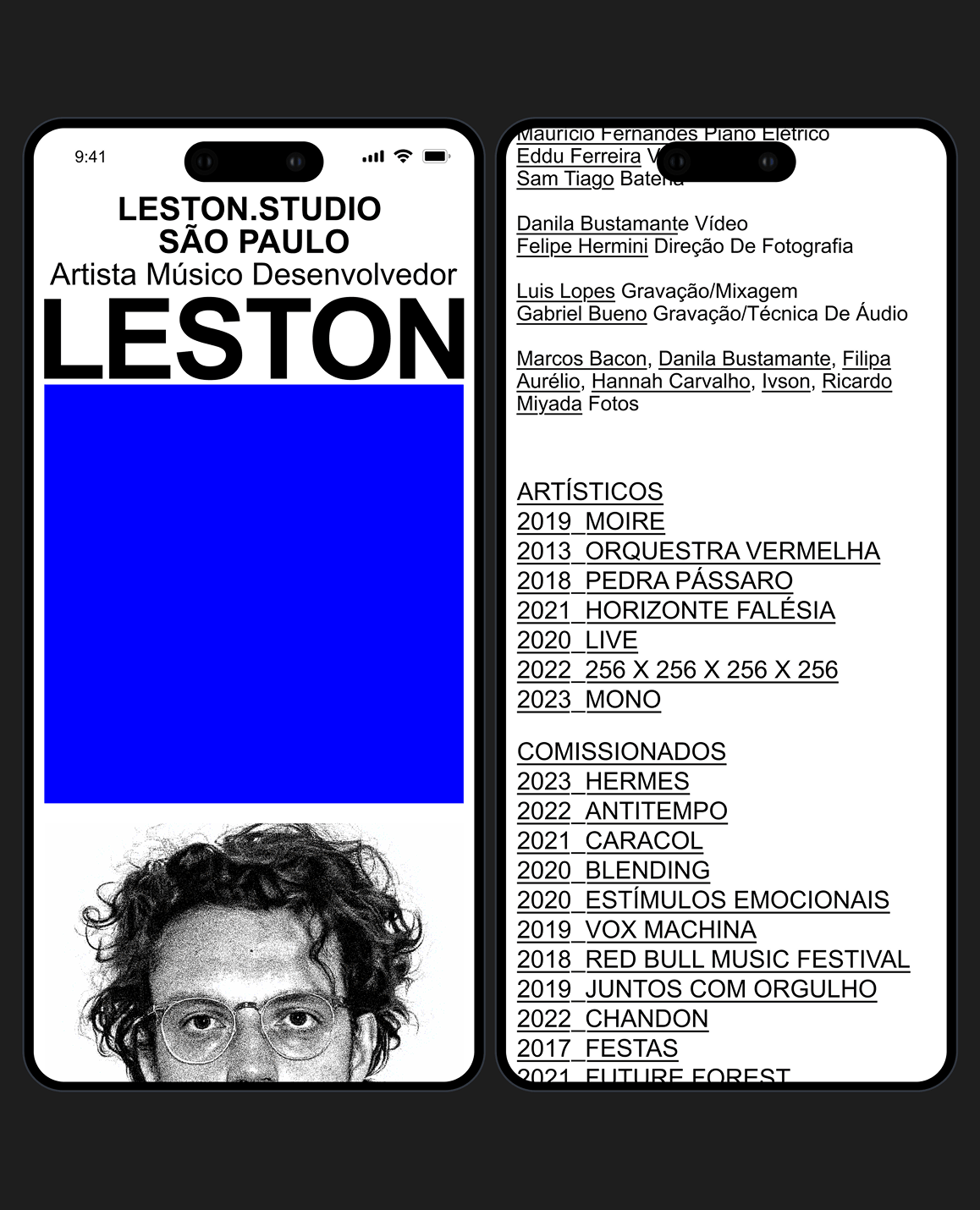
Leston investigates the relationships between sound, image, code, and permanence. In dialogue with his research, we developed a visual identity and website that bring the system to the foreground. There is an interval in the gap between error, the blue screen, and code, and it is within this unstable space, between control and failure, that the project comes to life.