Pretagonismos
Exhibition Design, Identity, Photography, Print
↗ Latin American Awards 2025
↗ Best of Behance
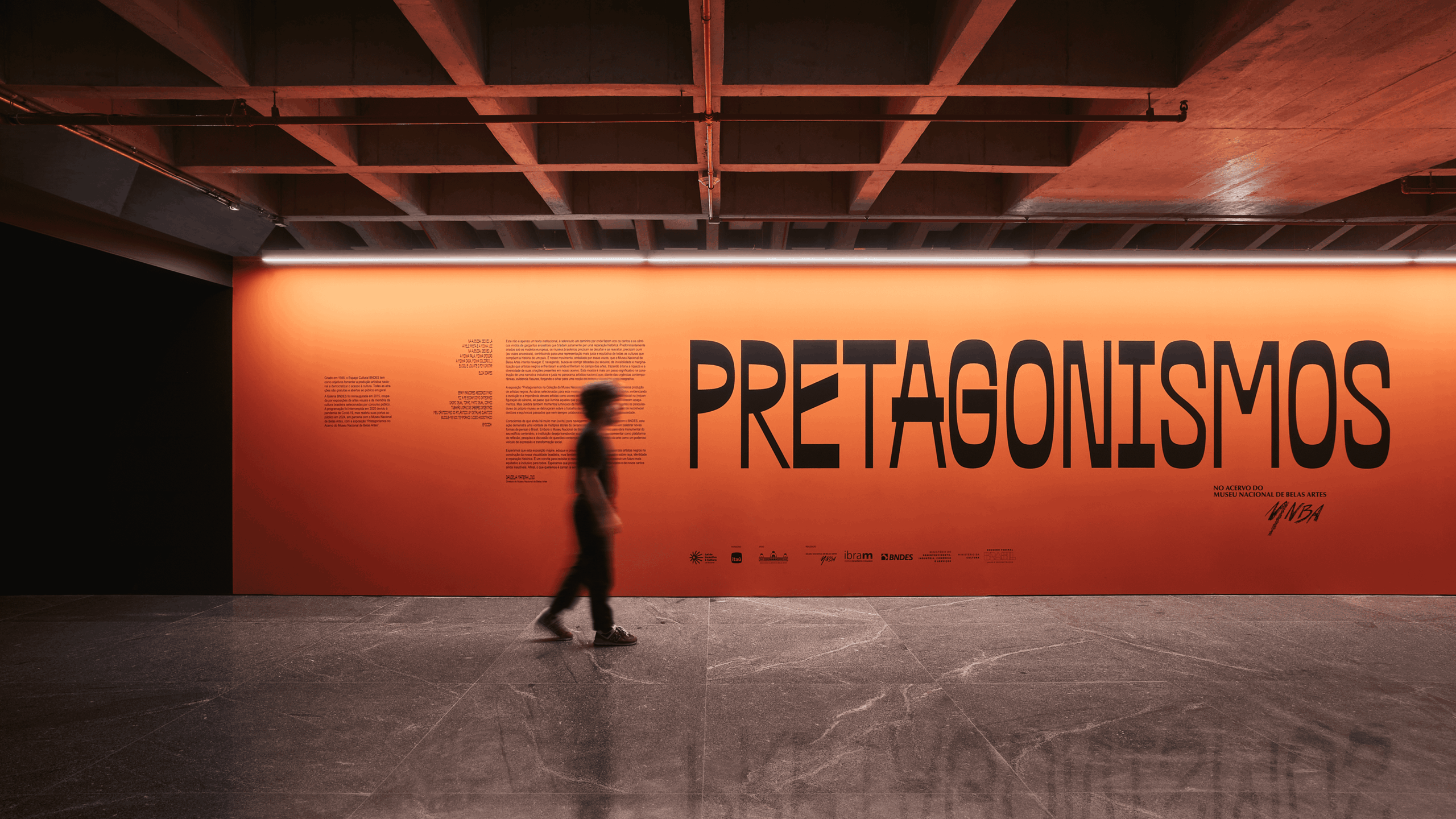
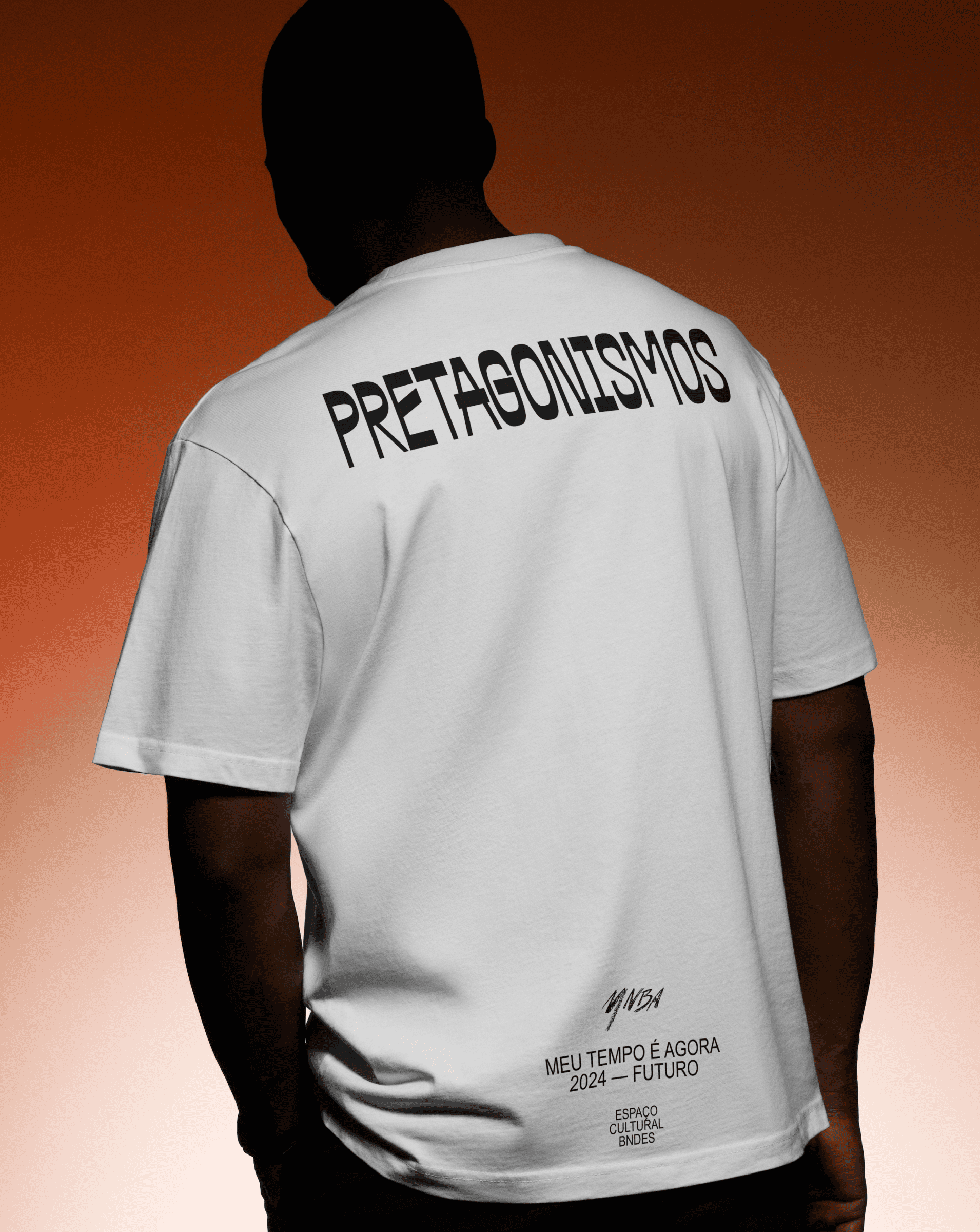
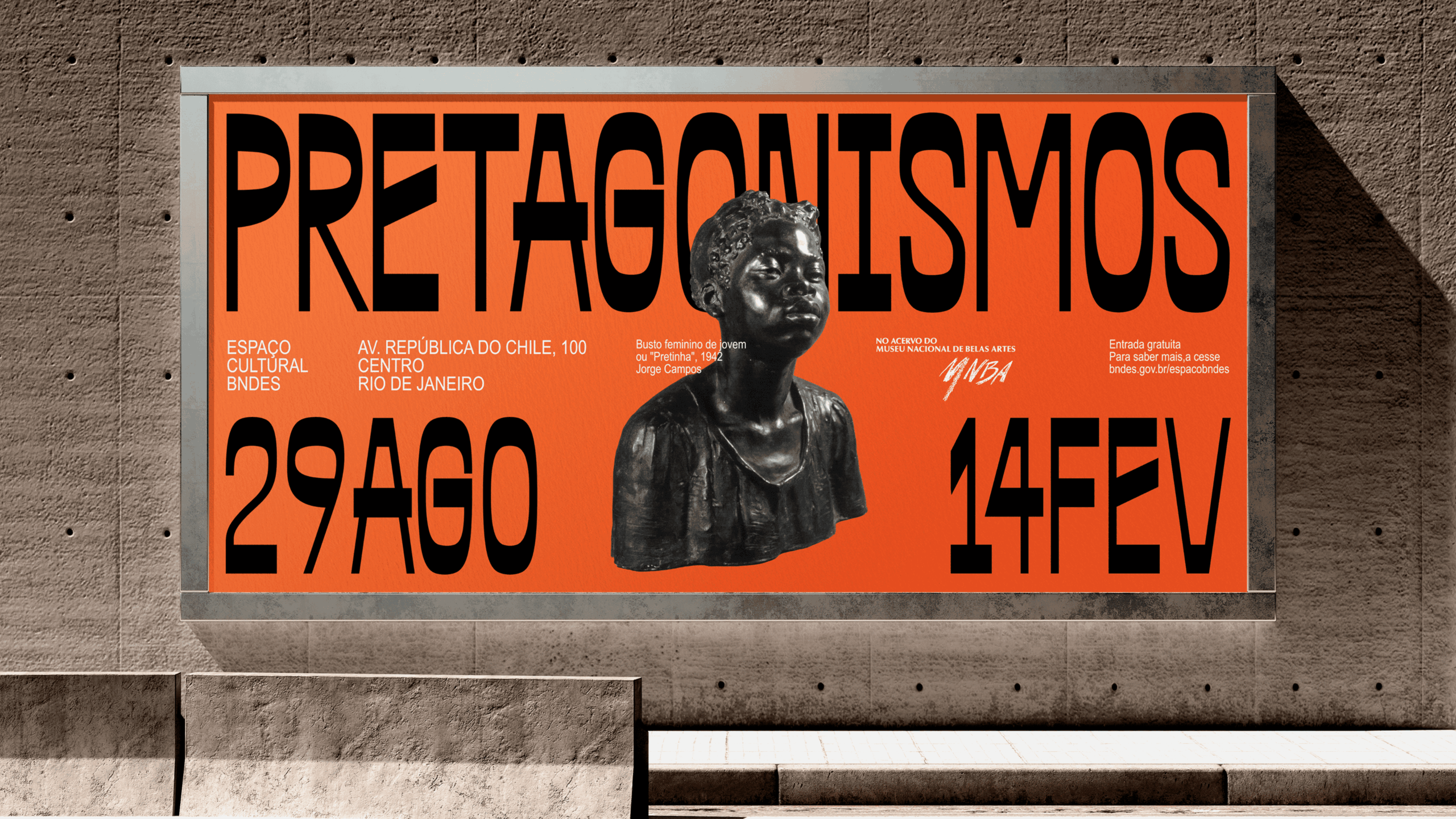
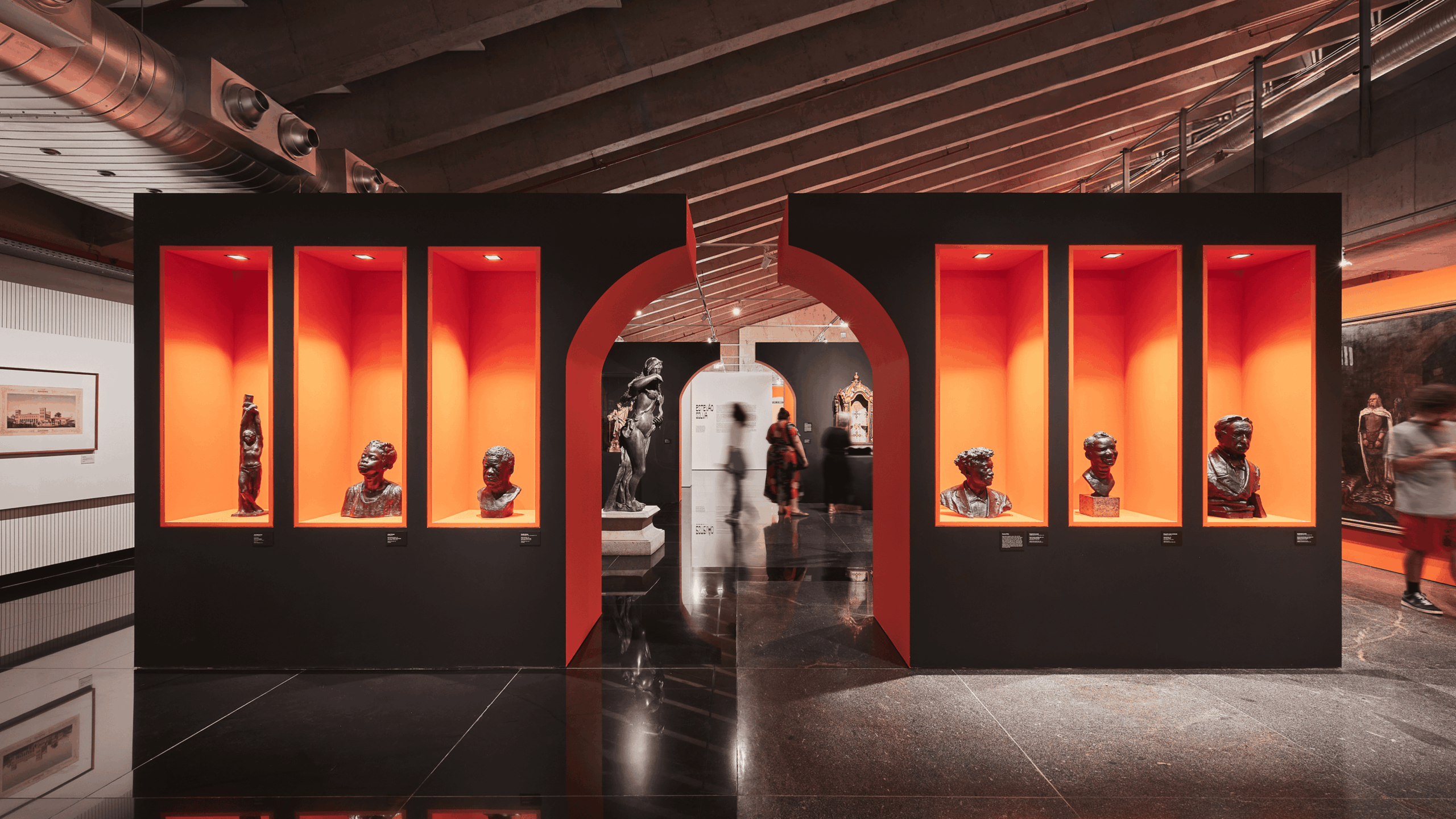
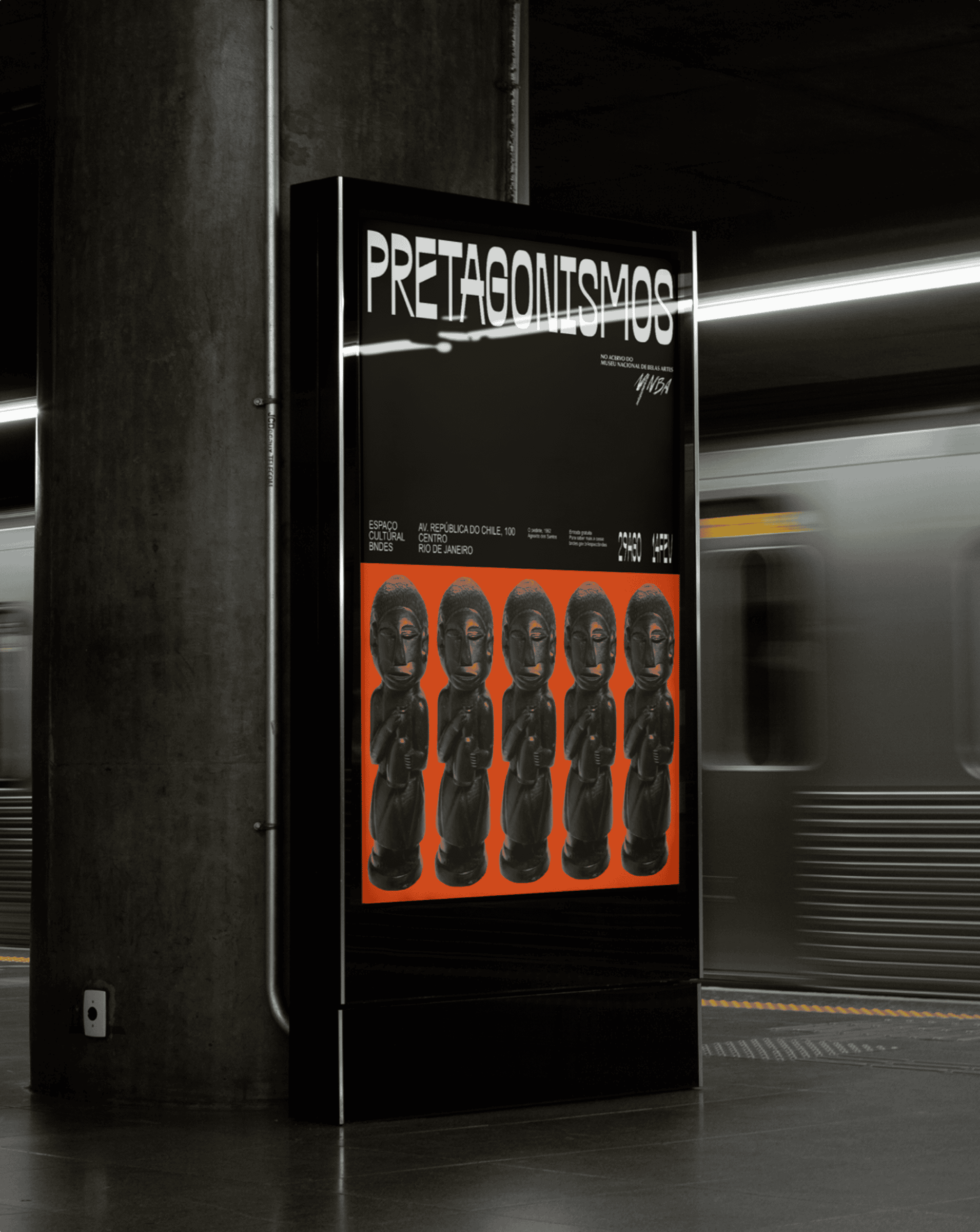
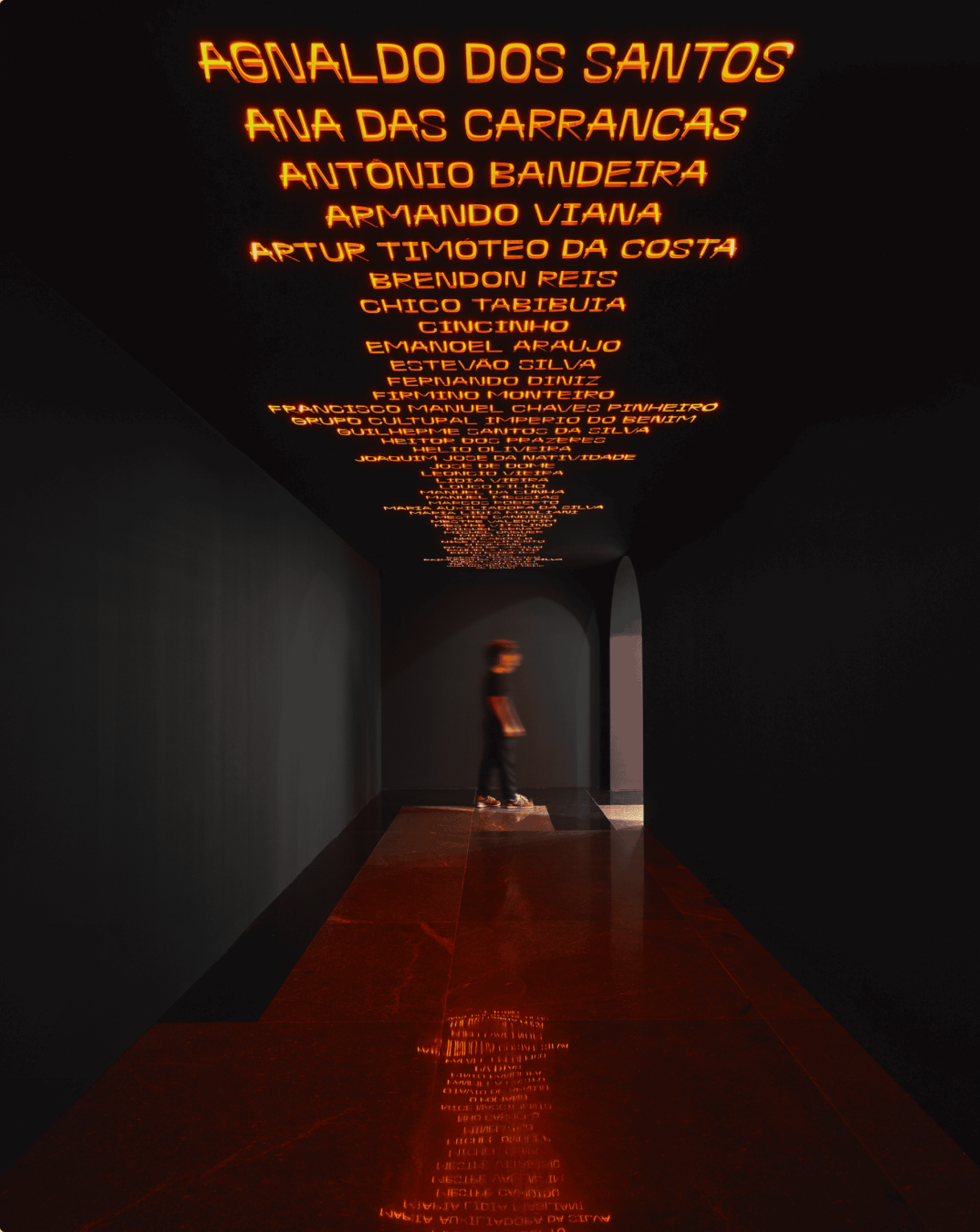
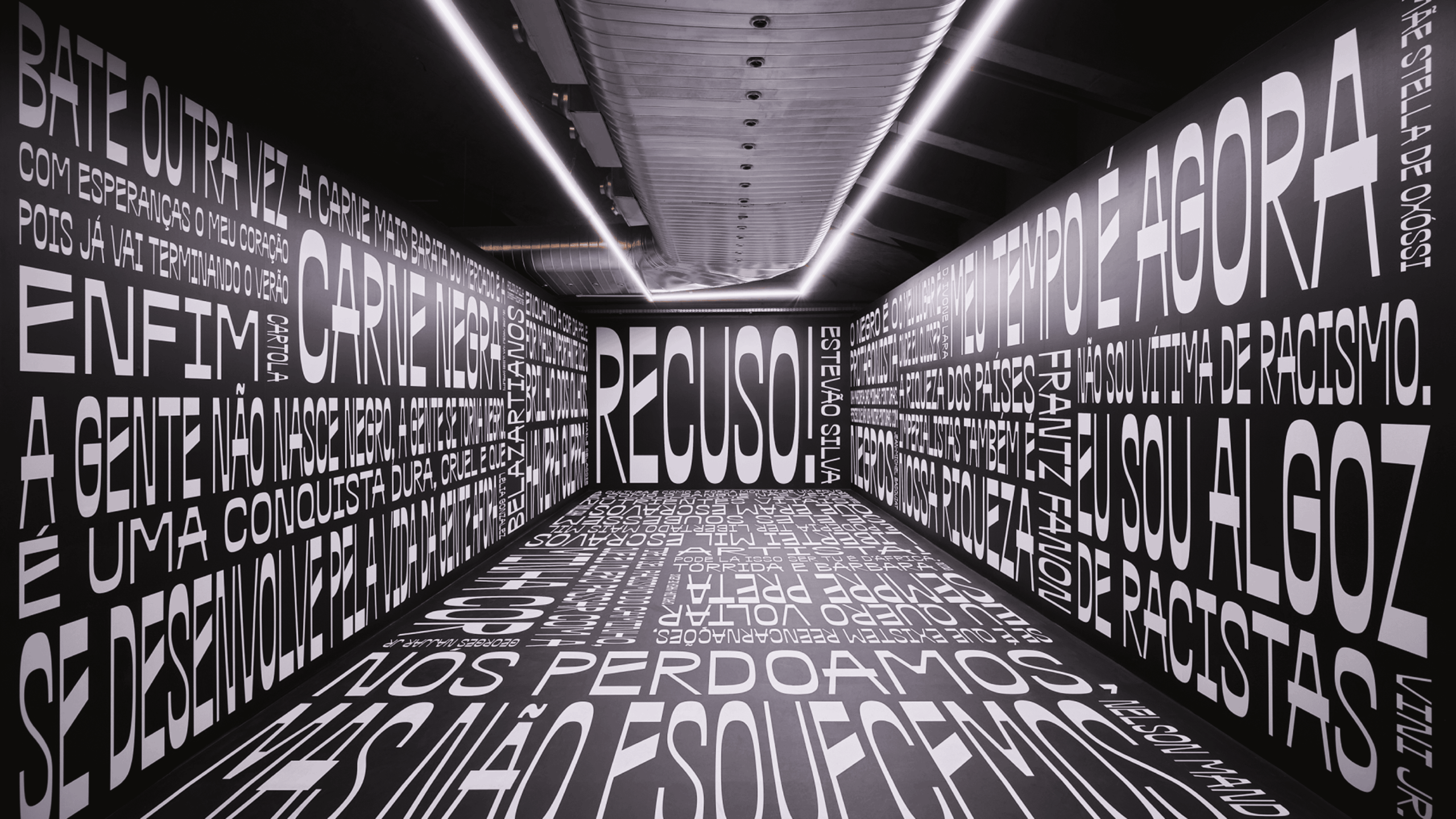
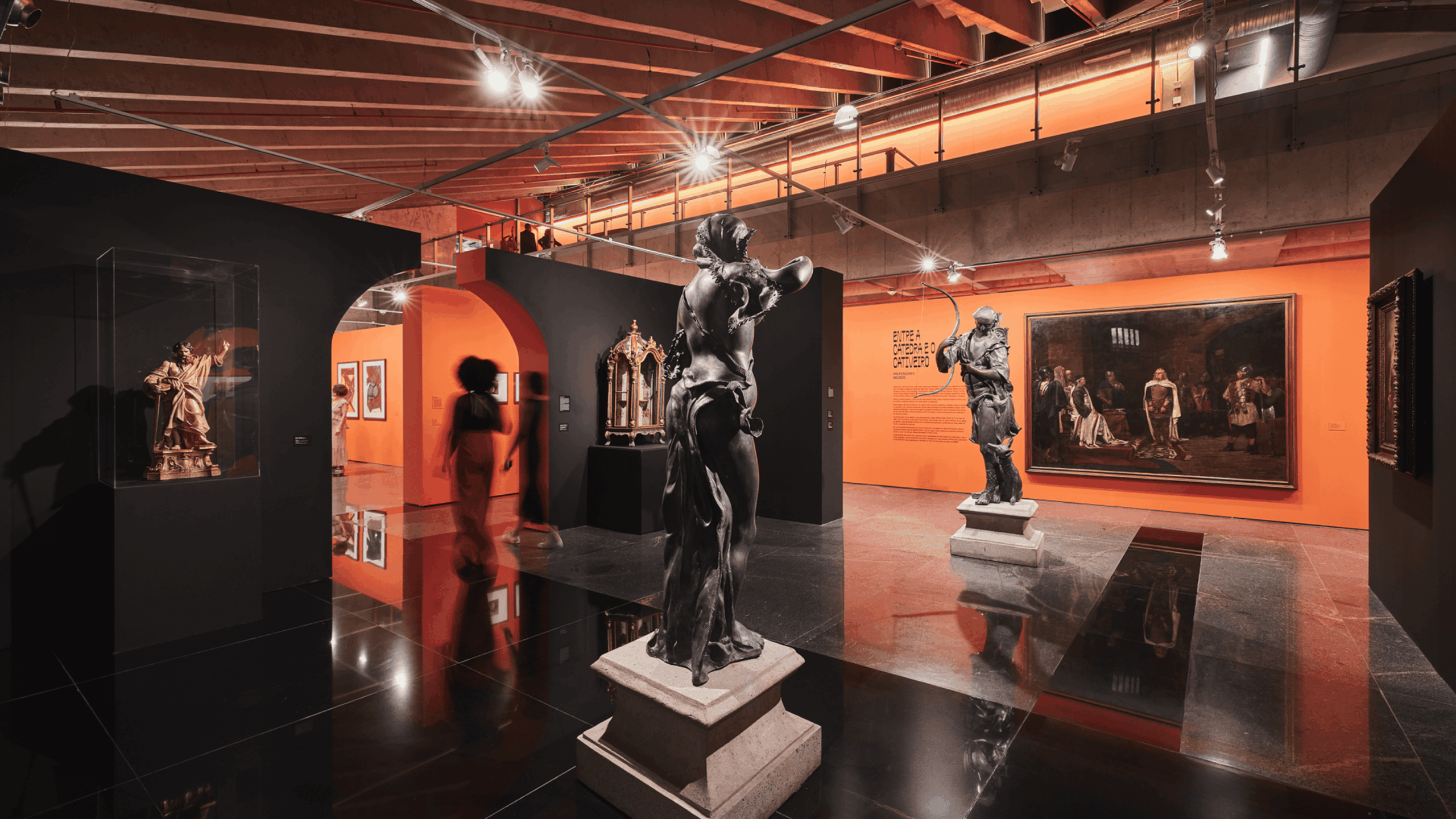
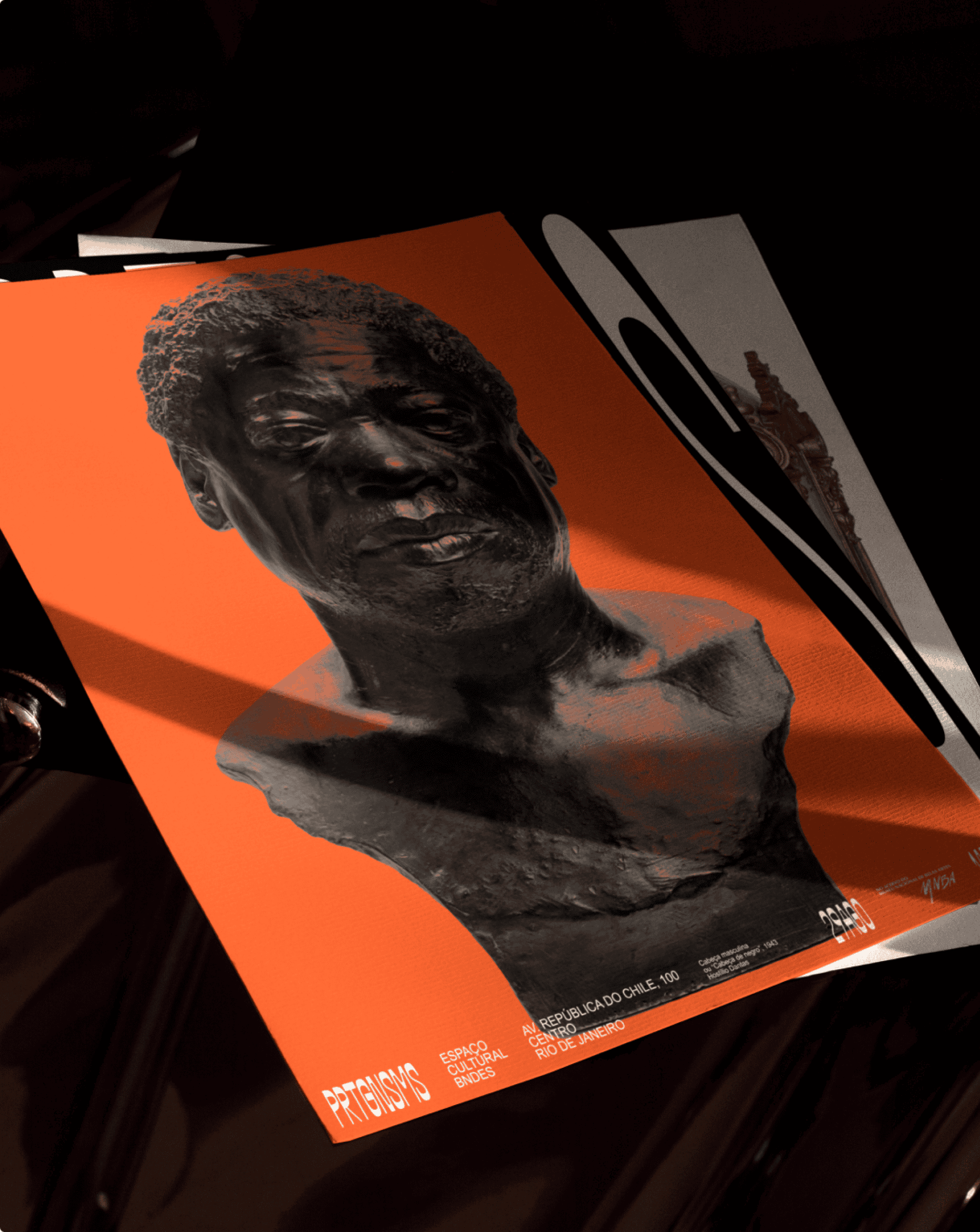
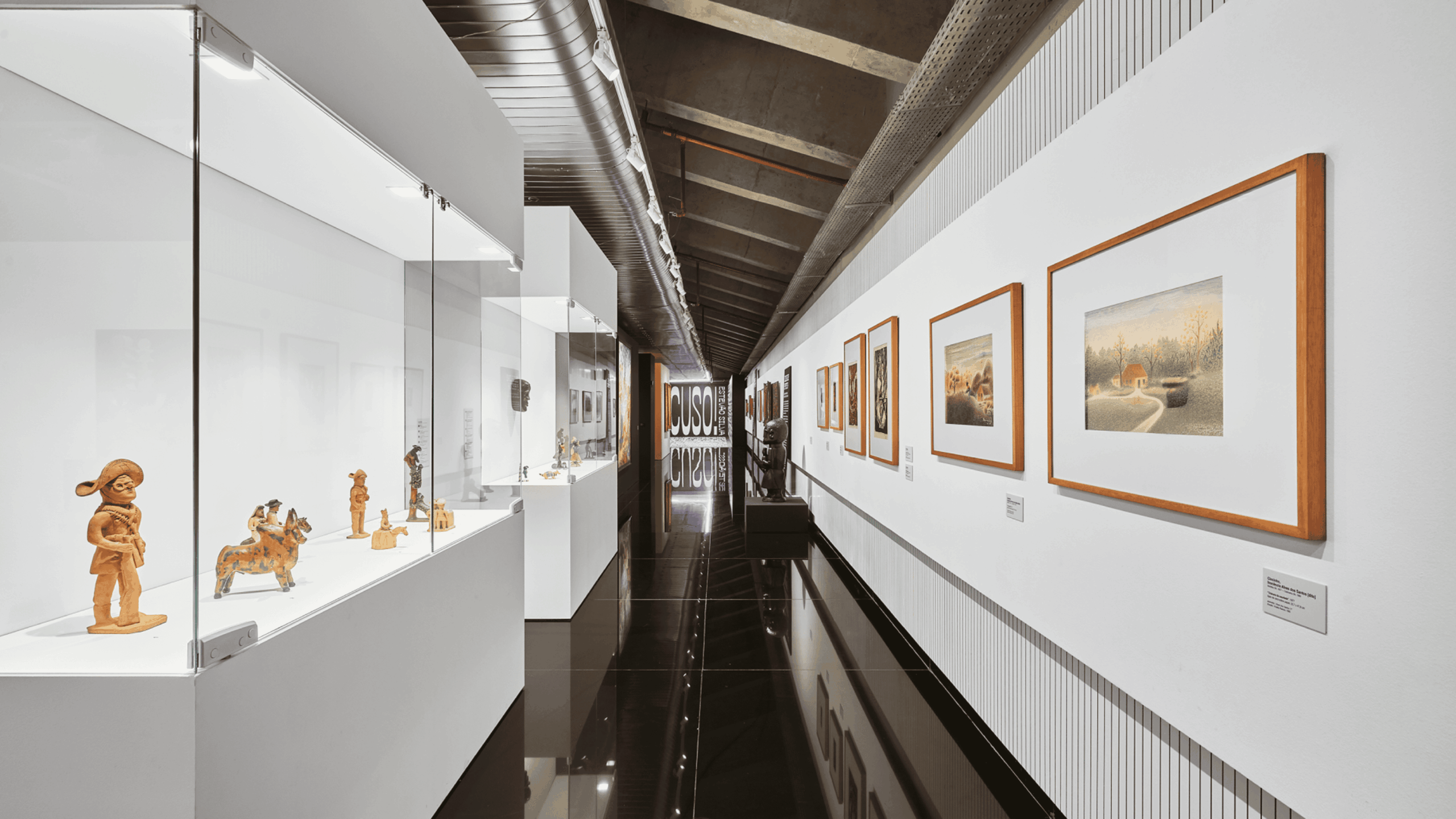
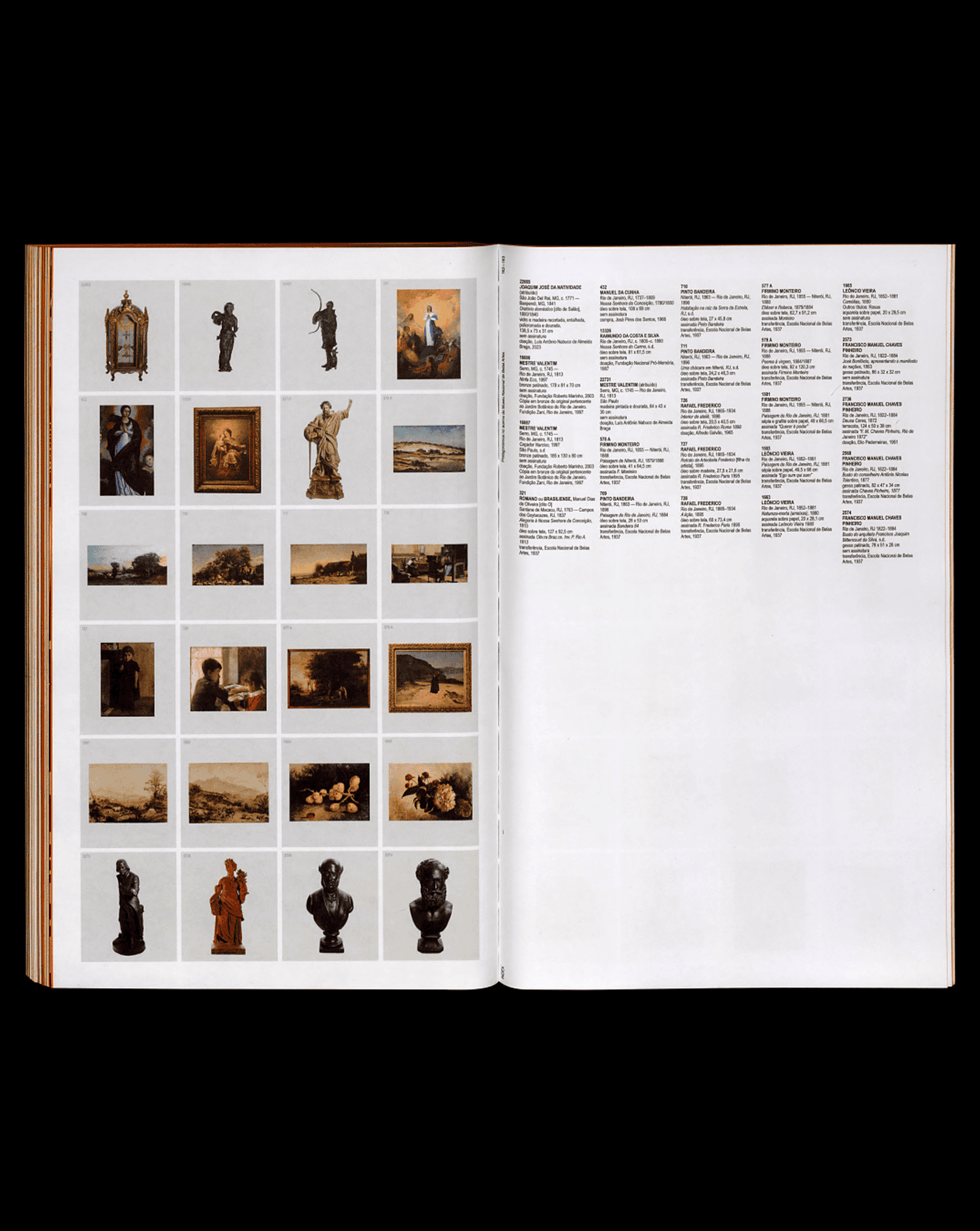
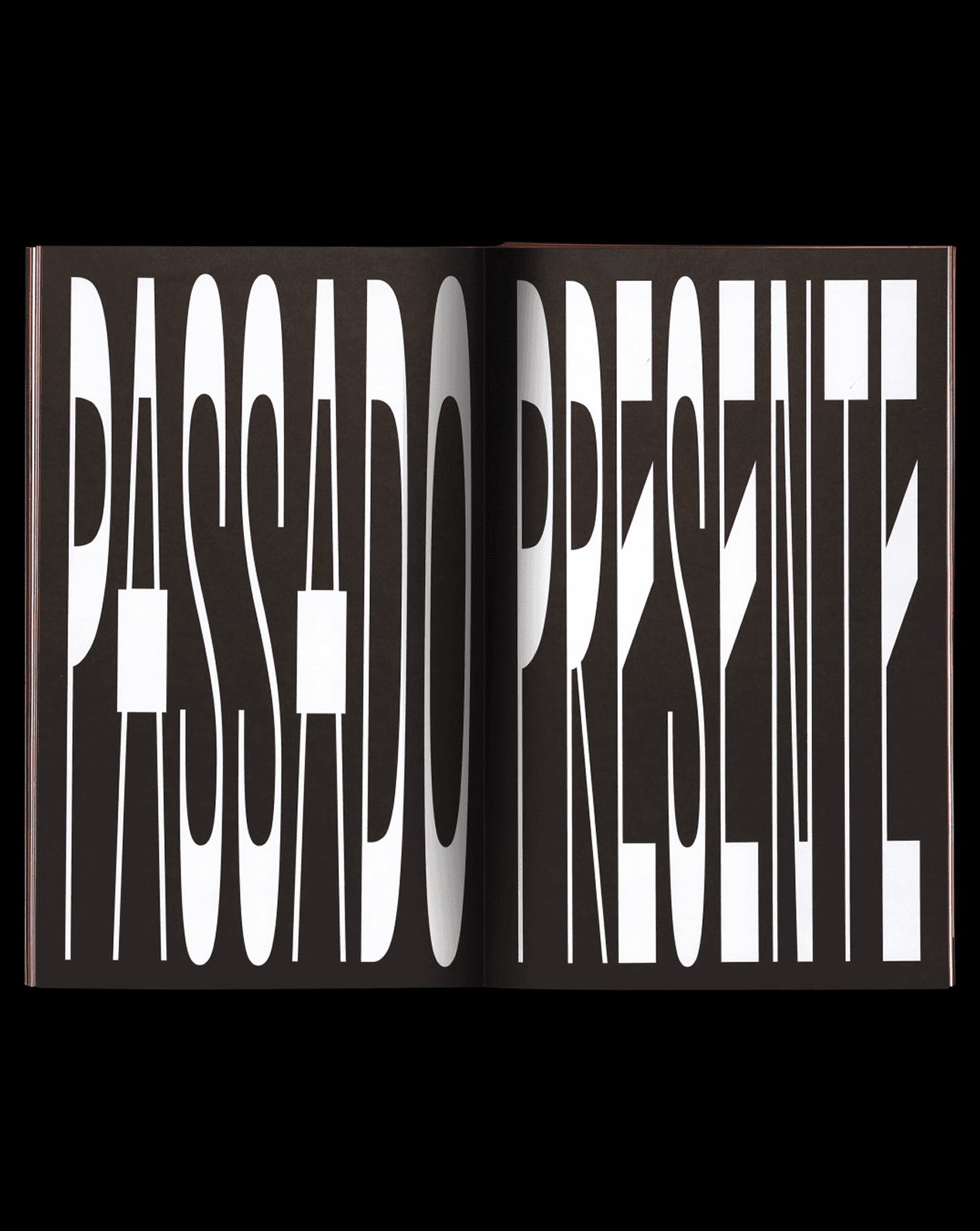
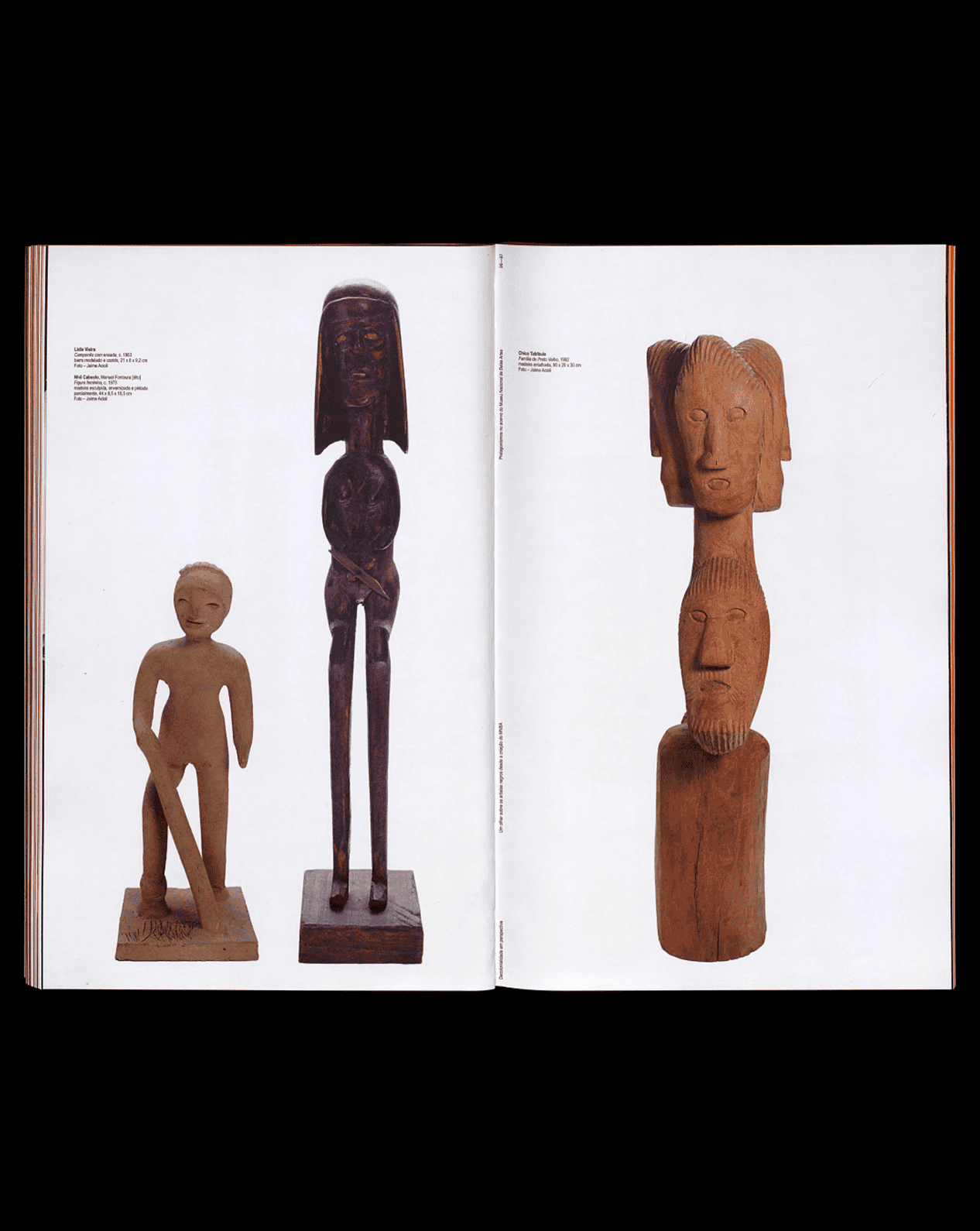
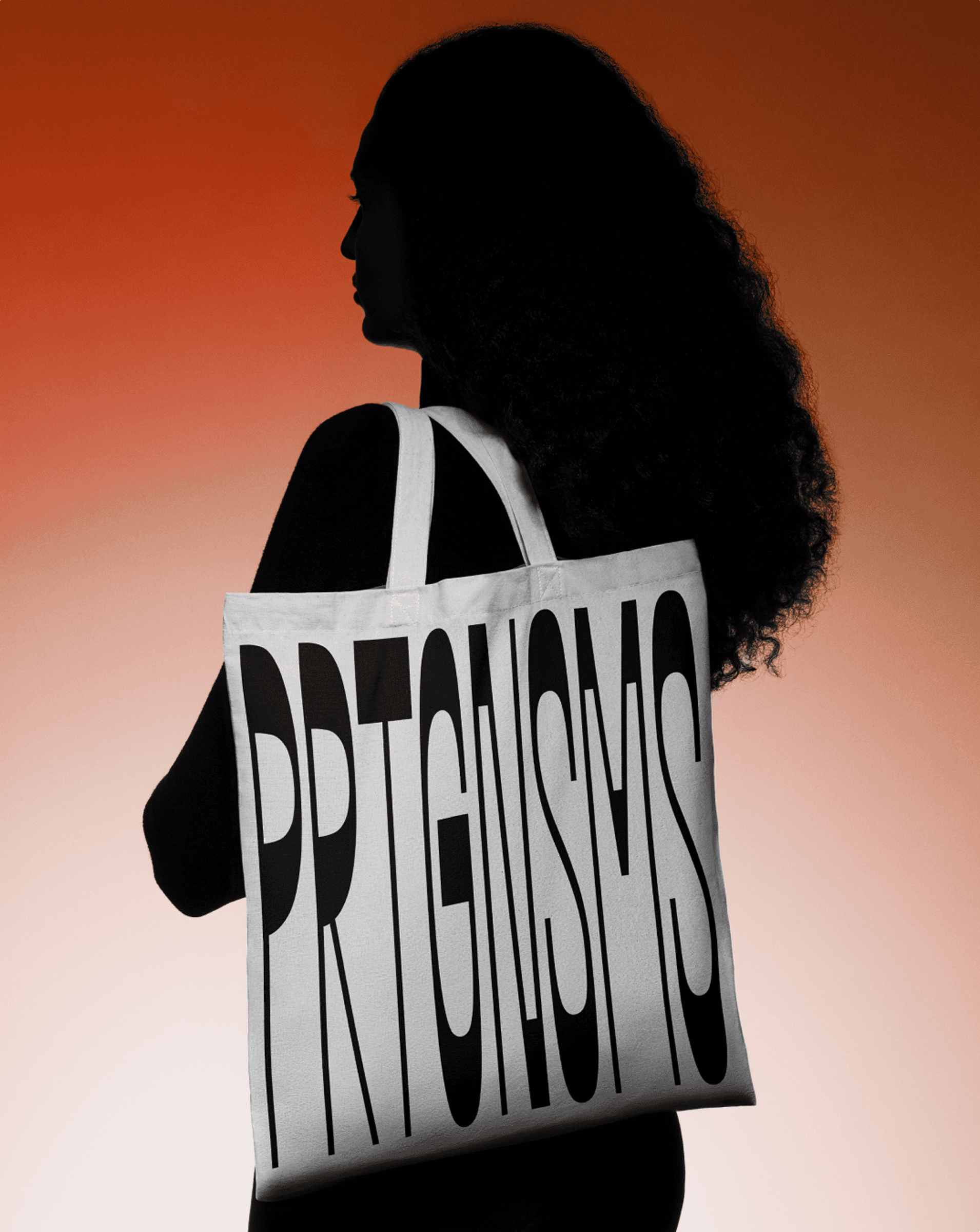
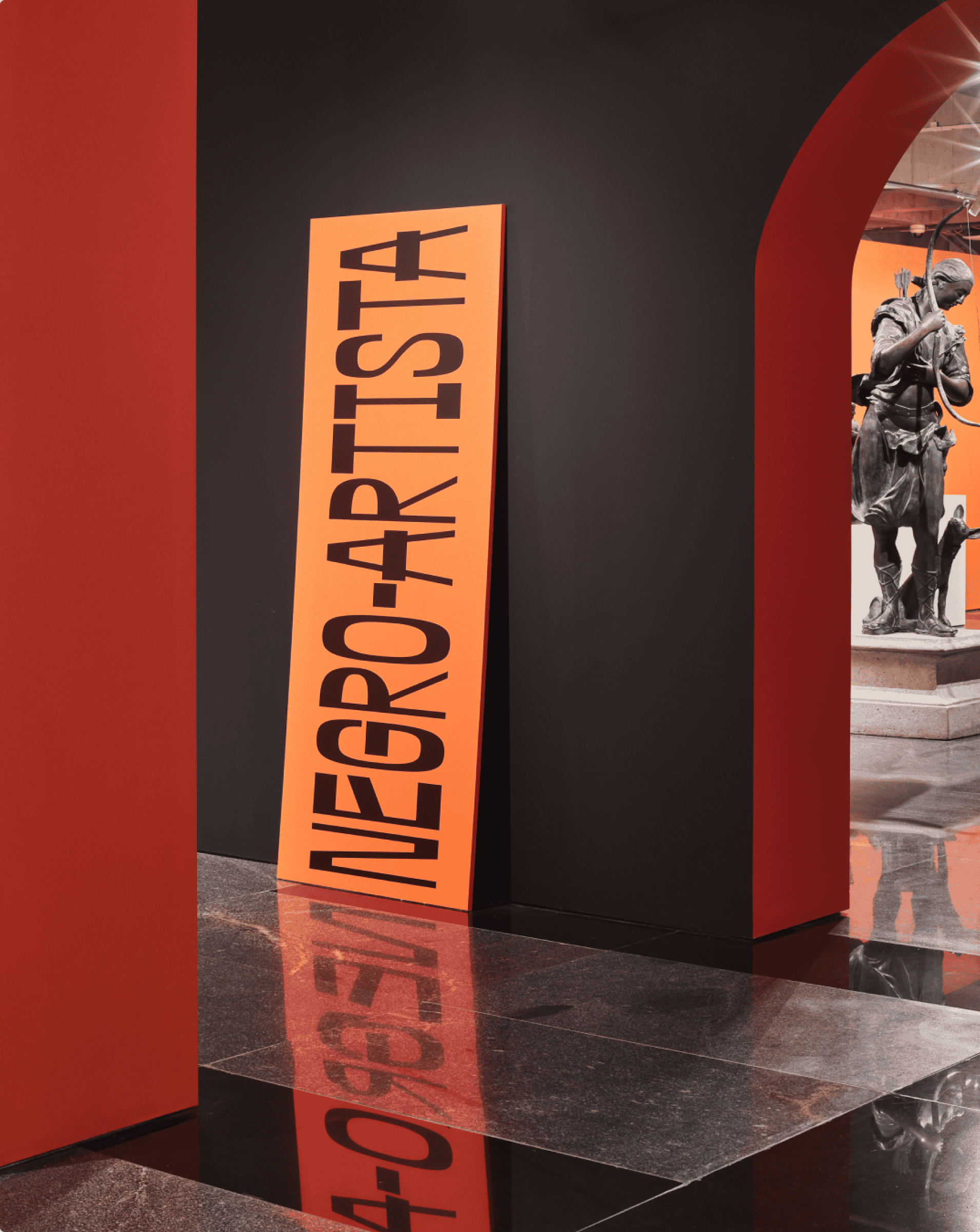
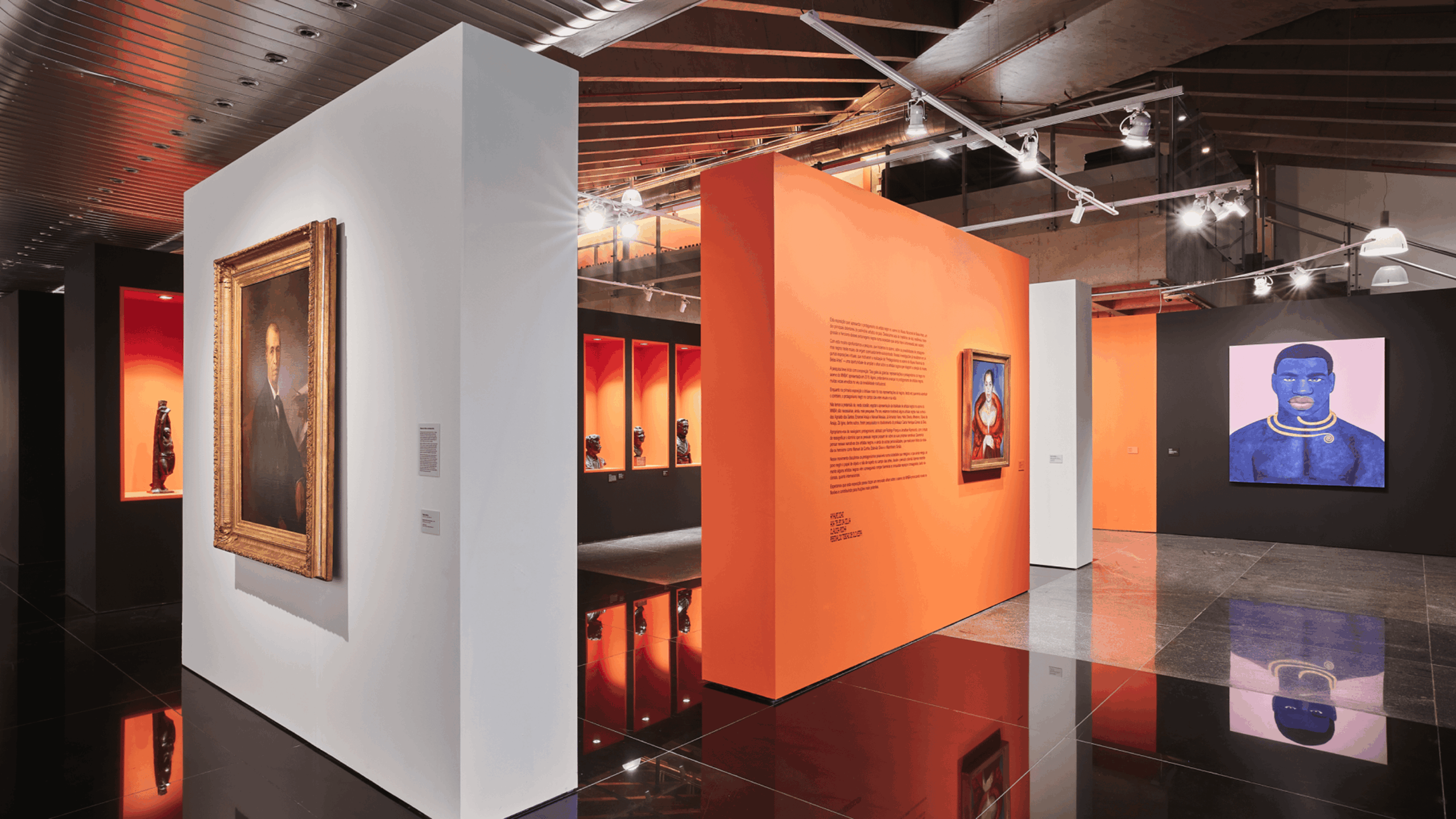
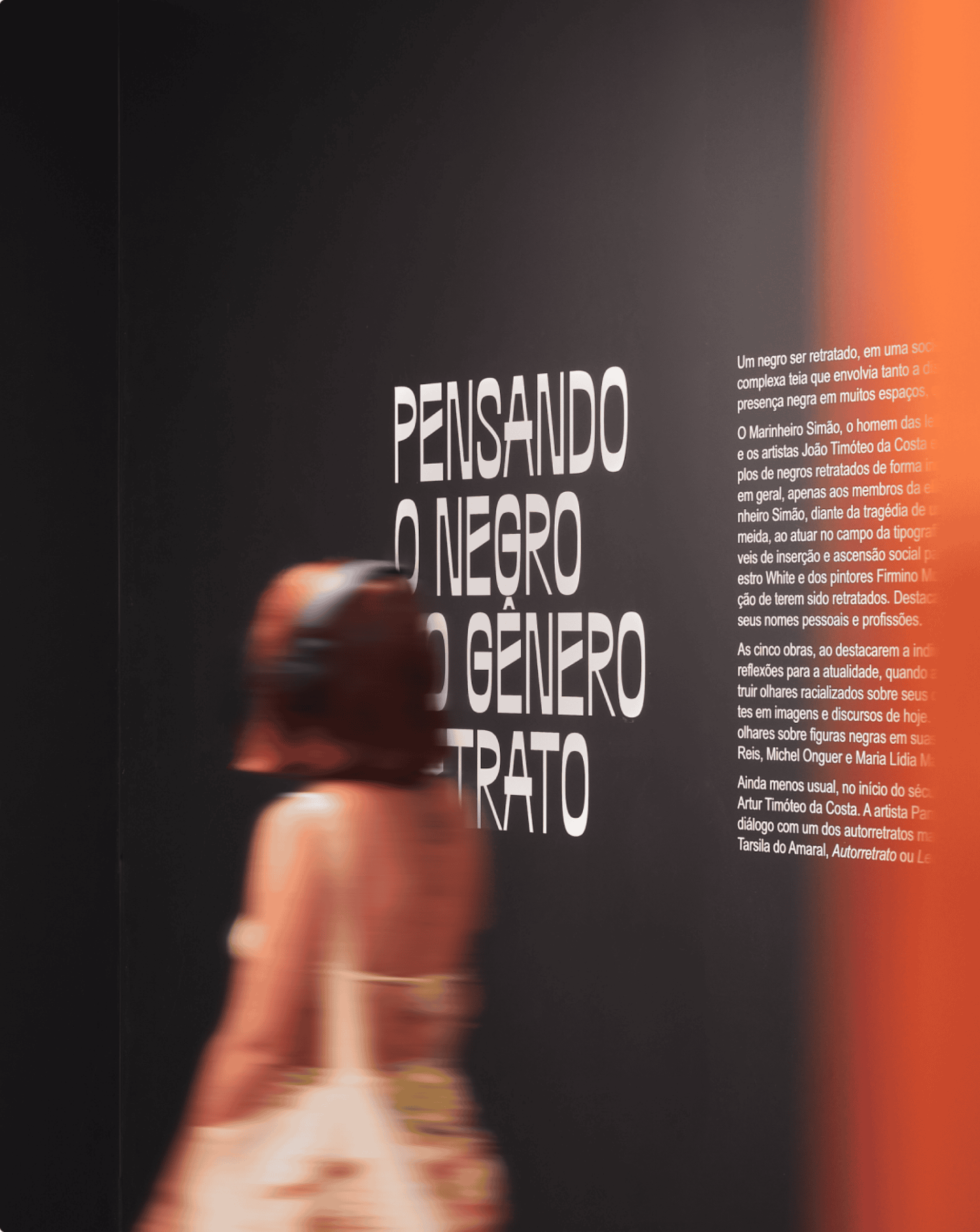
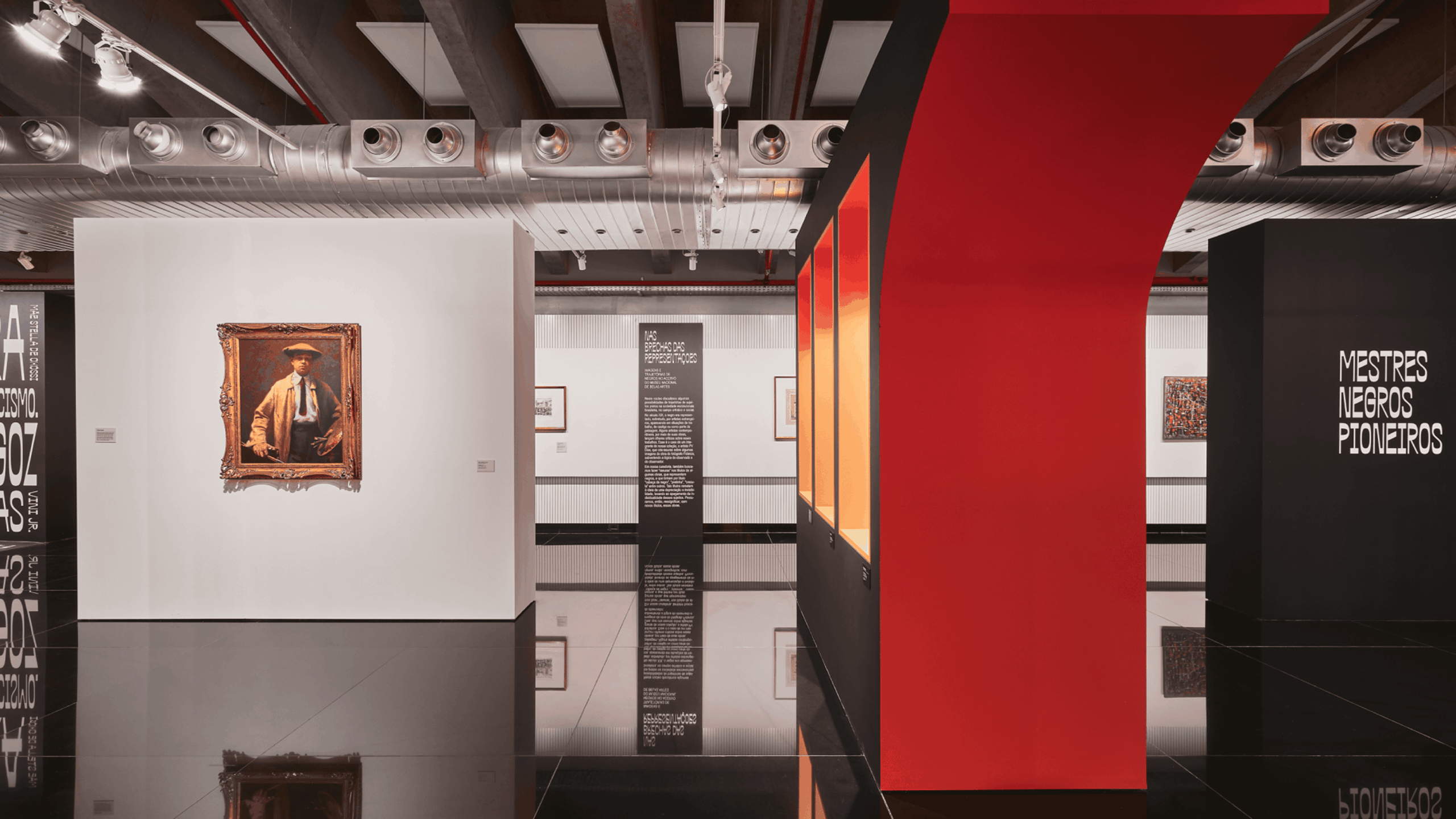
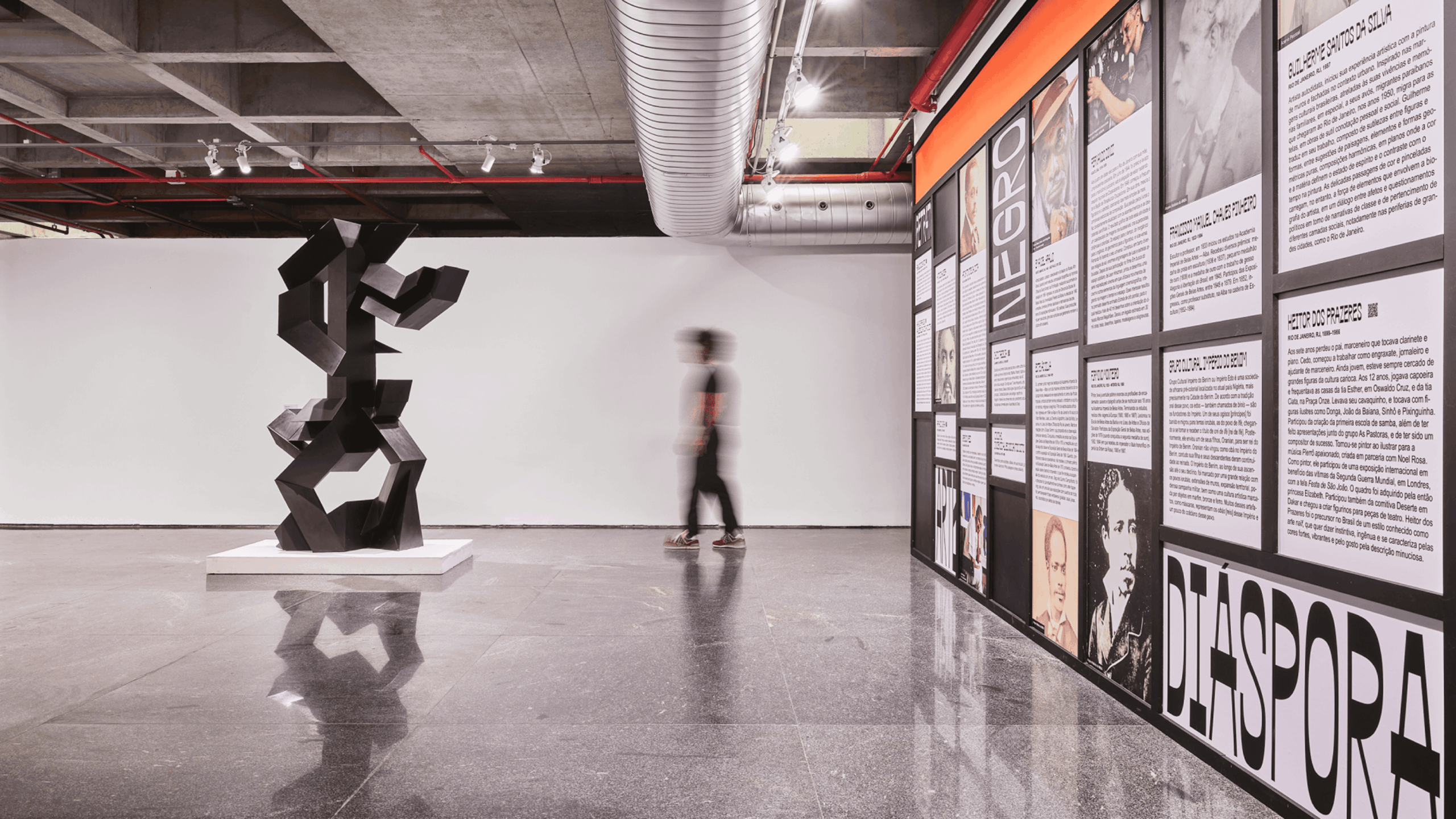
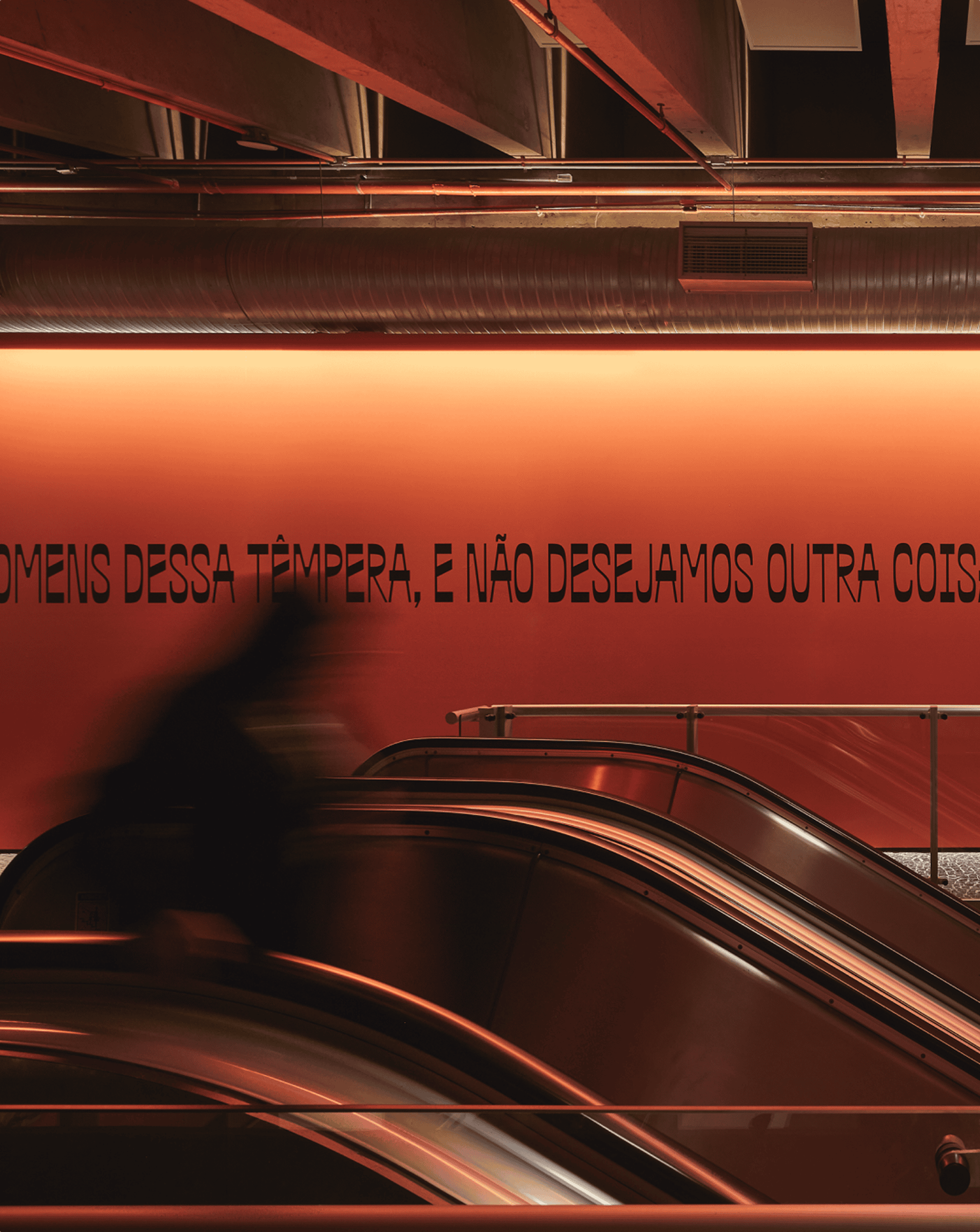
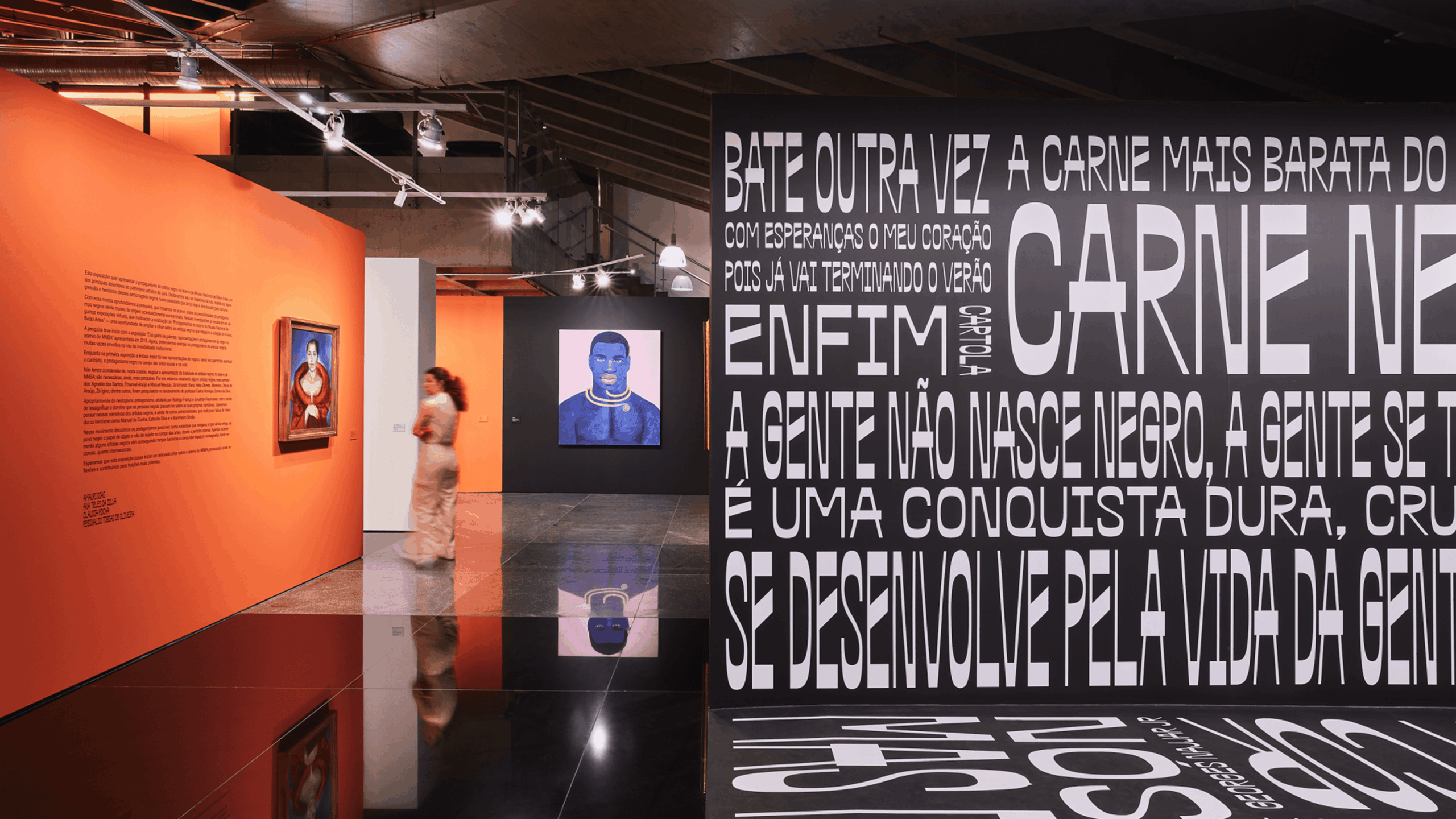
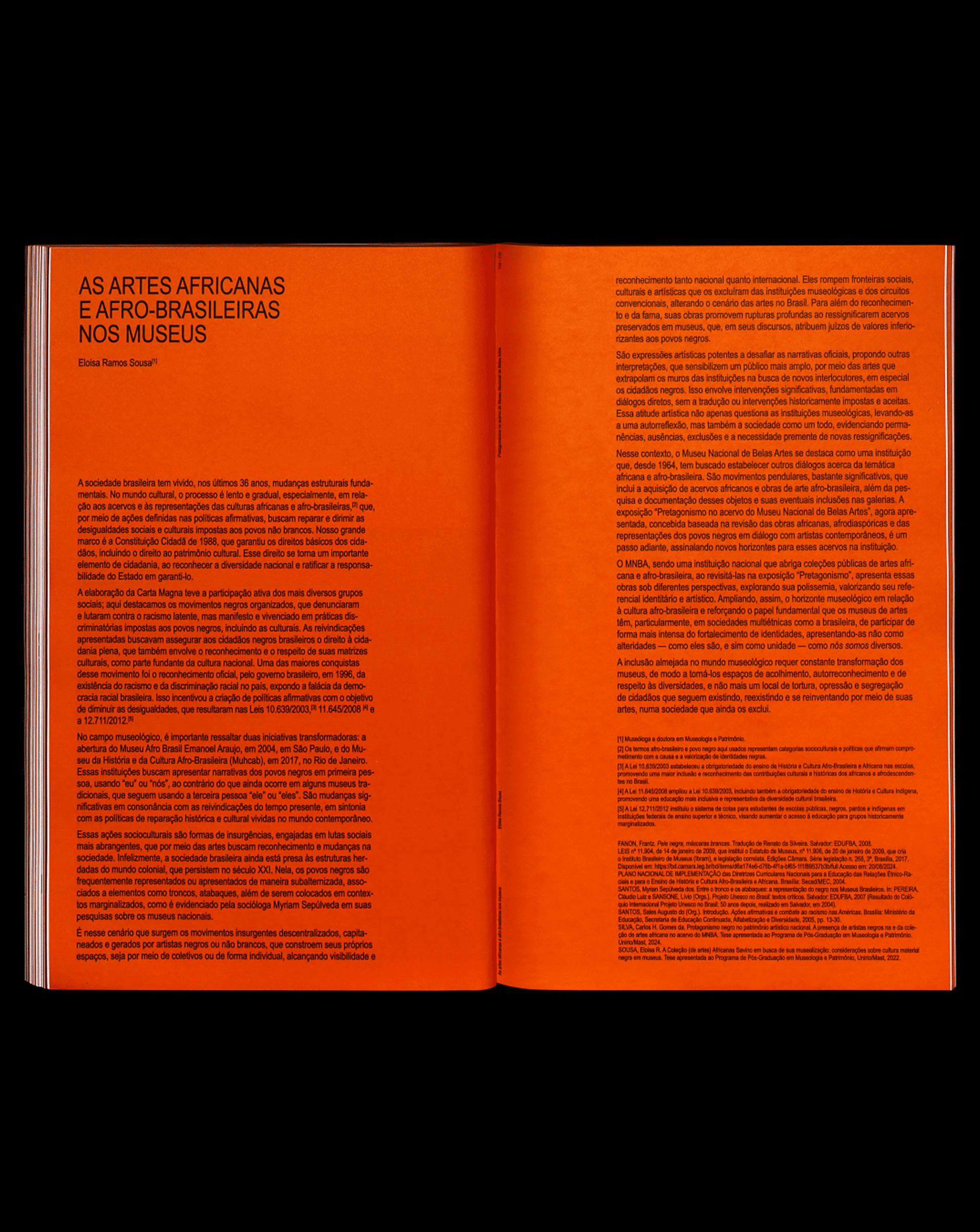
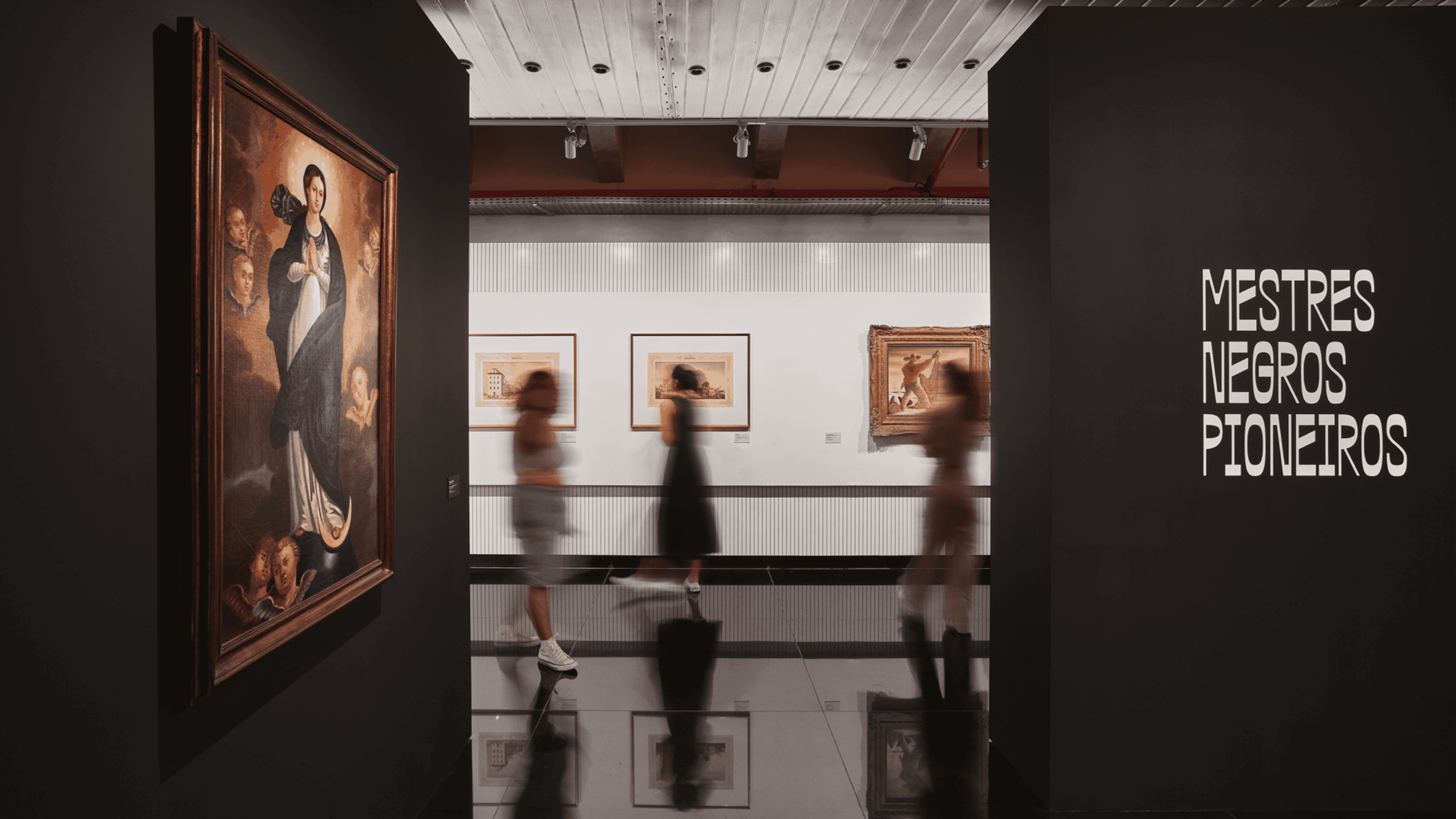
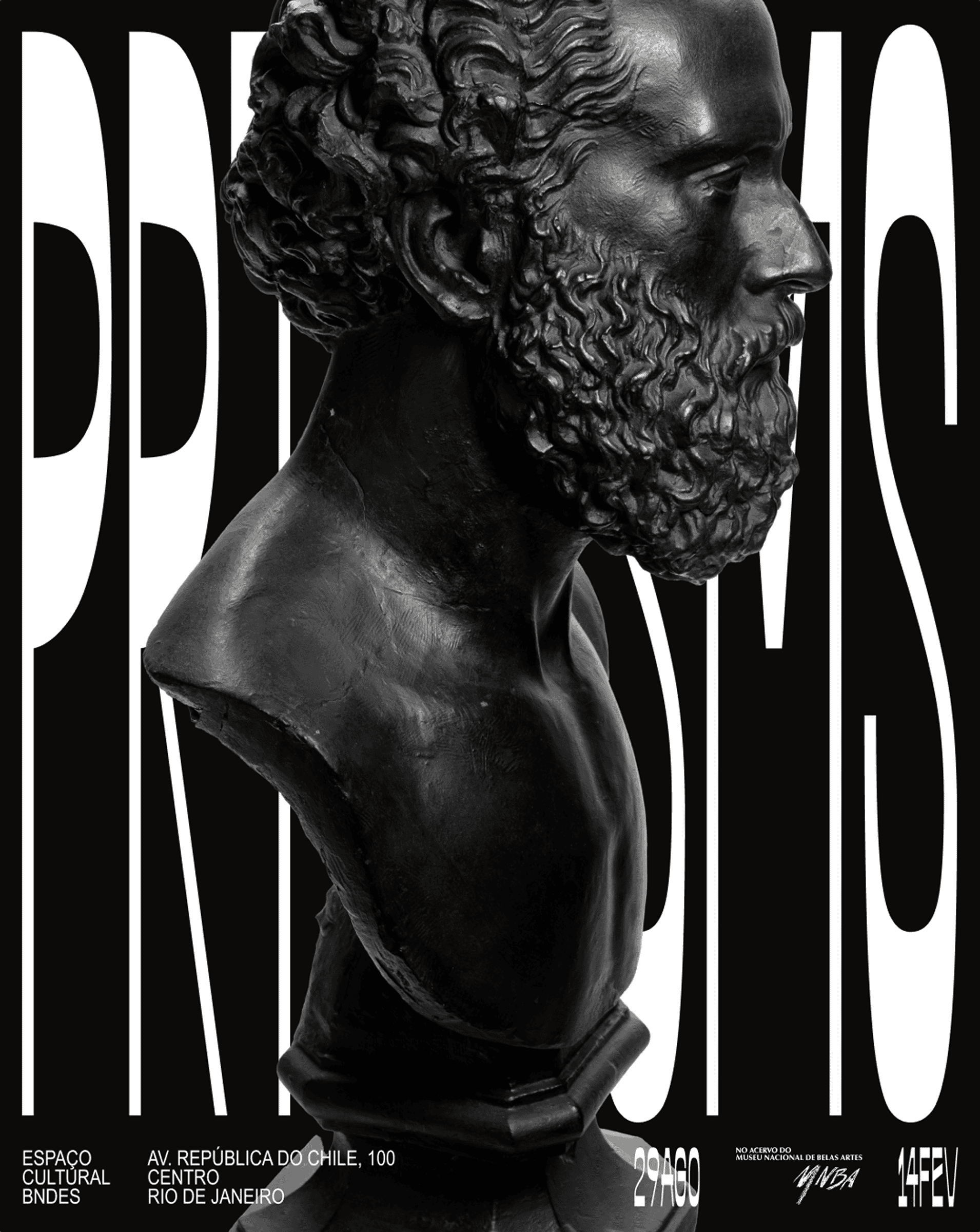
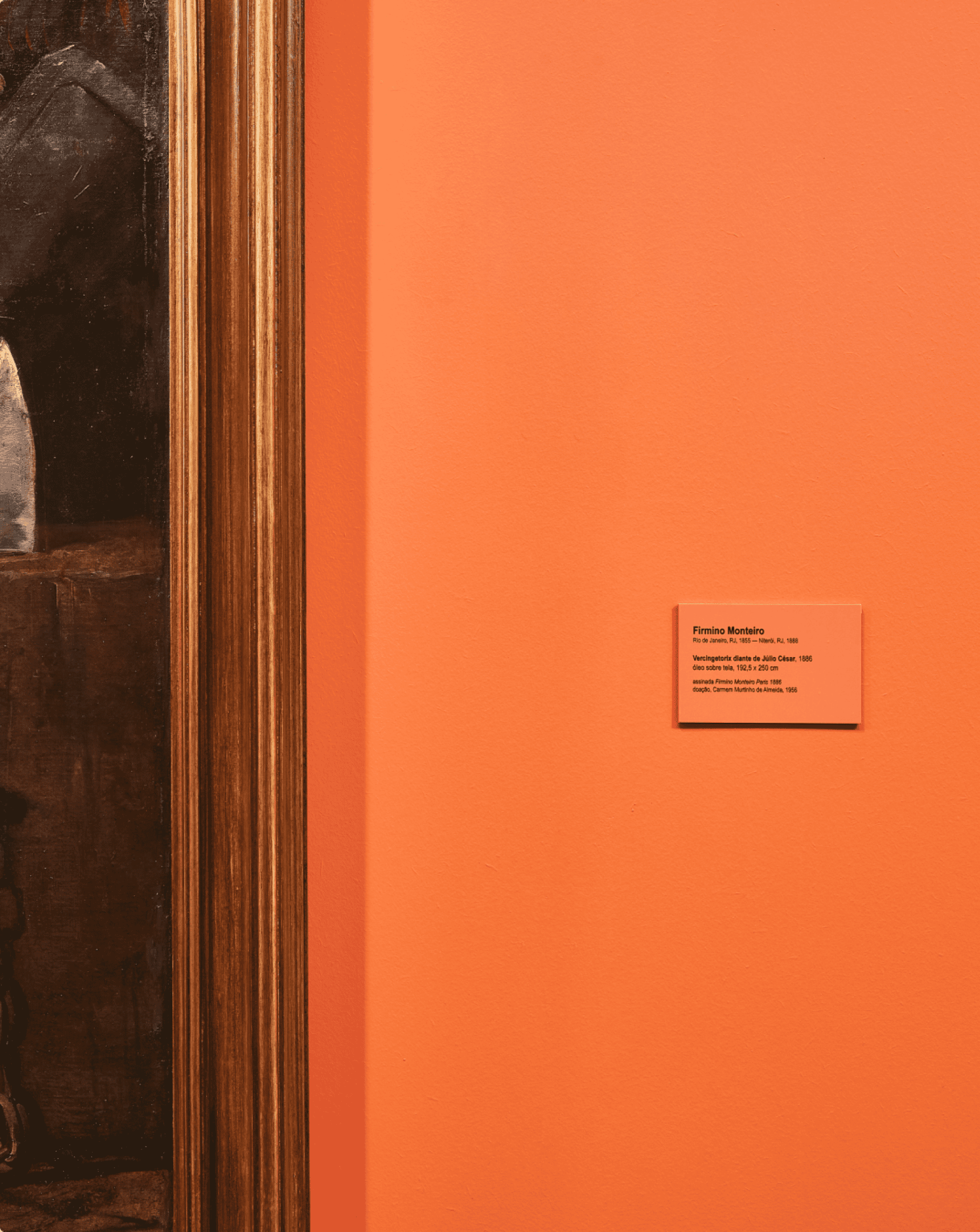
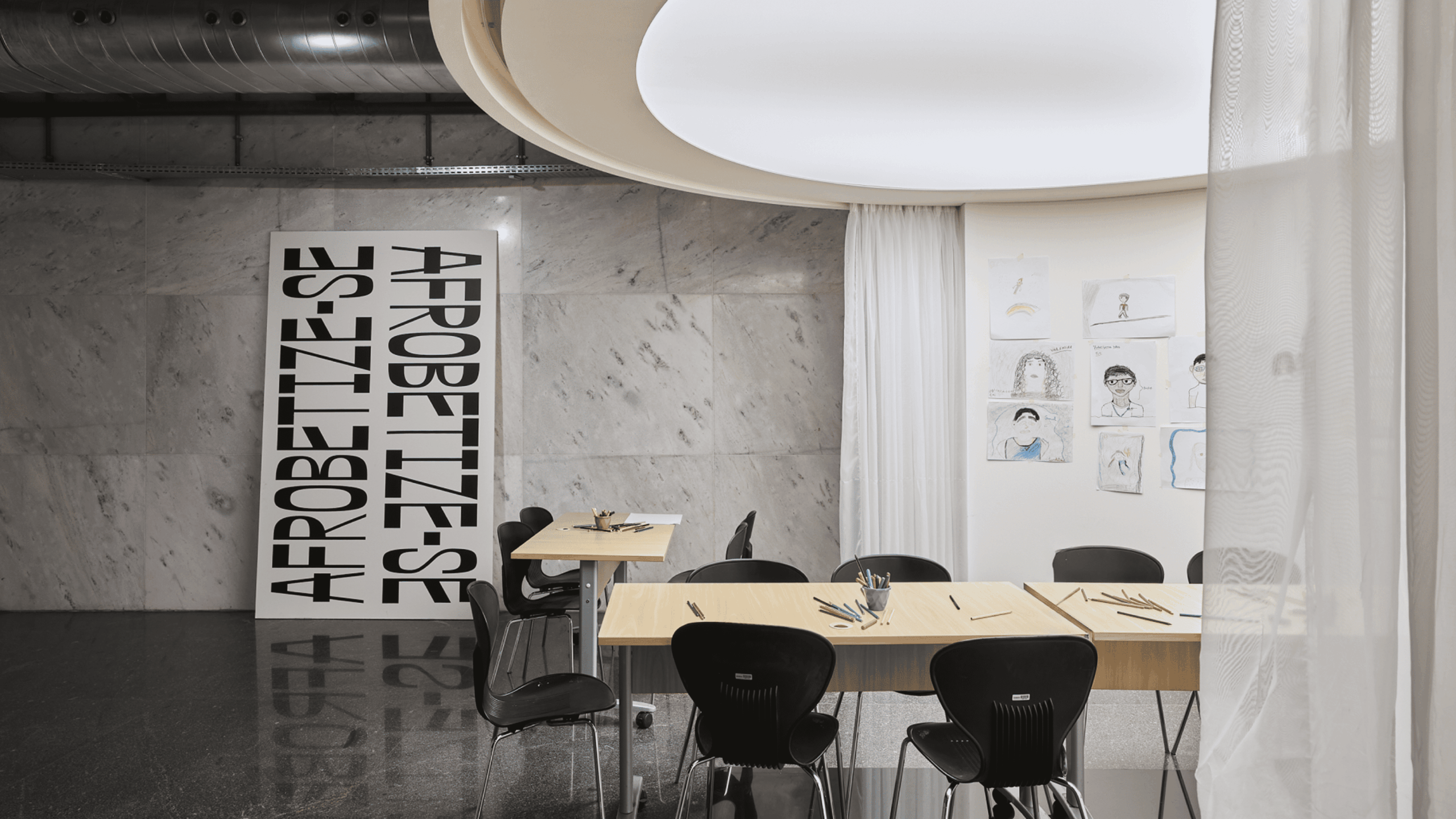
Pretagonismos shifts the way we look at the history of Brazilian art by foregrounding the presence, production, and narratives of Black artists in the collection of the Museu Nacional de Belas Artes. With more than one hundred works, the exhibition moves away from traditional chronology to build relationships among representation, decoloniality, identity, and historical reparation. The space asserts the right of Black people to exercise agency over their own narratives and to occupy the center—not the margins—of the country’s artistic and cultural production. Design and architecture work as a single reading structure: artworks, names, and stories gain presence so that another panorama of Brazilian art can emerge—broader, more critical, and, above all, necessary.


Botton turns small habits into possible paths toward well-being. It is a brand that brings health, affection, and awareness together to care for oneself, for others, and for the planet without resorting to promises of immediate change.
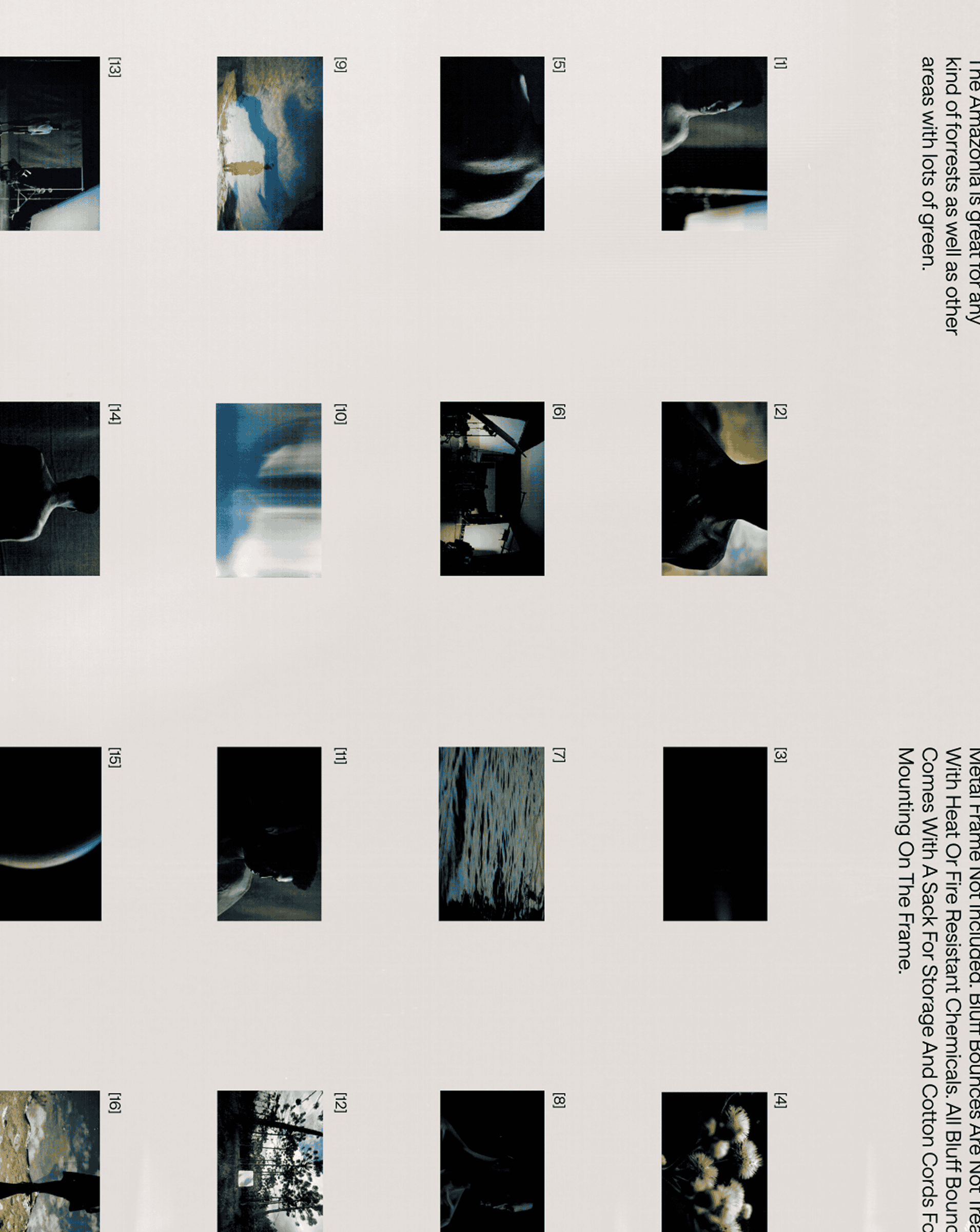
Created by cinematographer Nicholas Bluff, Bluff Bounce develops reflectors for more natural lighting. We developed a precise, restrained graphic system inspired by the sensibility of someone who understands that lighting is also about choosing how to look.
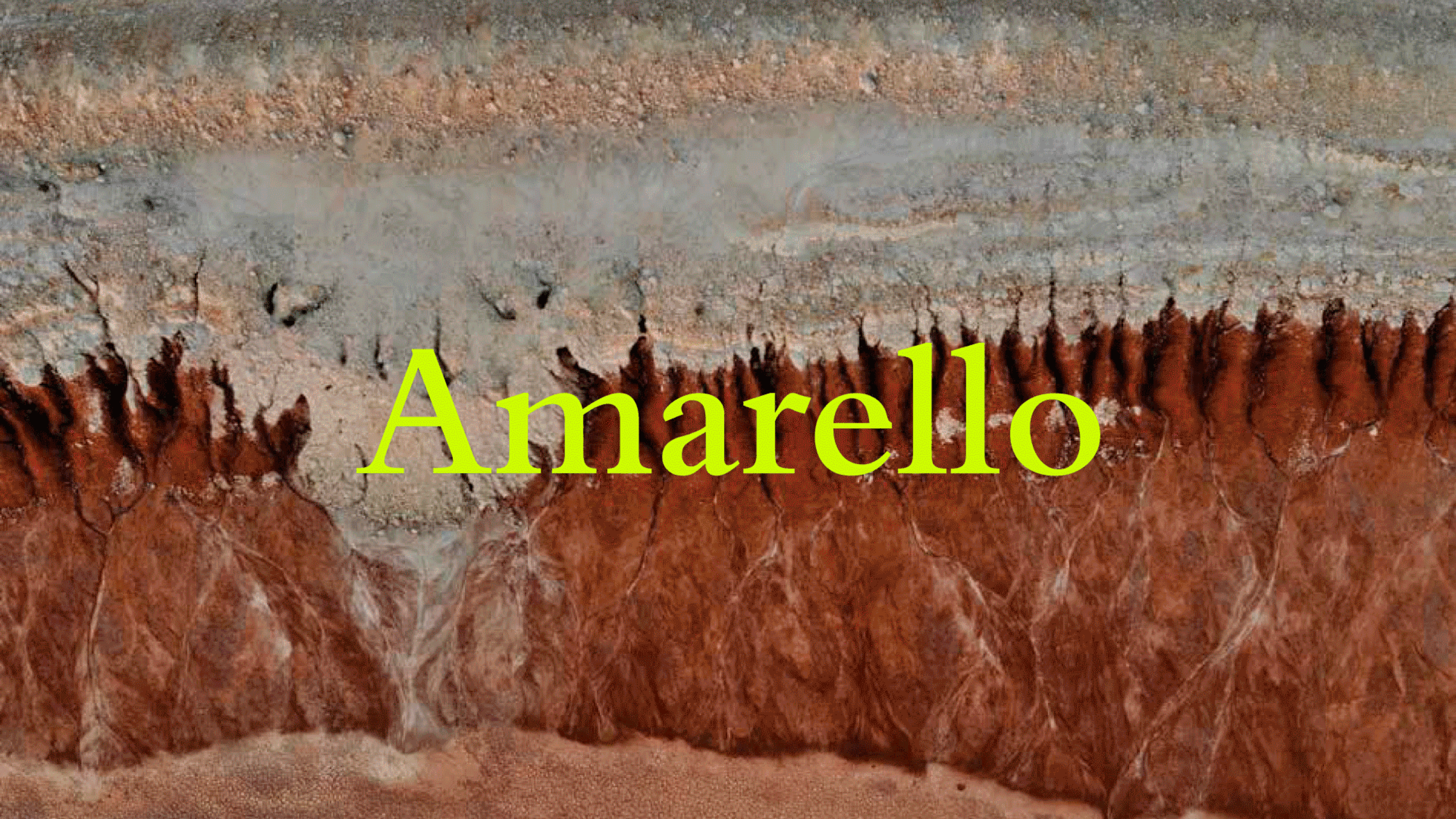
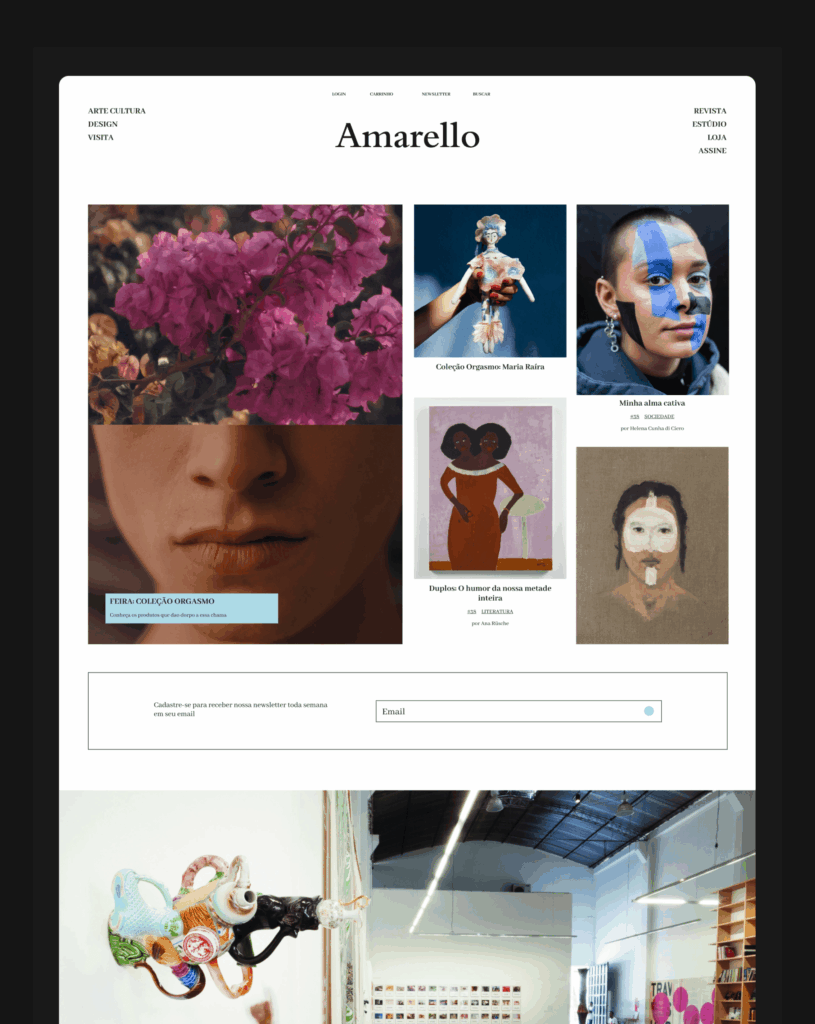
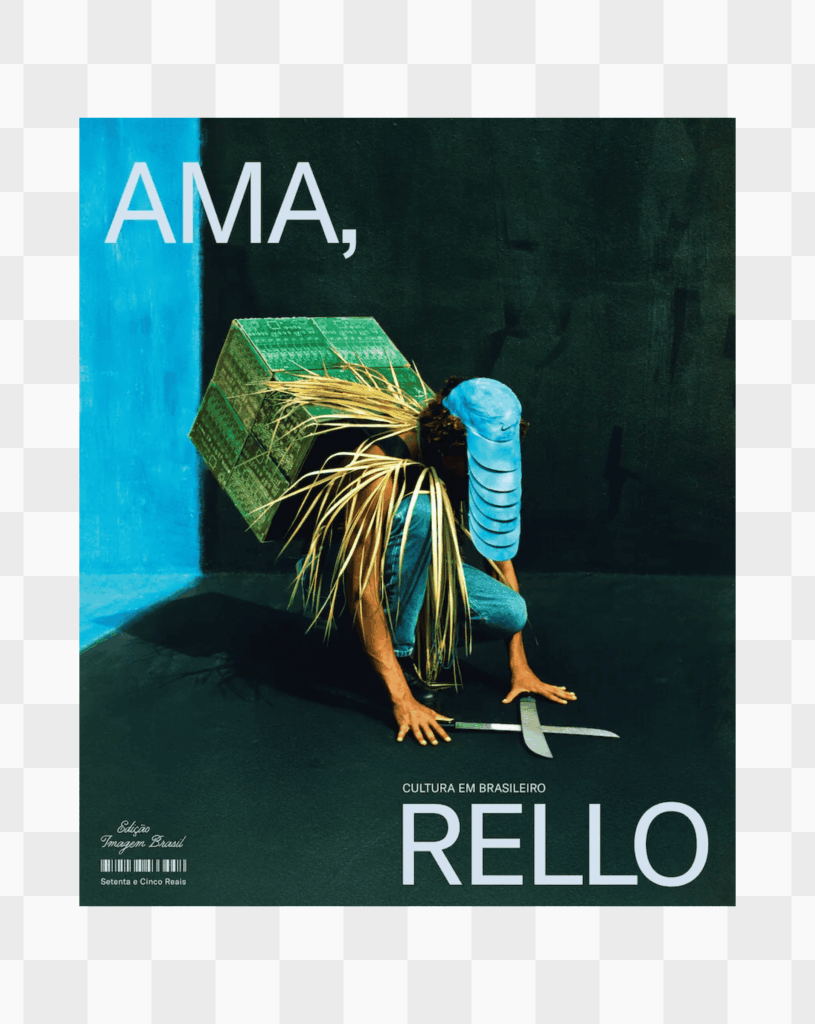
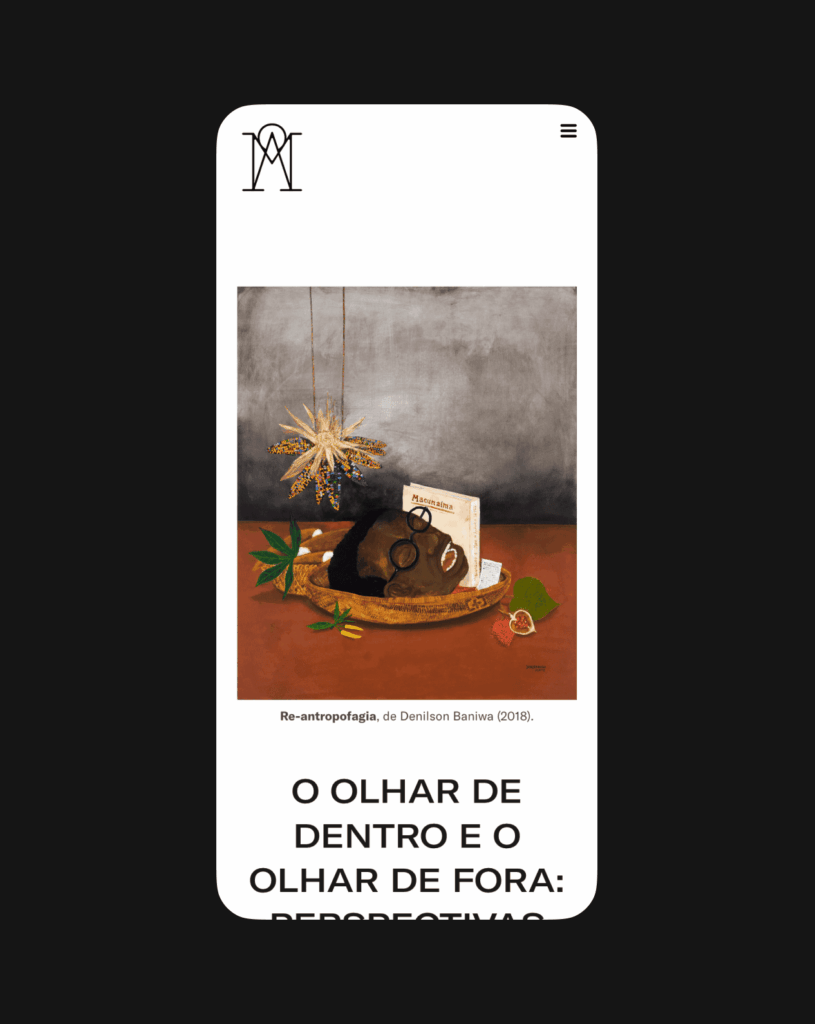
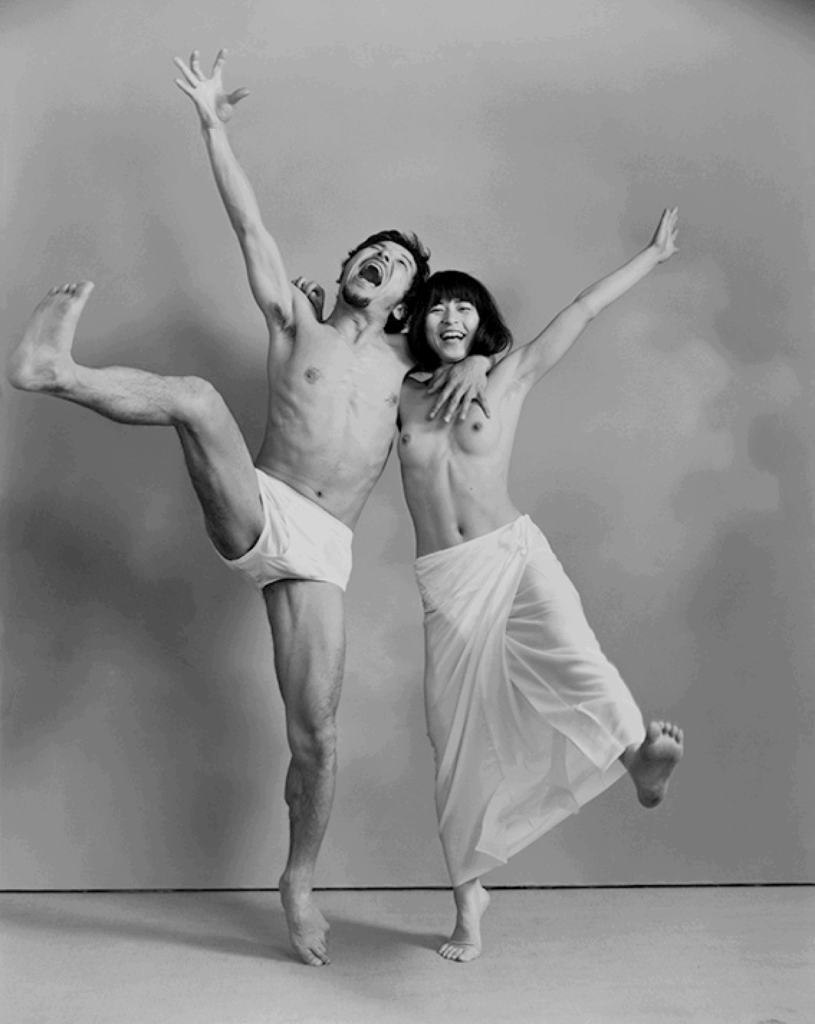
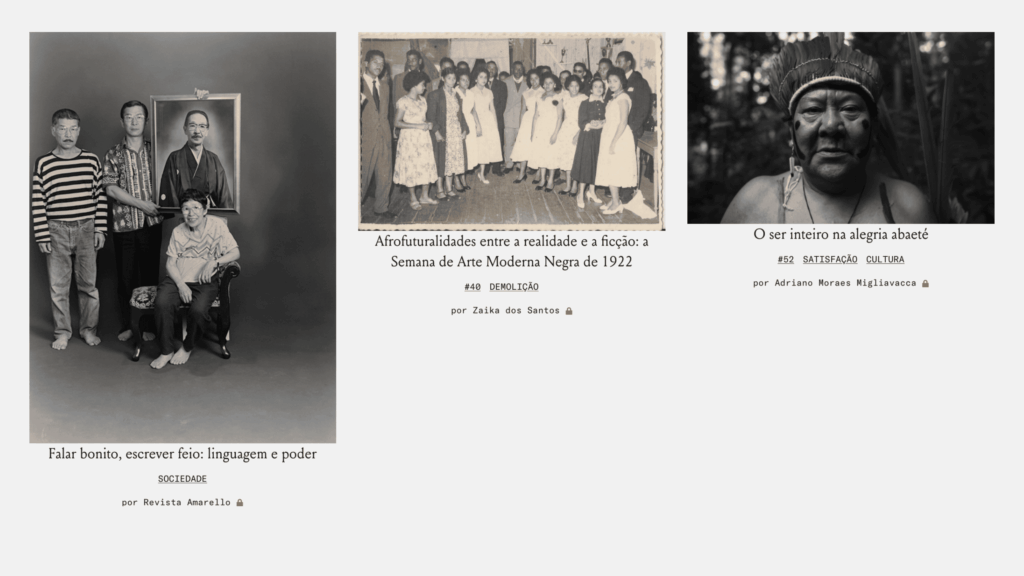
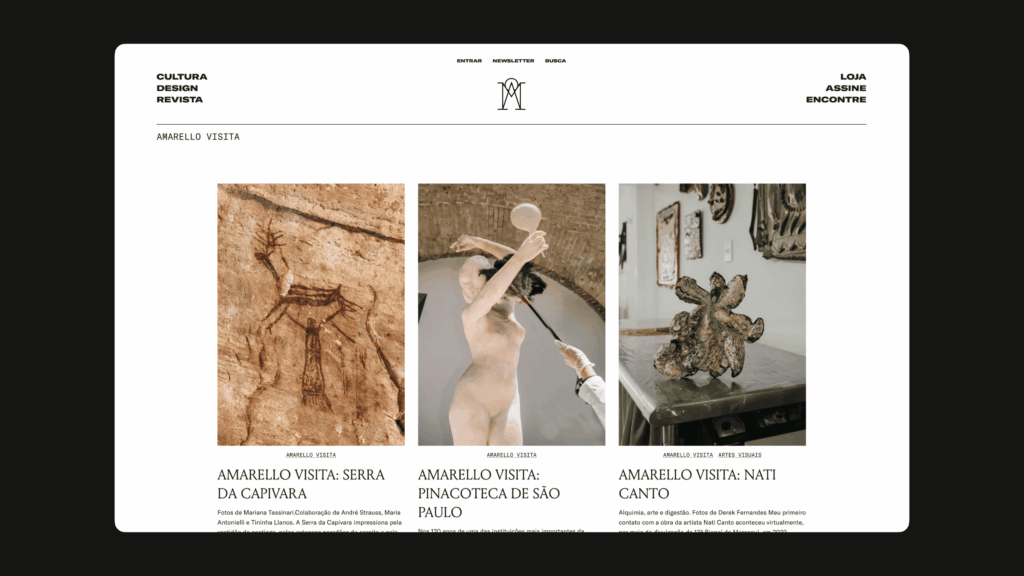
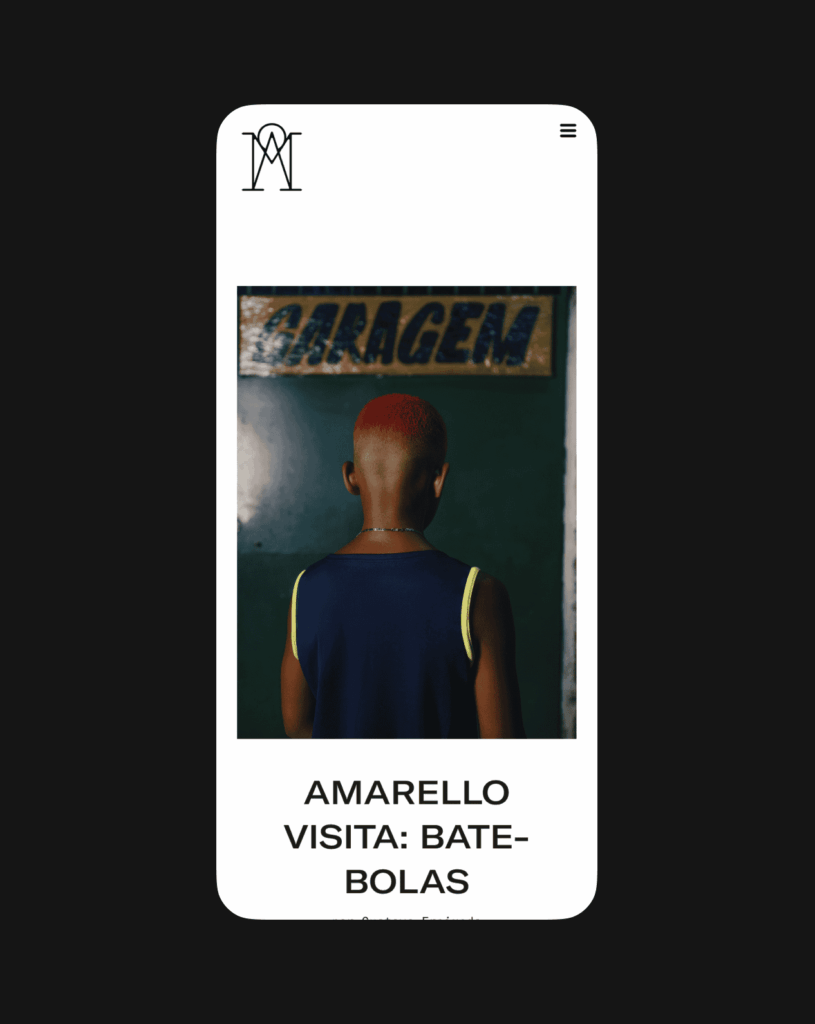
Revista Amarello brings art, design, beauty, philosophy, and architecture closer together. In the digital experience, images, generous margins, and typographic rhythms preserve the publication’s editorial density and create a space for attentive, sensitive reading.
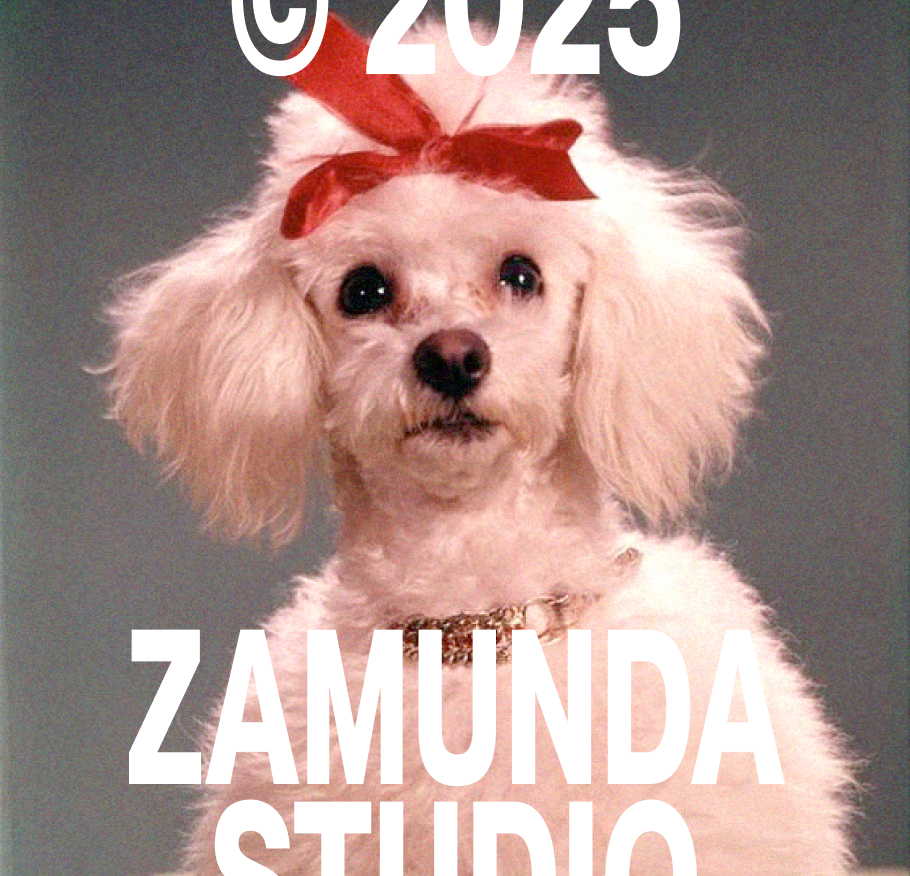
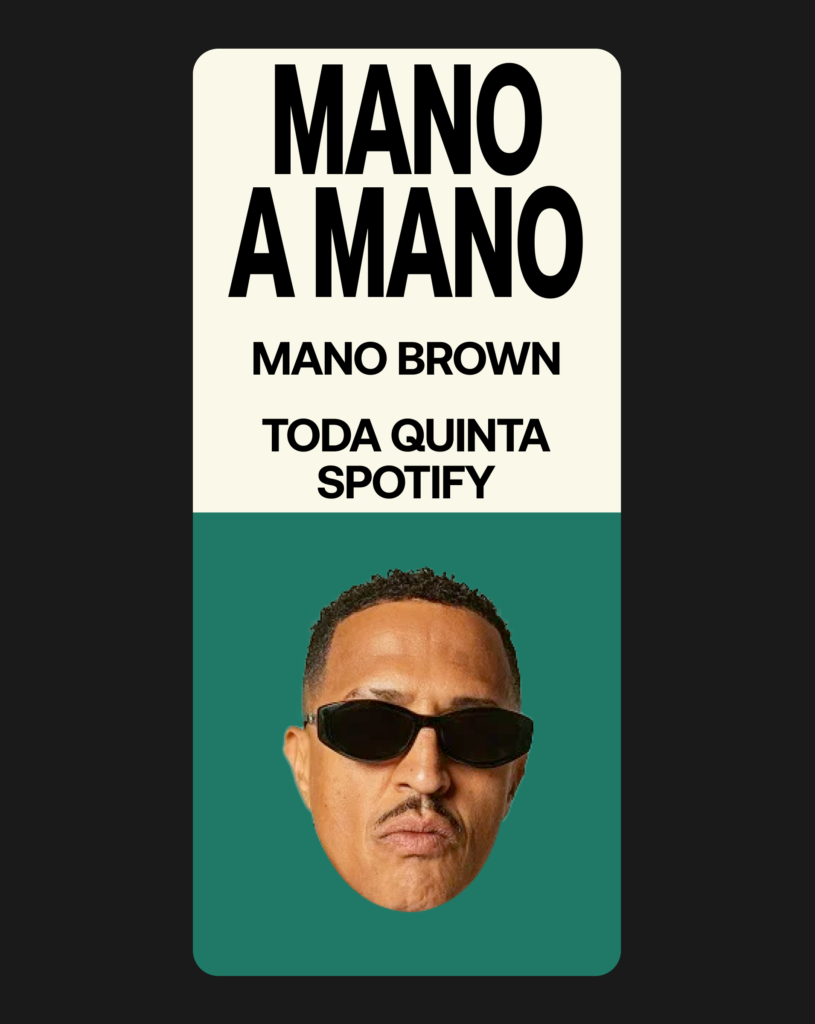
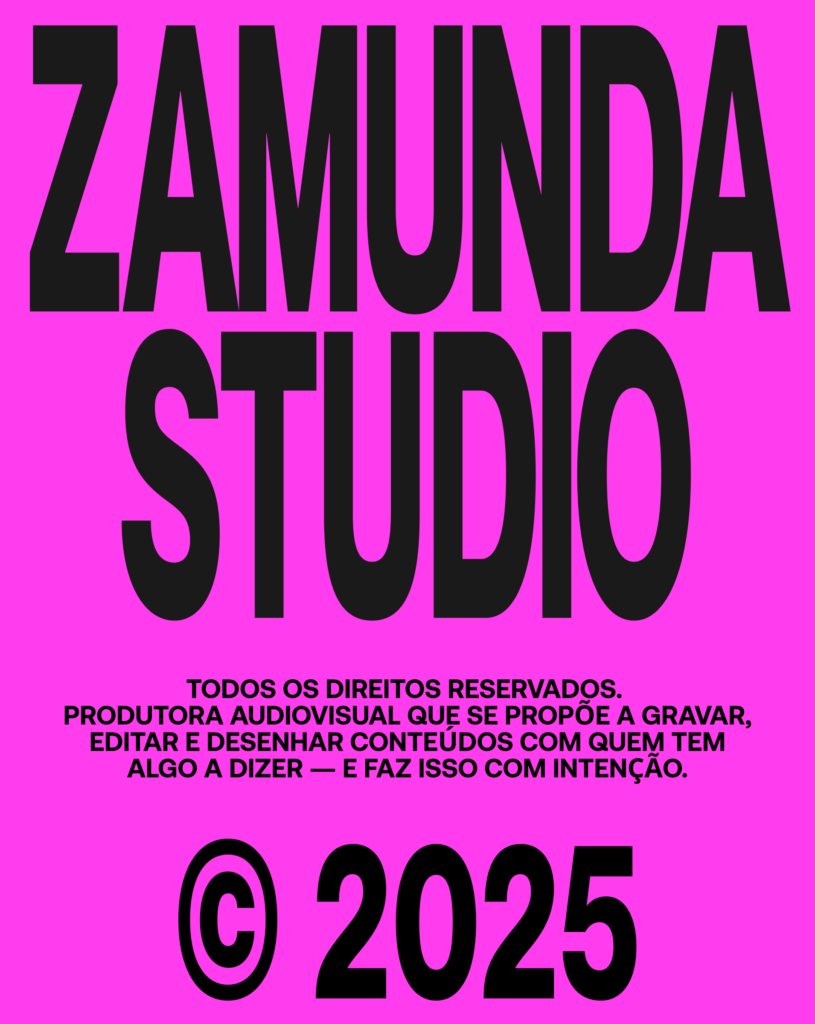
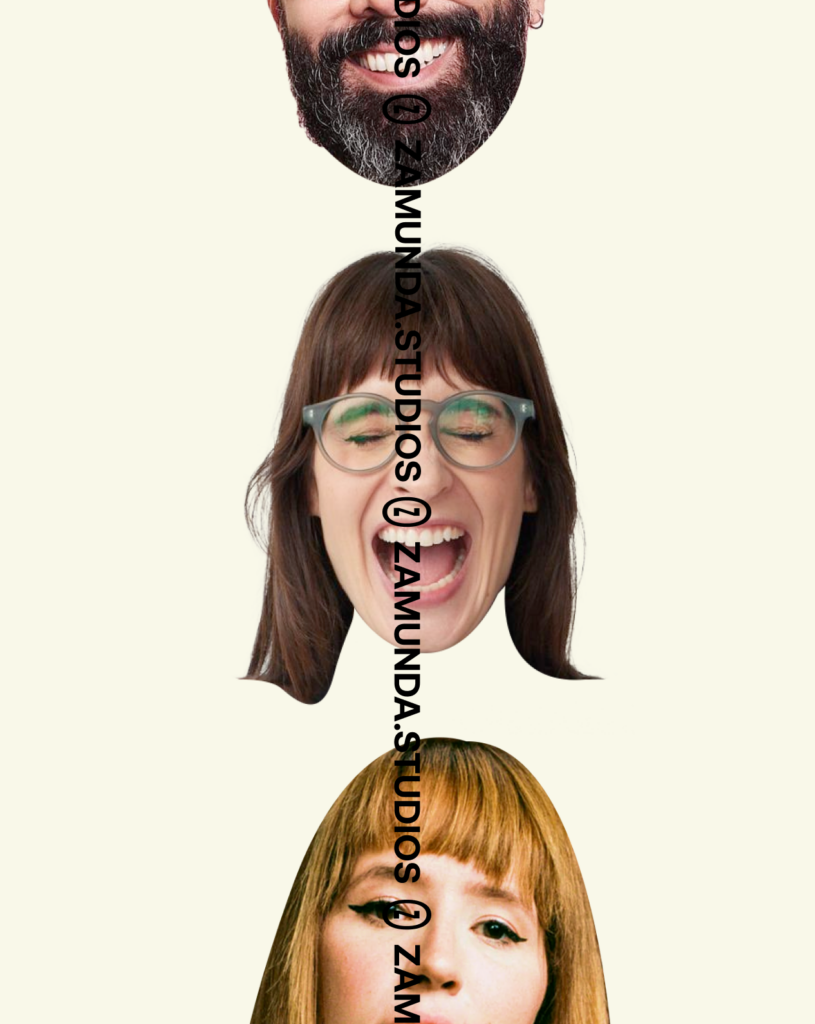
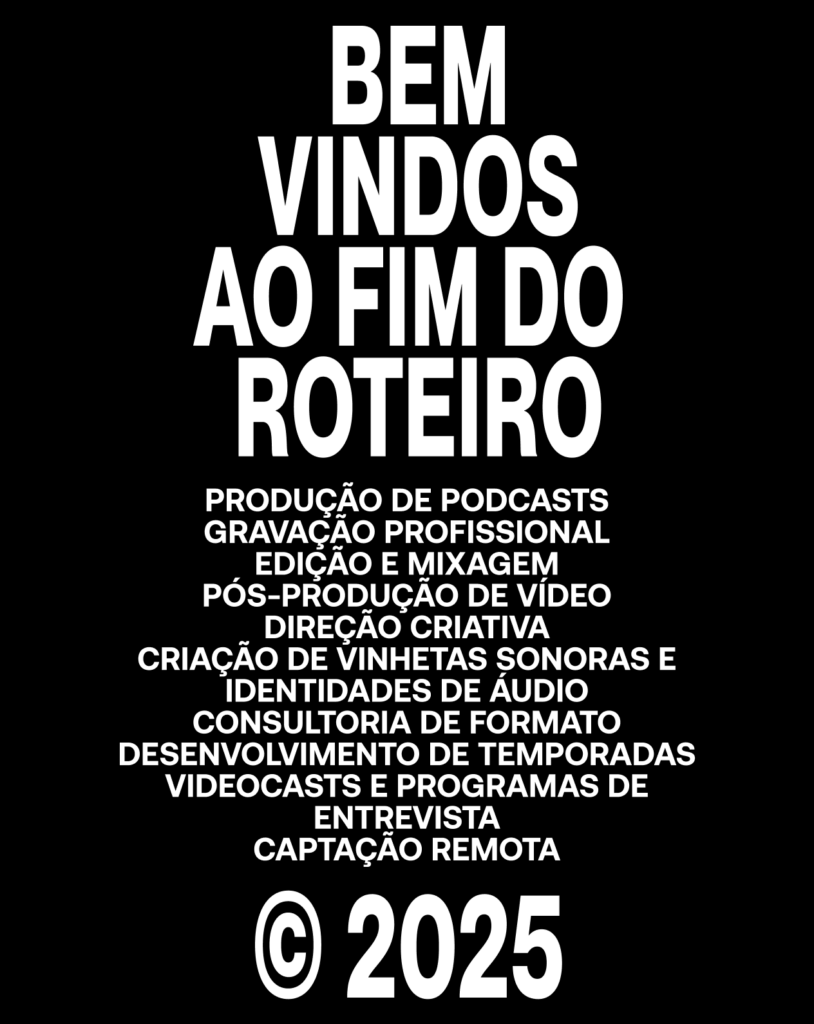
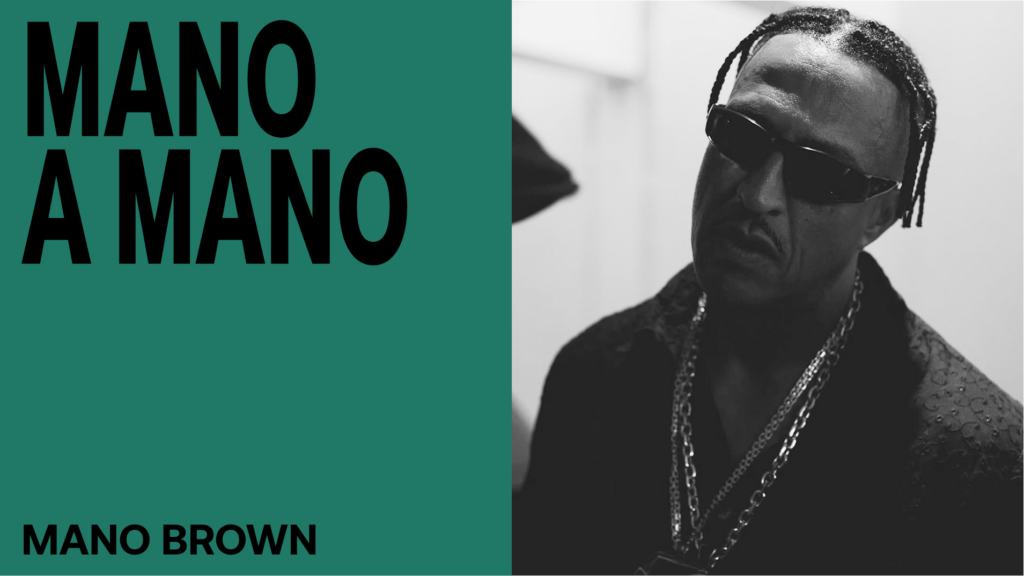
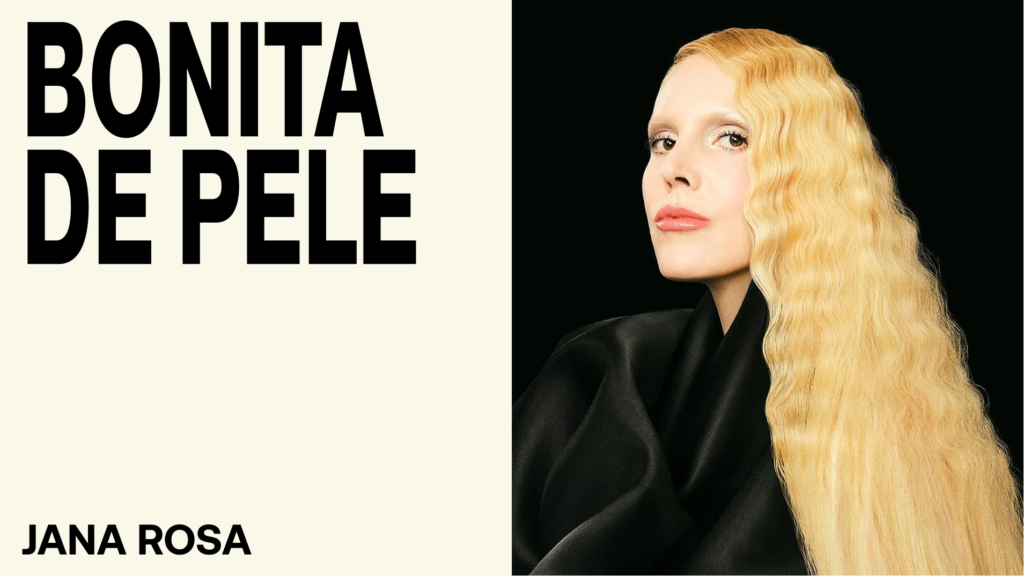
Zamunda is an audiovisual studio in São Paulo that produces sound-led content and contemporary narratives. We developed an identity that moves through São Paulo’s urban landscape, vernacular design, high contrast, a vibrant palette, and the electricity of the city streets.