Clarice Lispector, IMS
Content, Editorial, Identity, Website
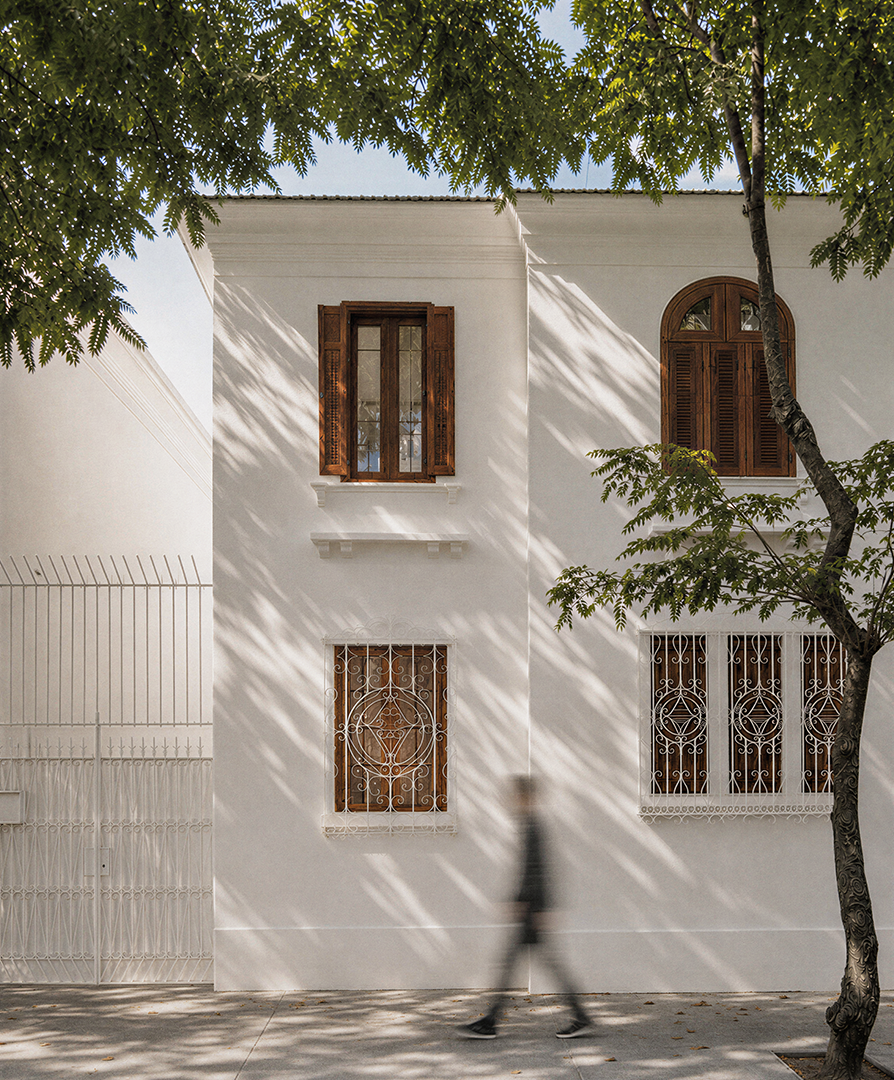
On Dec 10, 2020, Clarice Lispector would have turned 100. To mark the occasion, Instituto Moreira Salles renewed the website dedicated to the writer, expanding the ways people can access her universe. The project proposes two modes of navigation: one freer and more unpredictable, inviting visitors to explore the work through discoveries and detours; and another more direct, for those who want to consult the archive. Rare manuscripts of works such as “The Hour of the Star” and “A Breath of Life,” letters sent to major names in Brazilian literature, and other documents from the Clarice Lispector Archive appear throughout the experience as part of a body of work that remains open to new readings. Between archive and vertigo, the site brings together different ways of (re)encountering Clarice.


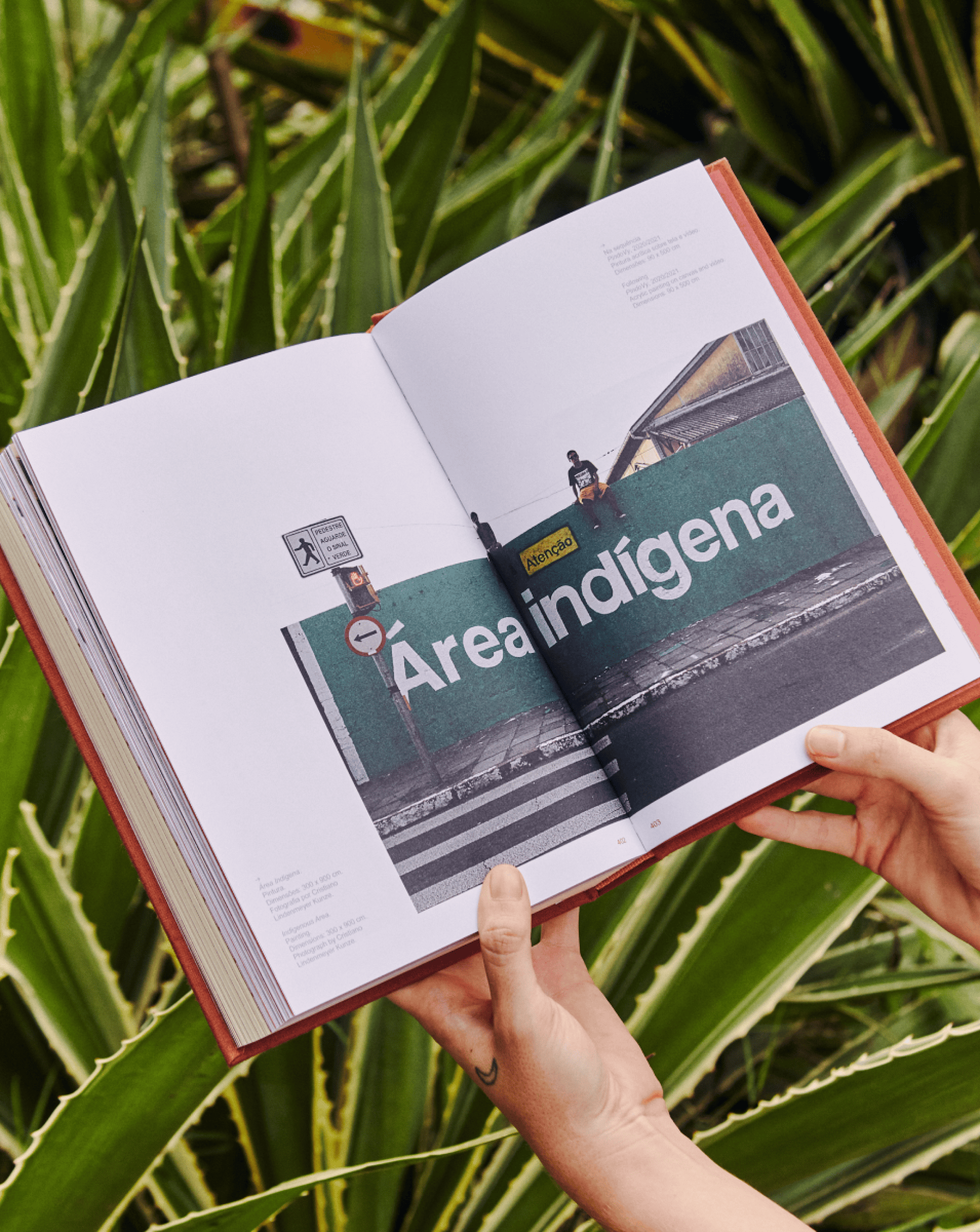
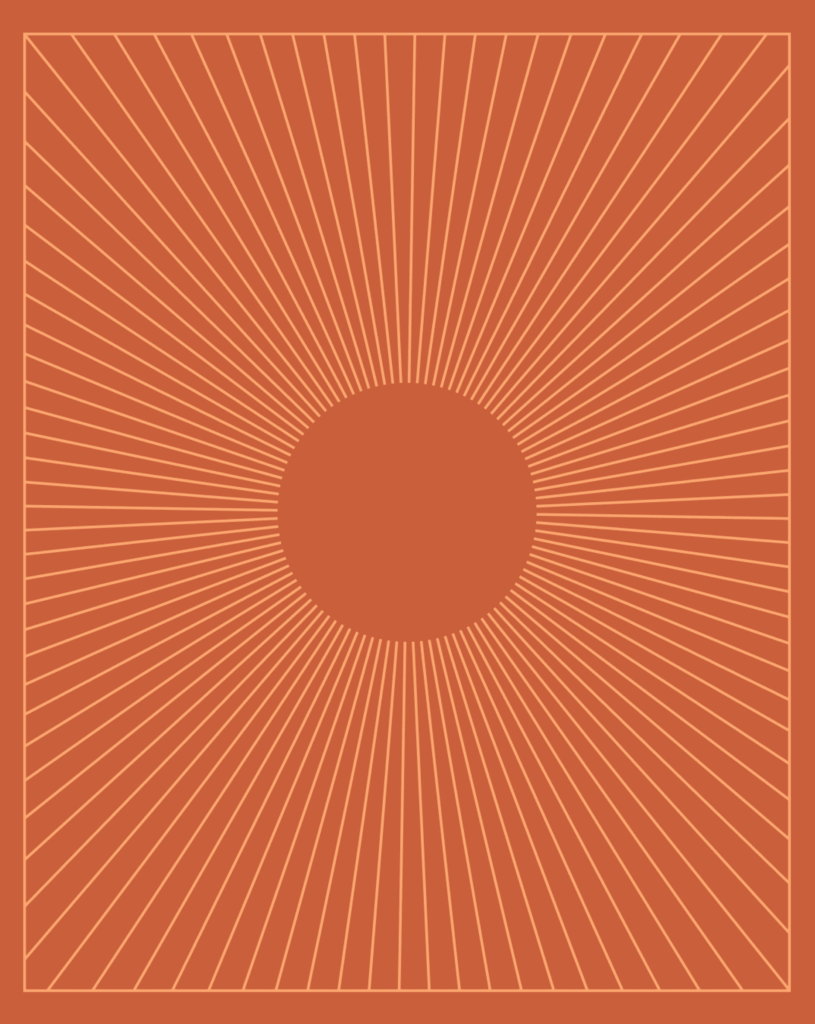
“I think you should dream the earth, because it has a heart and breathes.” The sentence that opens the book also opens the editorial project, guiding an open visual identity that breathes, welcomes, and warms. Terra Sem Males connects the Guarani myth of a life without suffering with the work of ten artists. Written by João Vergara, the book weaves together art, history, and imagination to ask how we might live better on an imperfect earth.
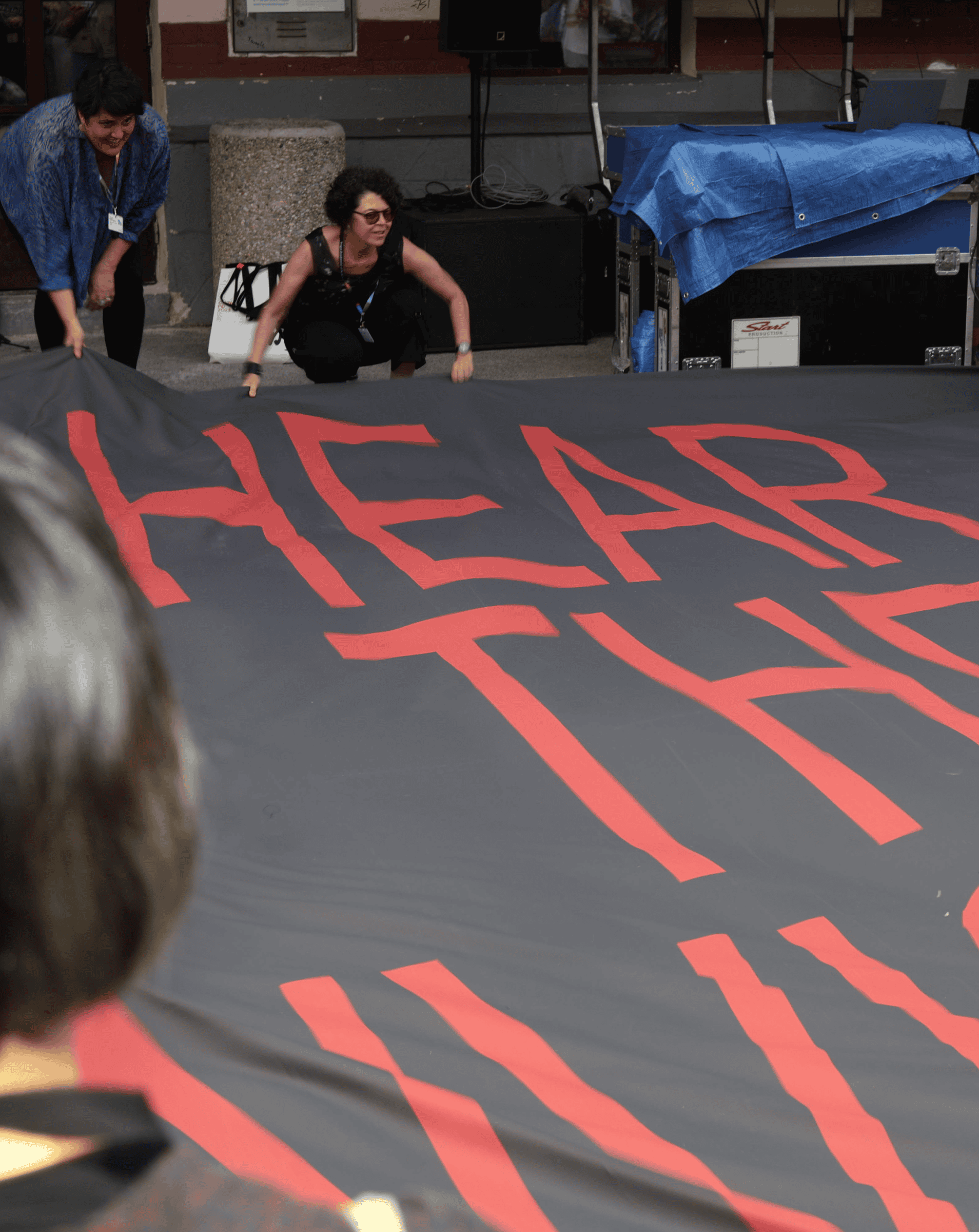
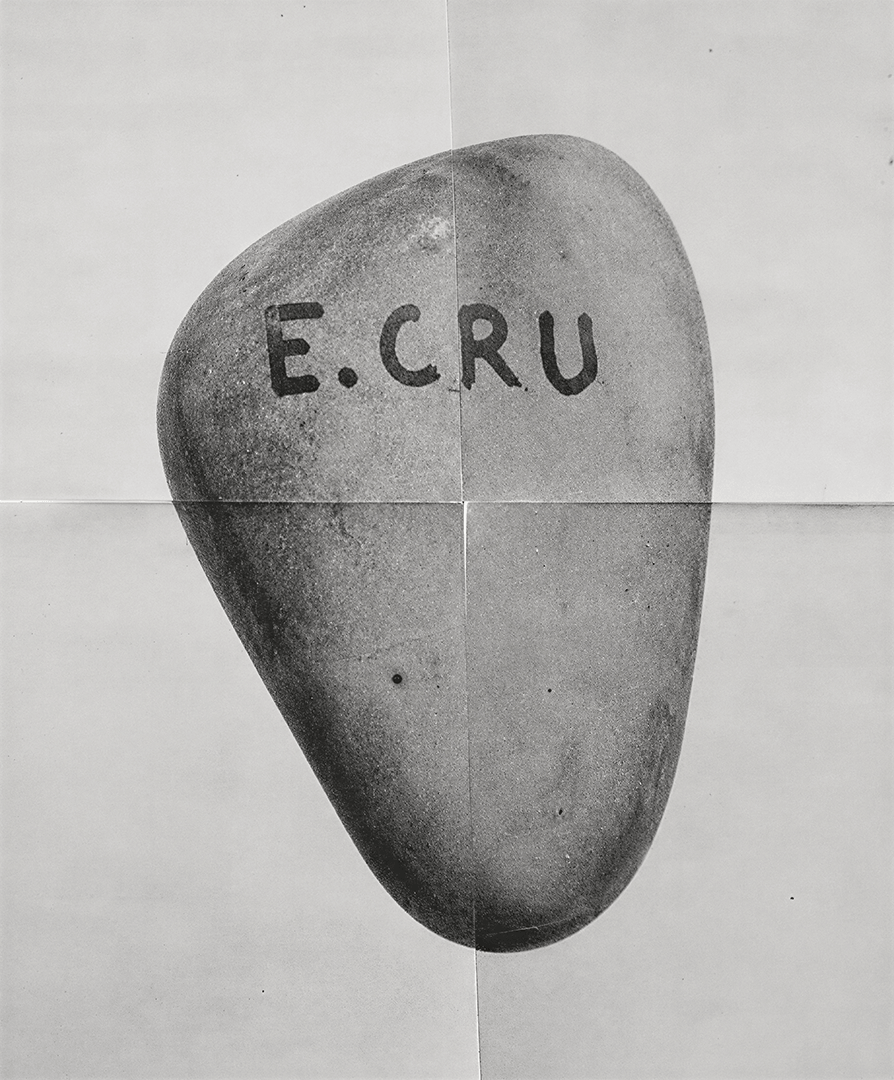
Encruzilhadas: We Believe in Street Corners brought together seven sound offerings by 29 Brazilian artists. To visually translate the exhibition’s concept, we created a symbolic universe of images directly or indirectly connected to the orixá, bringing this entire crossroads together in a single place: the now.

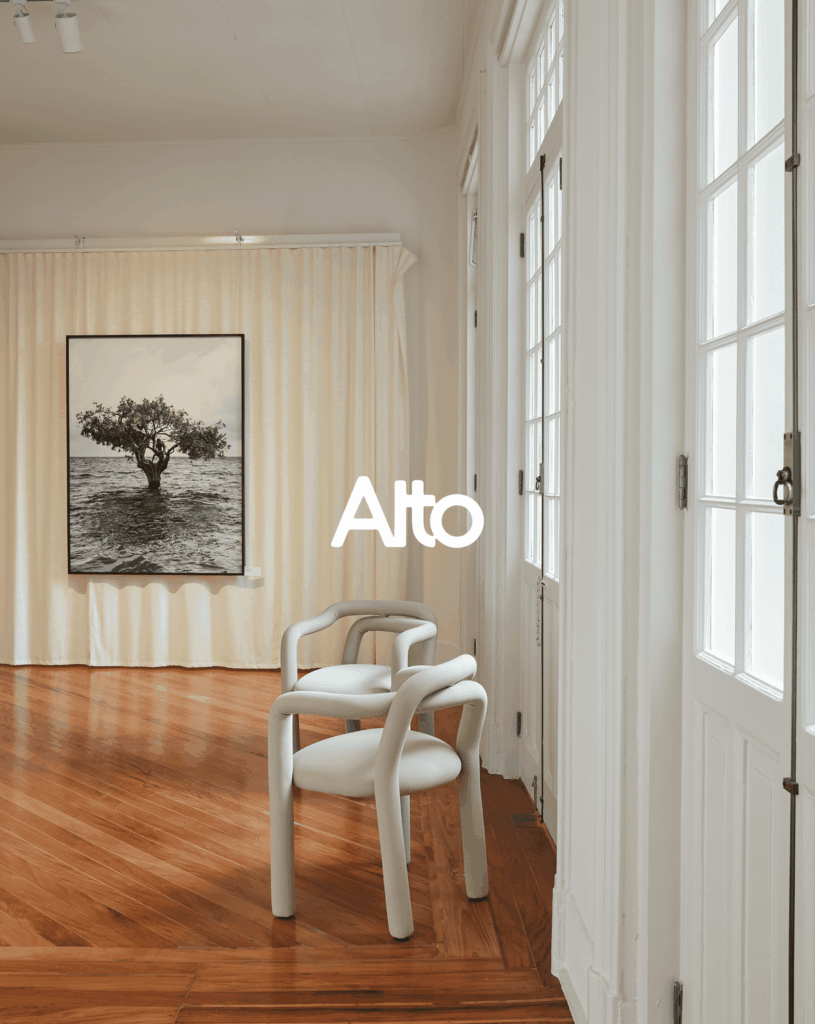

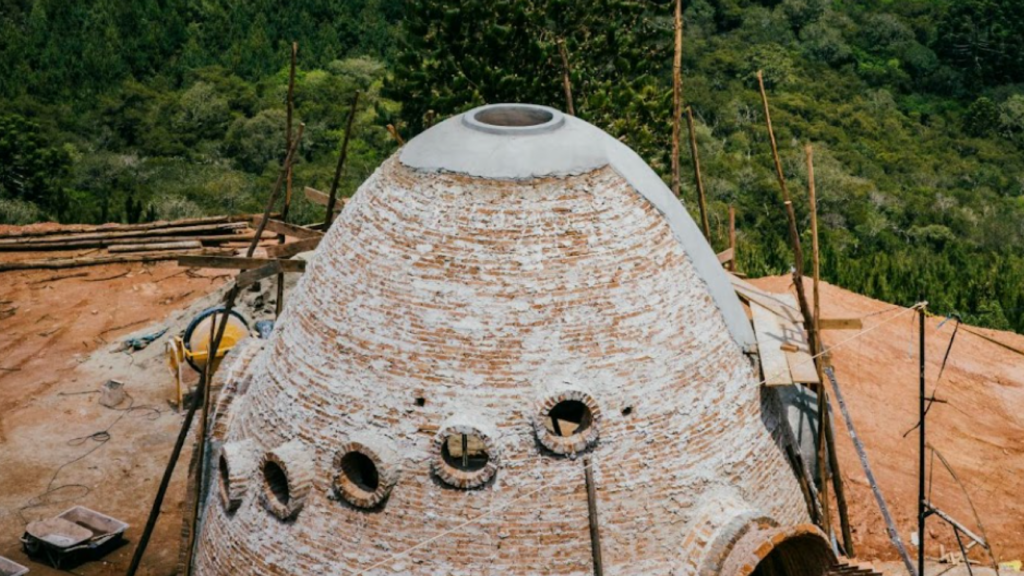
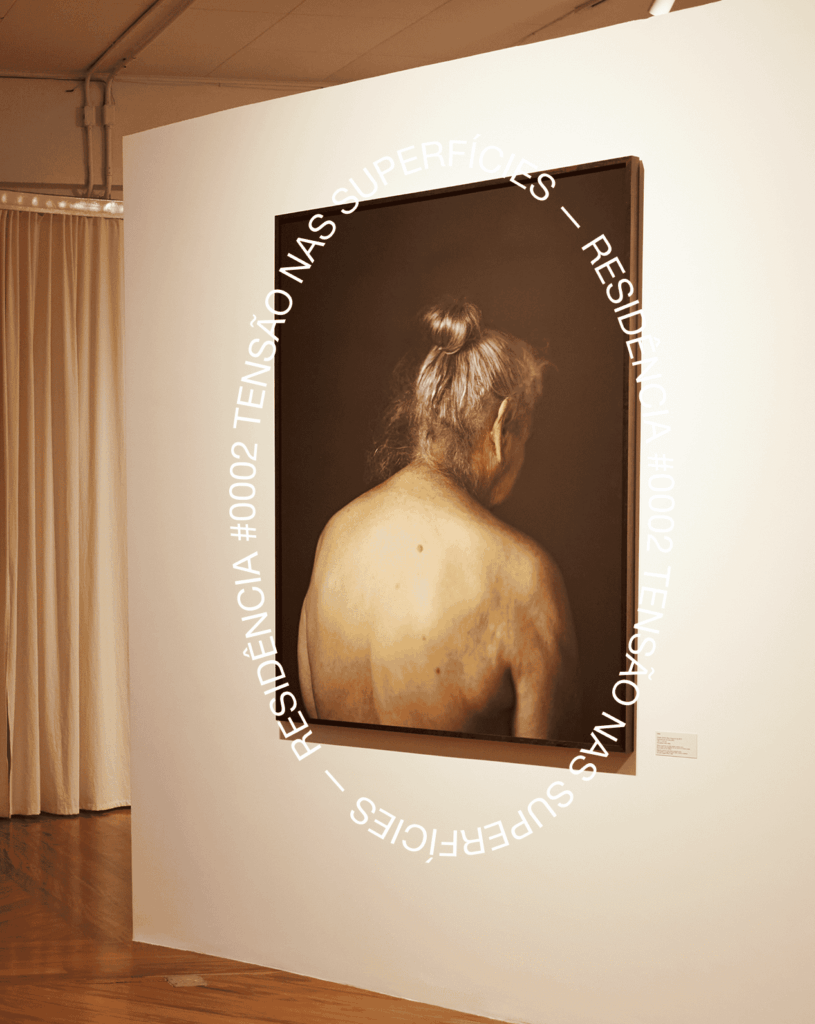
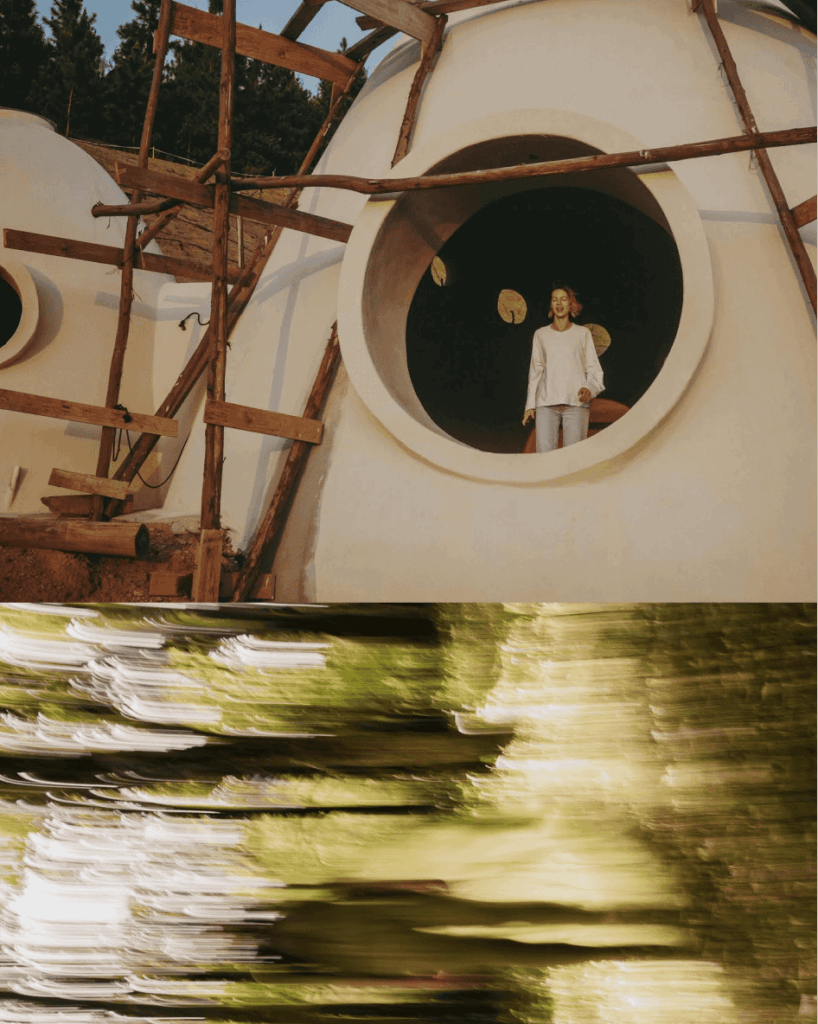
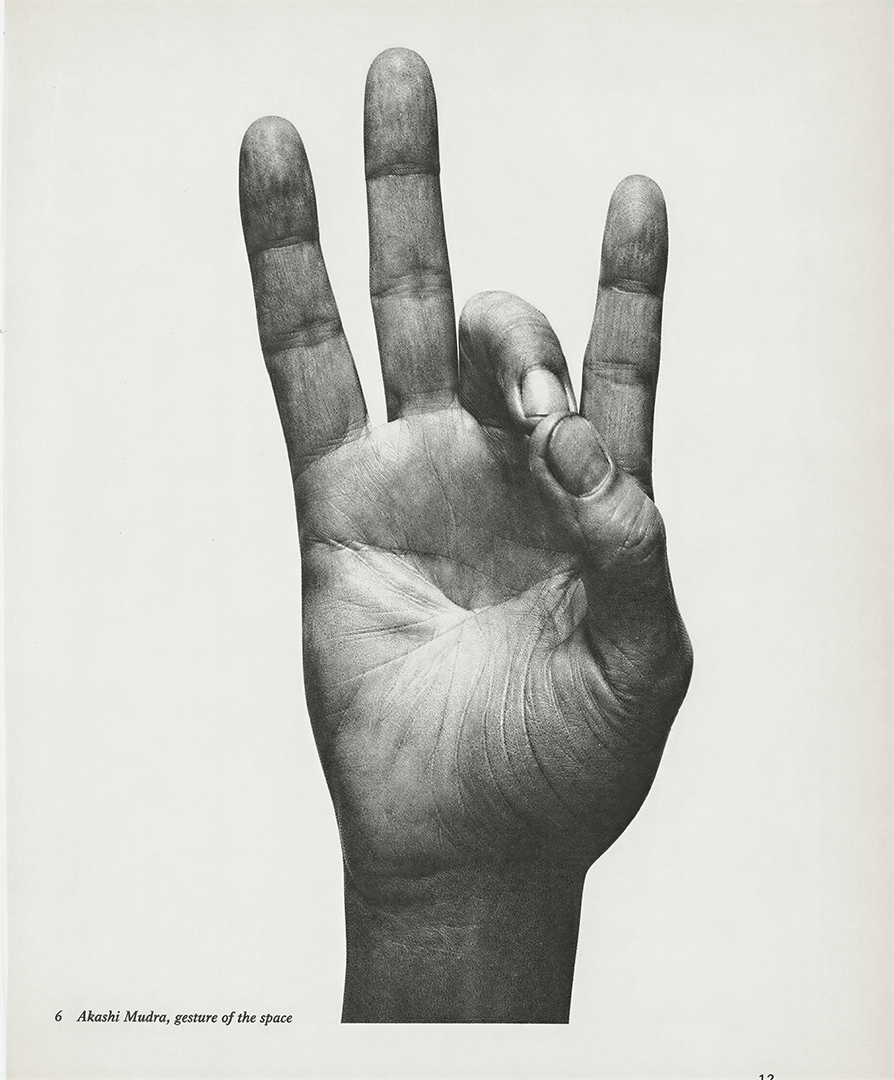
Between São Paulo’s Historic Center and the Serra da Mantiqueira, Instituto Alto connects art, science, ecology, and territory. It is a cultural organization open to different forms of knowledge, supported by a flexible system designed to embrace the institute’s diverse initiatives and create connections across territories and languages.


Cuba: Ficción y Fantasía spans more than three decades of the country’s artistic production. Across different generations and languages, the exhibition reveals how imagination, spirituality, humor, and criticism become ways of reinventing Cuban reality.