Terra sem males
Editorial
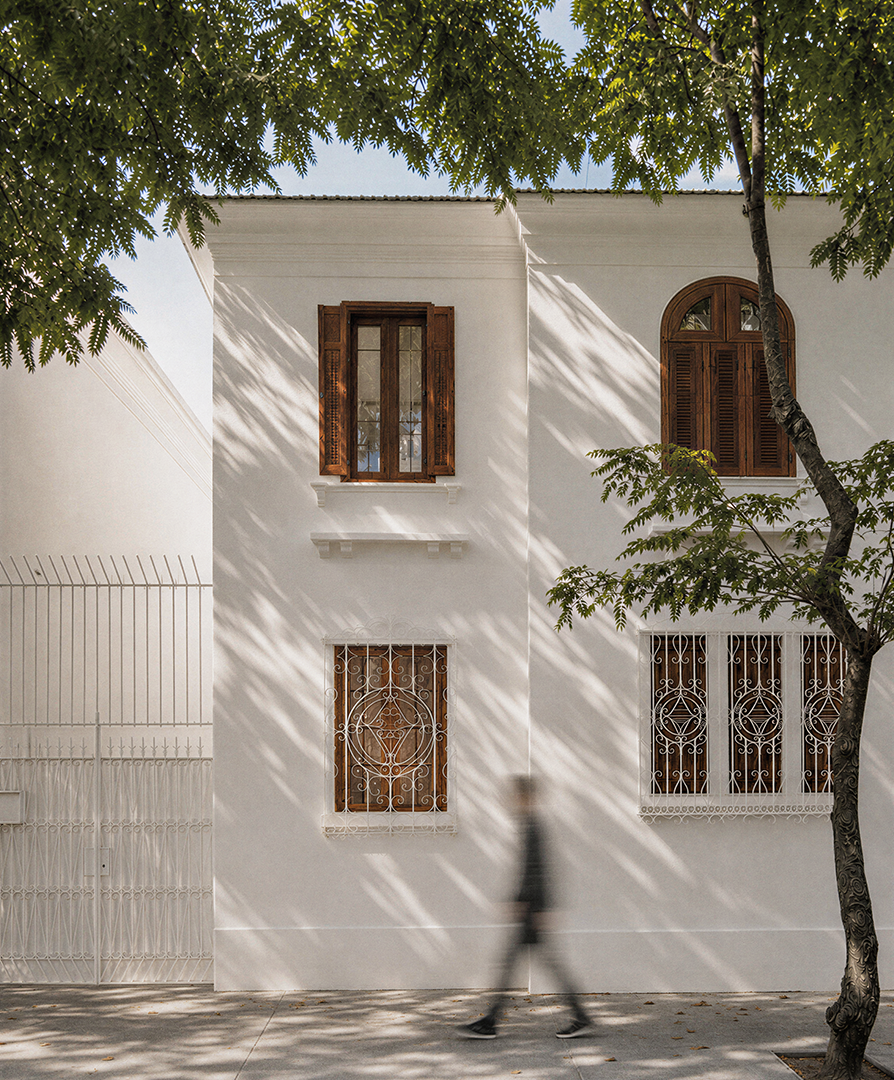
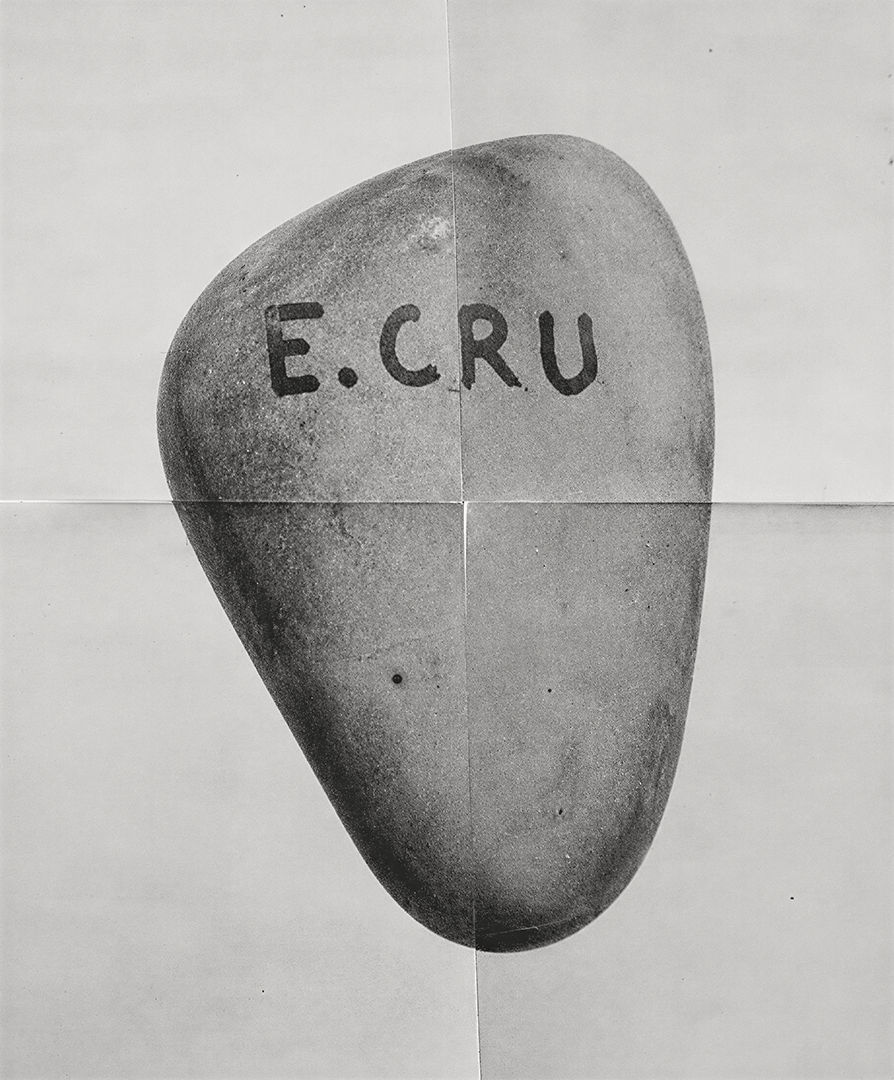
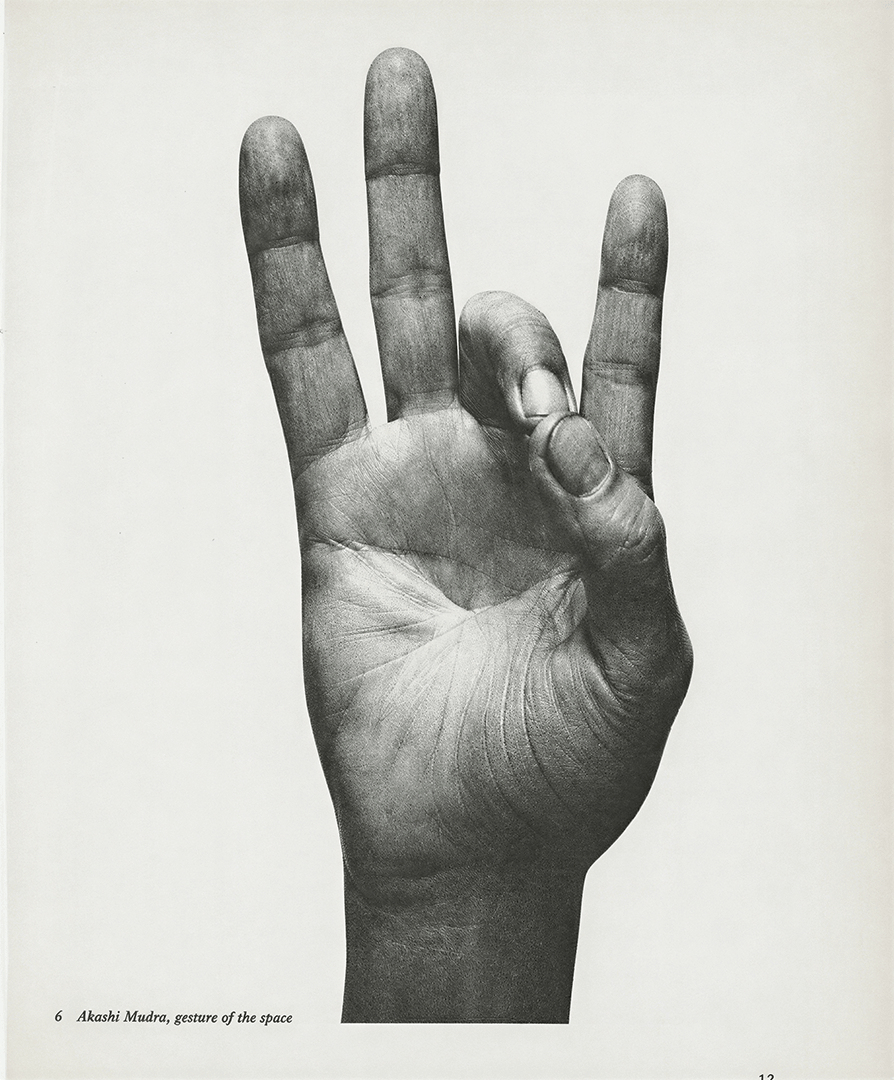
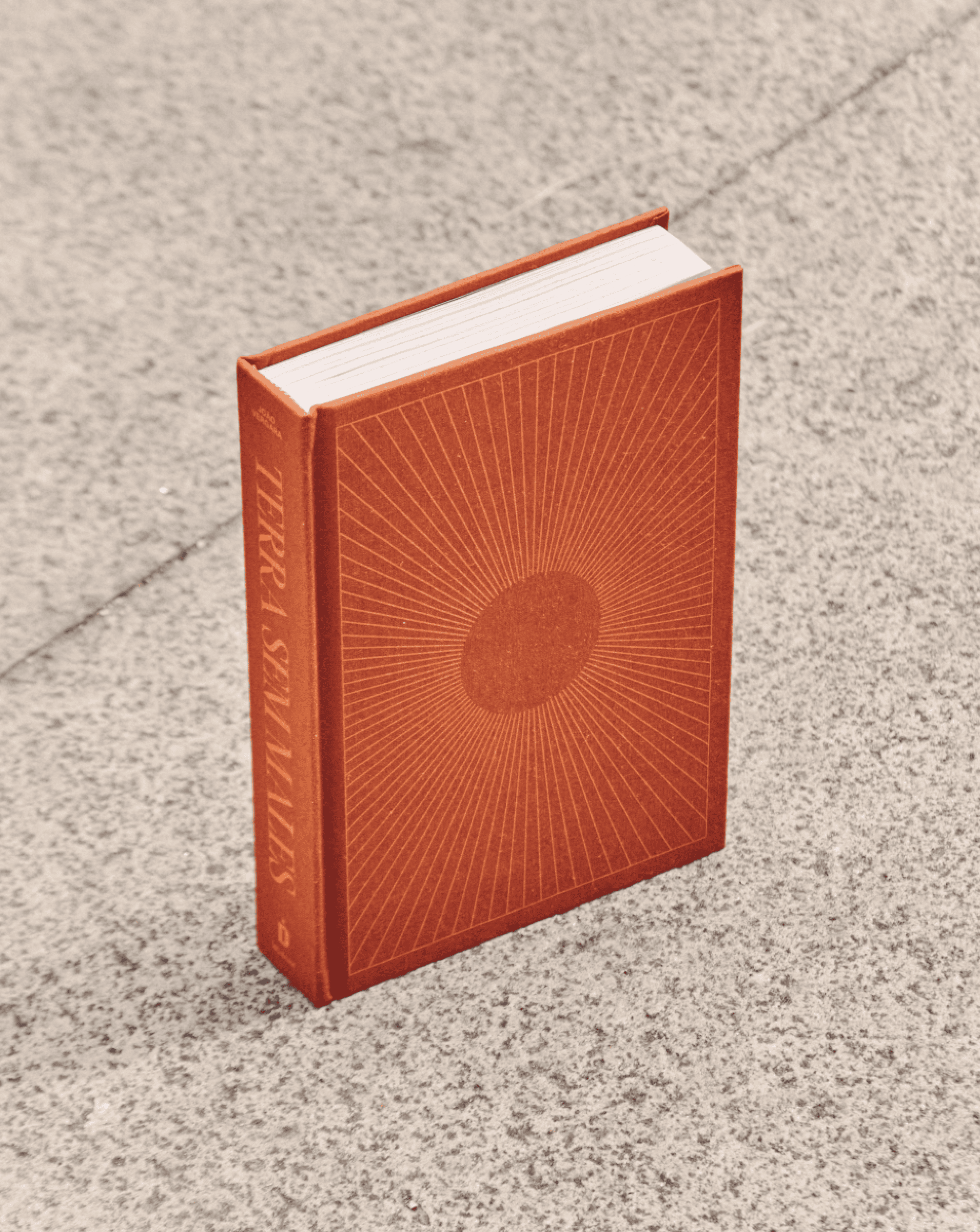
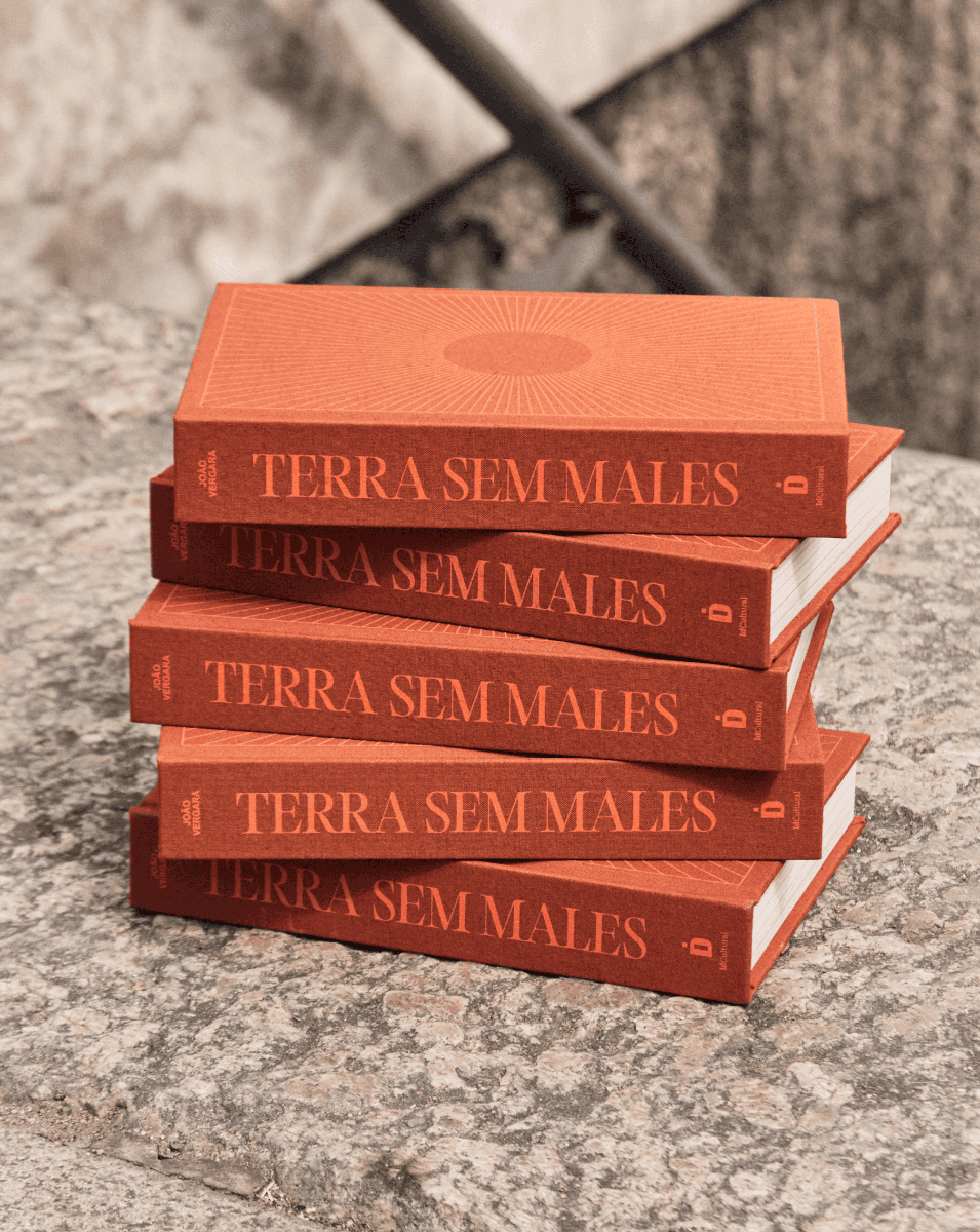
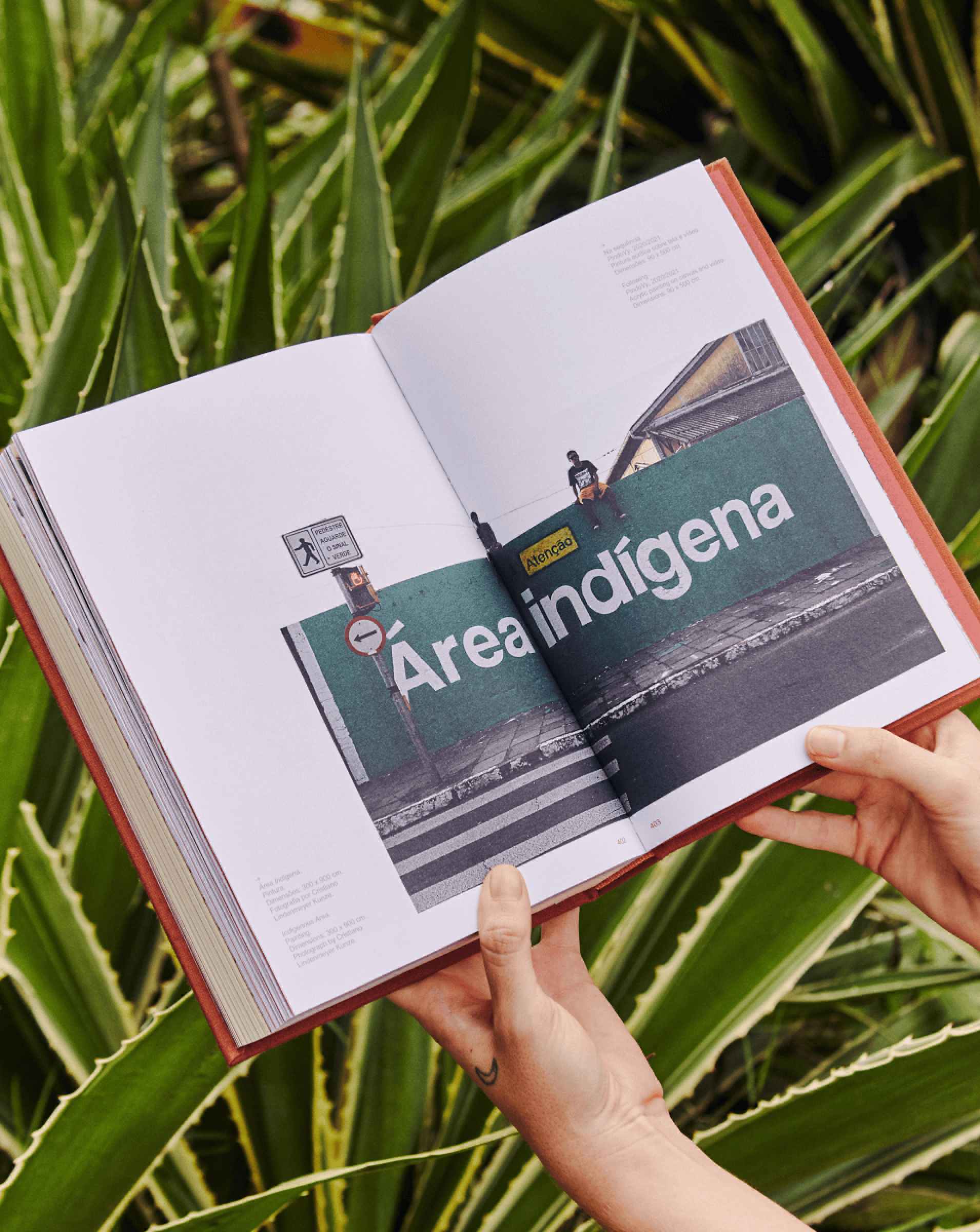
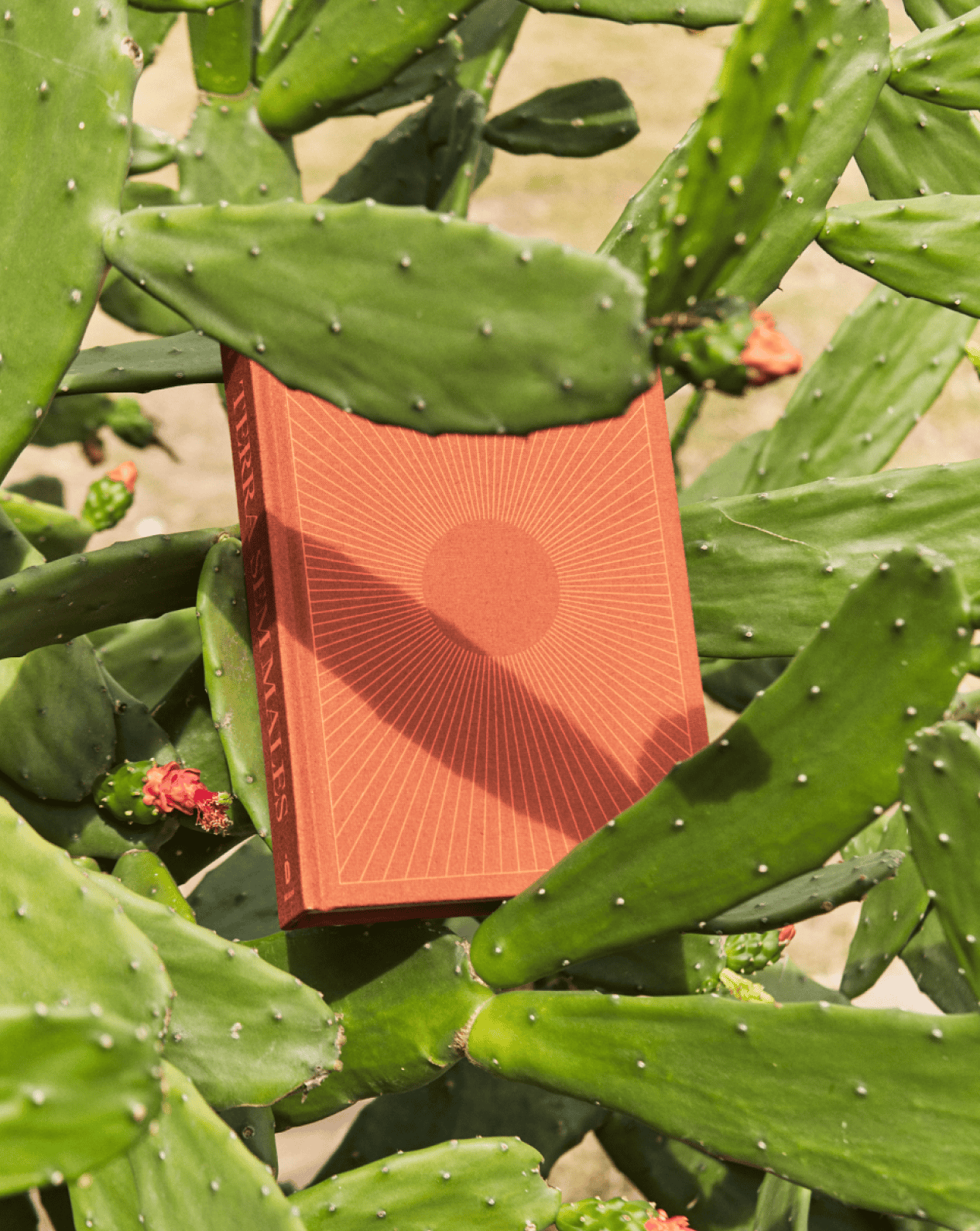
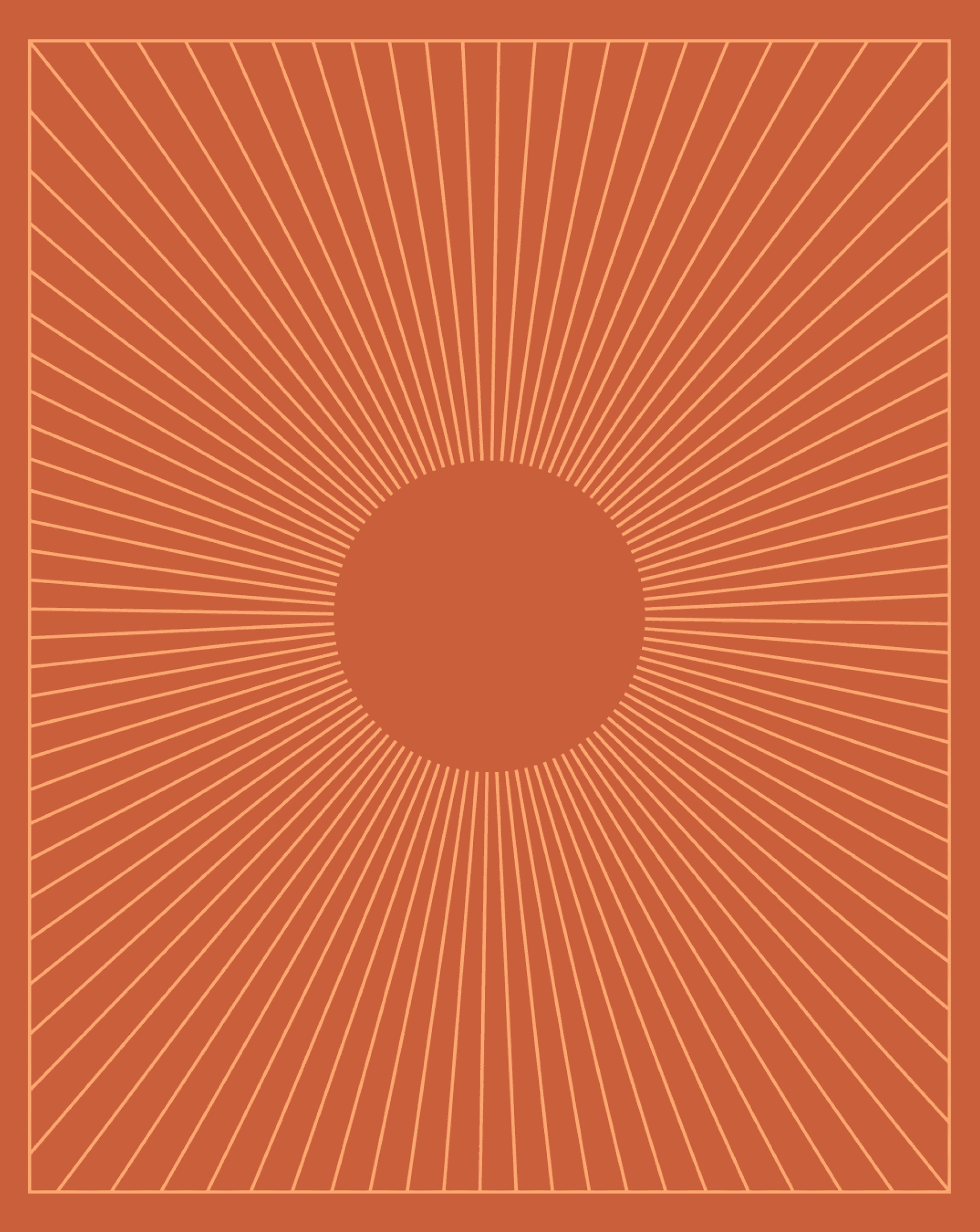
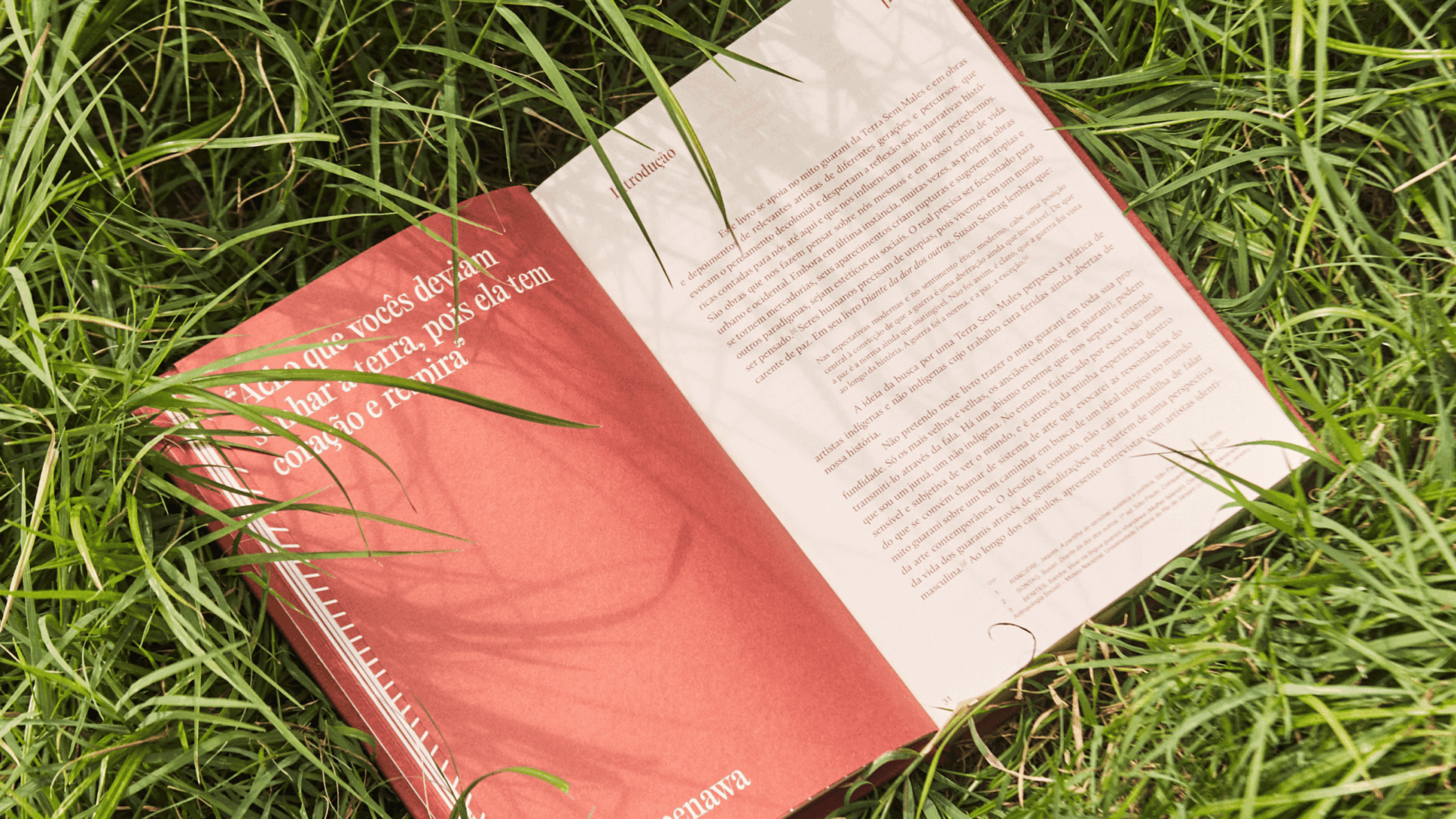
“I think you should dream the earth, because it has a heart and breathes.” The sentence that opens the book also opens the editorial project, guiding an open visual identity that breathes, welcomes, and warms. The rays on the cover run through the pages of Terra Sem Males, spreading across the book as an extension of this idea of collectivity and connection. The publication brings historical facts and contemporary issues together through the Guarani myth of a land where life without suffering would be possible. Written by João Vergara, the book places this vision in dialogue with works by Adriana Varejão, Carlos Vergara, Cildo Meireles, Denilson Baniwa, Hélio Oiticica, Moara Tupinambá, Panmela Castro, Tadáskía, Xadalu Tupã Jekupé, and Vik Muniz. Rather than treating the myth as a distant and unlikely promise, Terra Sem Males turns the image into a question about the present: how can we “be better on this imperfect earth”?
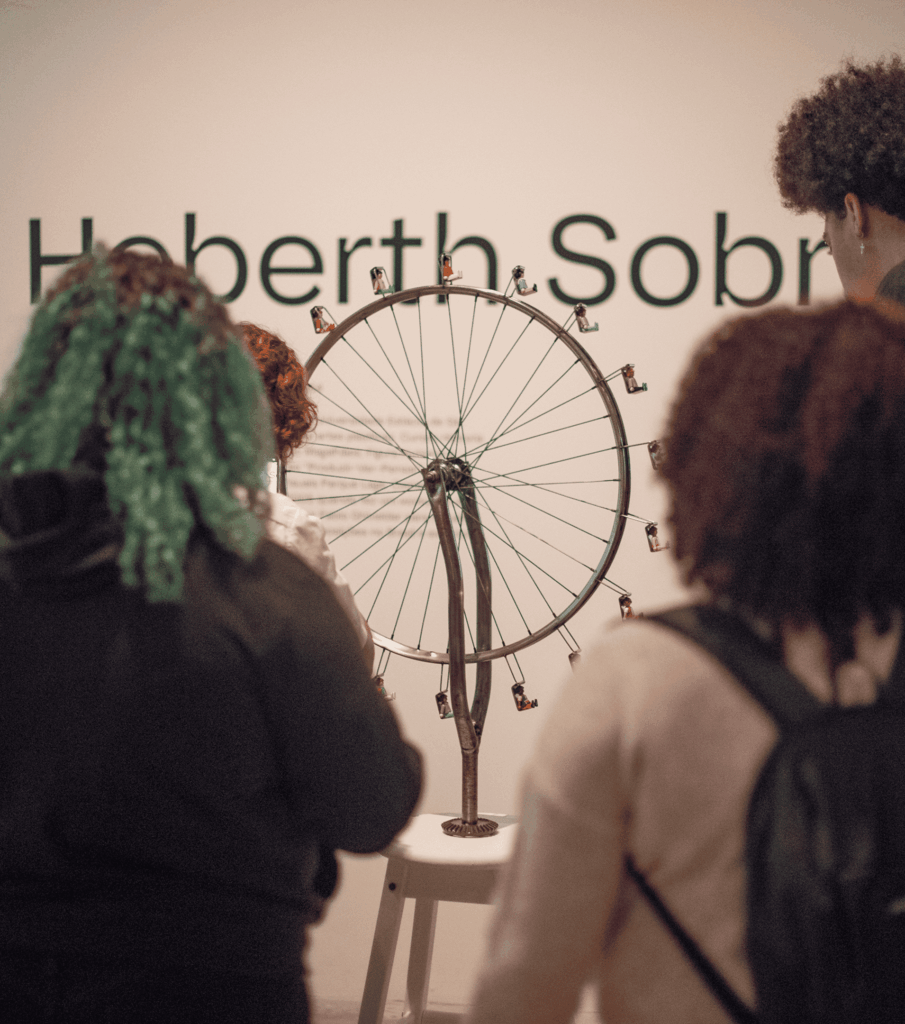
Play is an open-access arts festival that approaches childhood and youth in a diverse, participatory way. By bringing education, culture, and the city closer together, it recognizes children and young people as agents of new ways of learning and occupying space.

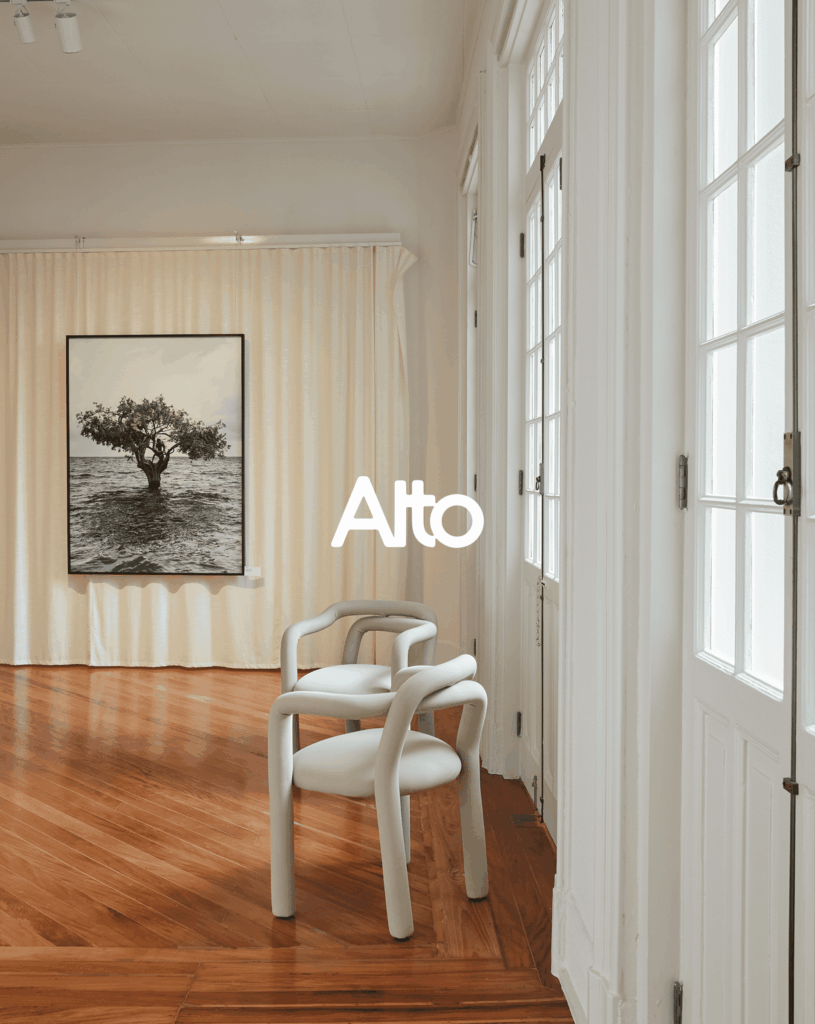

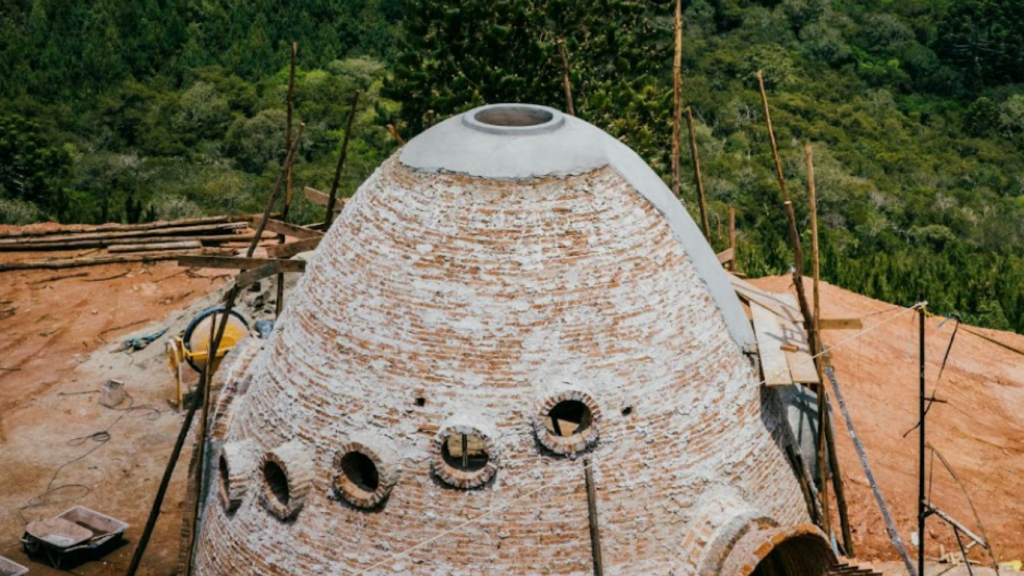
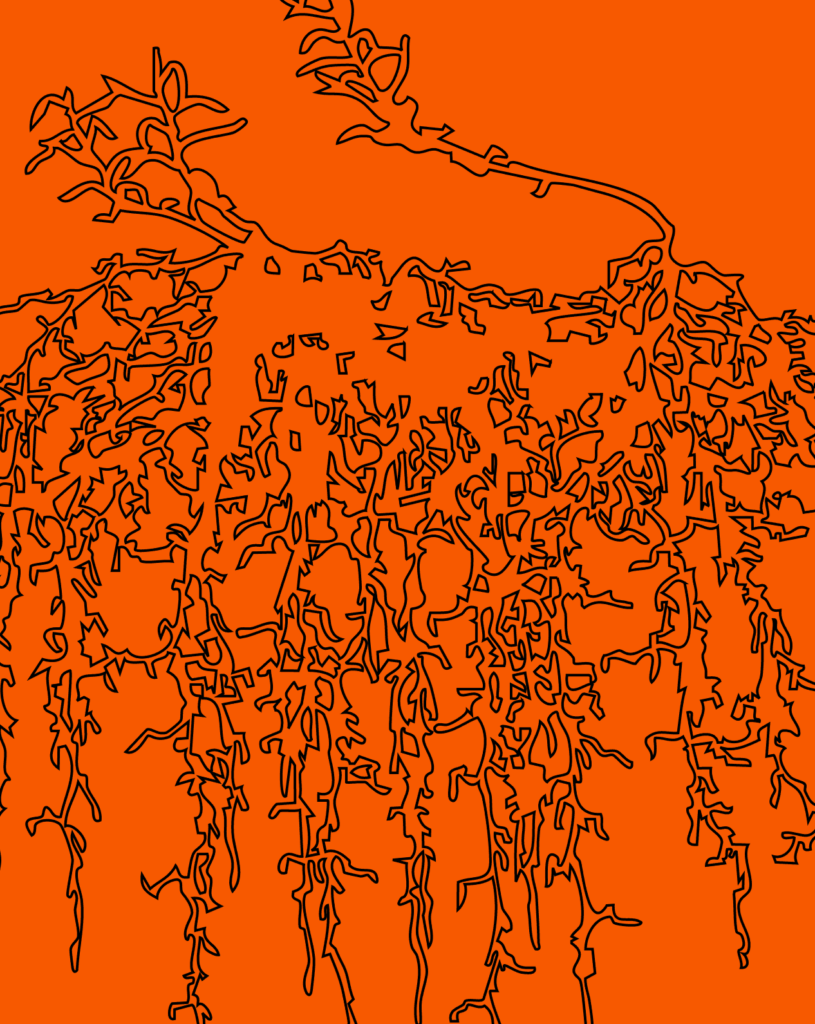
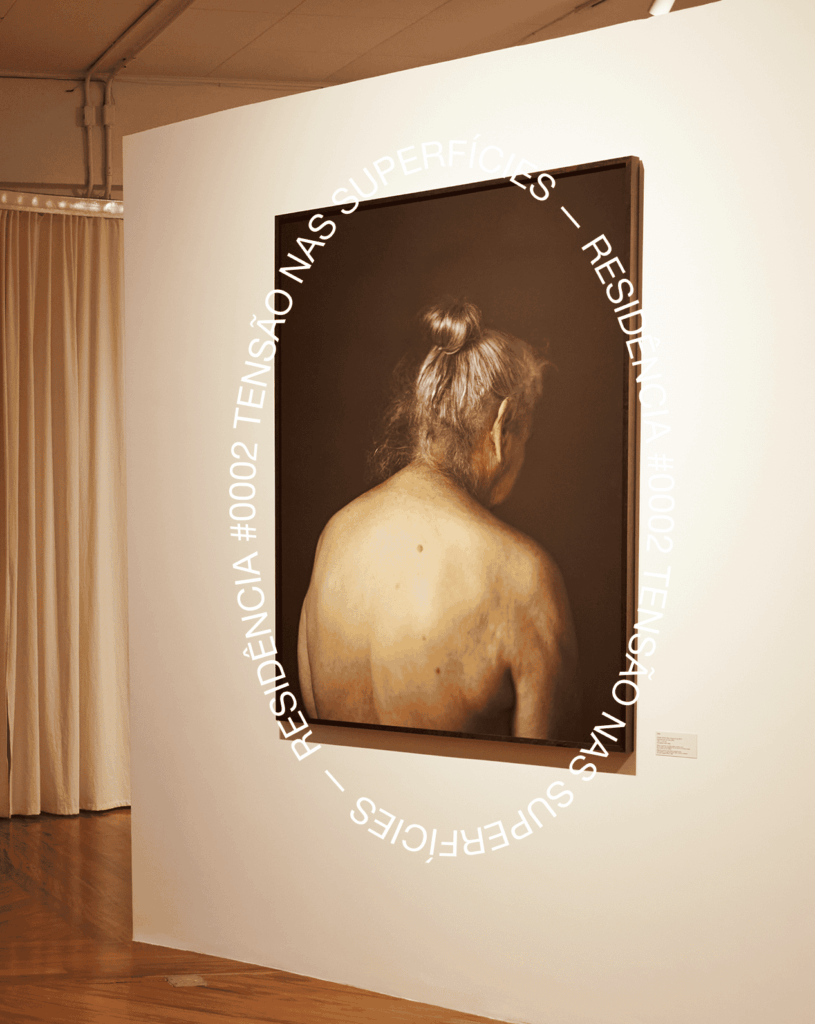
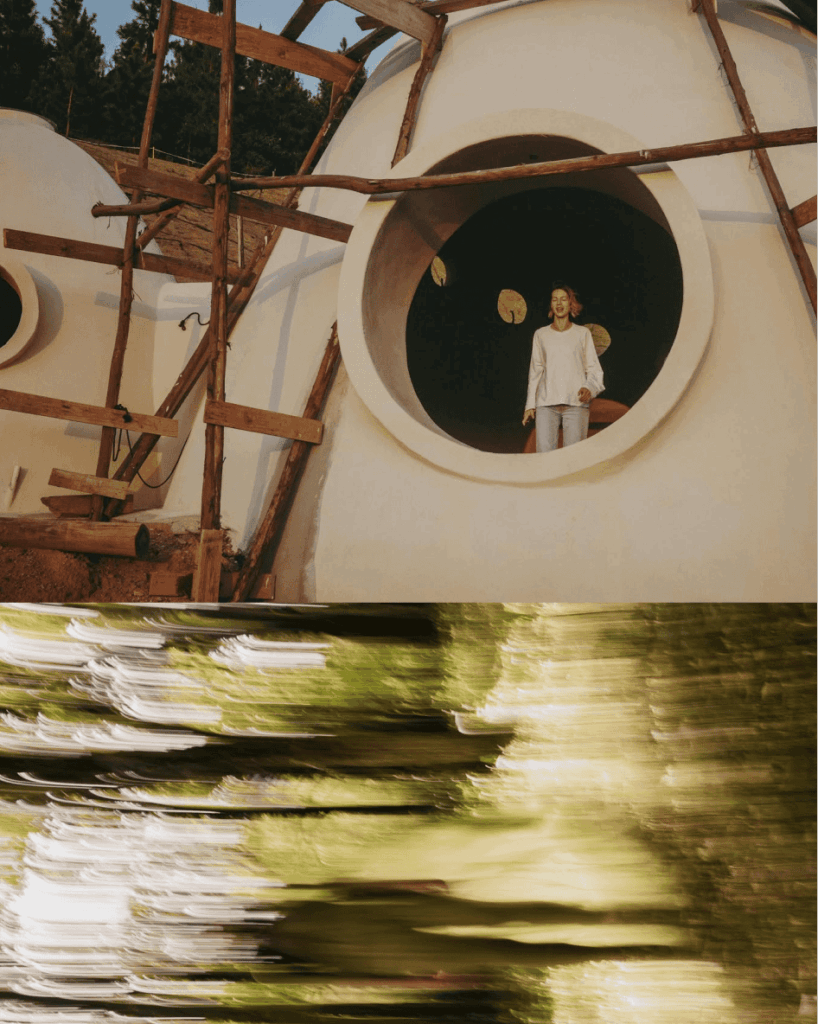
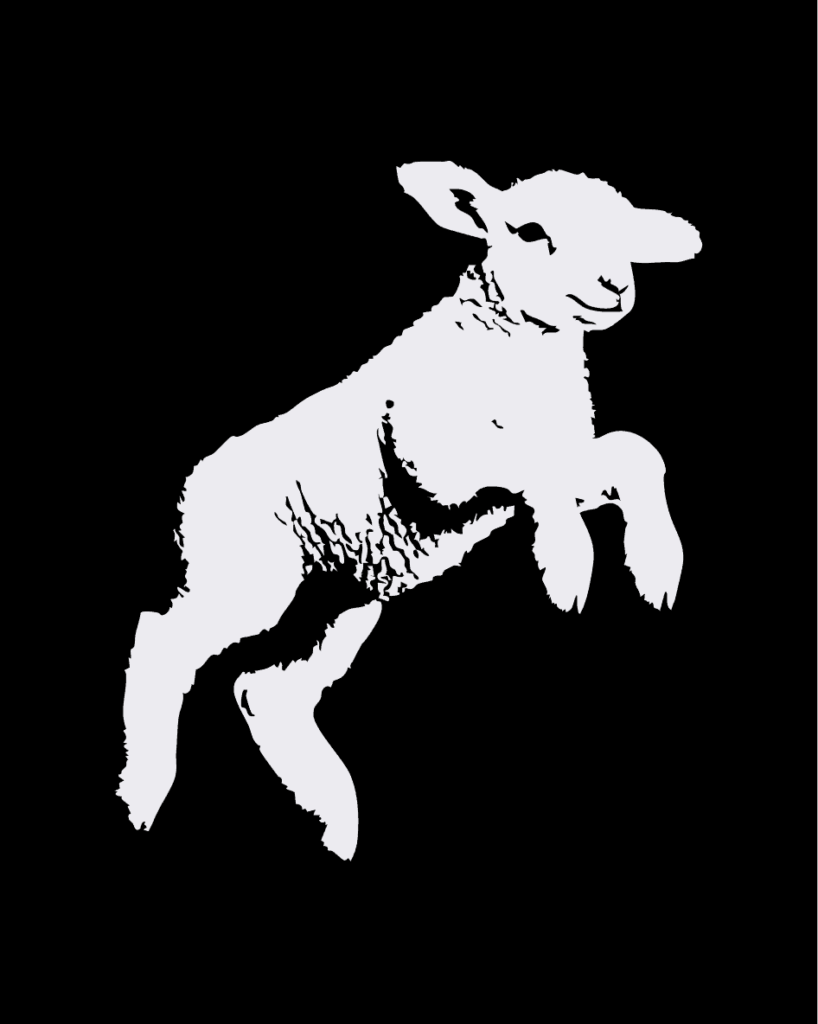
Between São Paulo’s Historic Center and the Serra da Mantiqueira, Instituto Alto connects art, science, ecology, and territory. It is a cultural organization open to different forms of knowledge, supported by a flexible system designed to embrace the institute’s diverse initiatives and create connections across territories and languages.
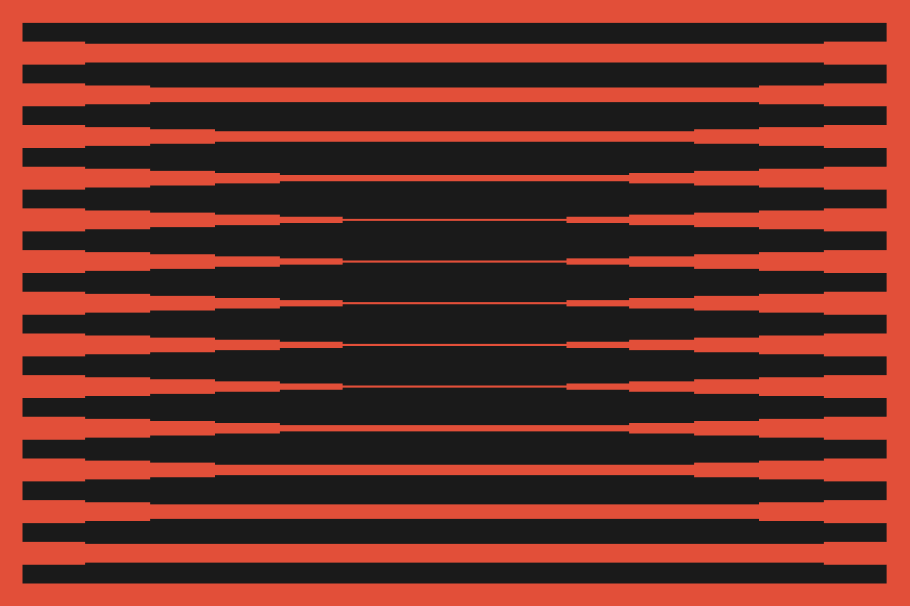

An engineer, urban planner, feminist, and key figure in the making of MAM Rio, Carmen Portinho made the act of designing an instrument of social transformation. The exhibition tells her story and brings together works that reveal the breadth of her thinking.
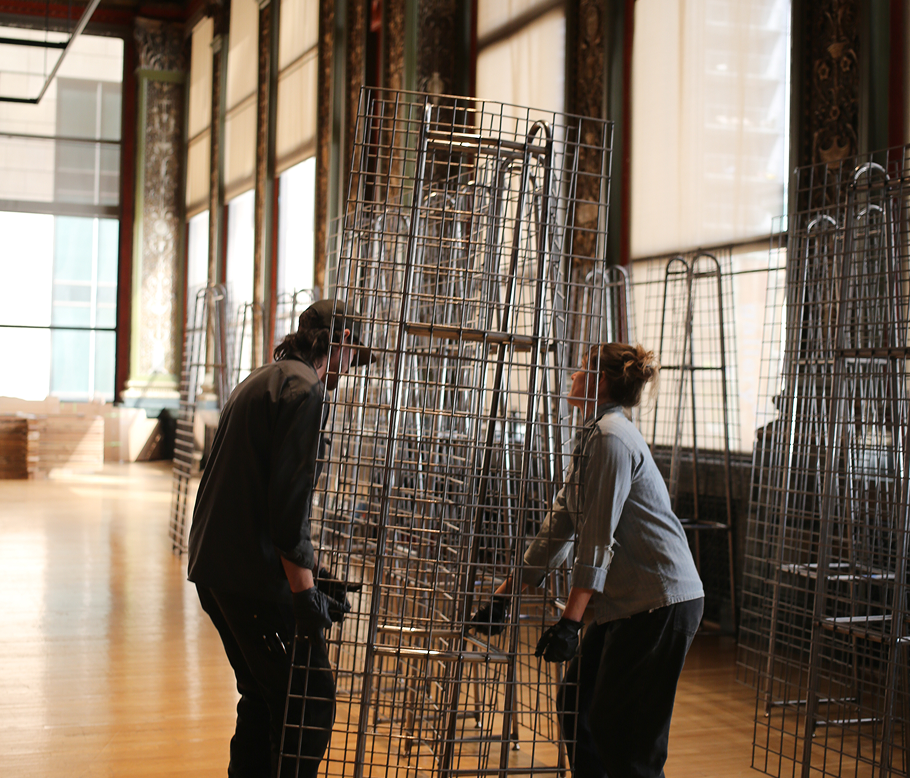
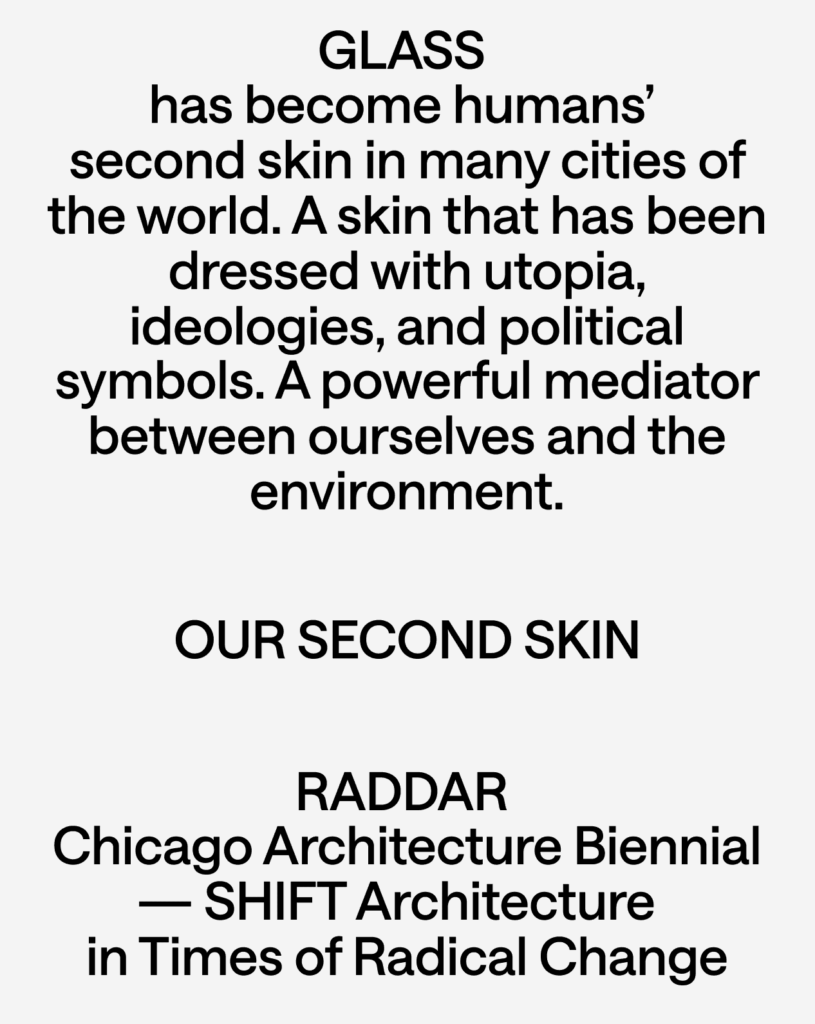
Created by RADDAR for the Chicago Architecture Biennial, Our Second Skin transforms more than 2,200 pieces of glass-manufacturing waste into a translucent skin. We developed the project’s visual identity and poster, seeking to graphically represent this relationship between transparency, opacity, surface, architecture, and transformation.