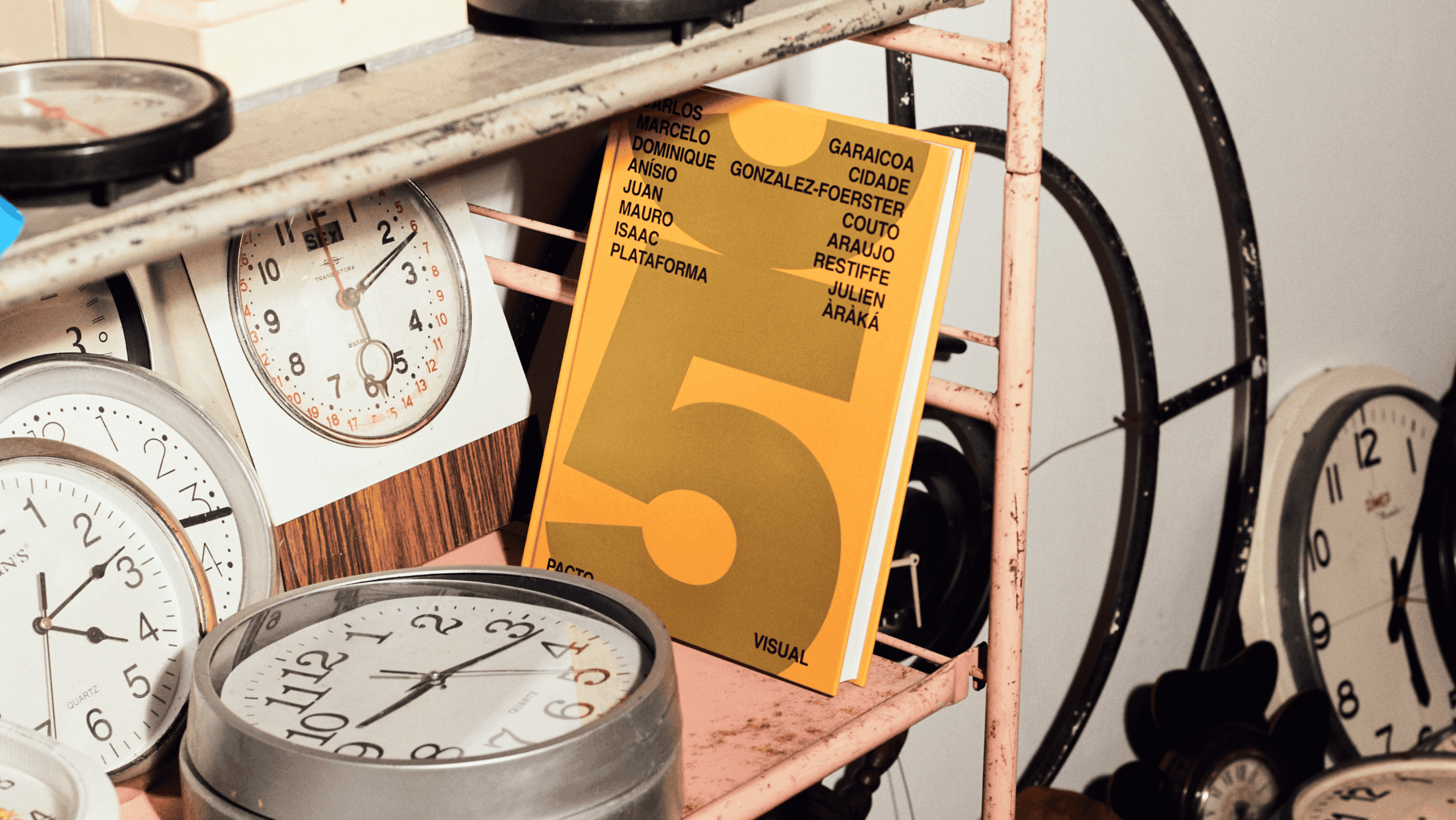
Pacto Visual 5
Editorial, Photography
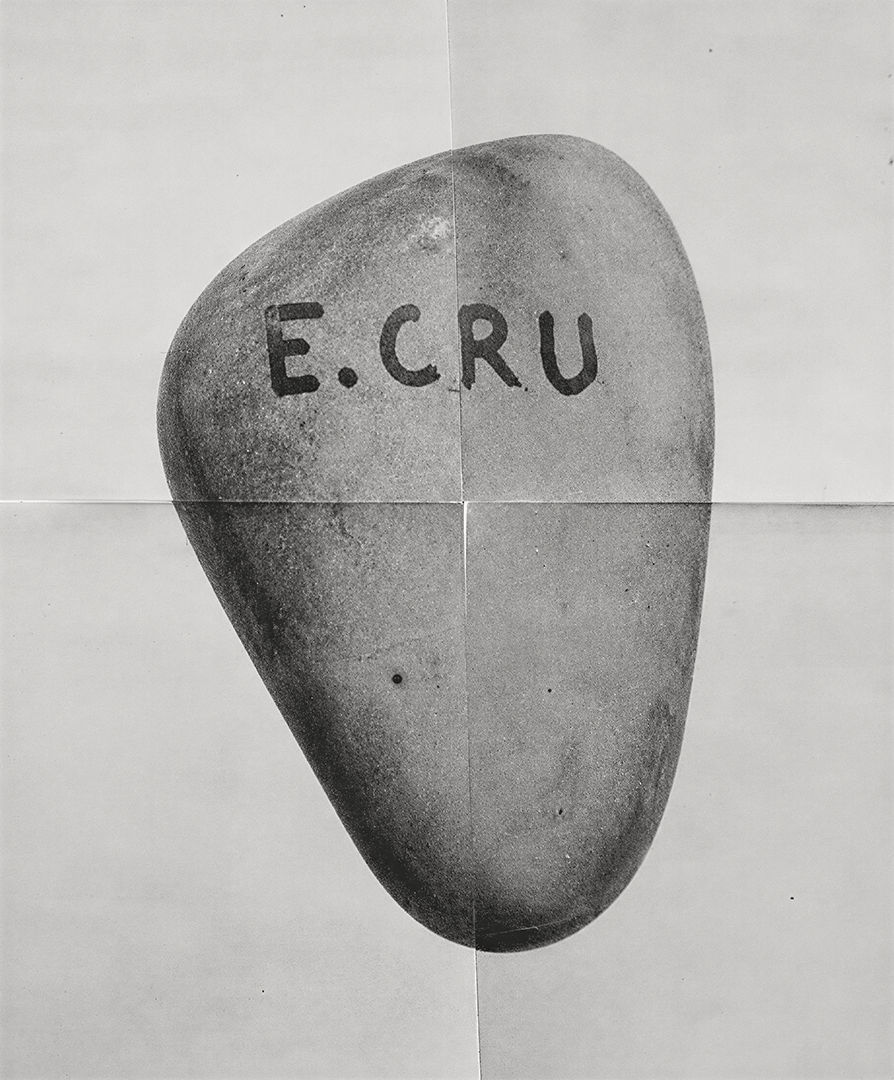
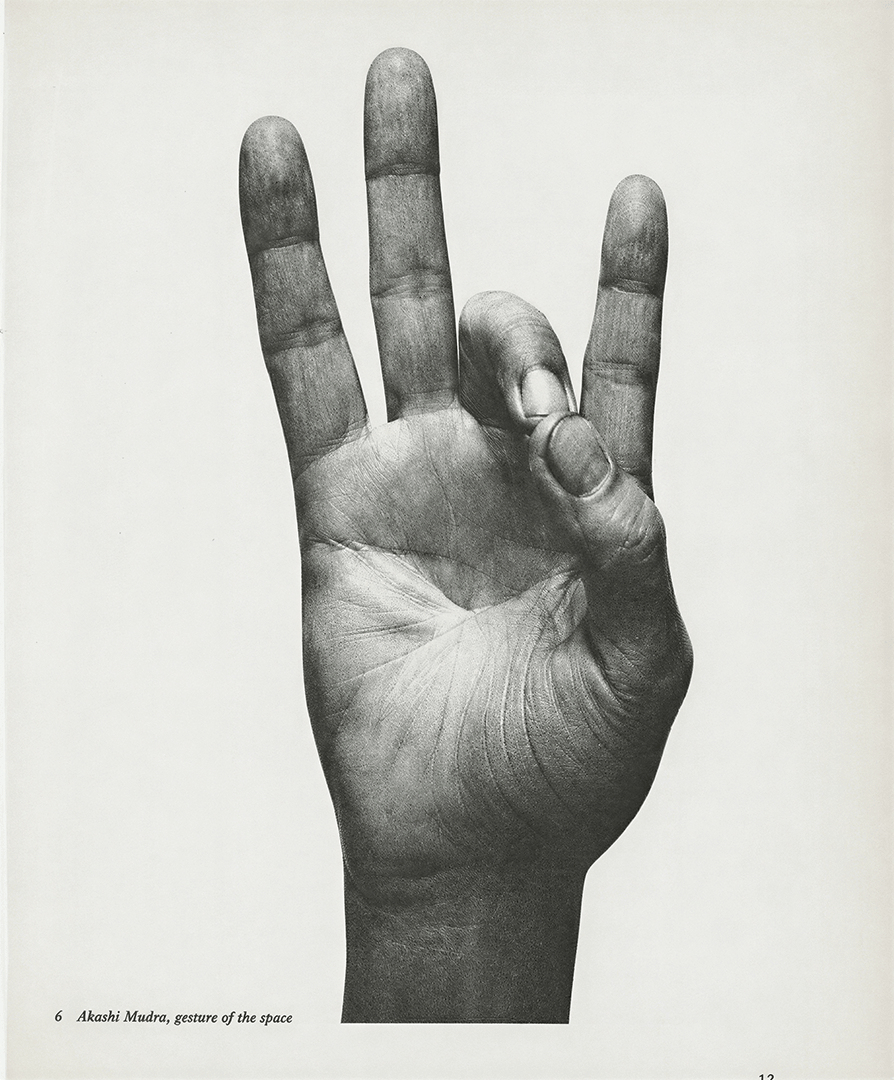
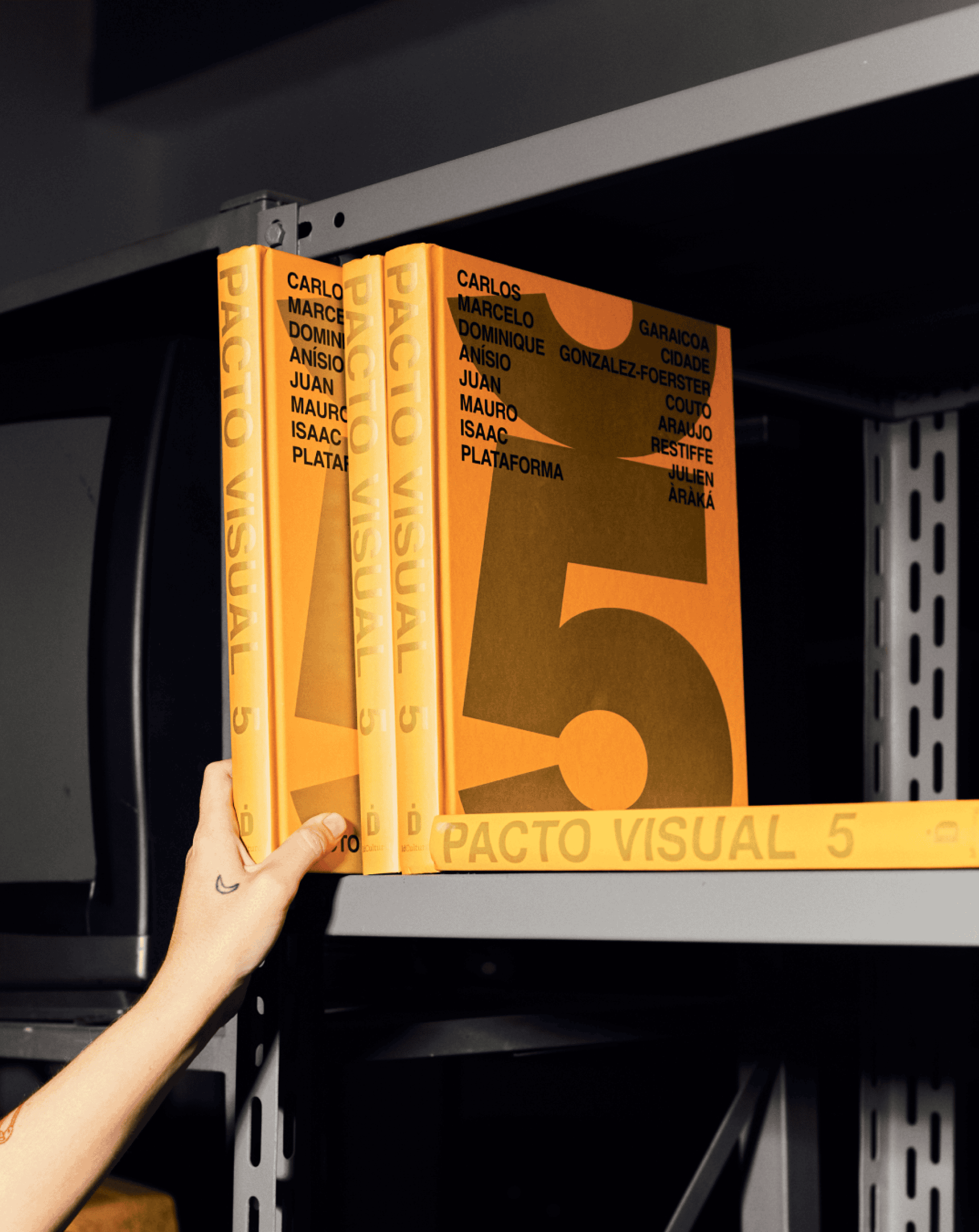
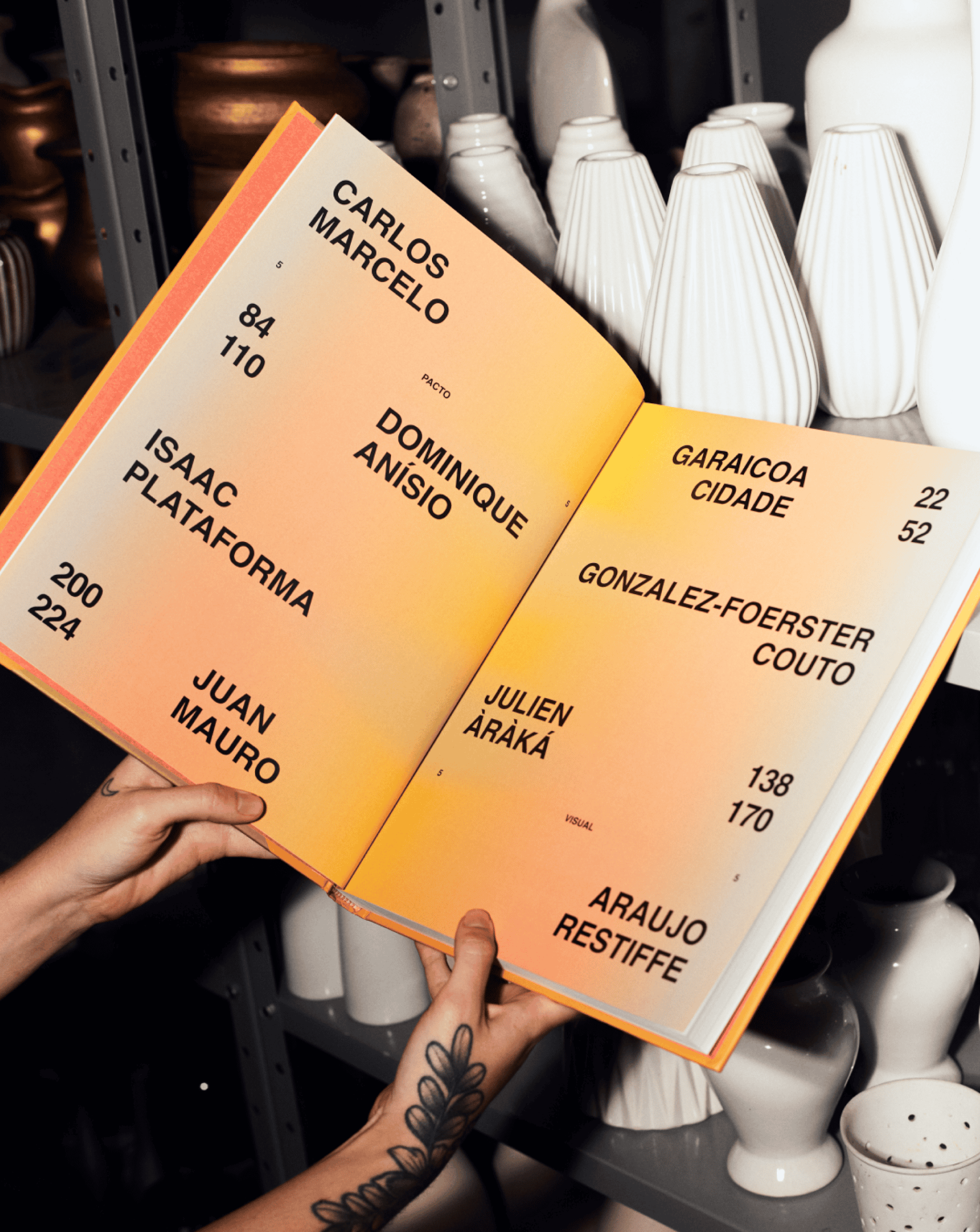
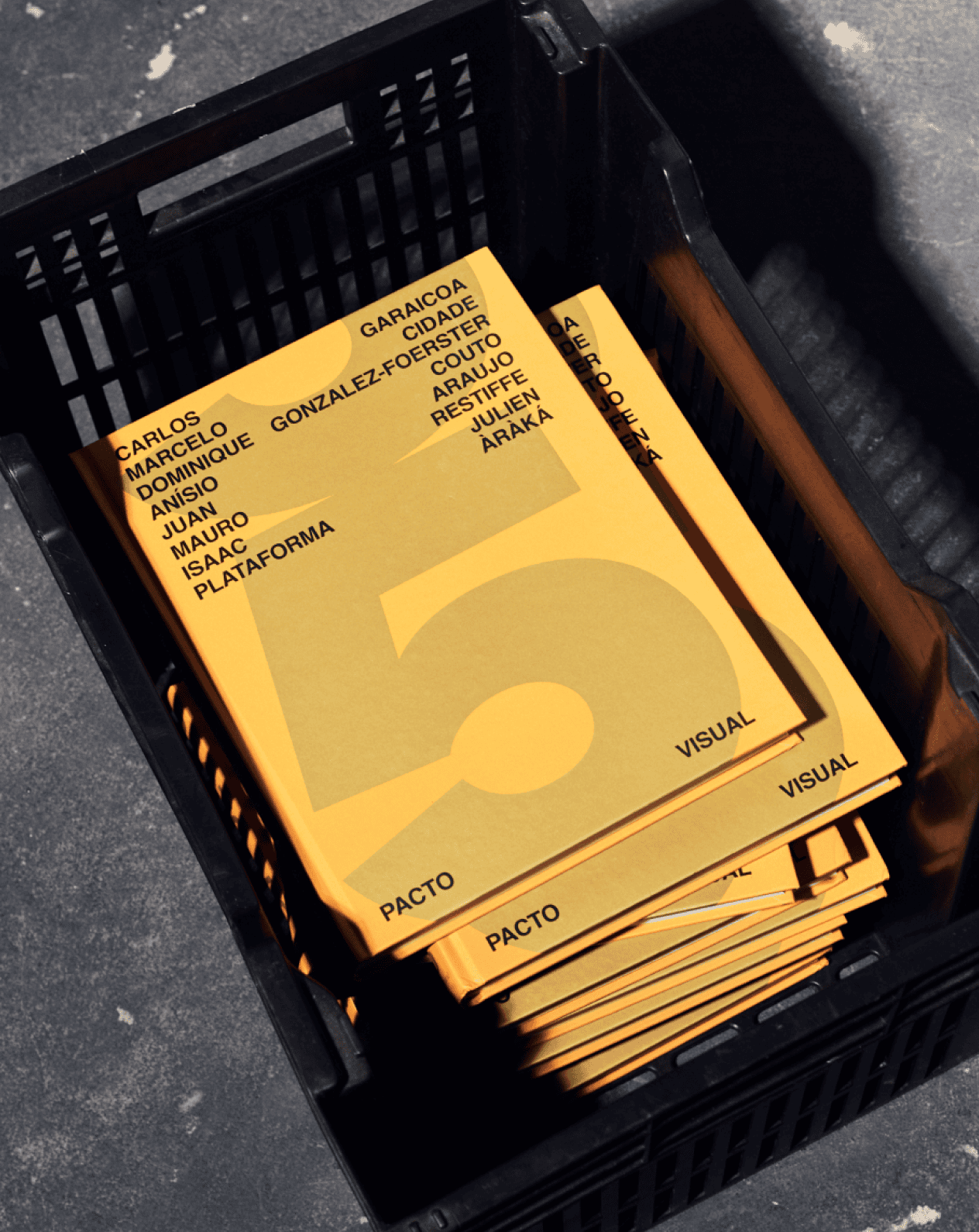
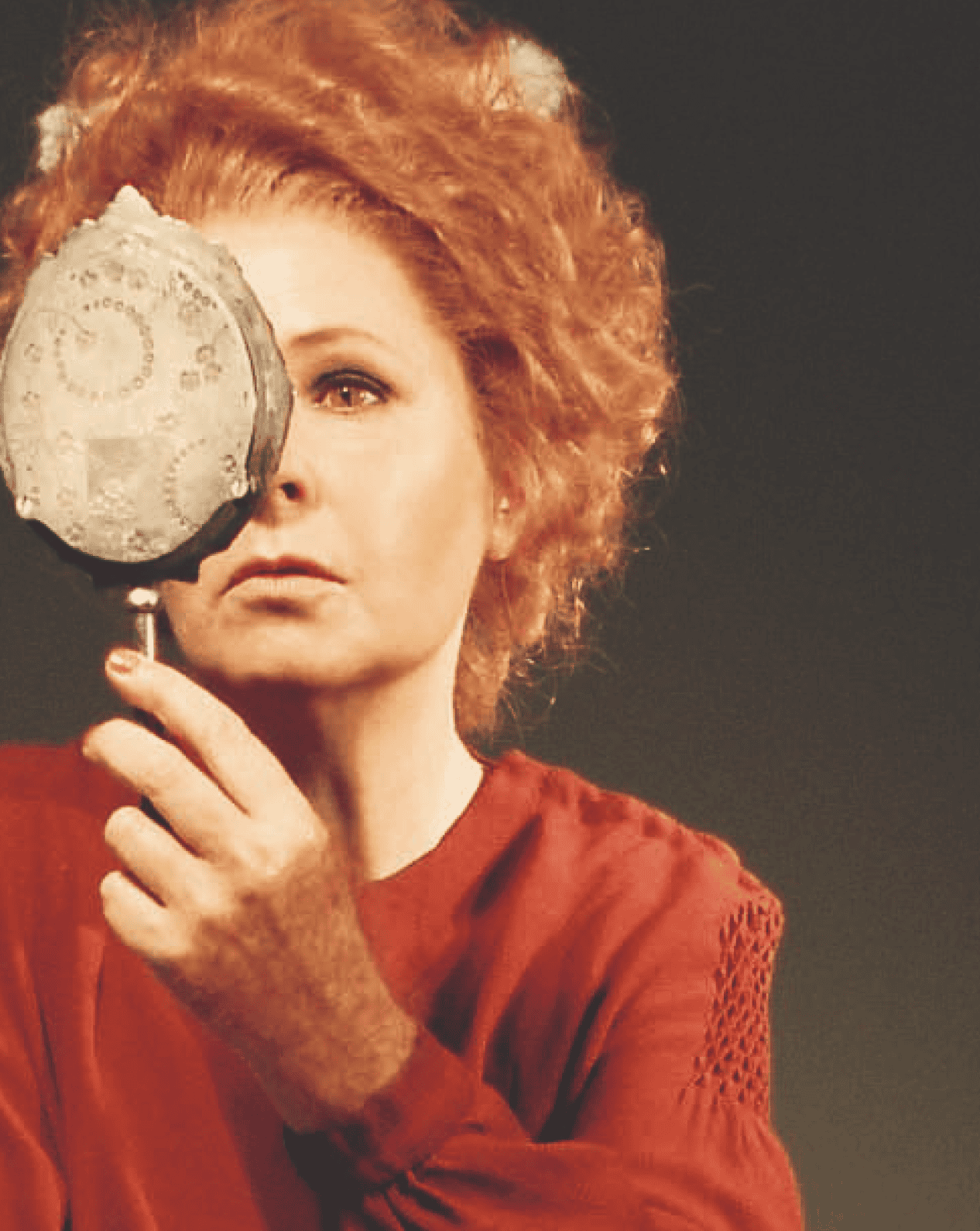
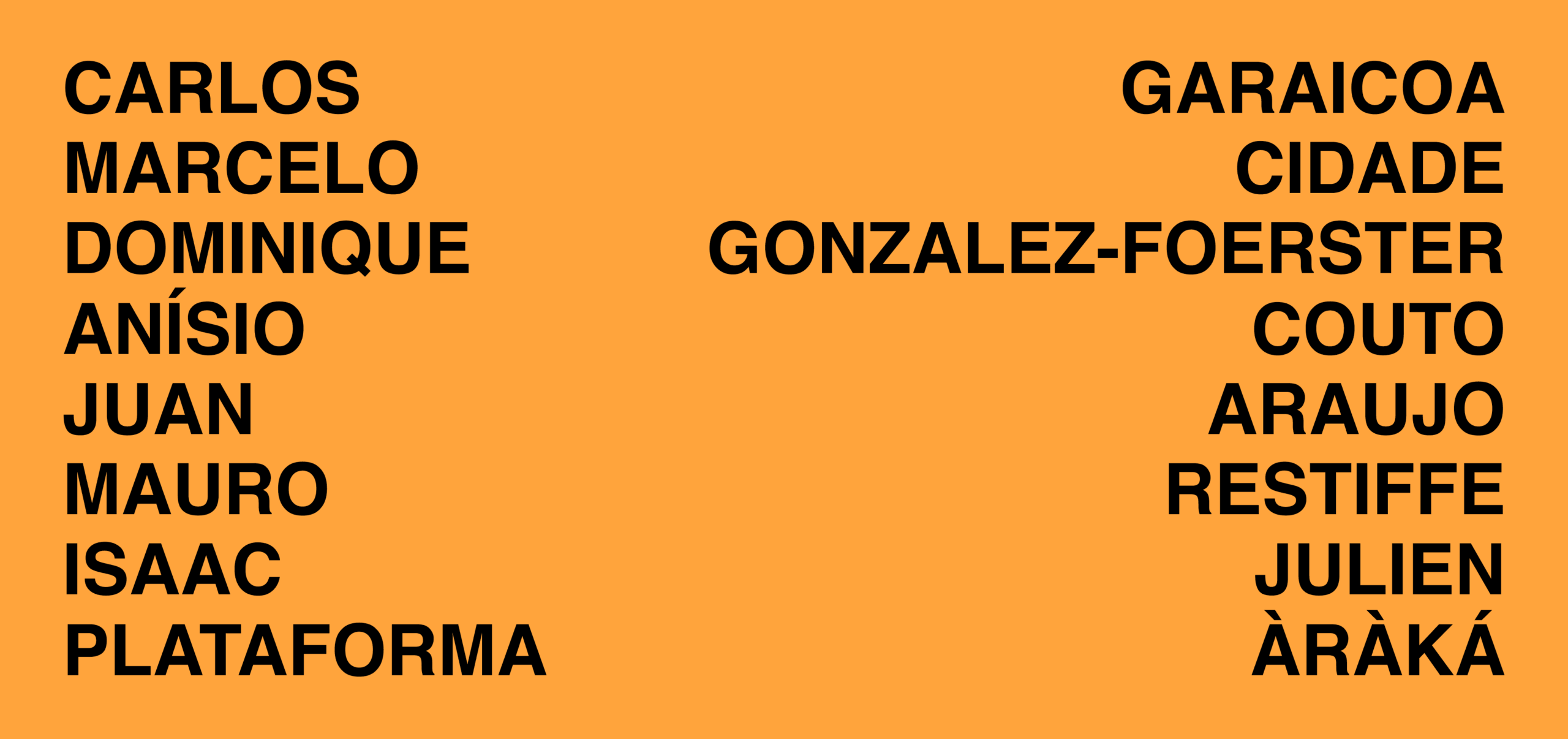
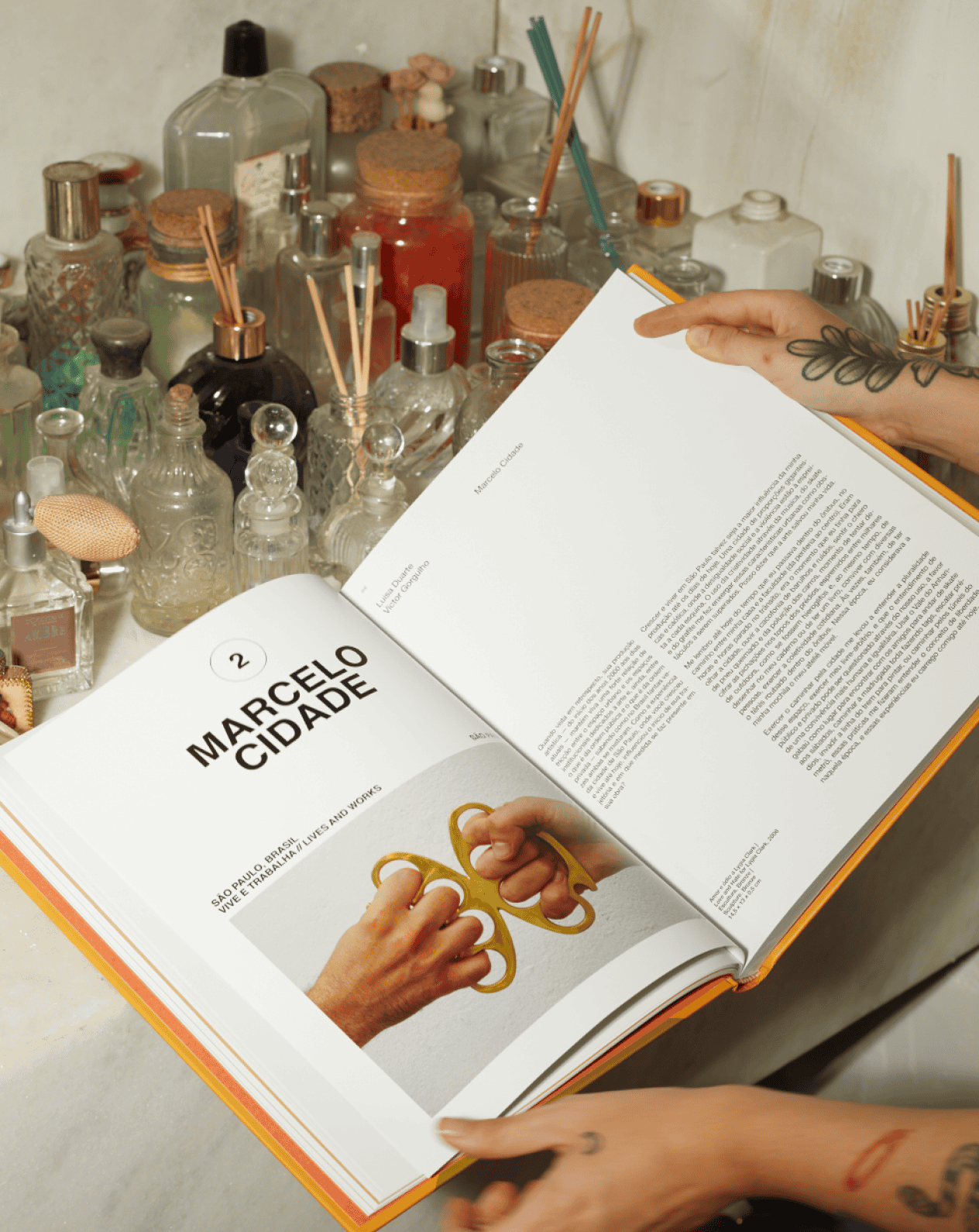
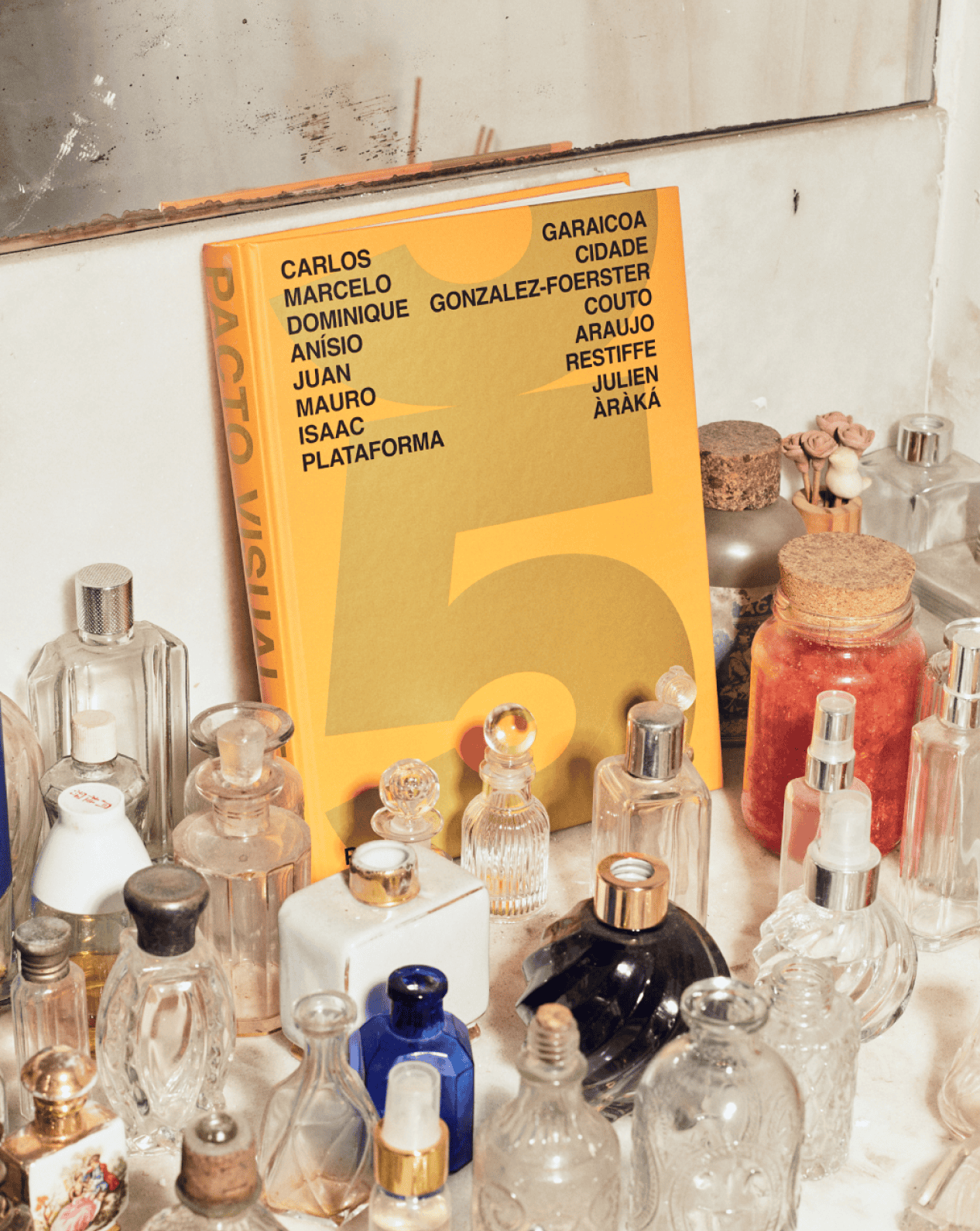
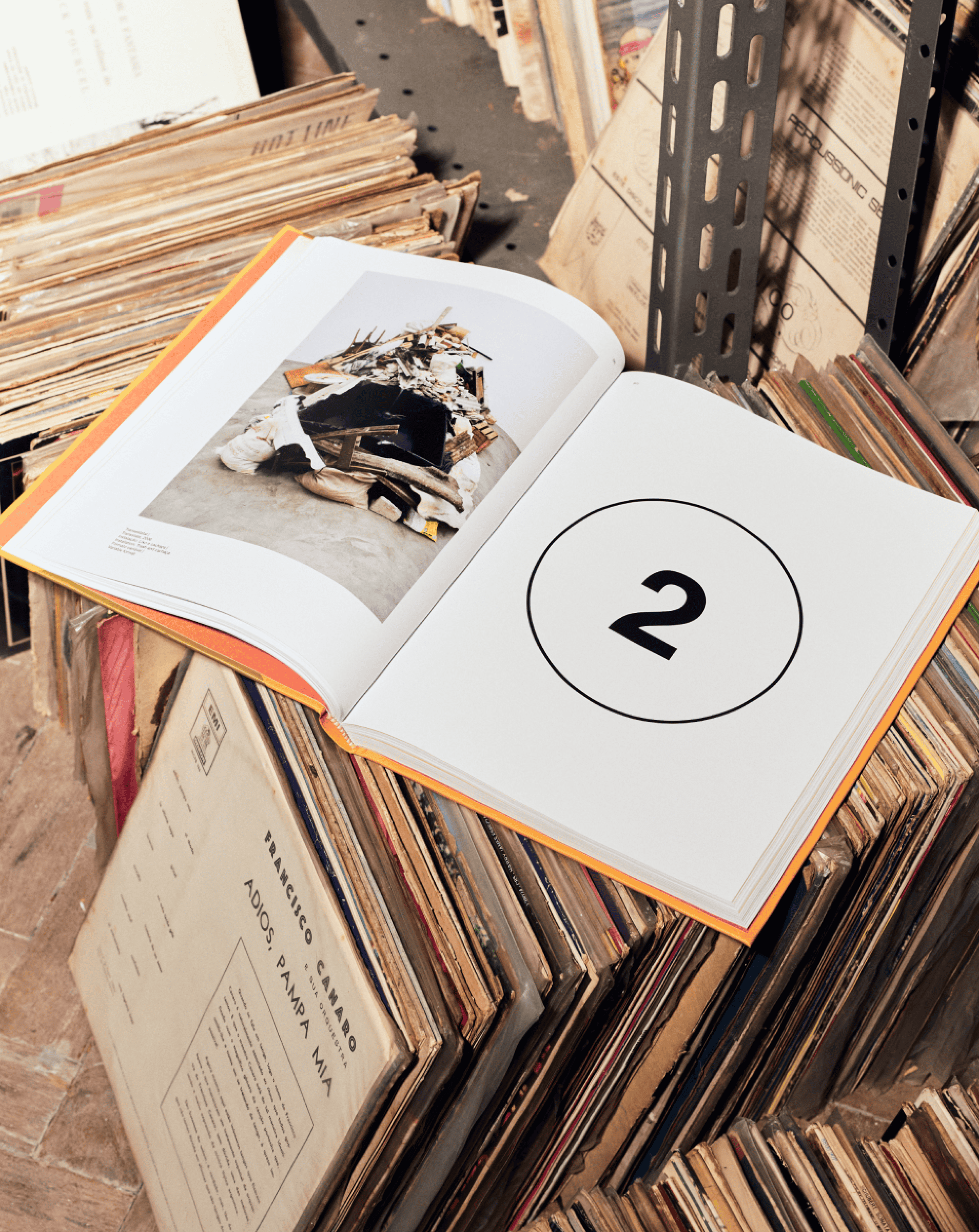
Pacto Visual 5 is a publication built from the encounter between the global contemporary-art circuit and the local context of the visual arts, investigating how relationships are formed through another person’s gaze. The publication connects artists with different approaches through a gesture of nomination: each invited artist chooses another to join the conversation. The choices create pairs, but not closed relationships. Through interviews with the eight figures, the book traces affinities, tensions, influences, and distances that run through each poetic universe and its ties to Brazil. The result is a field of relationships formed by expanding displacements. The editorial project follows this idea of exchange and encounter, leading to a book that understands editing as a way to broaden connections and reveal possibilities. It shows that the pact in the title takes place precisely in the act of looking through another person’s eyes and discovering new forms of closeness.




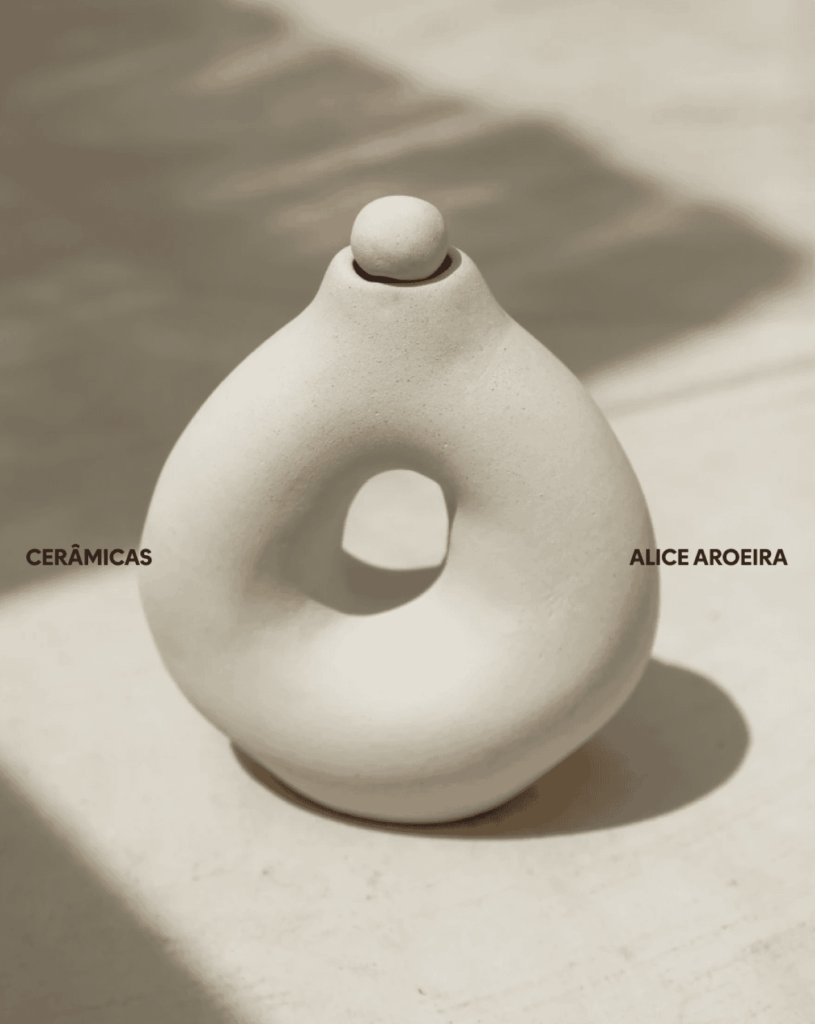
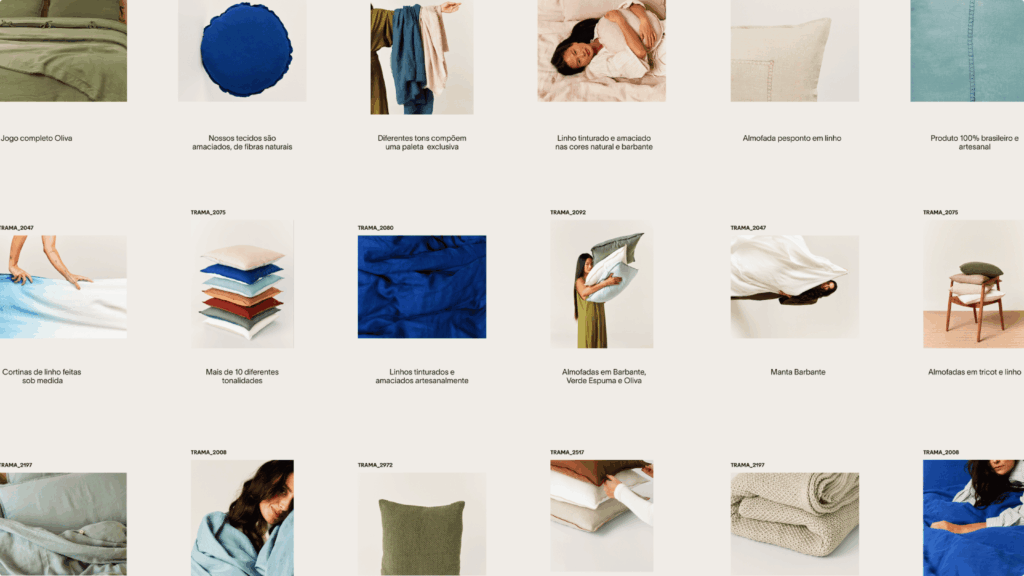

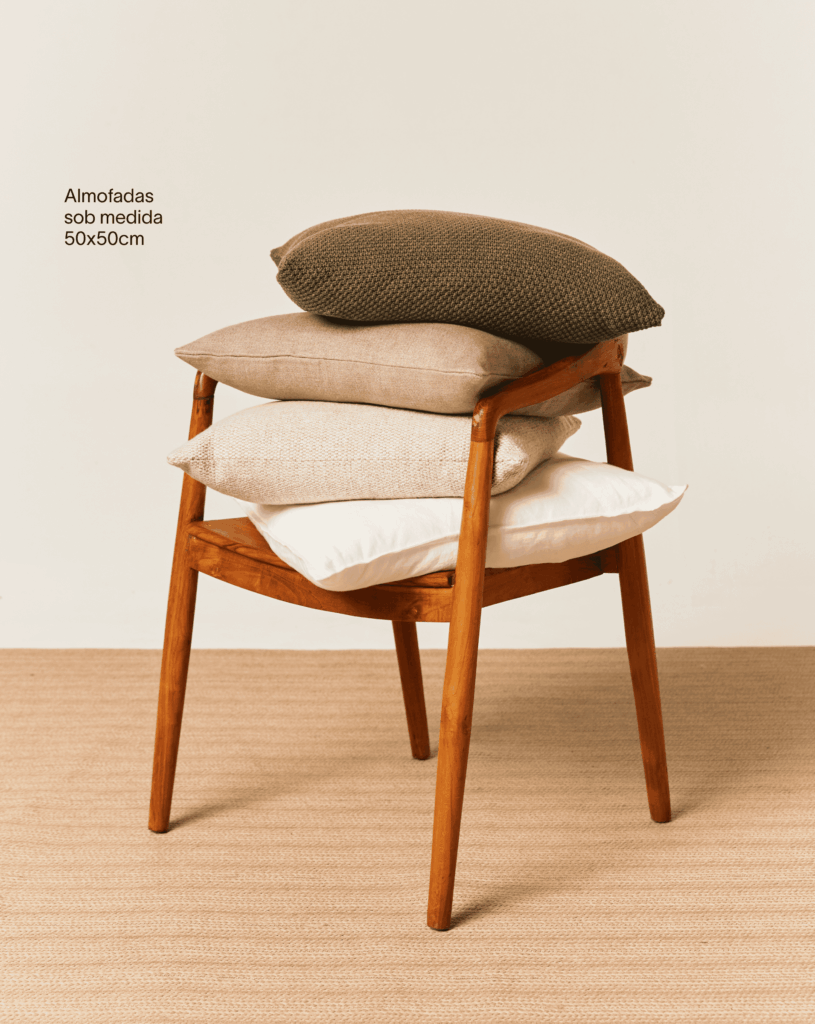
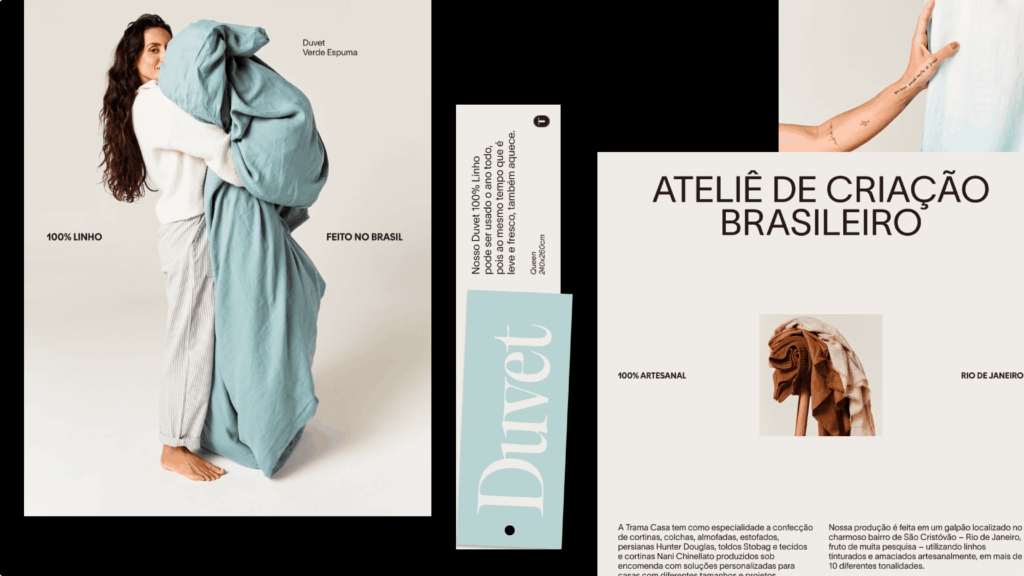
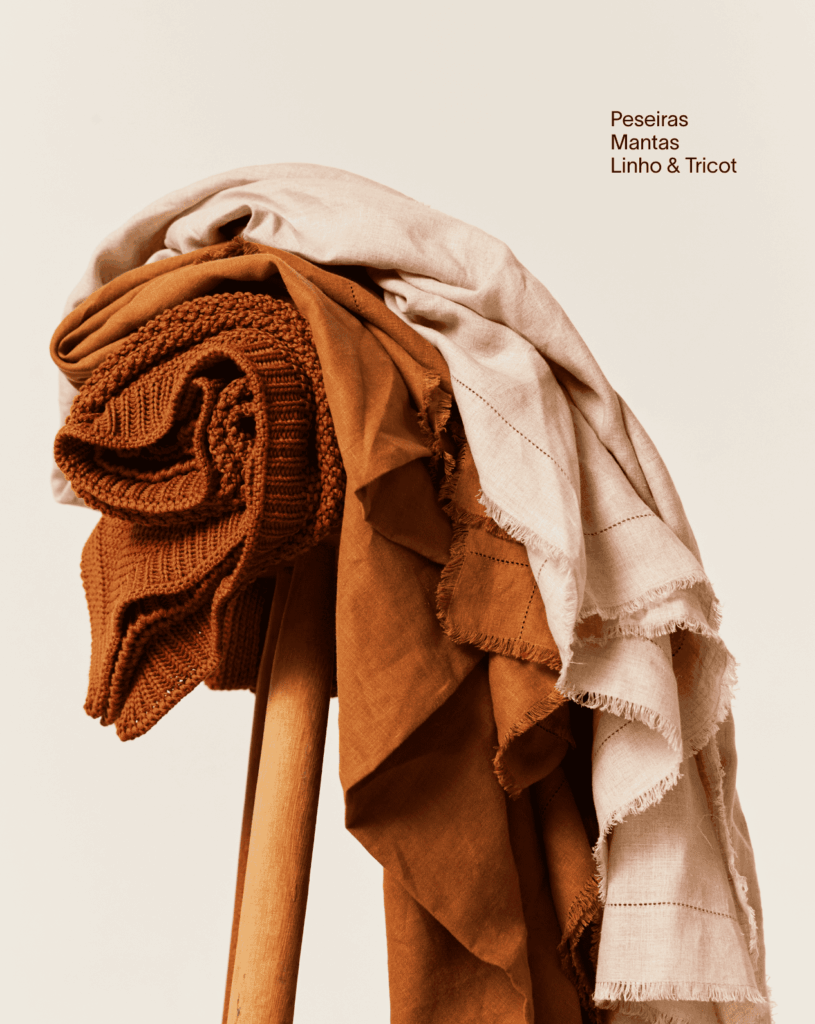
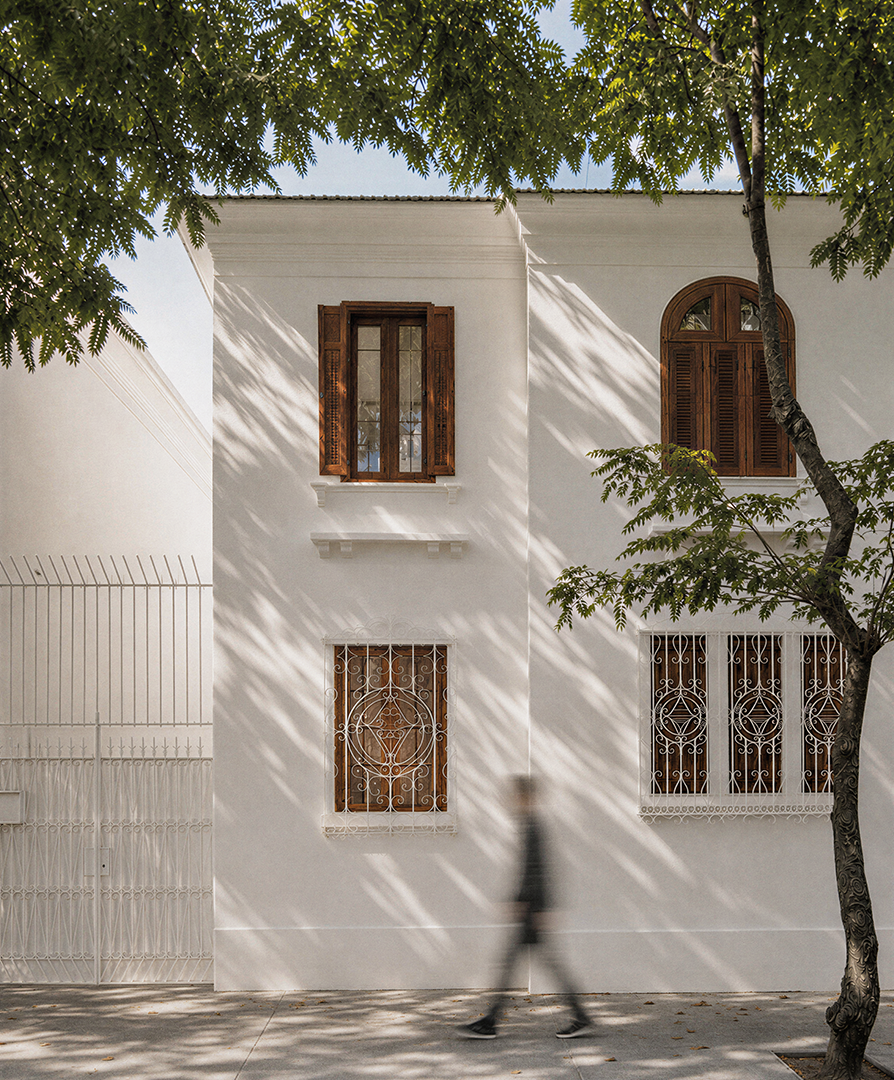
We led Trama’s rebranding process, reaffirming the brand as a creative studio dedicated to the home and the beauty of everyday life. We developed a broader, more sensitive visual identity, accompanied by photography and audiovisual production that foreground the quality of the materials and the wisdom of craft.
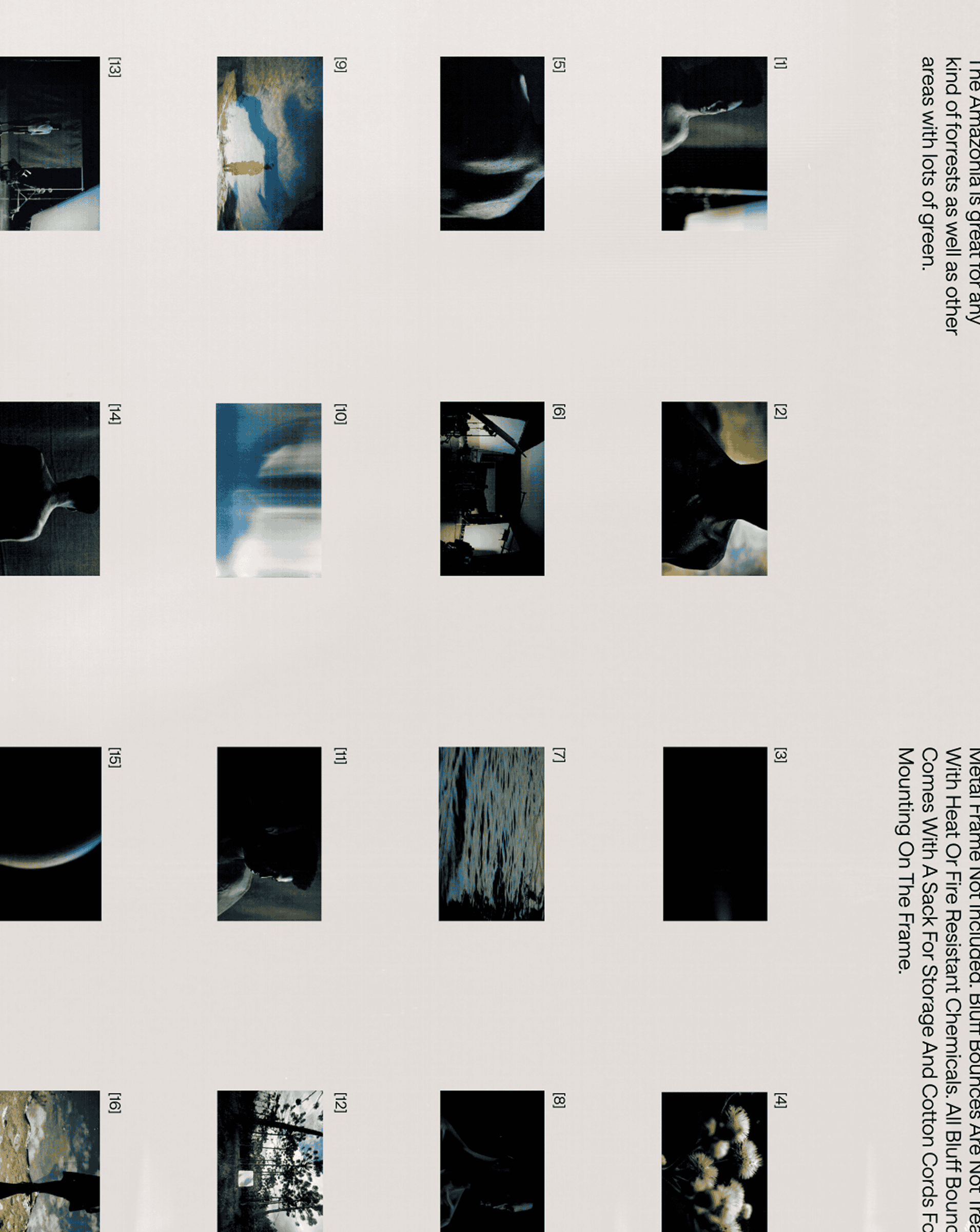
Created by cinematographer Nicholas Bluff, Bluff Bounce develops reflectors for more natural lighting. We developed a precise, restrained graphic system inspired by the sensibility of someone who understands that lighting is also about choosing how to look.
Play is an open-access arts festival that approaches childhood and youth in a diverse, participatory way. By bringing education, culture, and the city closer together, it recognizes children and young people as agents of new ways of learning and occupying space.
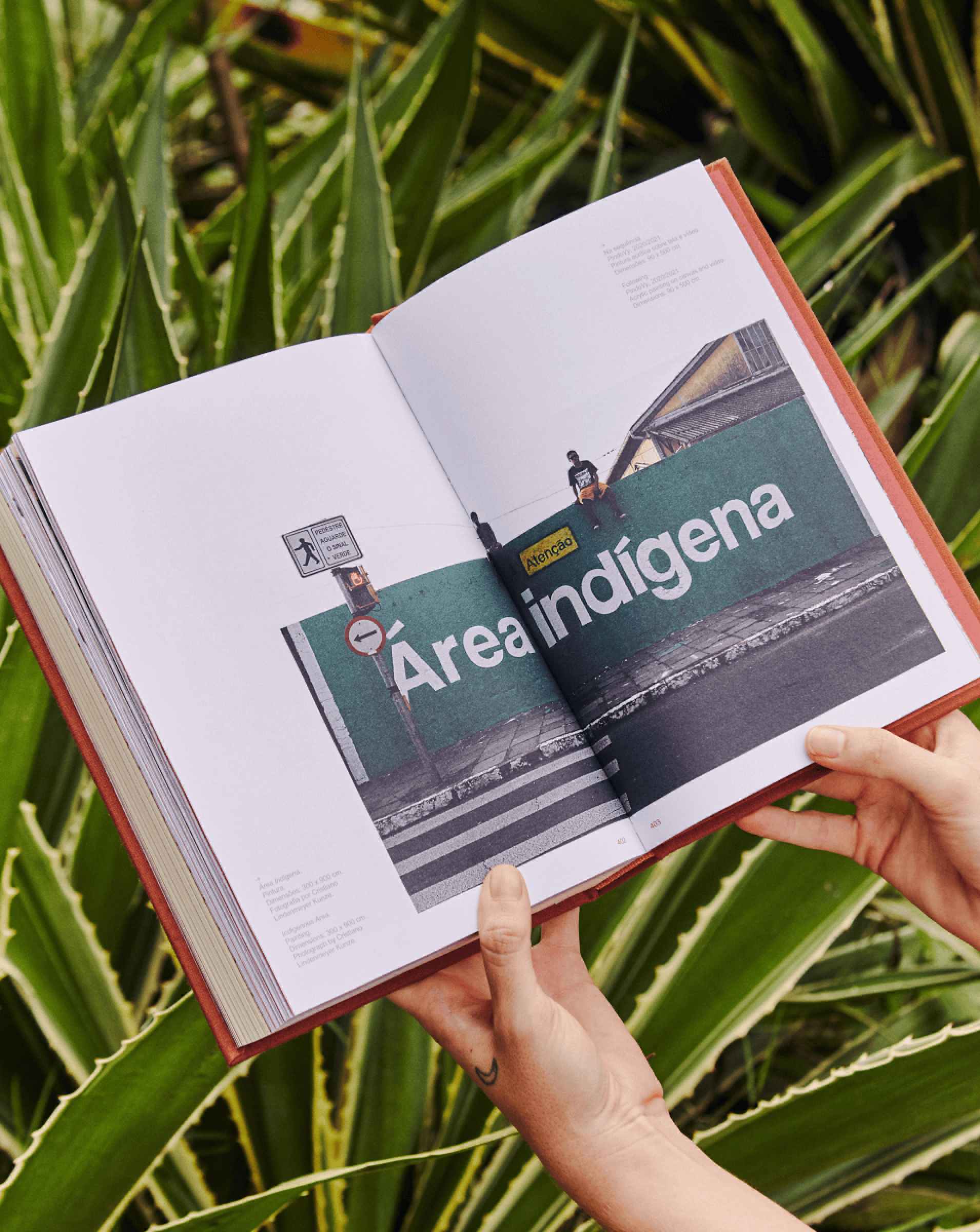
“I think you should dream the earth, because it has a heart and breathes.” The sentence that opens the book also opens the editorial project, guiding an open visual identity that breathes, welcomes, and warms. Terra Sem Males connects the Guarani myth of a life without suffering with the work of ten artists. Written by João Vergara, the book weaves together art, history, and imagination to ask how we might live better on an imperfect earth.