Planetary Embassy
Digital, Exhibition Design, Identity
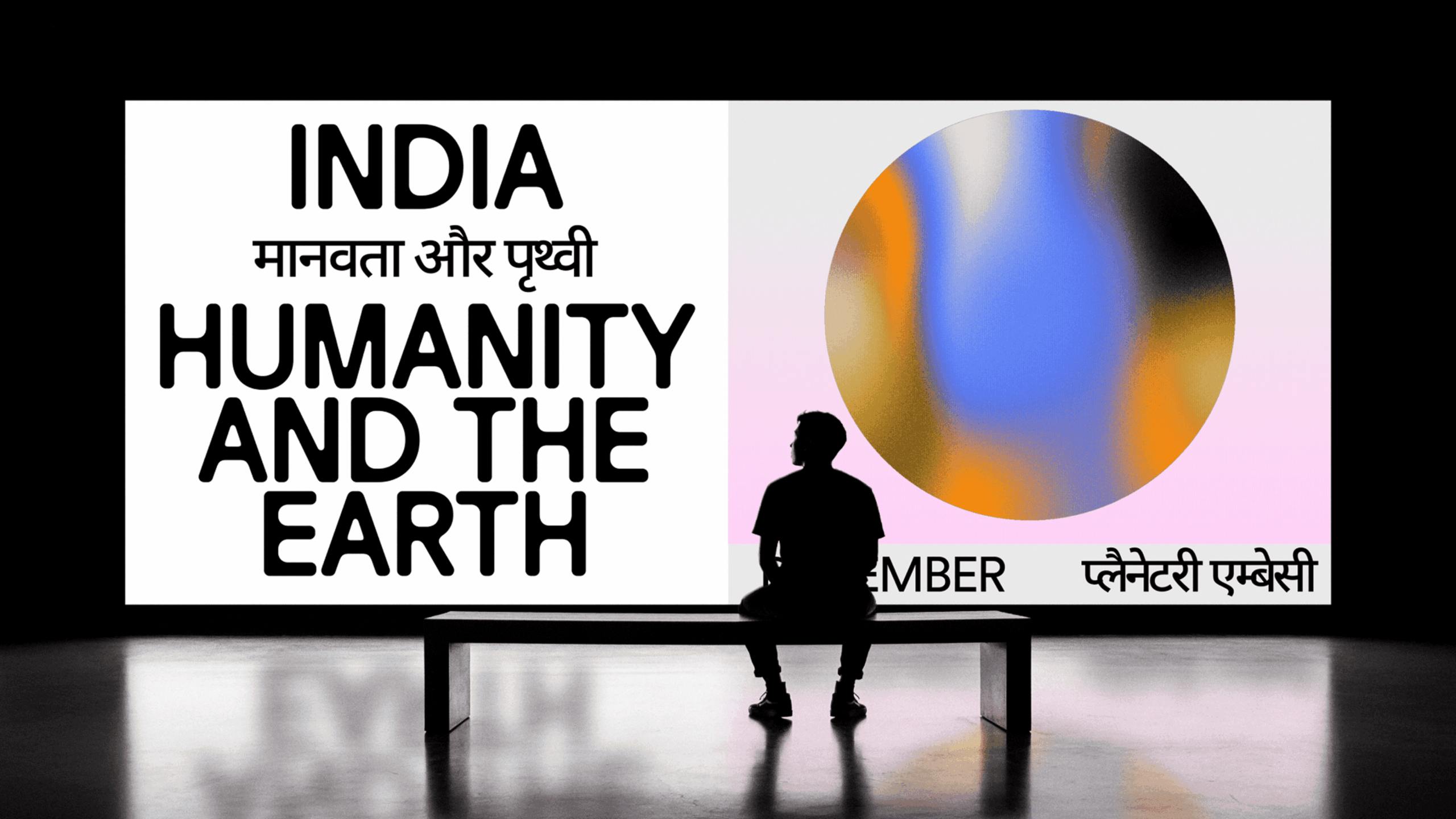
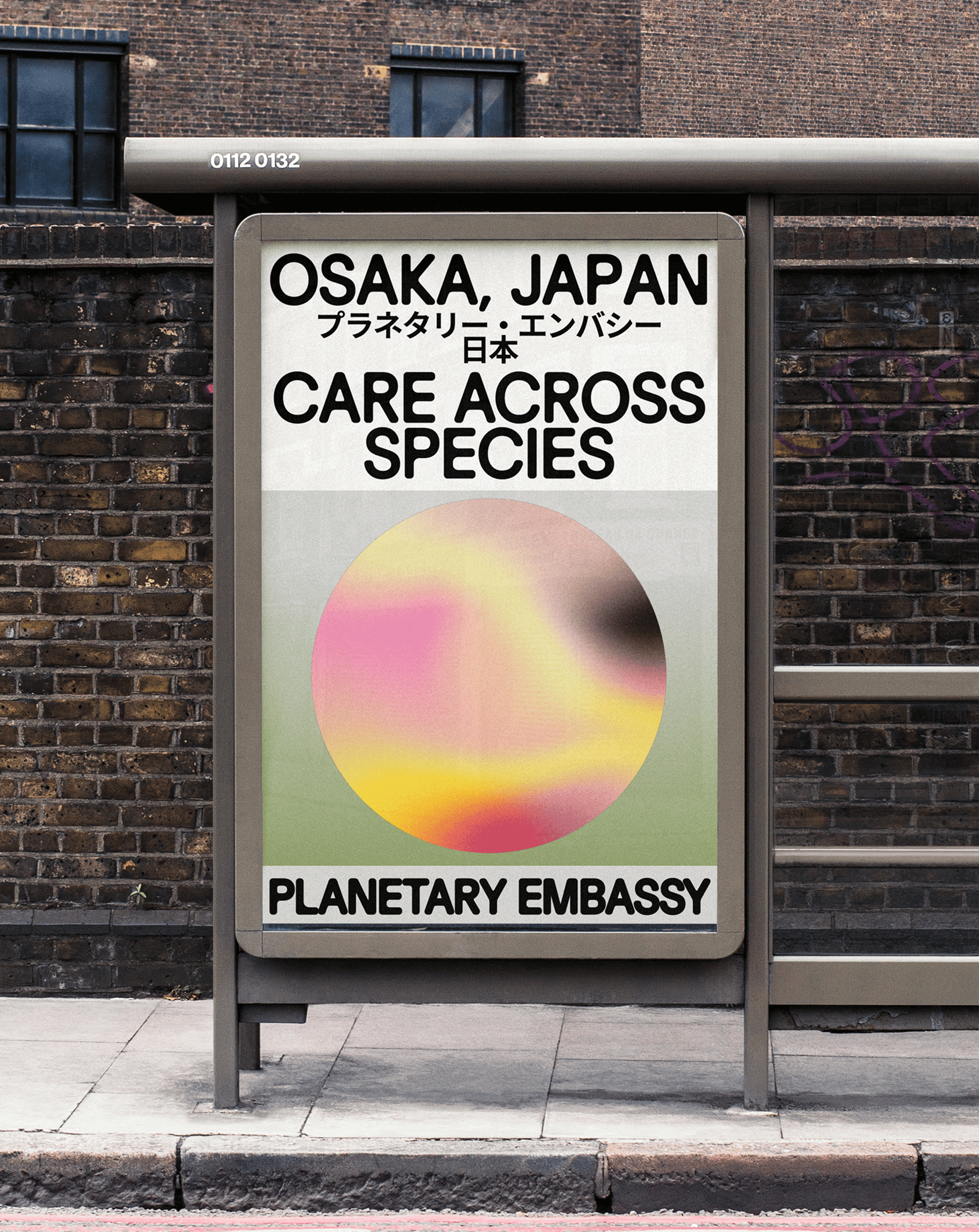
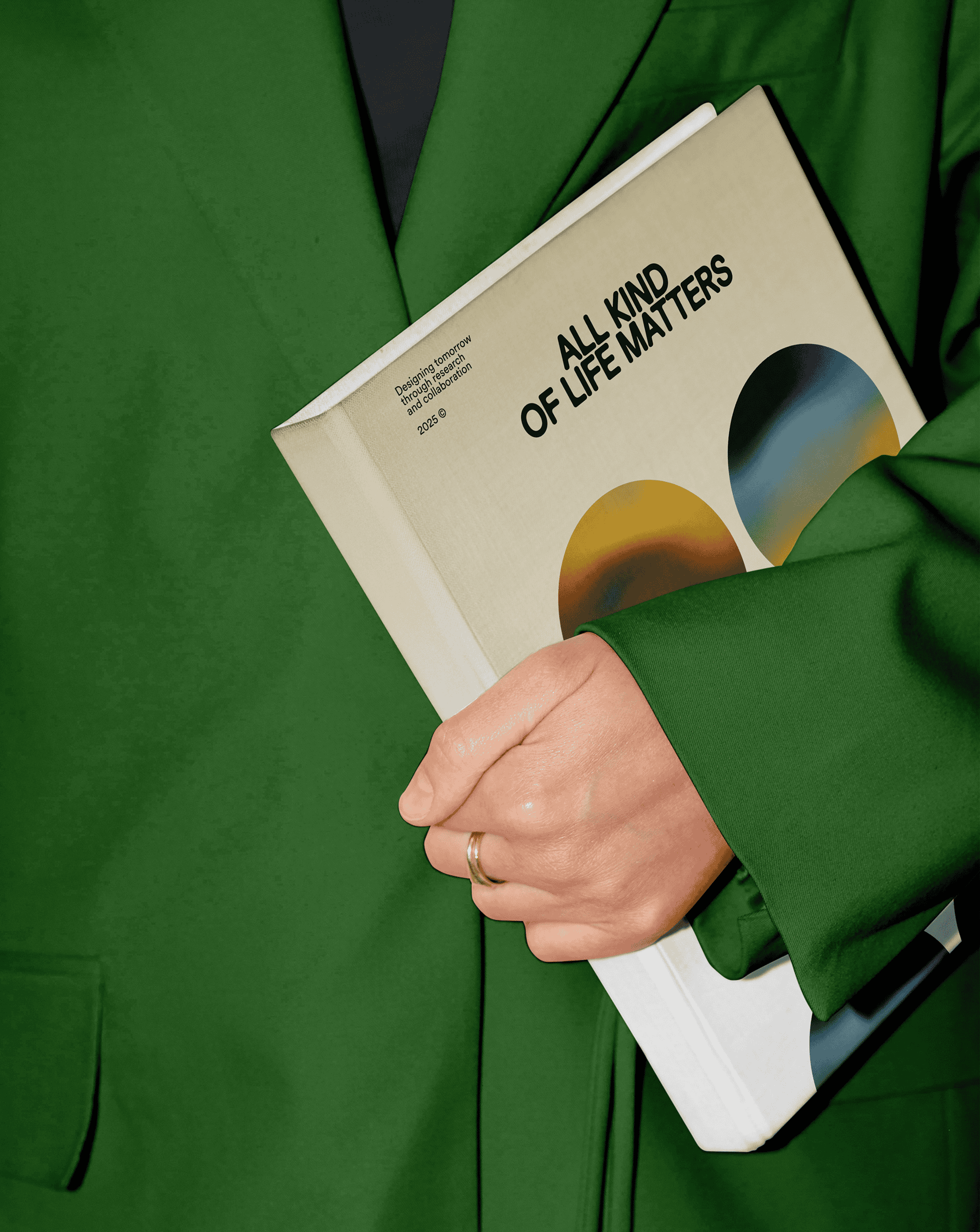
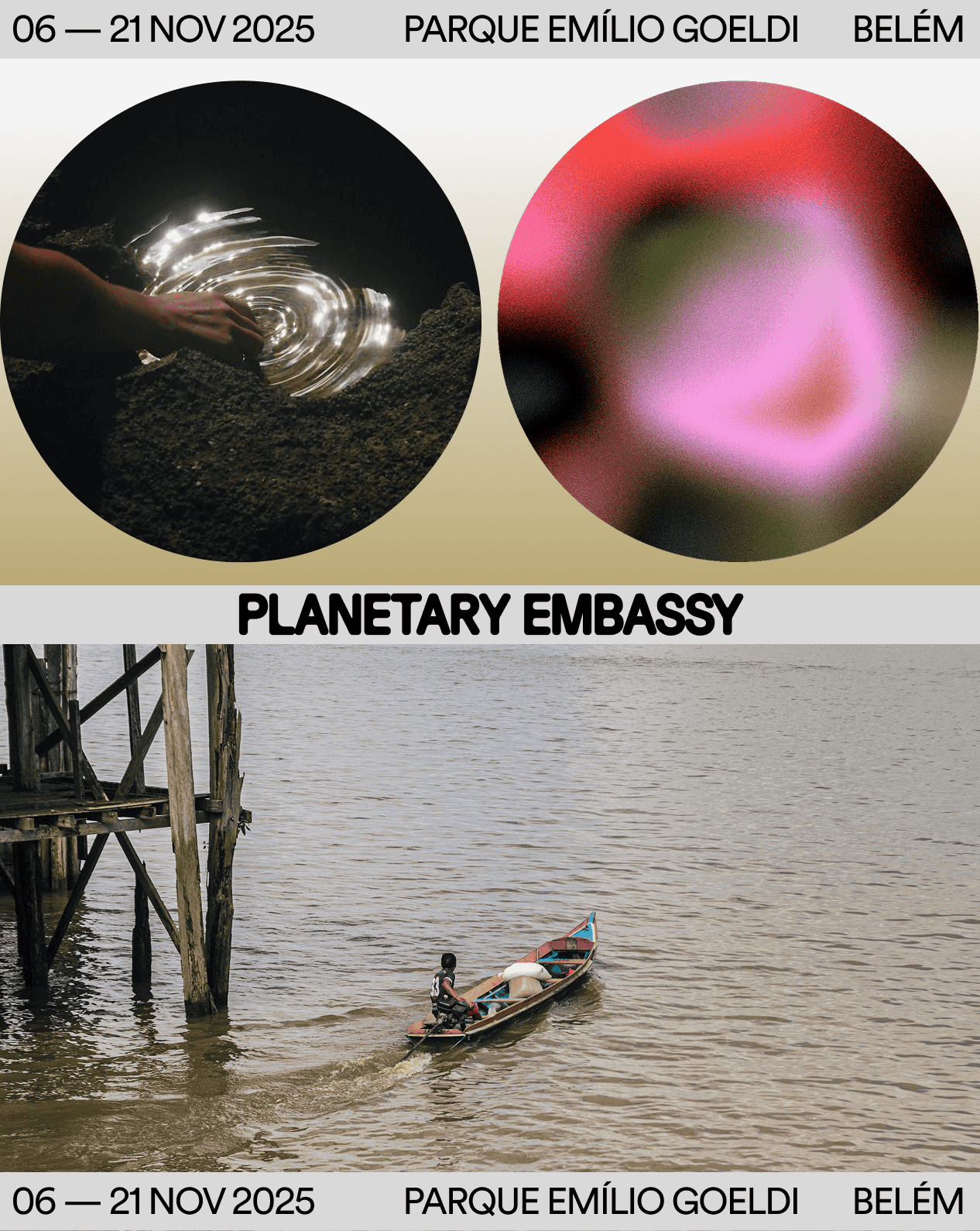
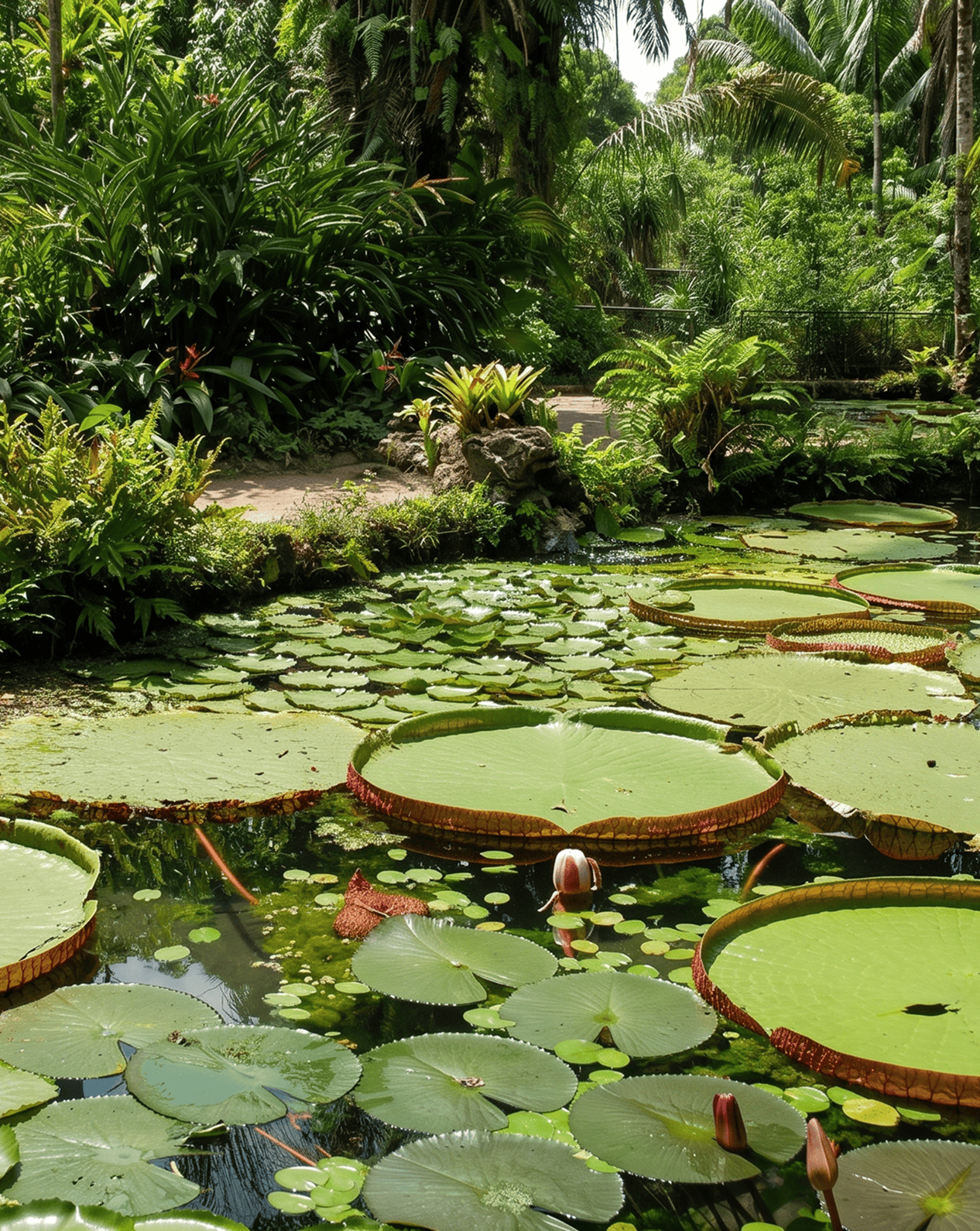
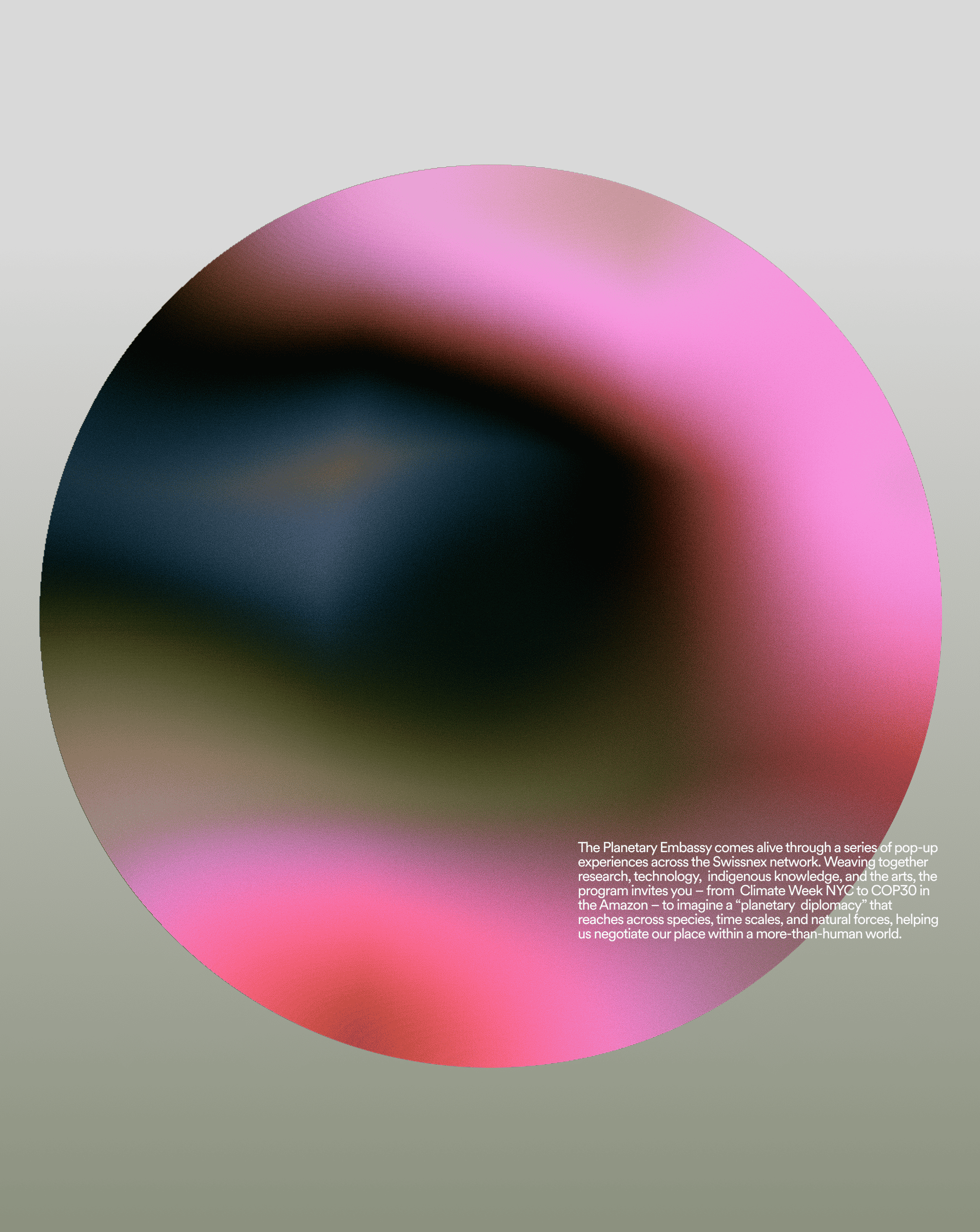
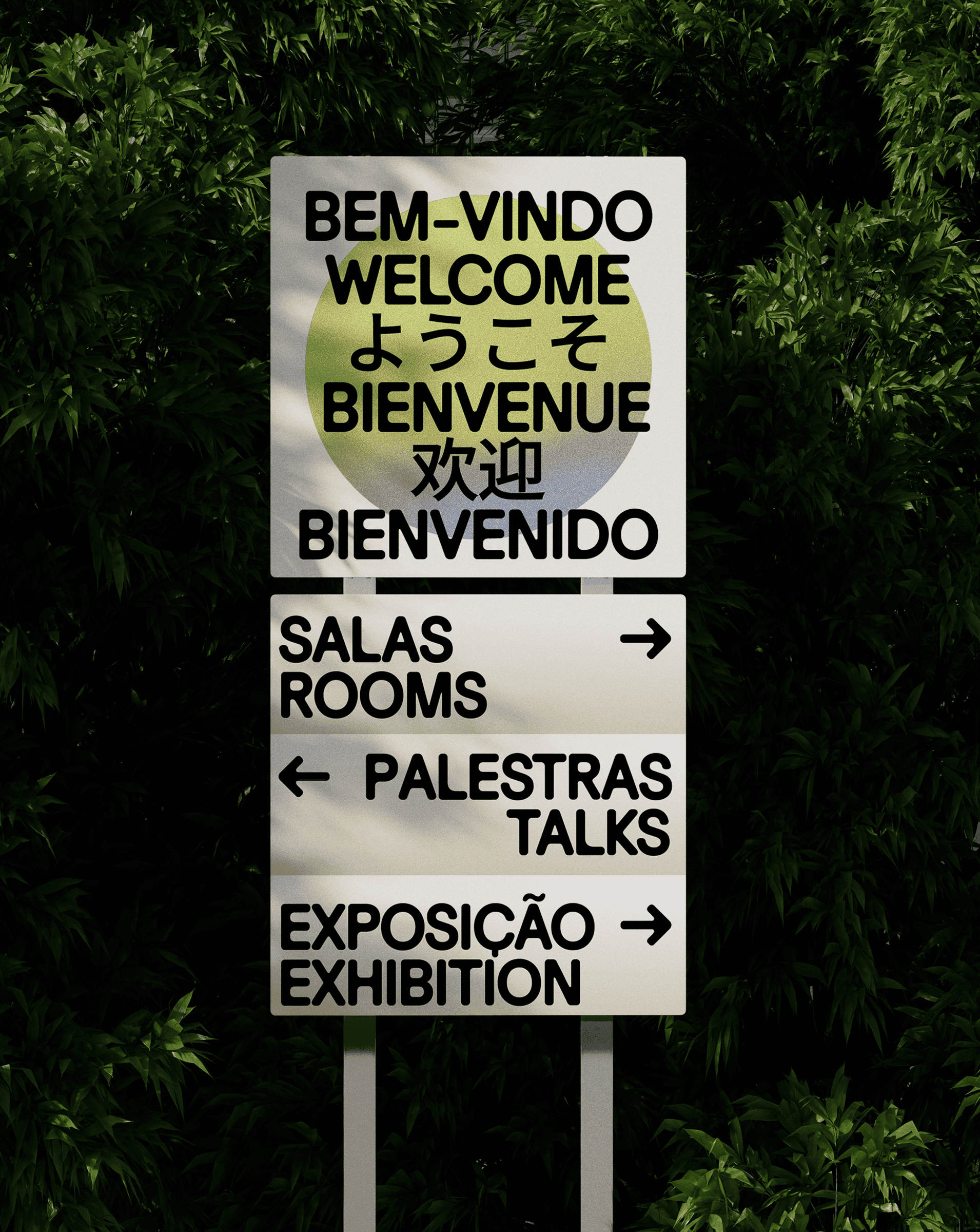
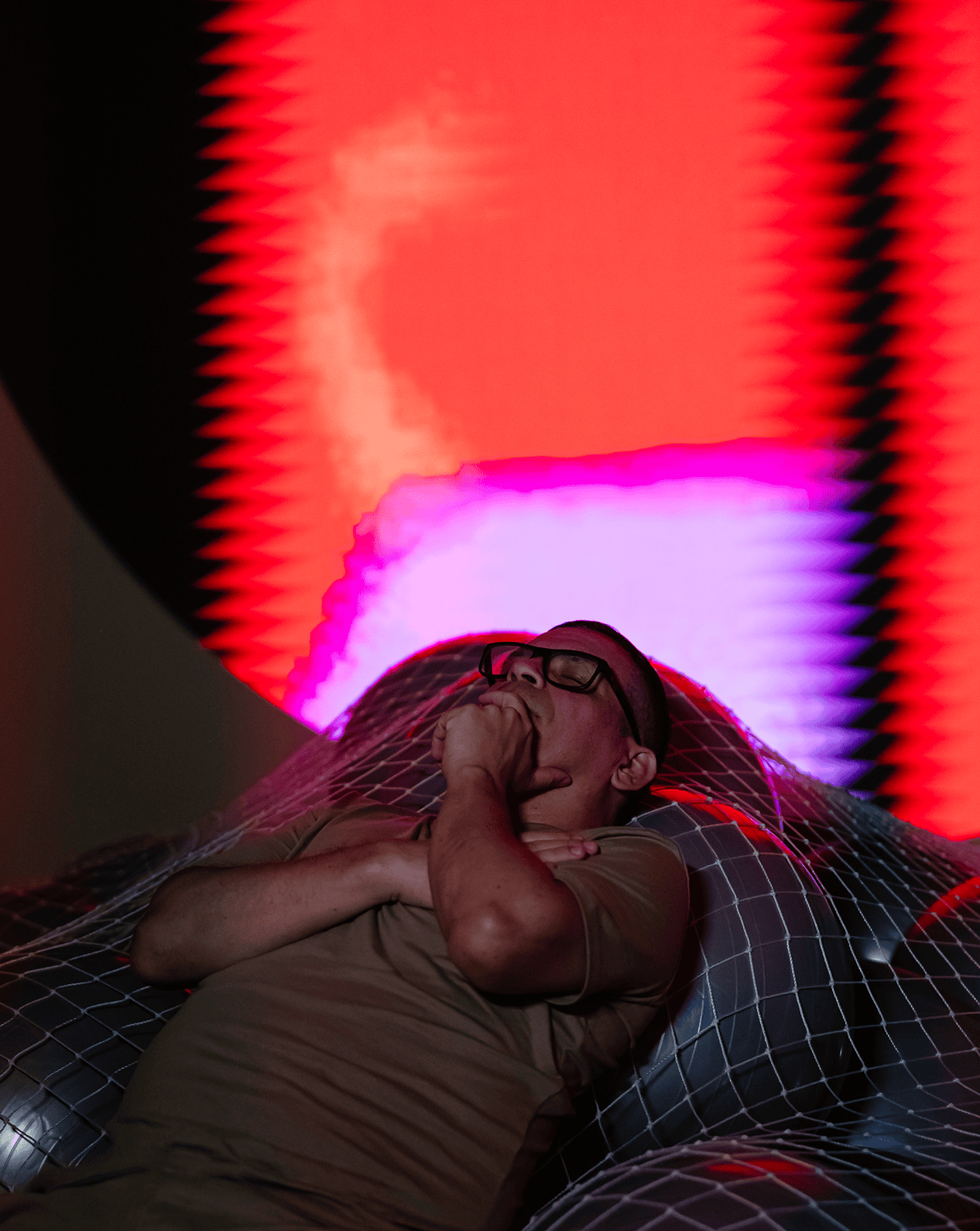
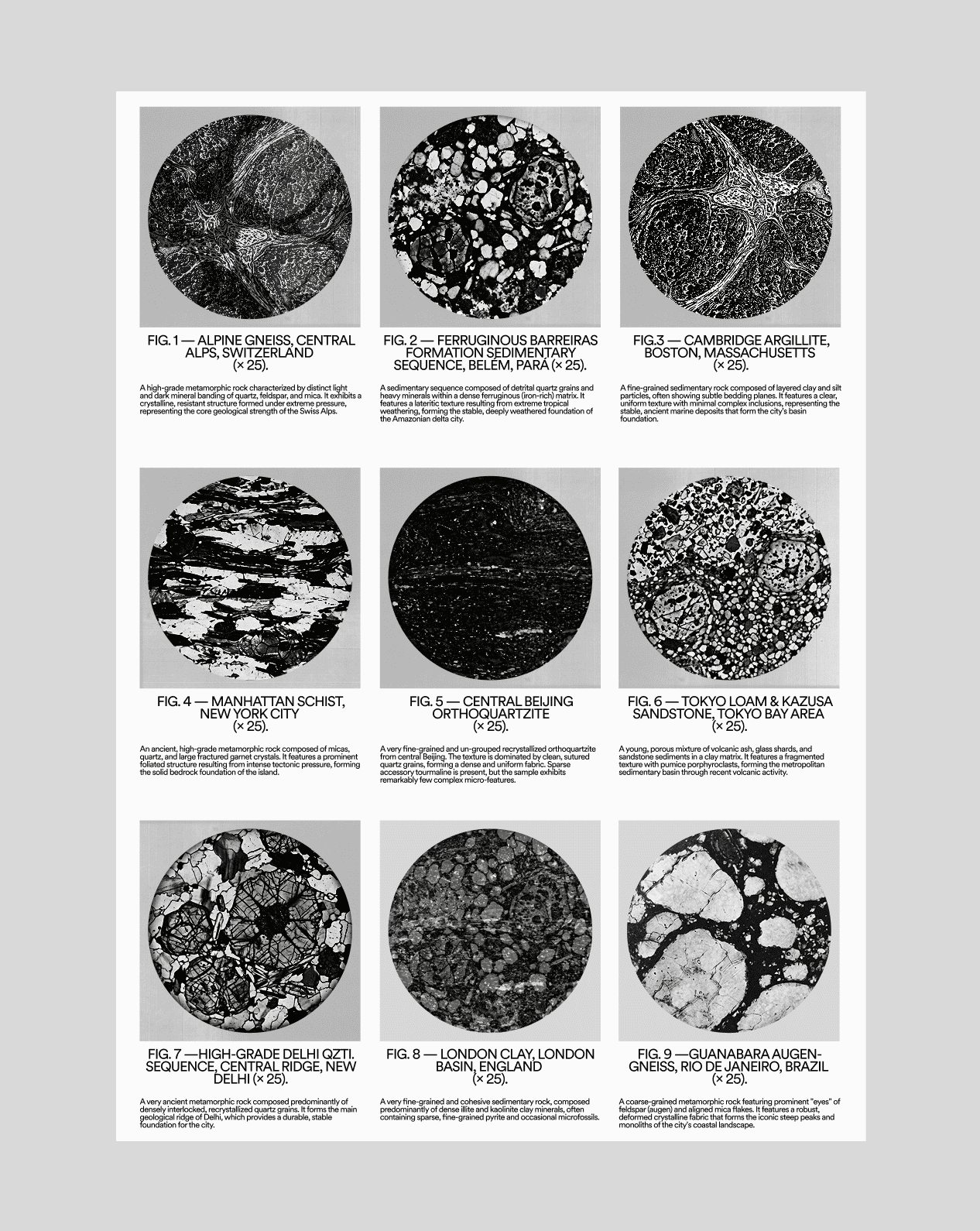
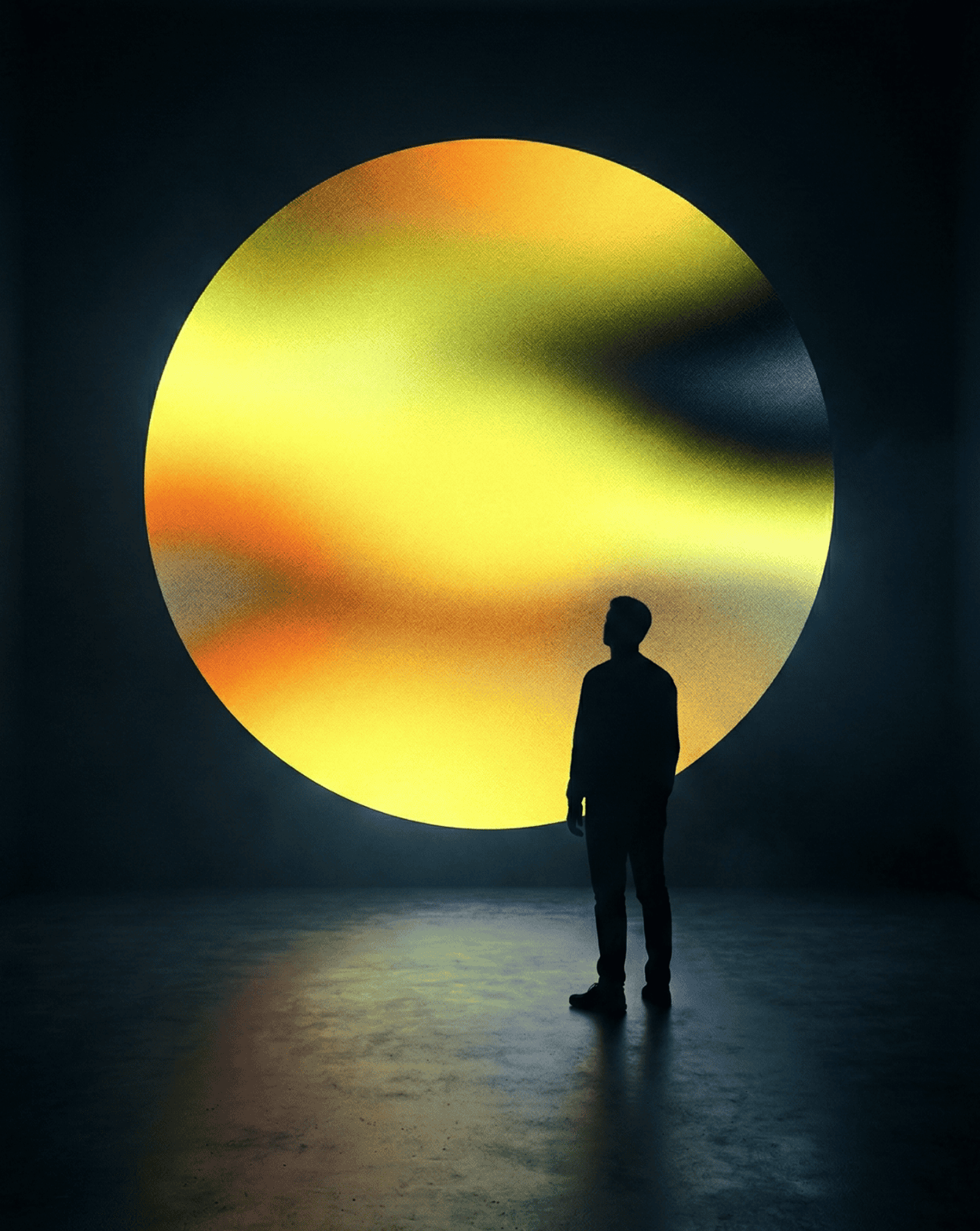
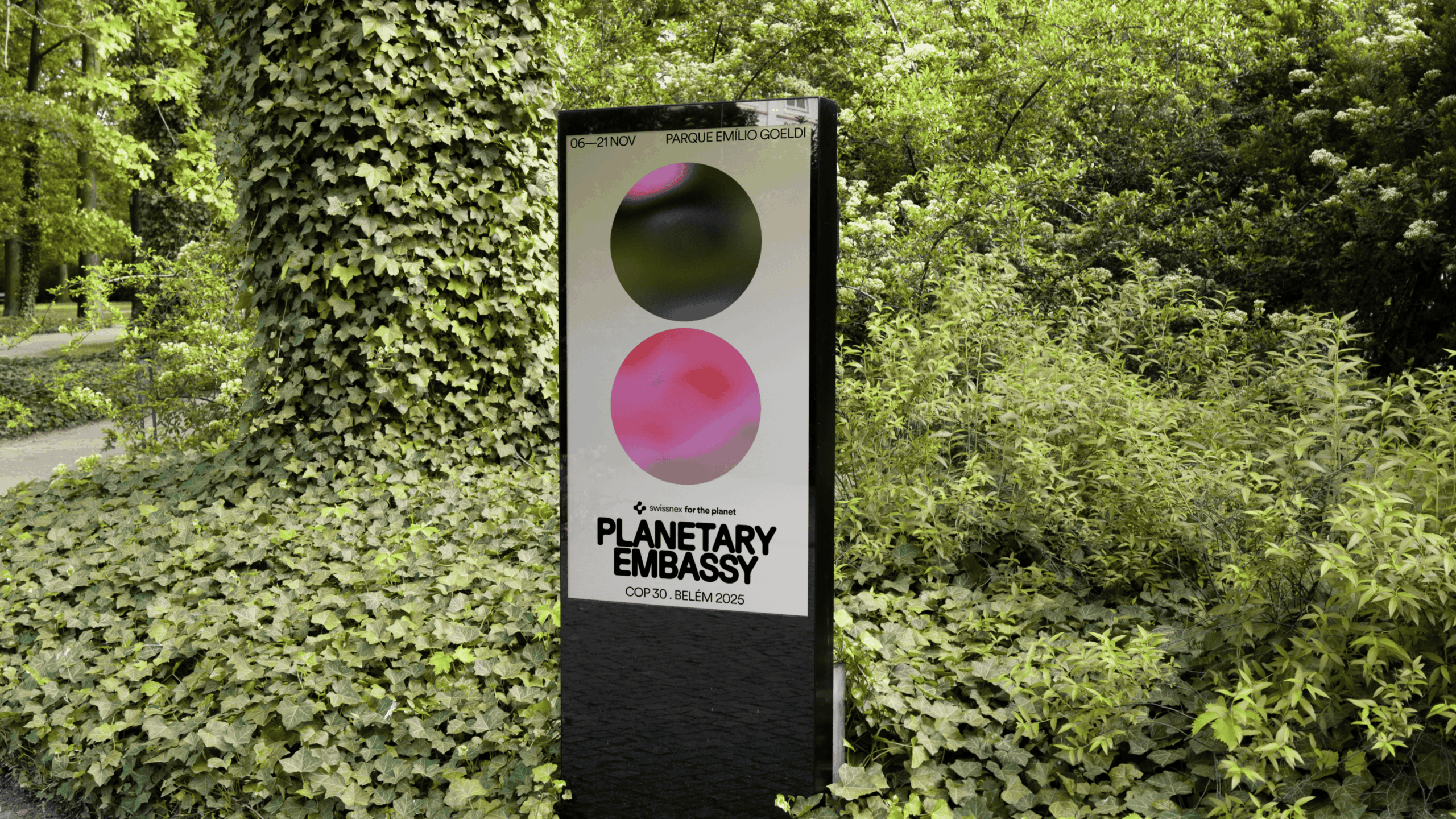
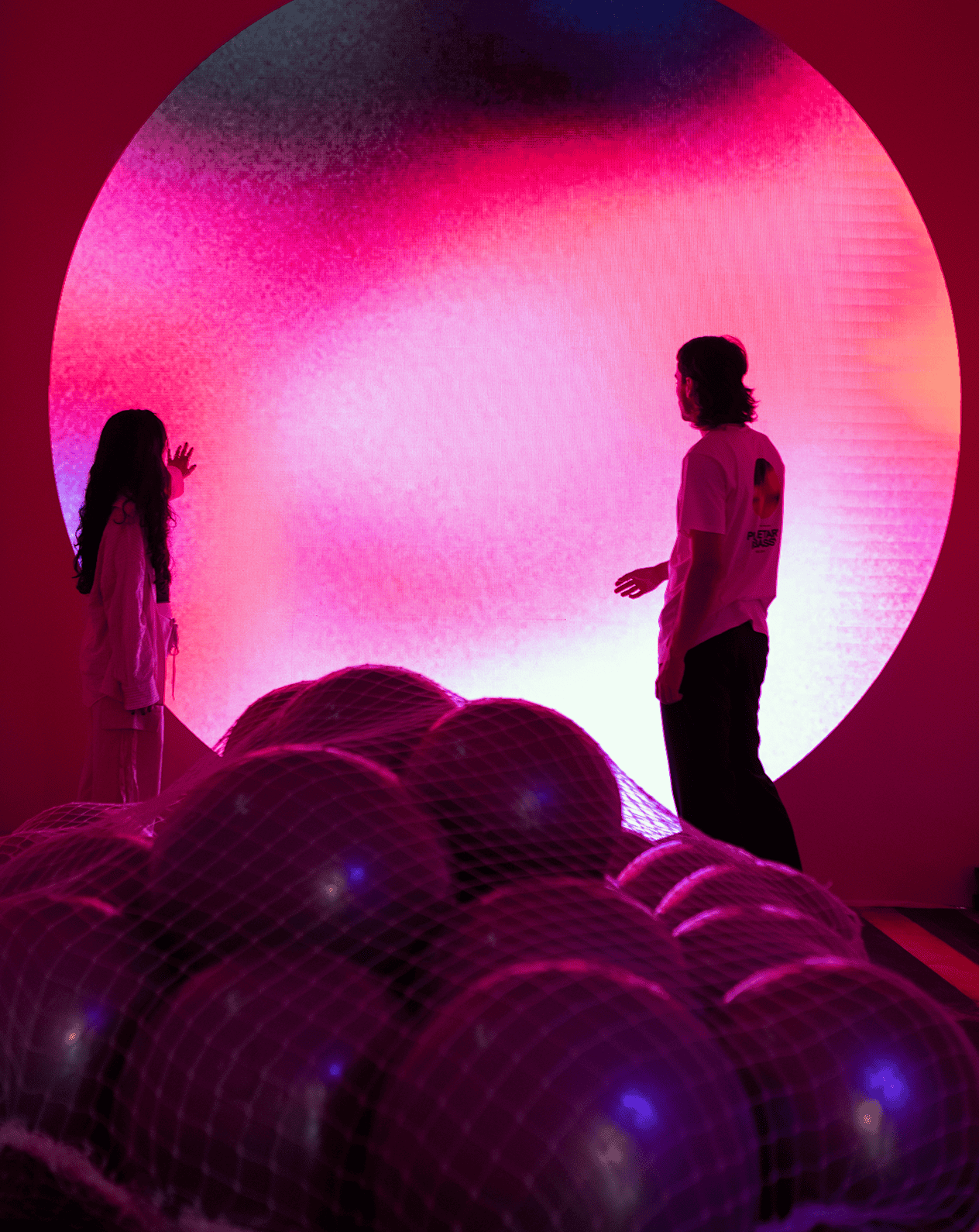
Planetary Embassy is an initiative by Swissnex and the Embassy of Switzerland that imagines new forms of diplomacy between humans, nature, and the planet’s other living forces. During COP30, the project occupied a chalet in the gardens of Museu Goeldi in Belém, Pará, bringing together art, science, technology, and Indigenous knowledge in a space for active listening. Patterns generated from natural sounds form an identity in motion—generative, alive, and breathing—capable of varying like the ecosystems that inspire it and of graphically translating the relationship between ecology, culture, and contemporary diplomacy. From Brazil to Switzerland, and from the United States to China, India, and Japan, we built an extensive, adaptable visual system for an initiative that proposes a diplomacy seeking to speak on nature’s behalf—and that begins precisely by learning how to listen to it.






Festival Teal Brasil brings together networks, practices, and inspiration to imagine more whole organizations. Like teal thinking itself, its shifting identity reflects an evolving field and is organized in layers: graphics overlap, shift in relation to one another, and produce ever-changing configurations, while content remains at the center.
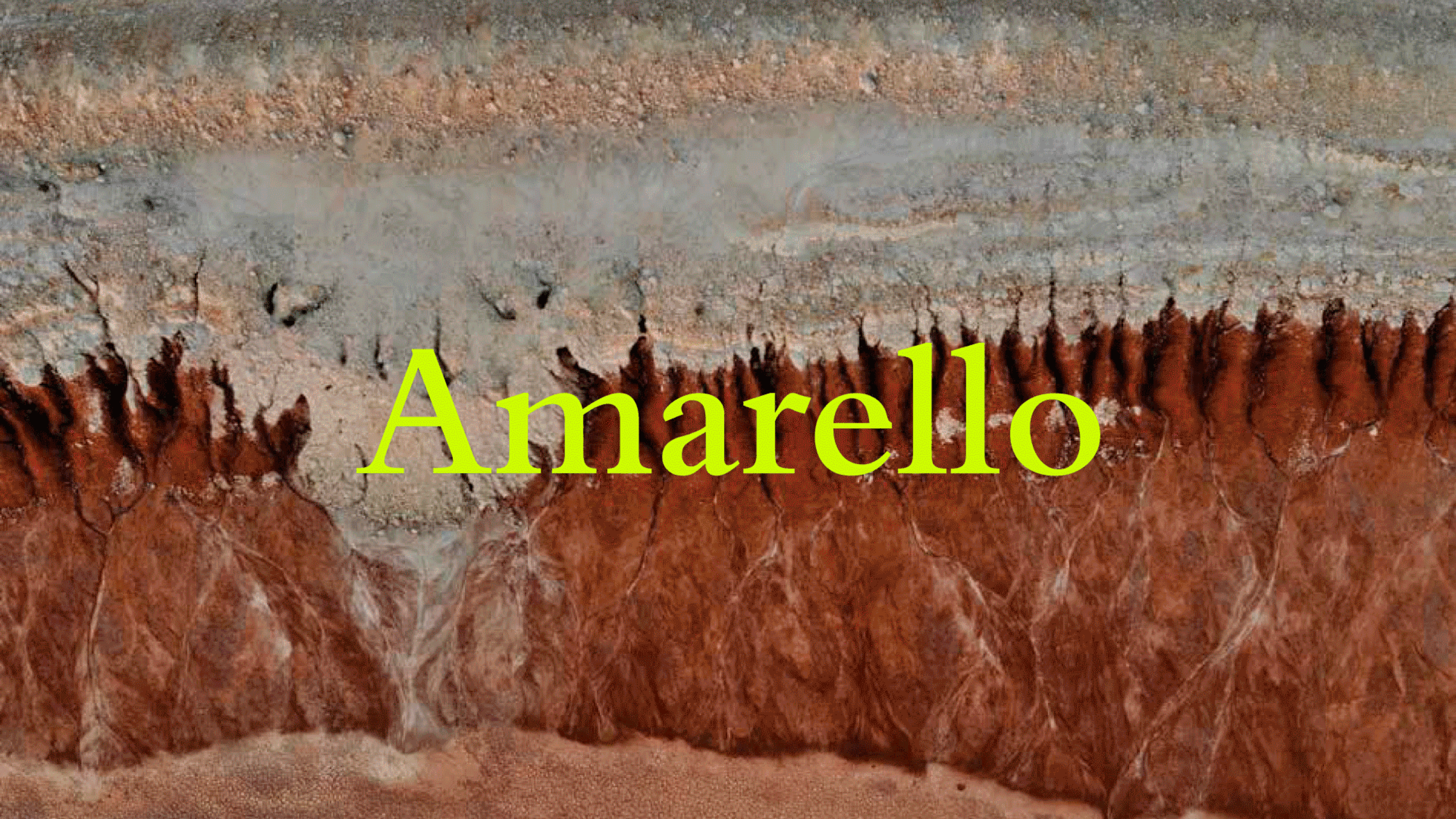
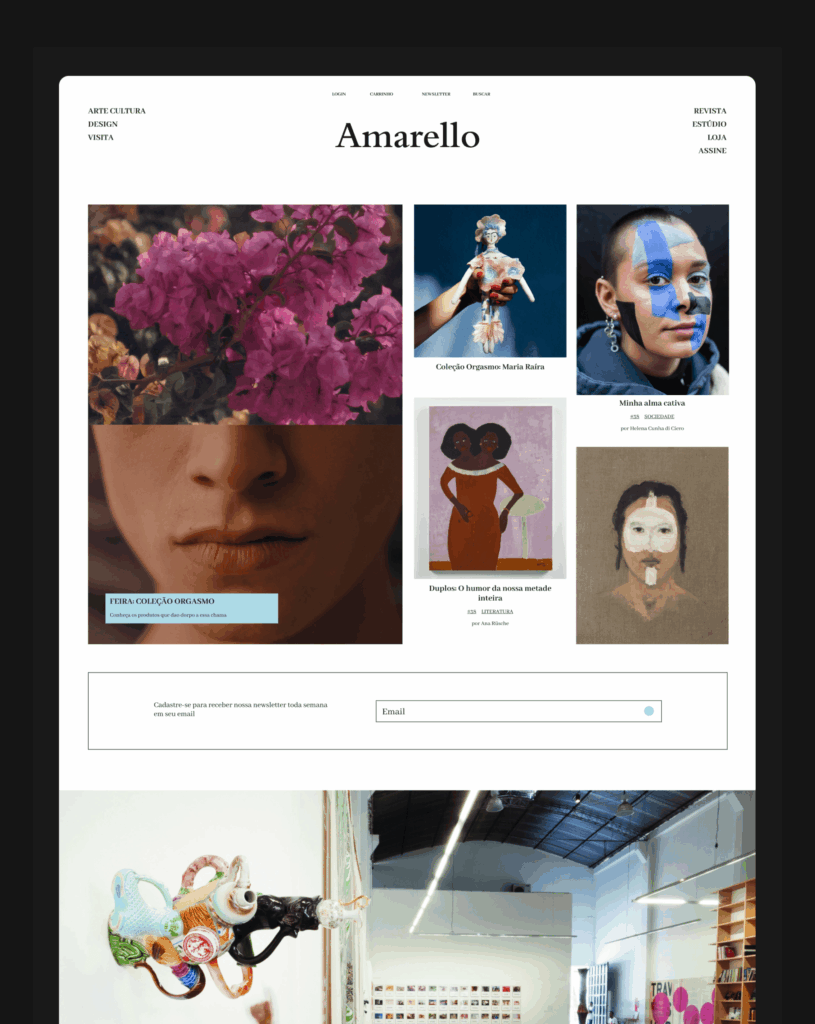
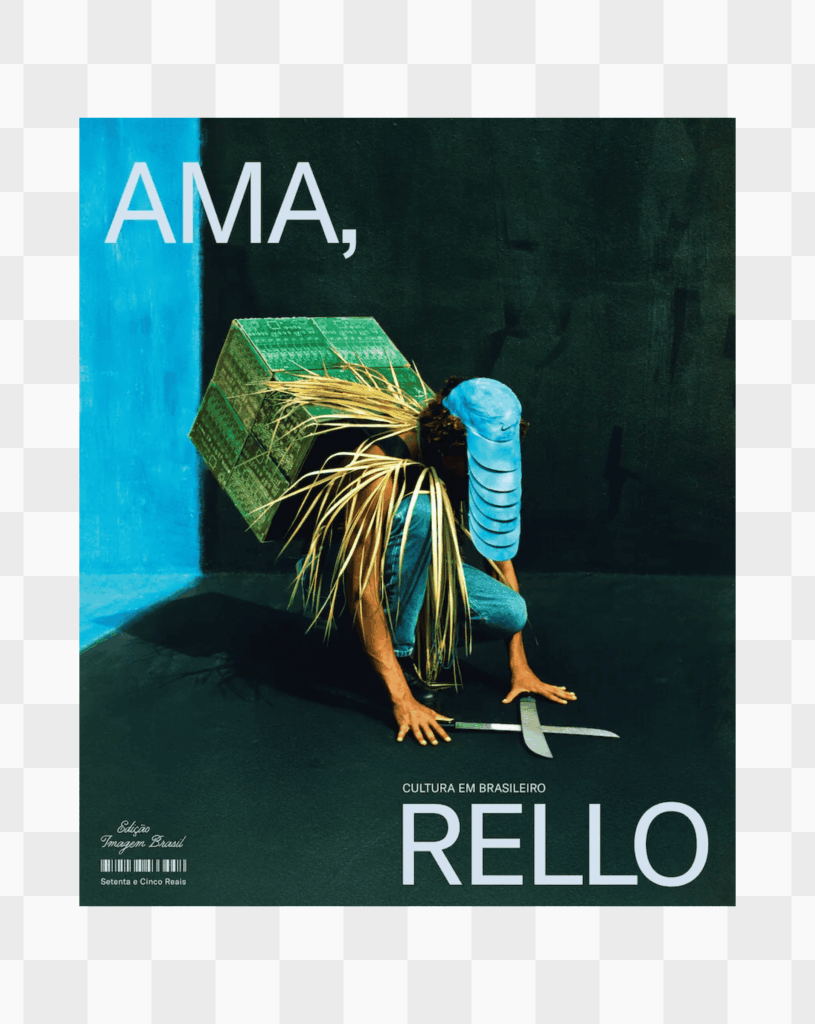
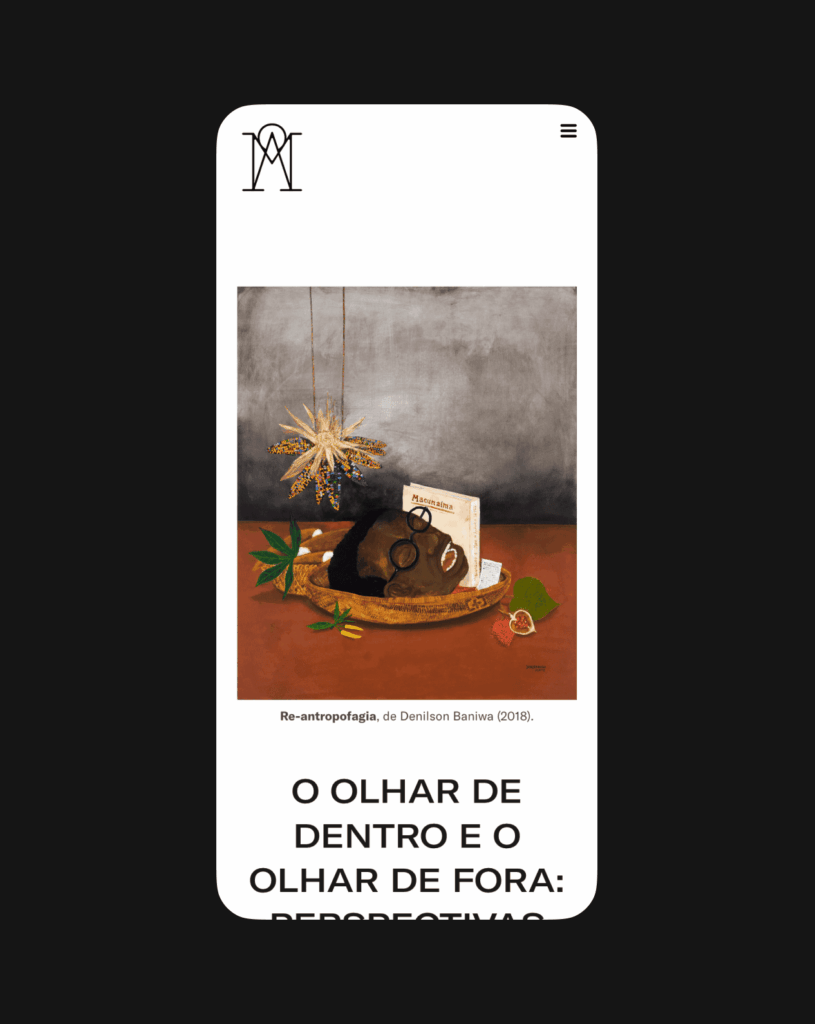

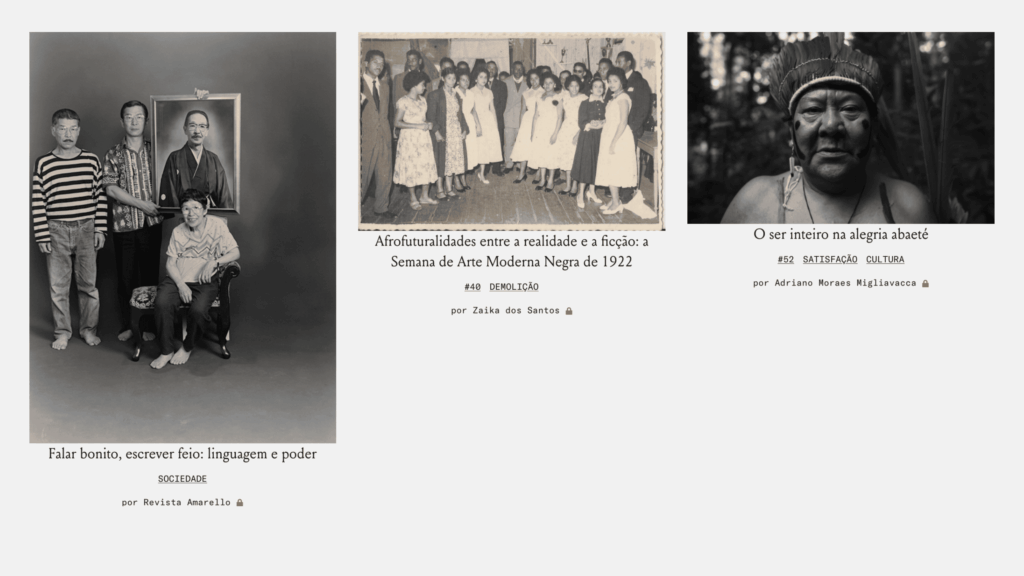
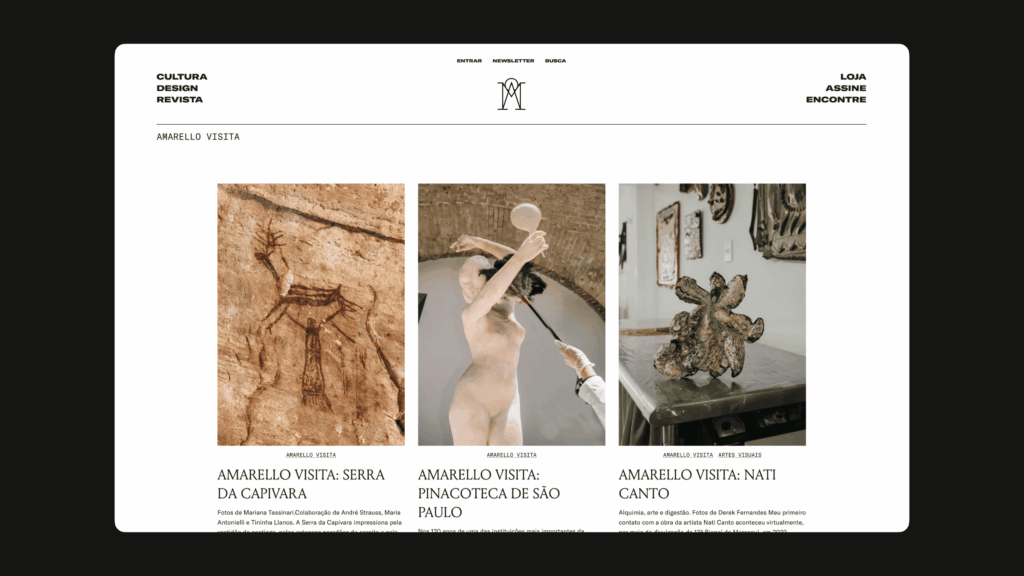
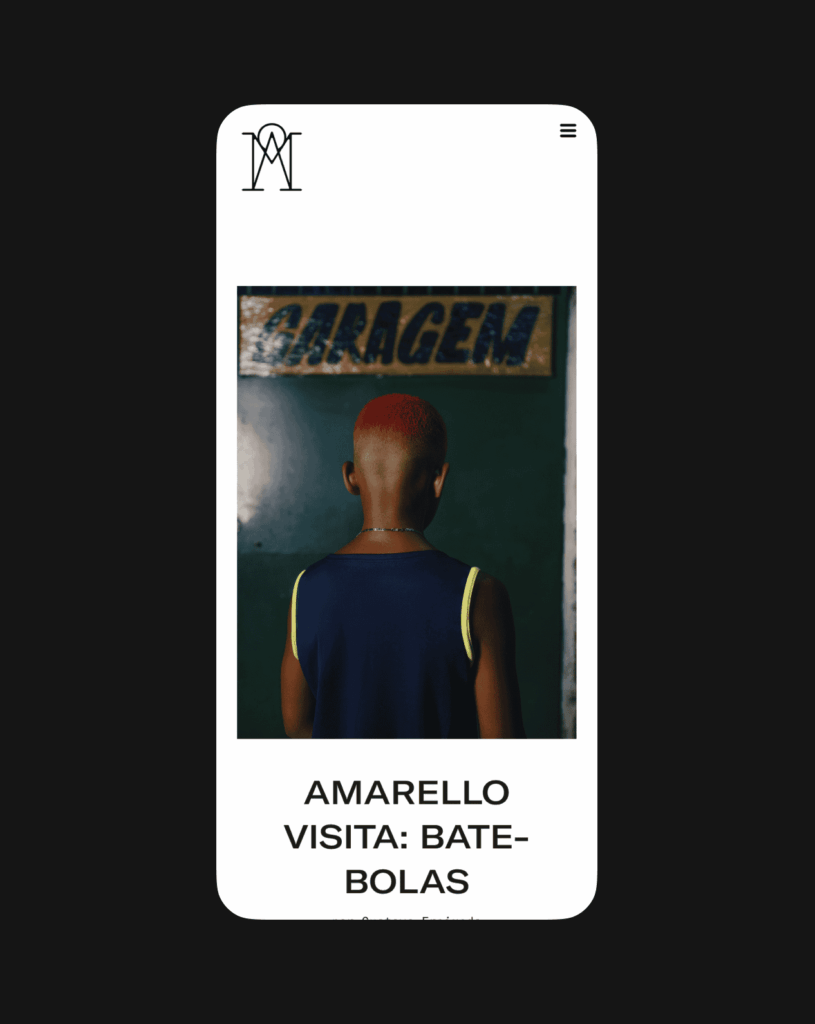
Revista Amarello brings art, design, beauty, philosophy, and architecture closer together. In the digital experience, images, generous margins, and typographic rhythms preserve the publication’s editorial density and create a space for attentive, sensitive reading.
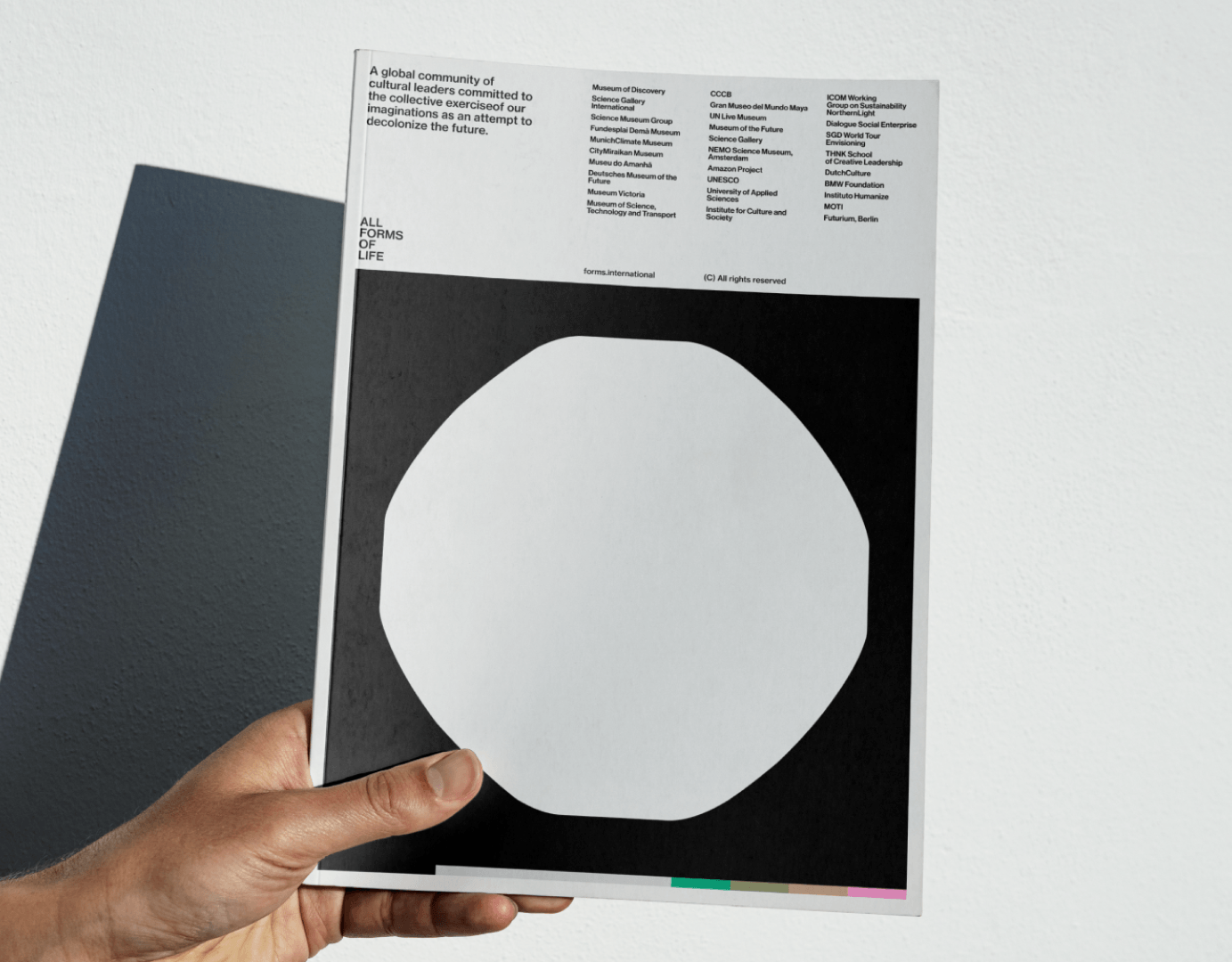
FORMS brings culture, science, education, and activism together to co-create experiences and rehearse possible futures. Collaboration and collective intelligence generate sounds, colors, materials, and forms for an identity in continuous construction, capable of evolving in dialogue with each experience.

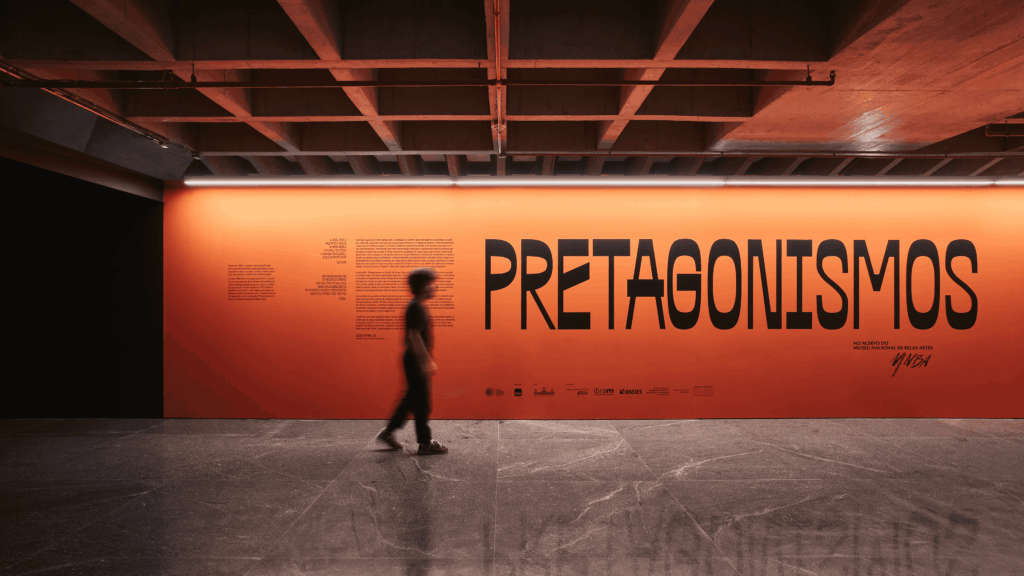
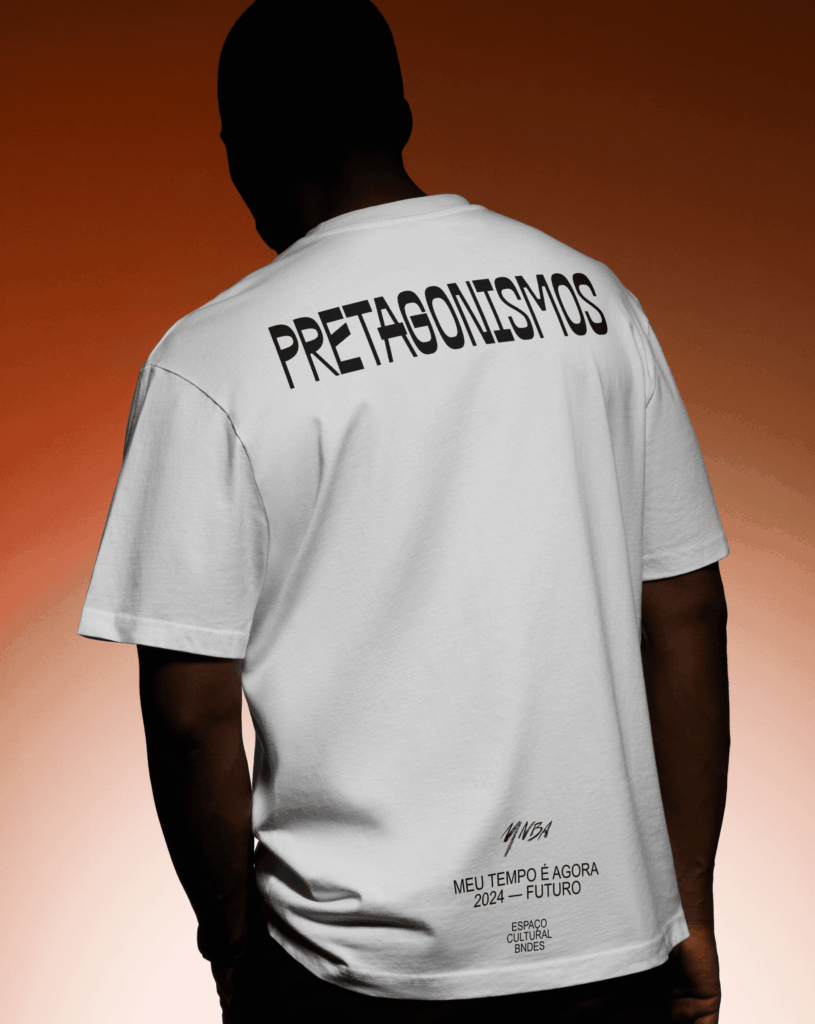
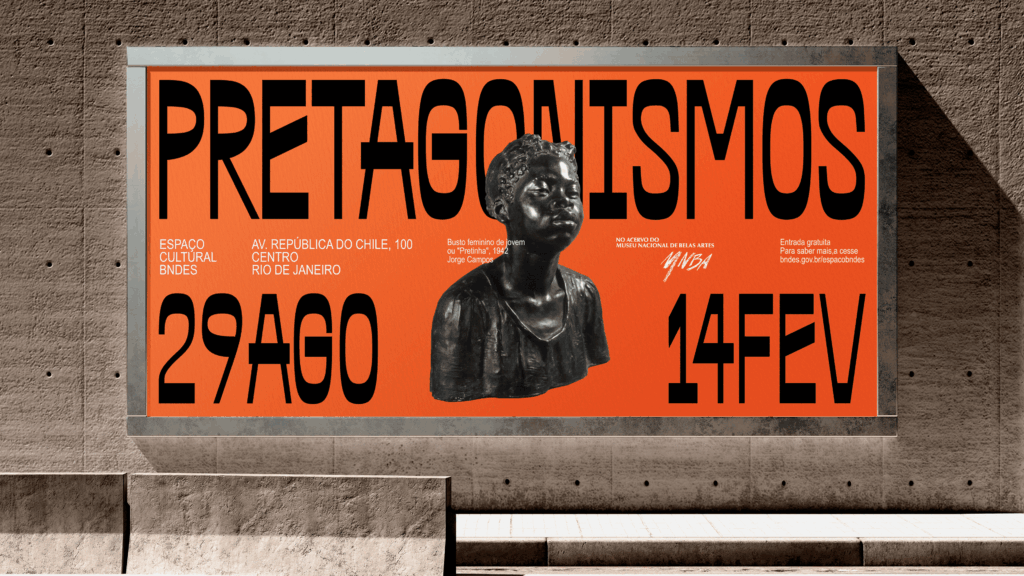
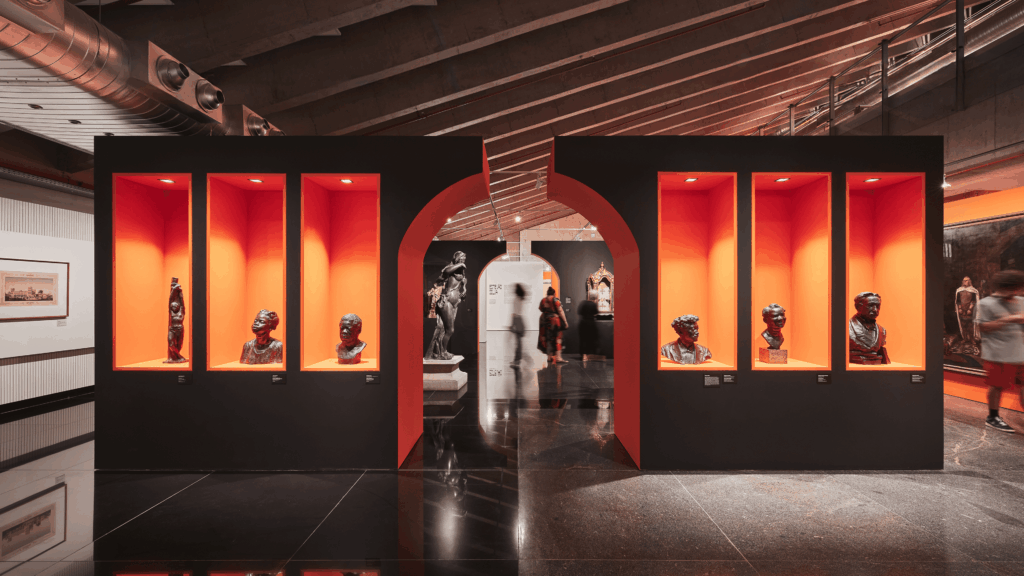
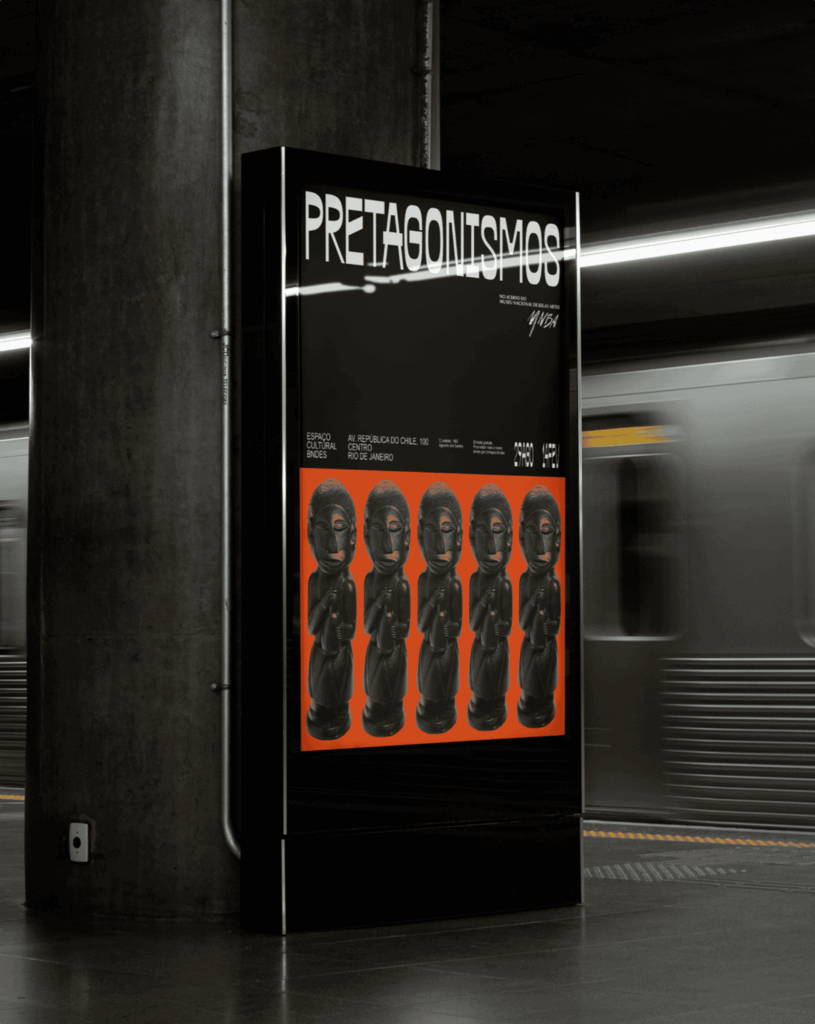
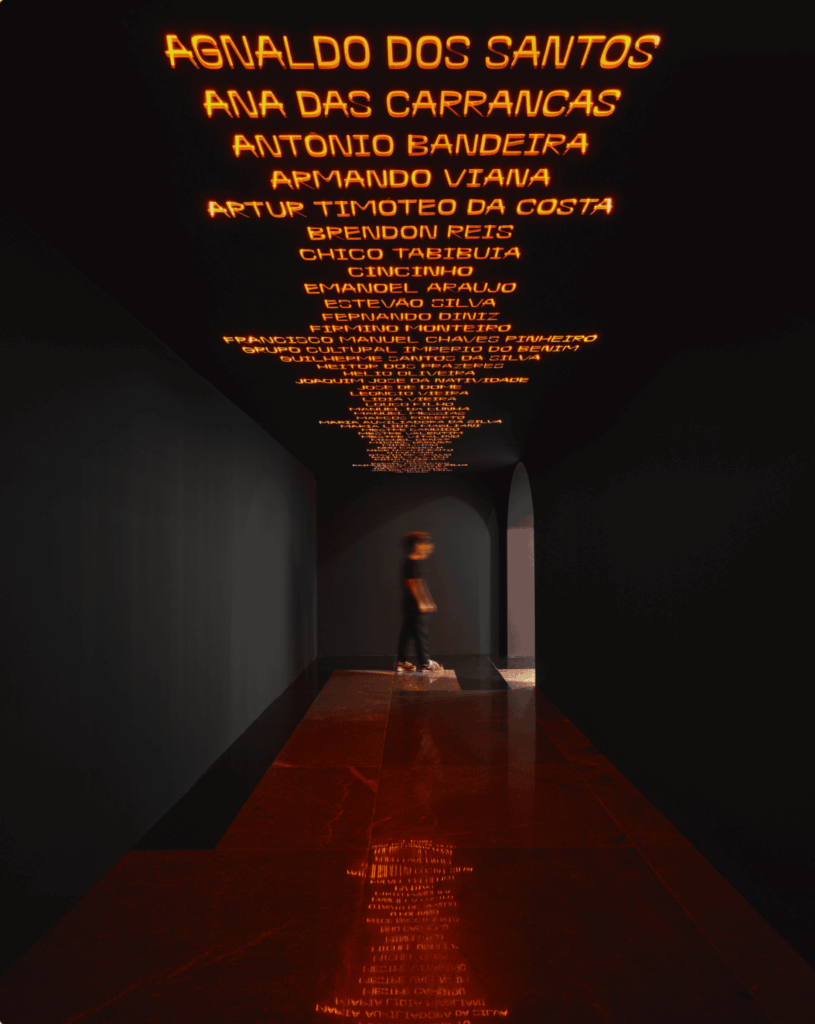
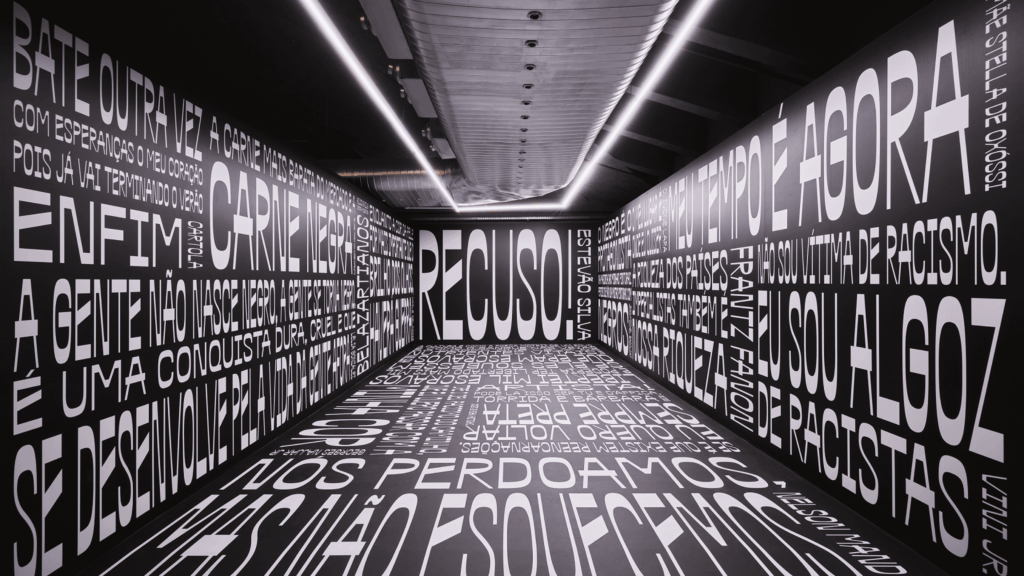
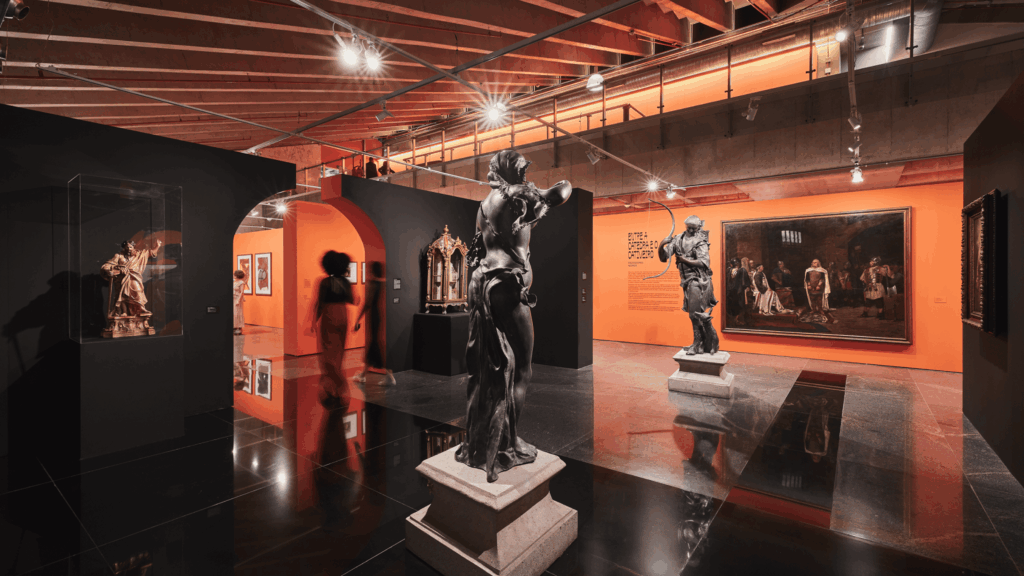
With more than one hundred works from the MNBA collection, Pretagonismos places Black artists at the center of Brazilian art history. Design and architecture work as a single reading structure: artworks, names, and stories gain presence so that another panorama of Brazilian art can emerge—broader, more critical, and, above all, necessary.