Ateliês do Rio
Editorial
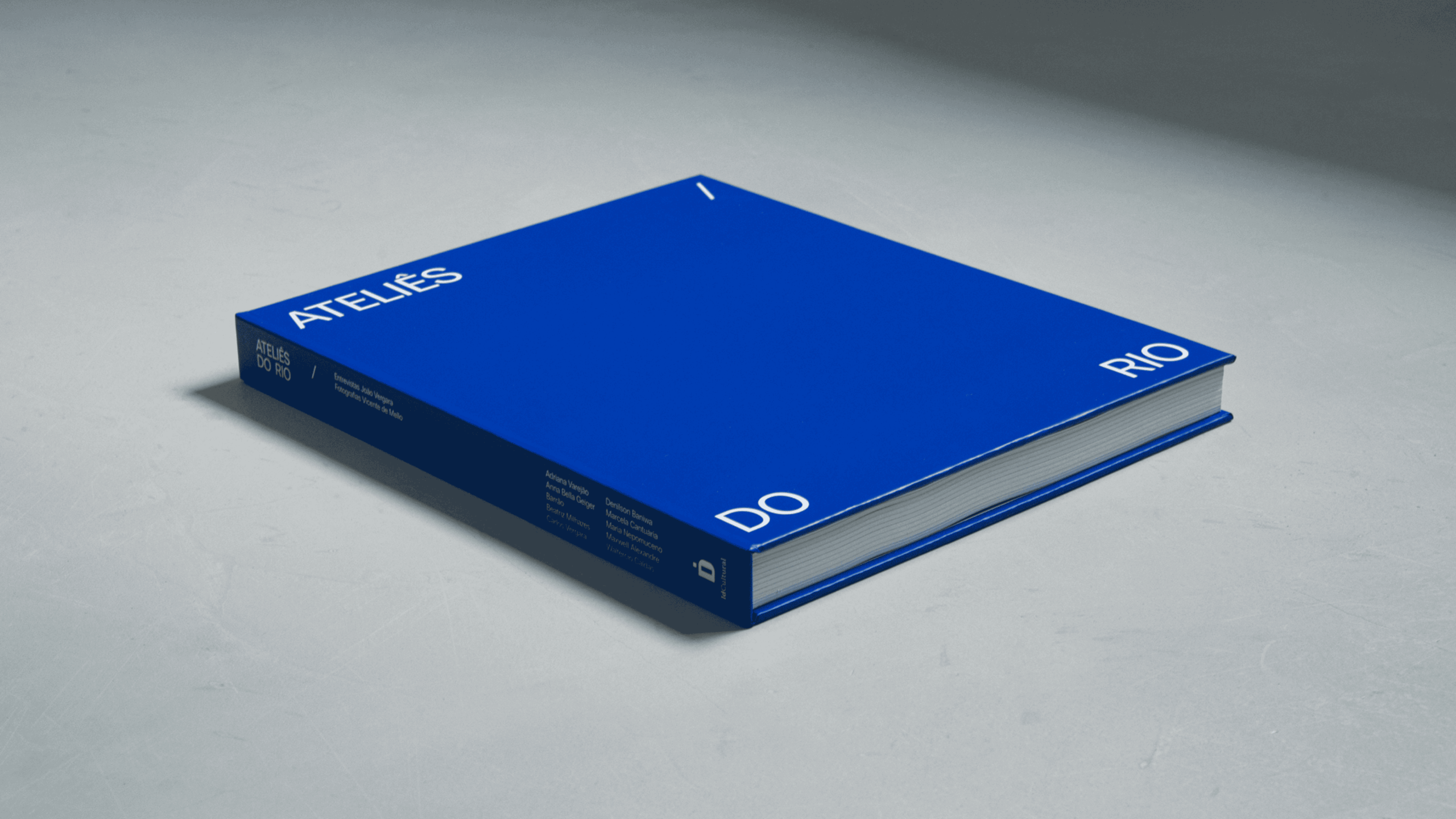
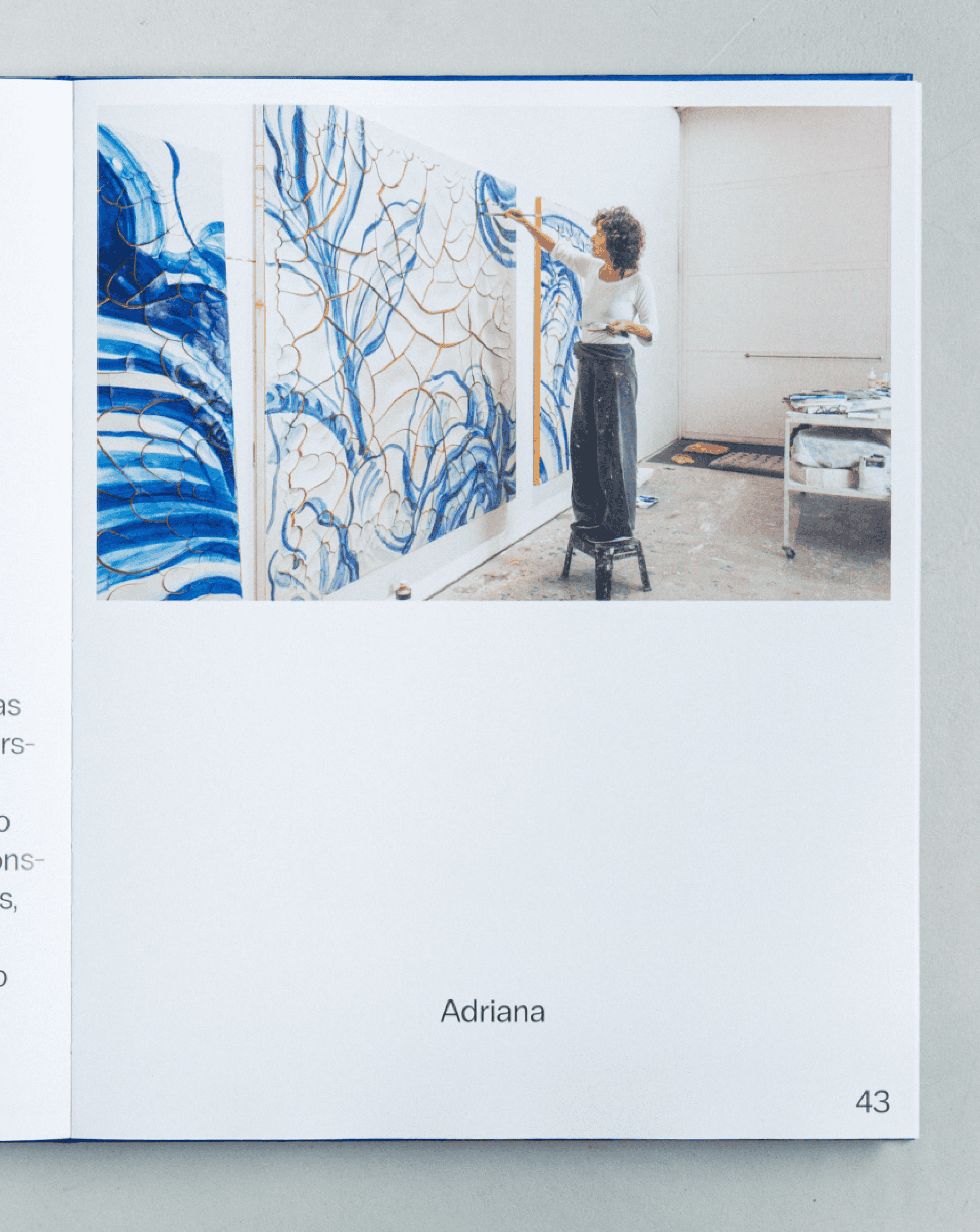
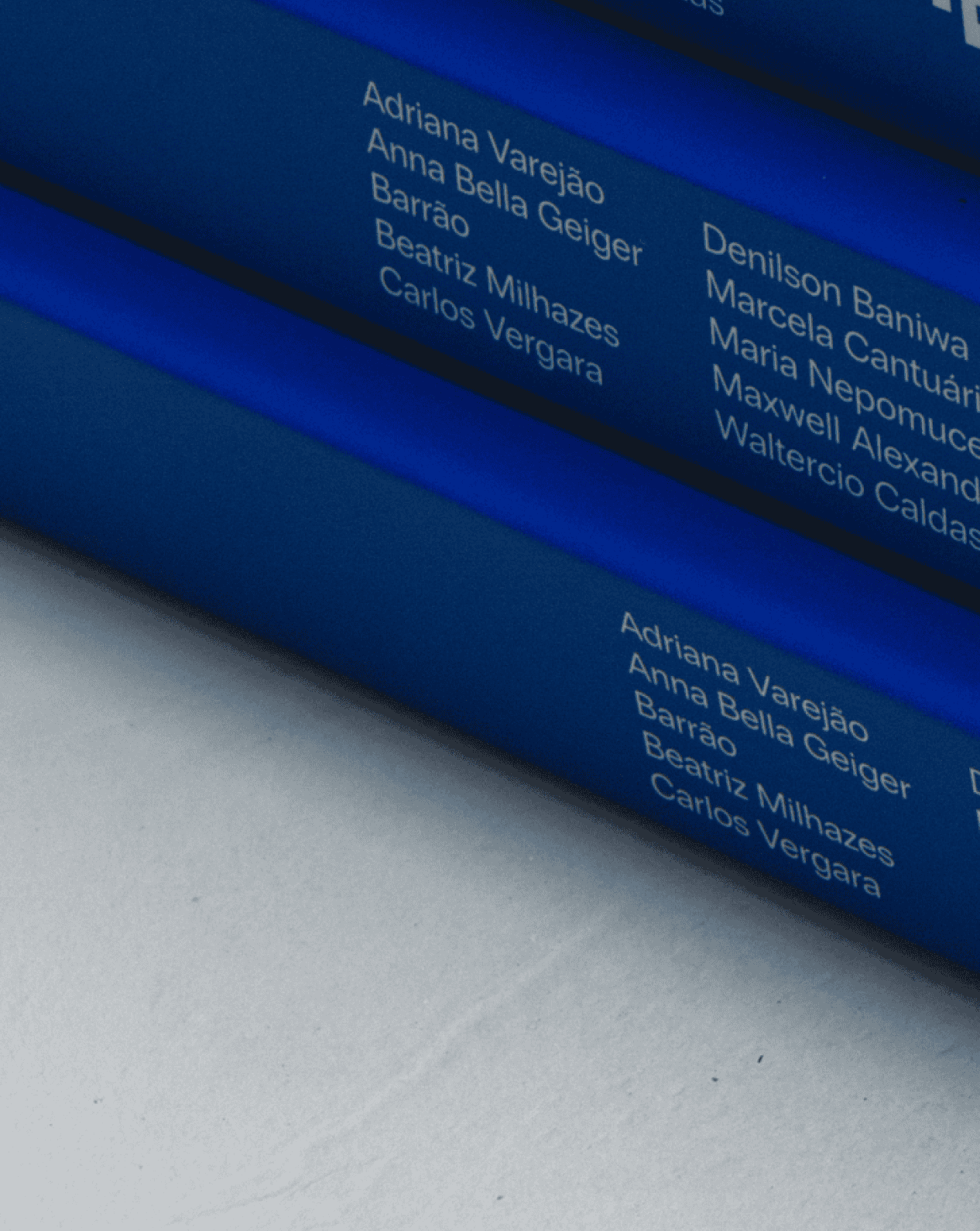
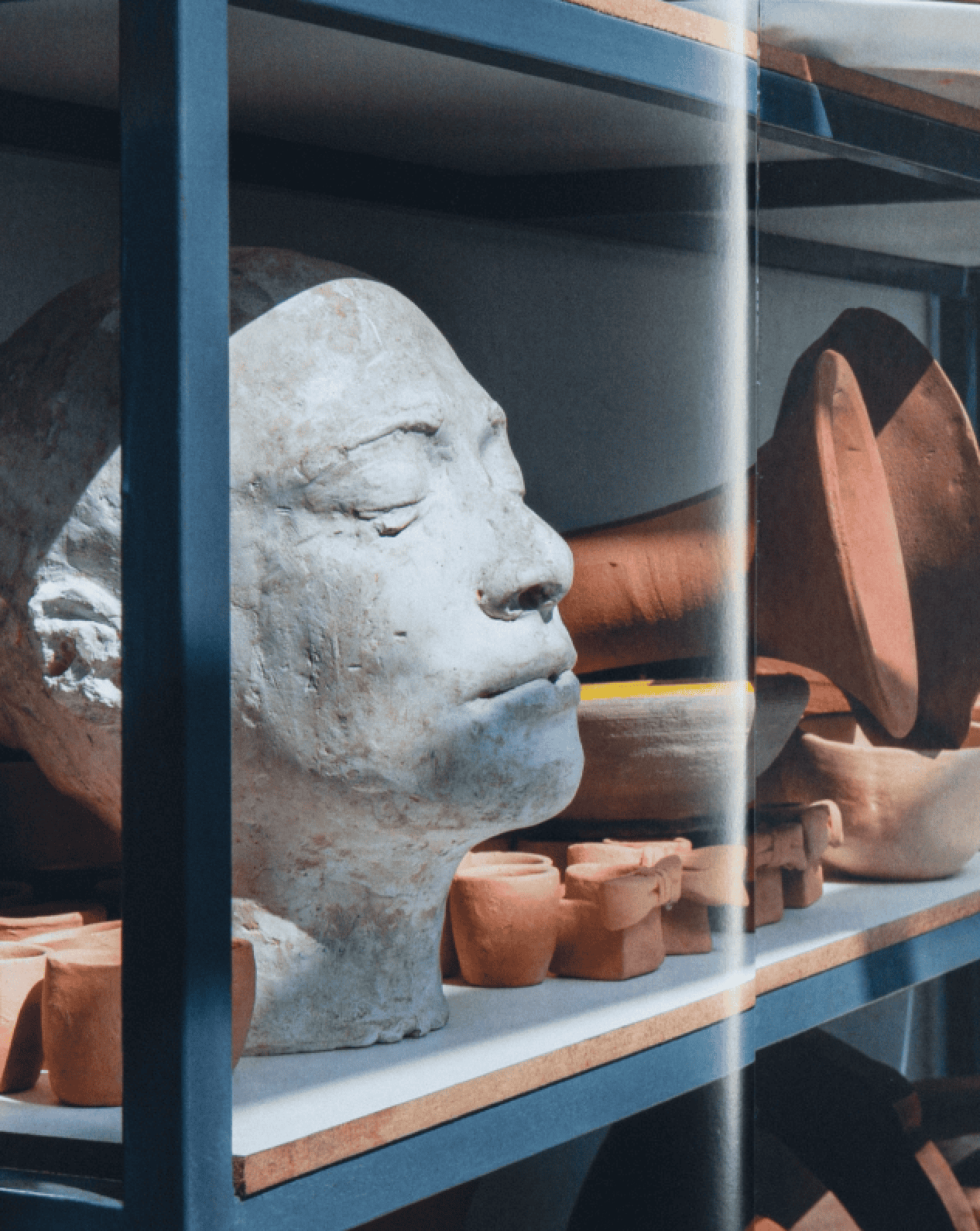
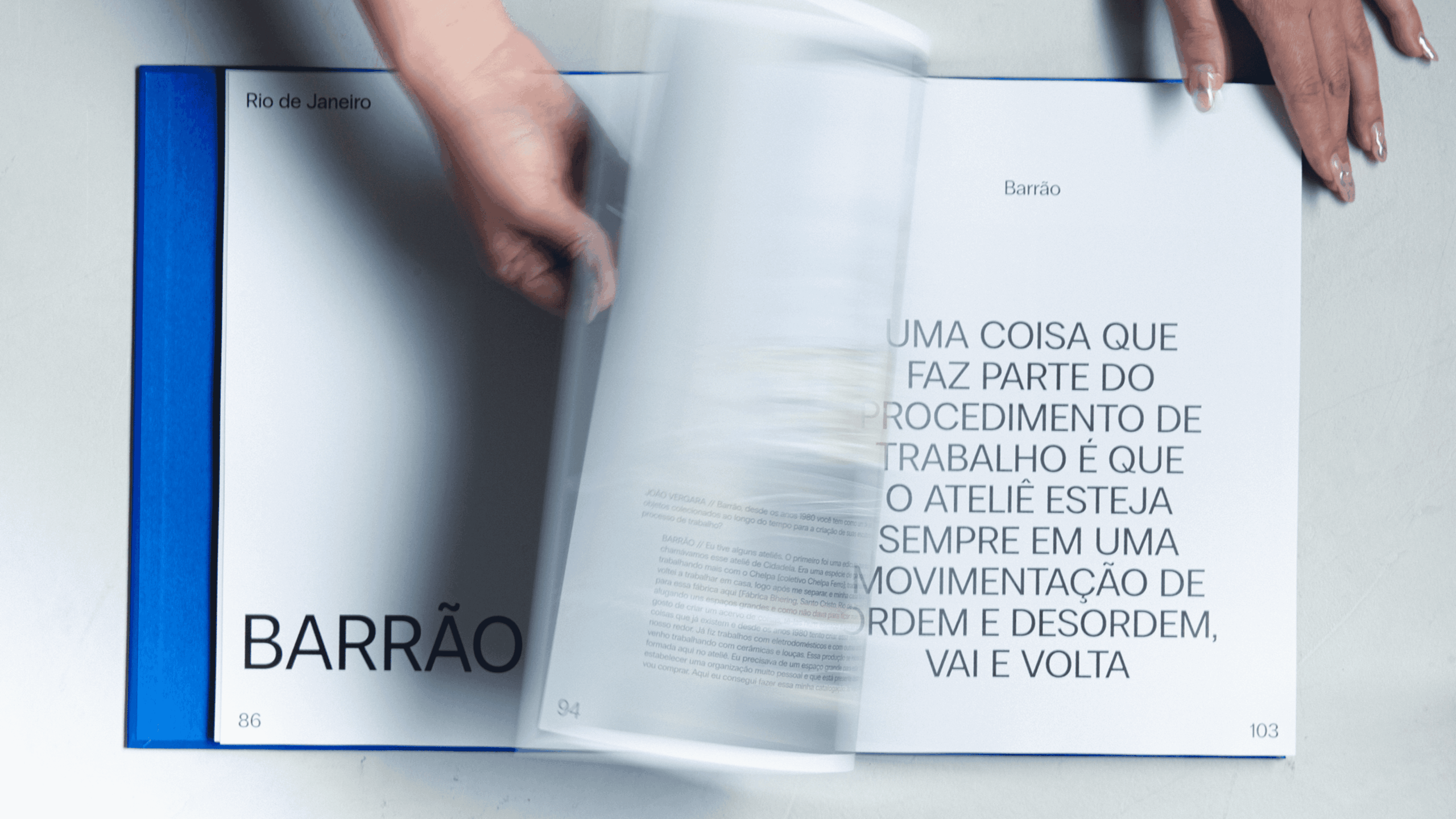
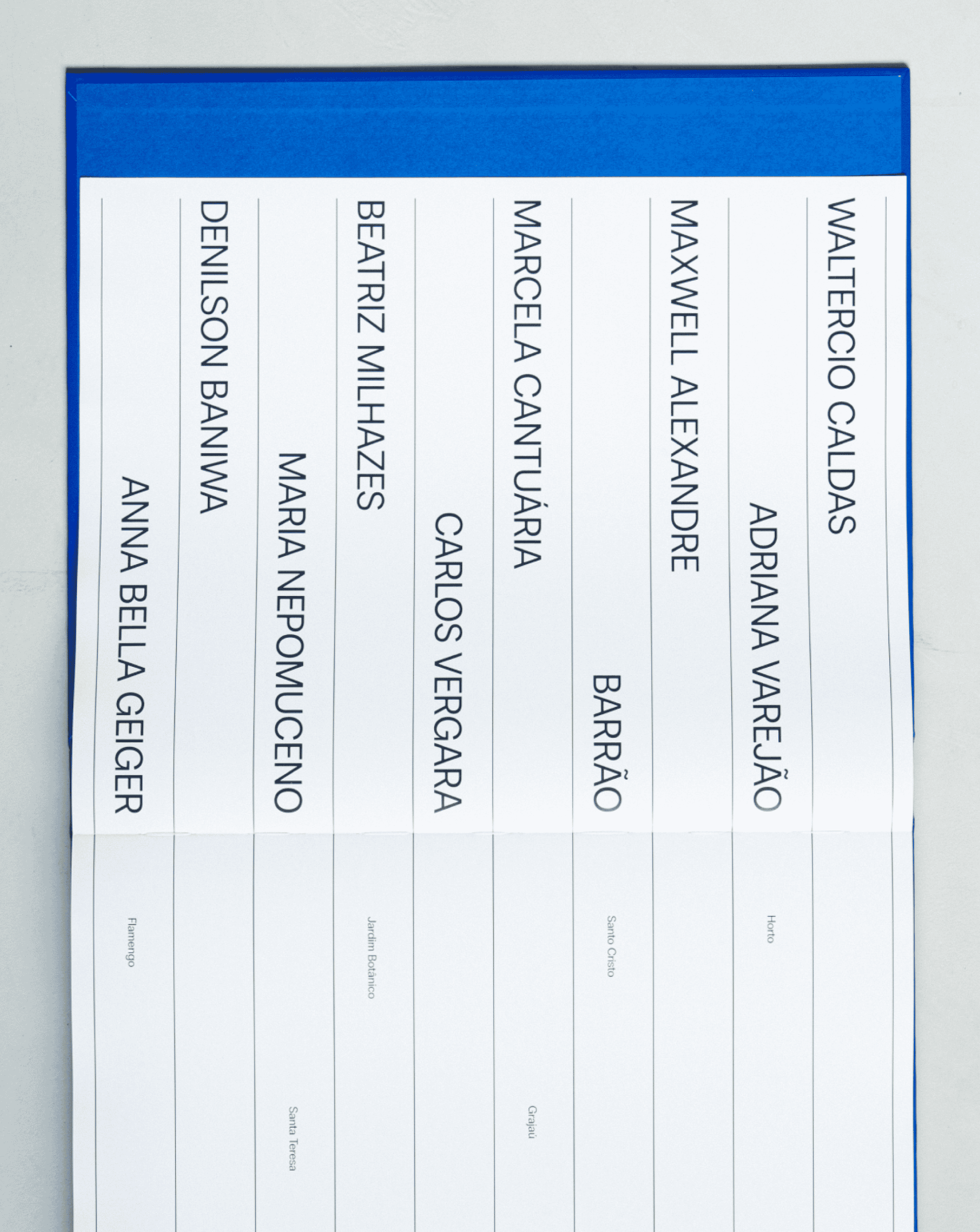
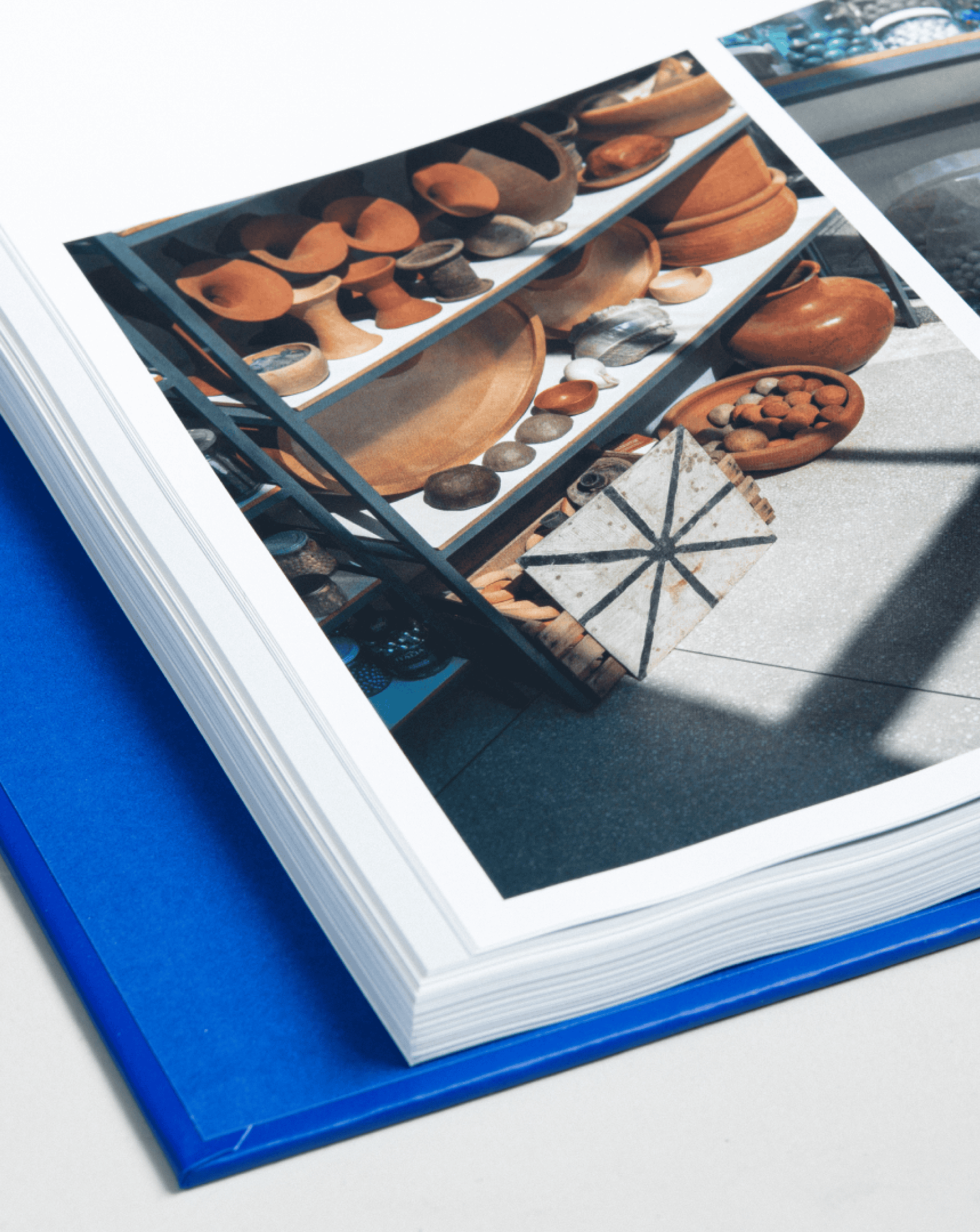
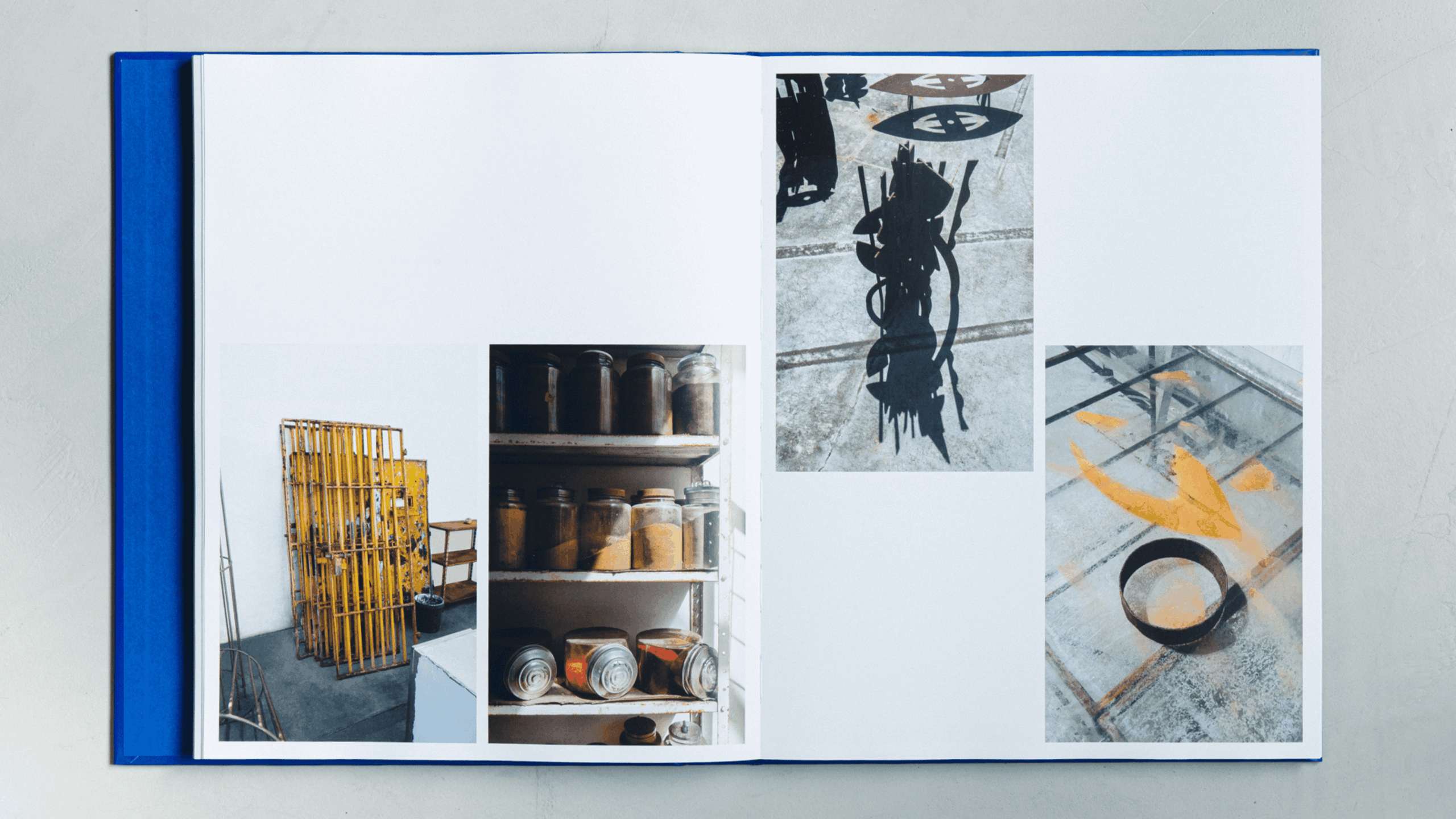
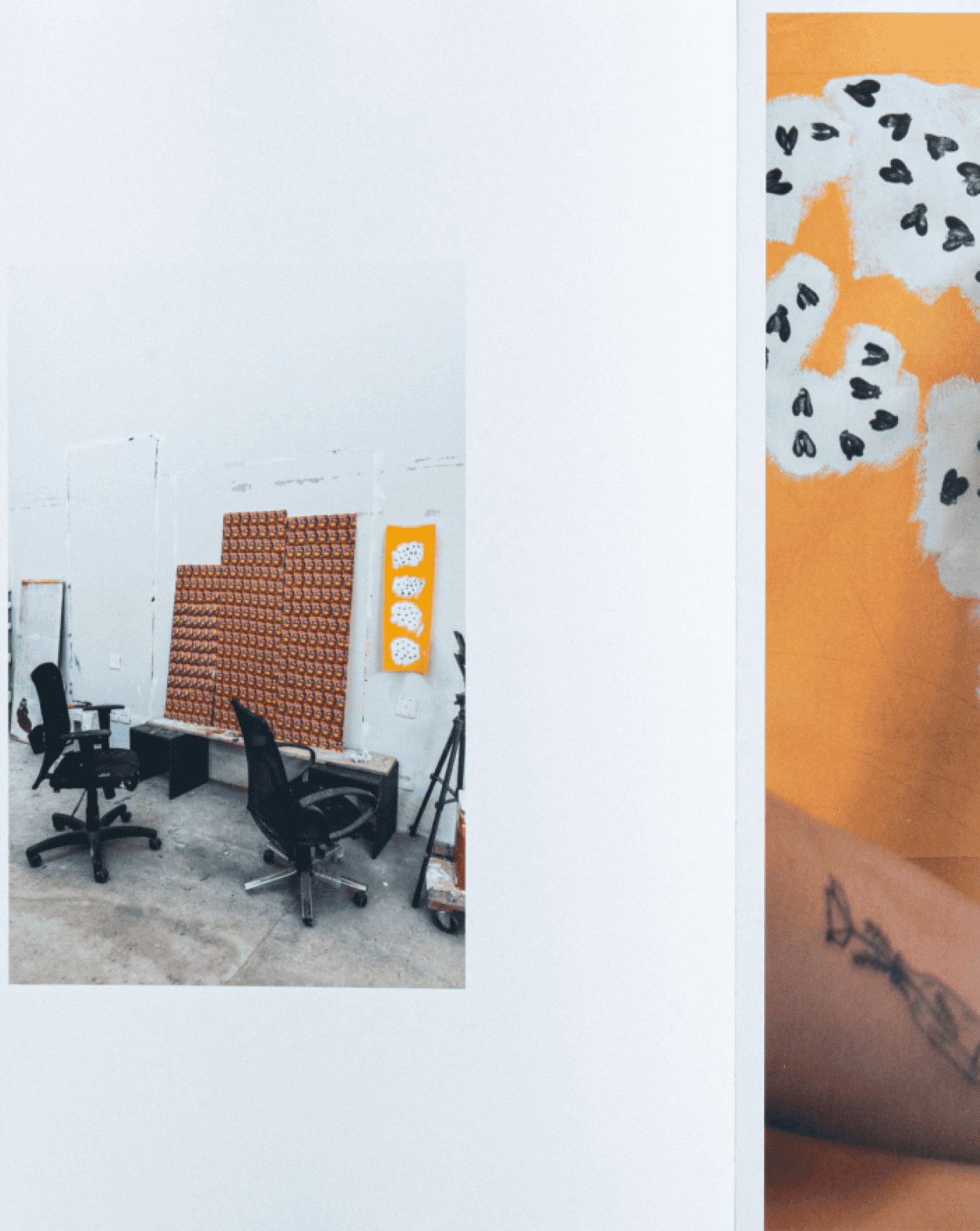
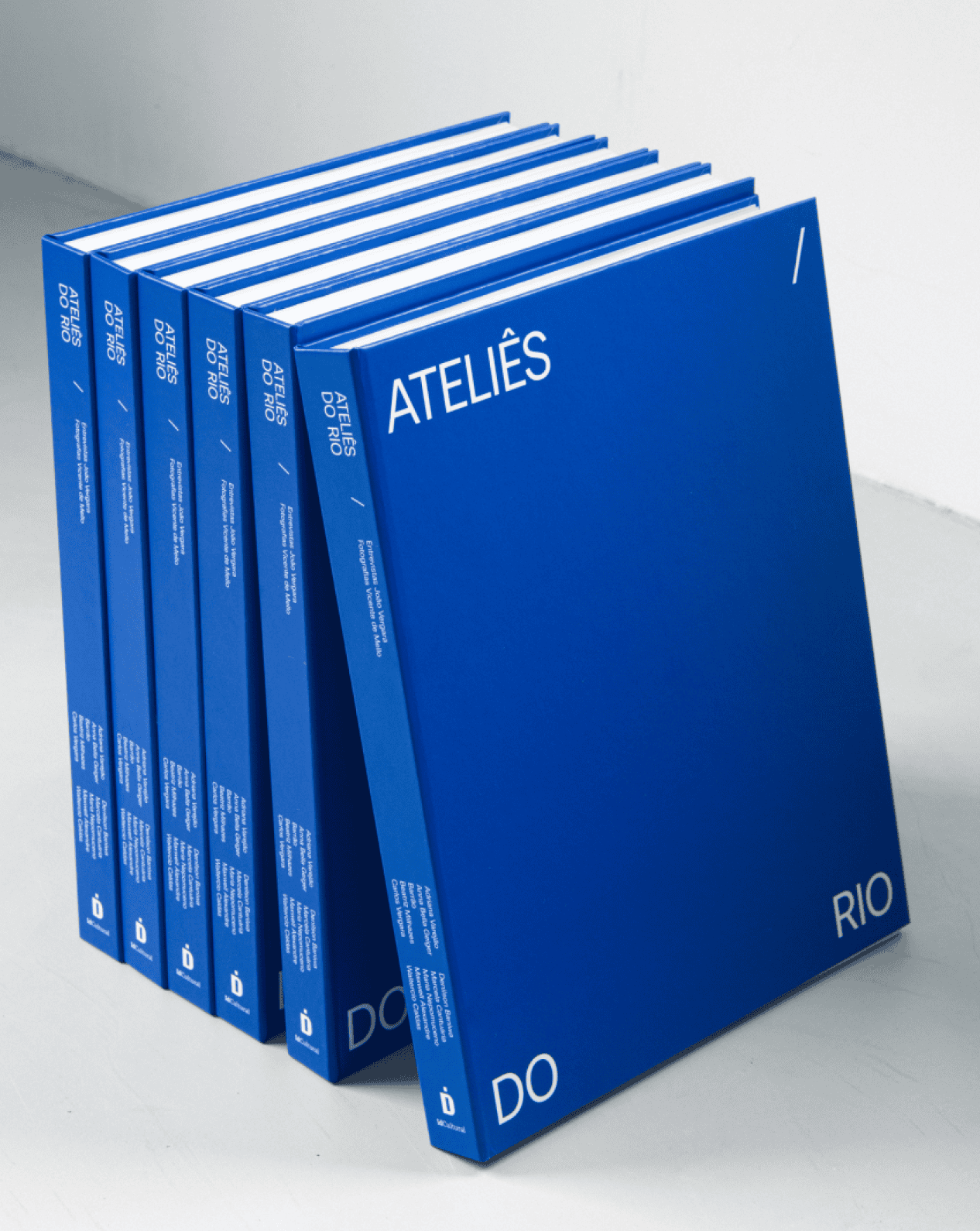
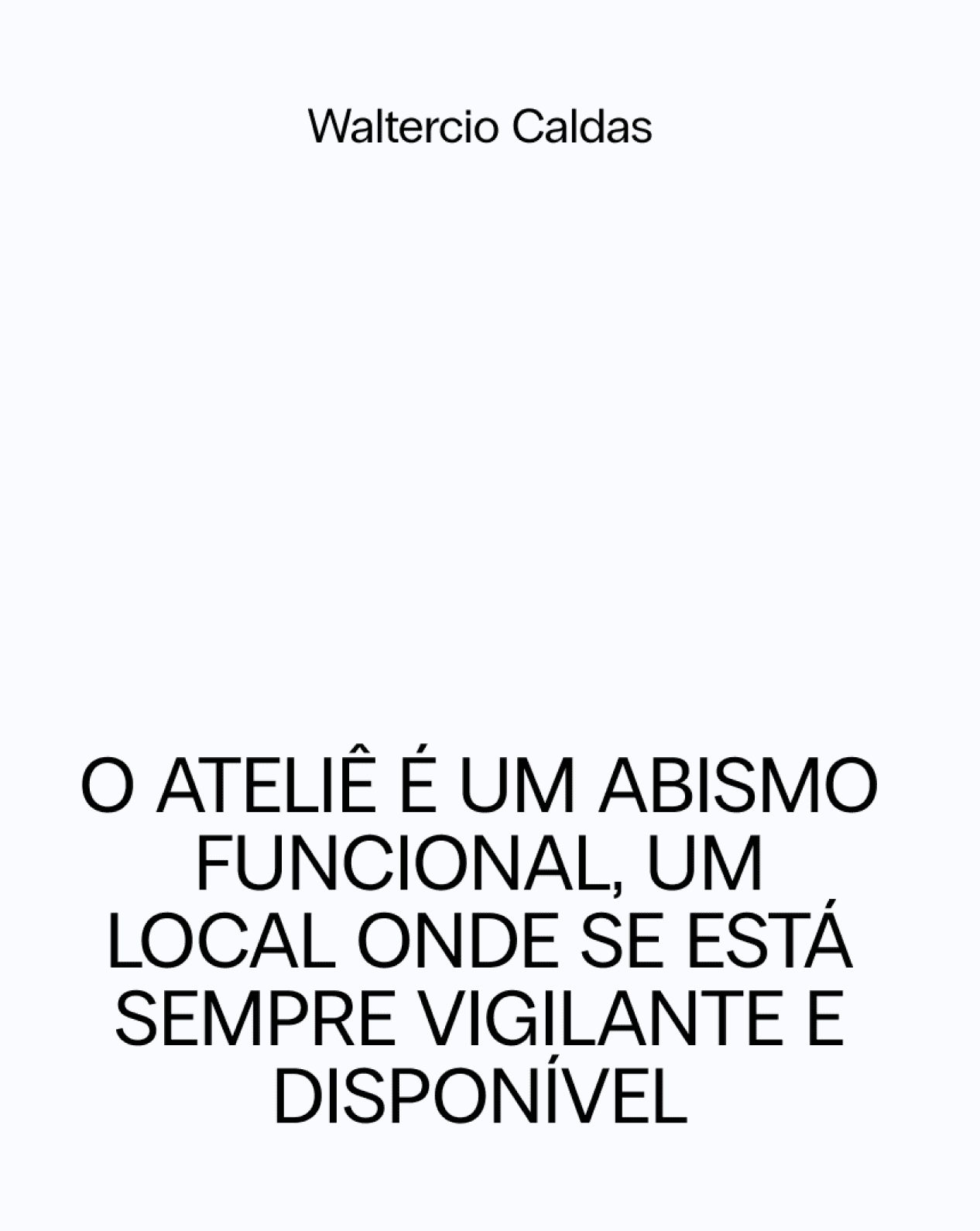
Ateliês do Rio invites readers into ten spaces to observe each artist’s creative process and how each one organizes routine, repetition, memory, imaginative thought, experimentation, inspiration, abysses, and practical needs. In photographs by Vicente de Mello and interviews by João Vergara, the studios of Adriana Varejão, Anna Bella Geiger, Barrão, Beatriz Milhazes, Carlos Vergara, Denilson Baniwa, Marcela Cantuária, Maria Nepomuceno, Maxwell Alexandre, and Waltercio Caldas appear as singular extensions of their practices. We developed the publication’s editorial design from this very understanding: a book that absorbs the symbiosis between artist and space, where tools, chaos, works in progress, walls, tables, and silences reveal that a studio is, above all, a living archive and a way of being in the world. For that very reason, it is always expected to remain in motion—between order and disorder, comings and goings.

Botton turns small habits into possible paths toward well-being. It is a brand that brings health, affection, and awareness together to care for oneself, for others, and for the planet without resorting to promises of immediate change.
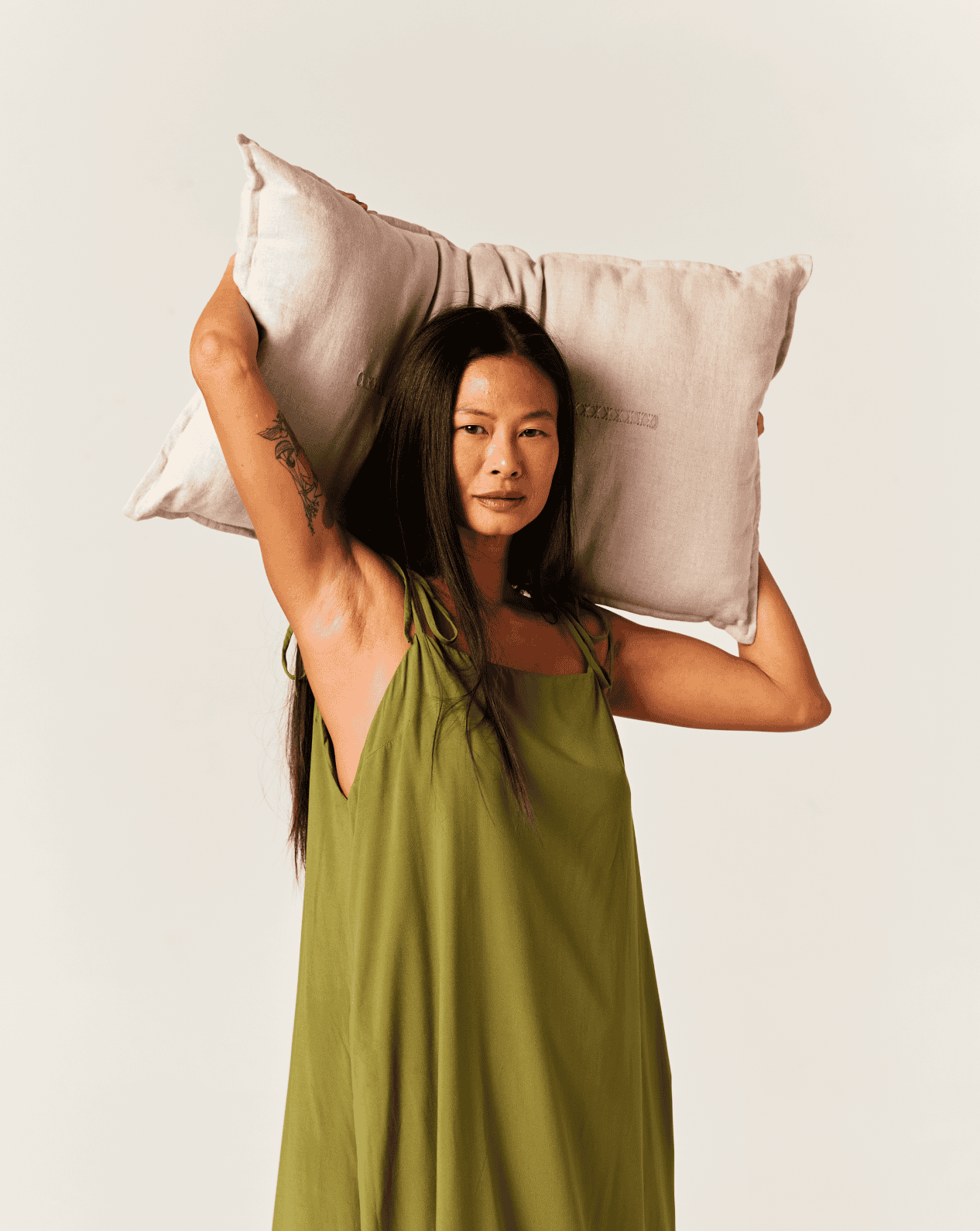
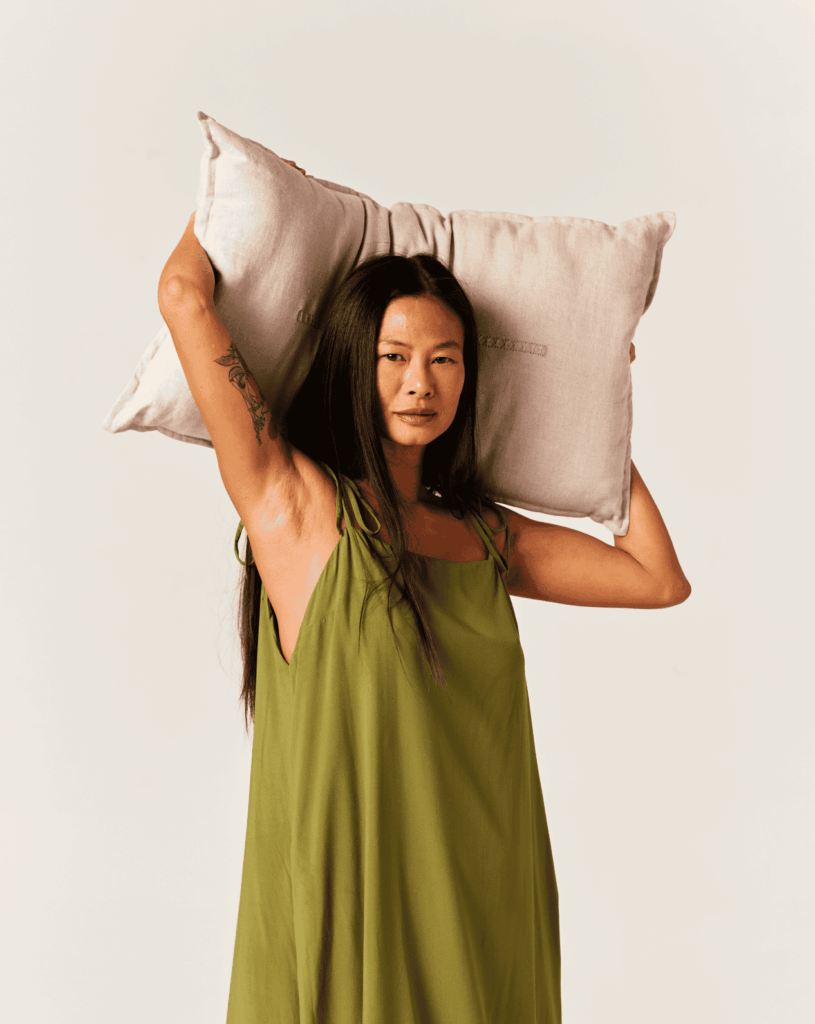
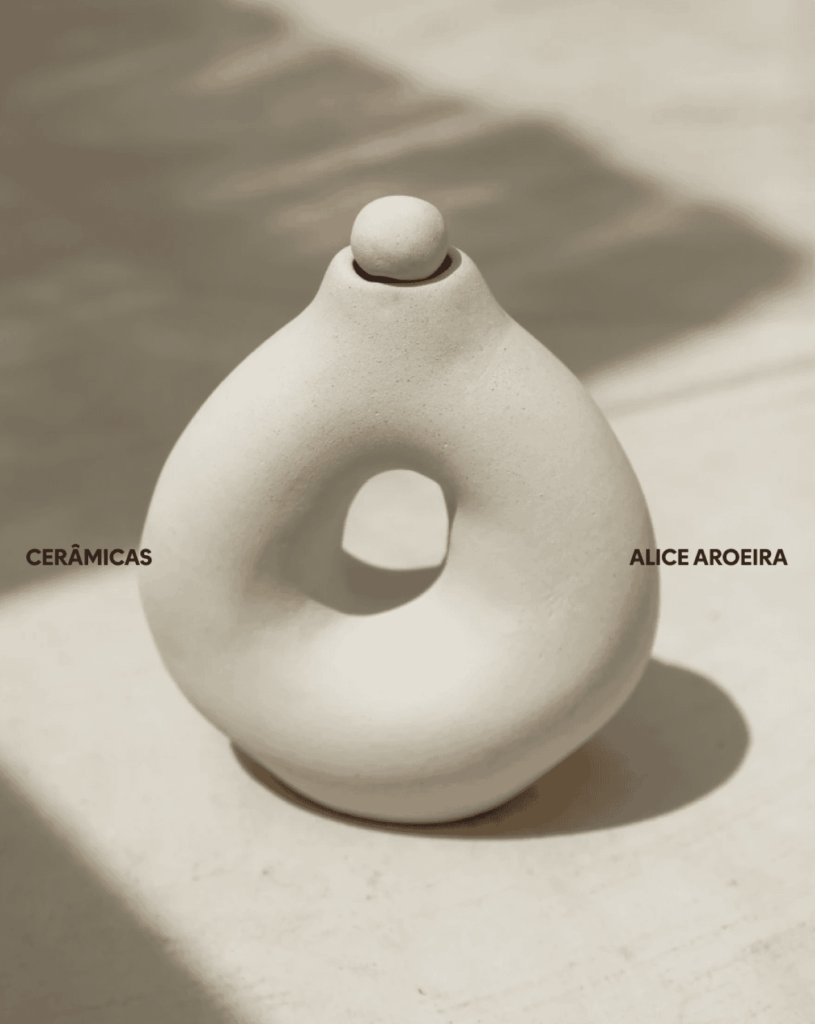
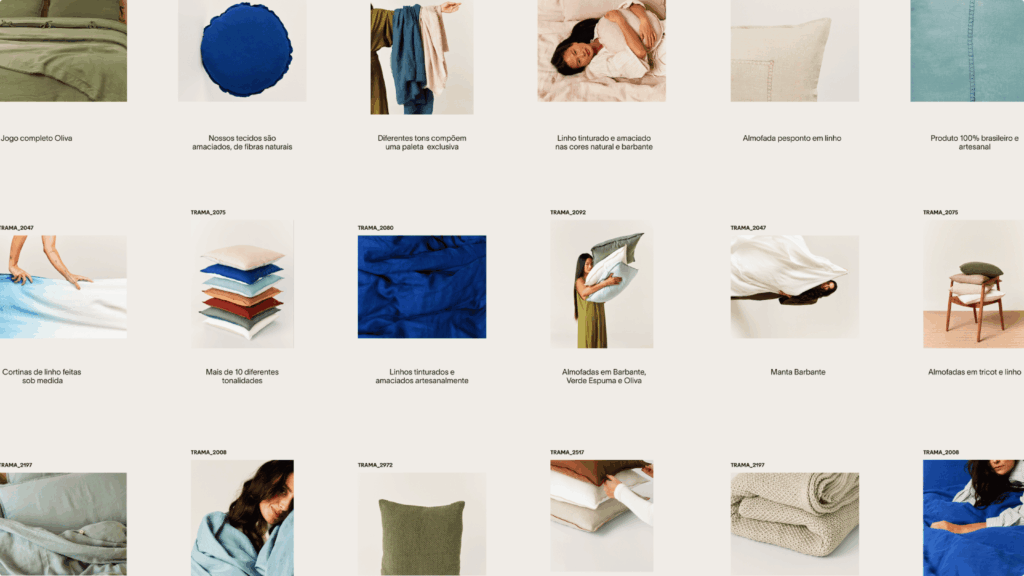

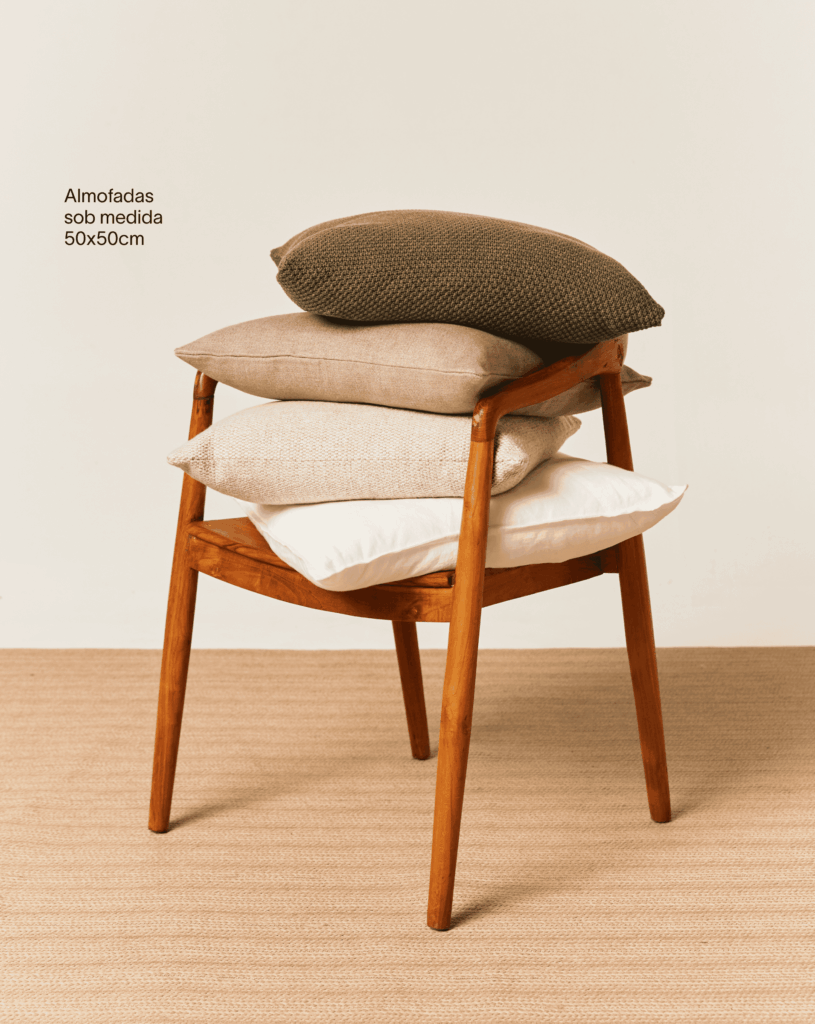
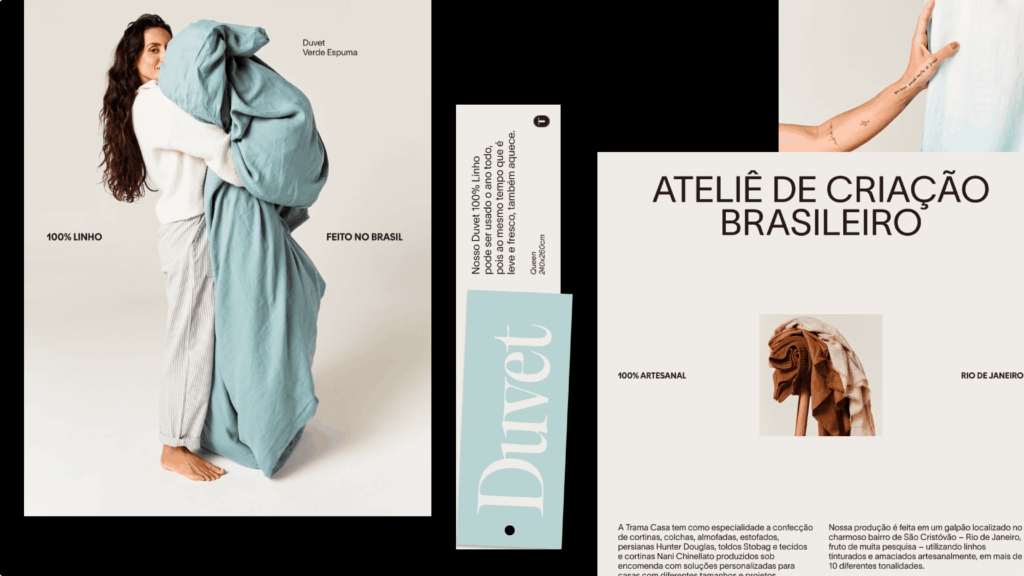
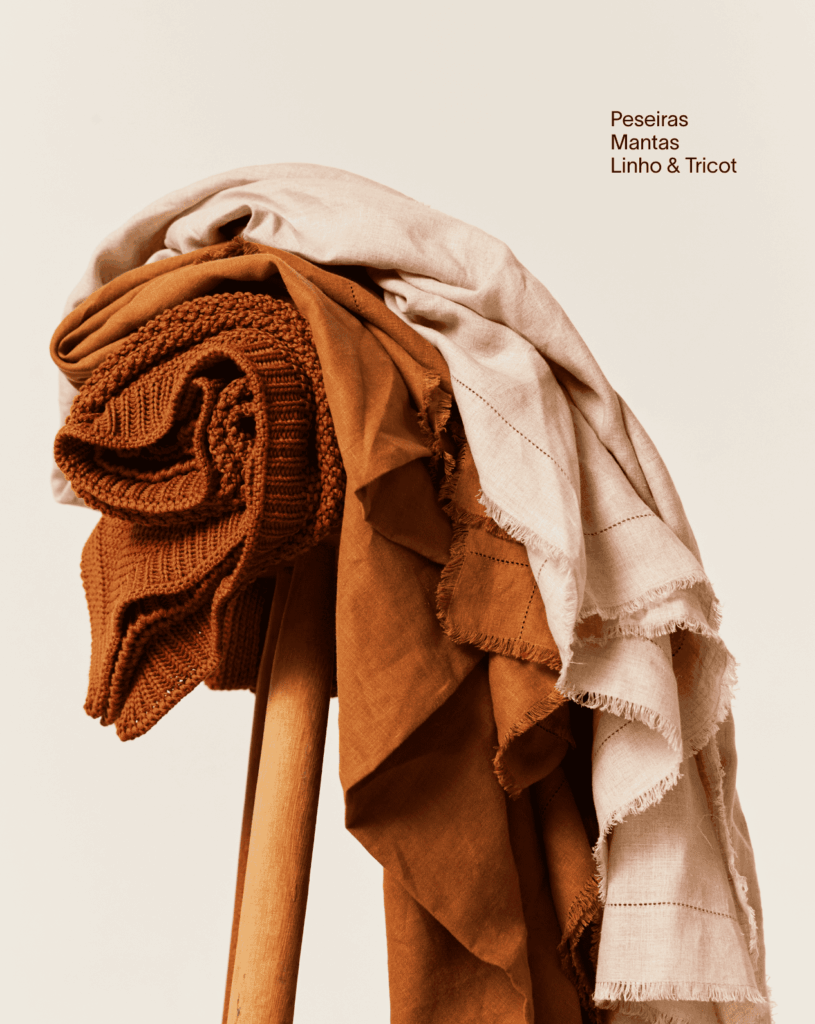
We led Trama’s rebranding process, reaffirming the brand as a creative studio dedicated to the home and the beauty of everyday life. We developed a broader, more sensitive visual identity, accompanied by photography and audiovisual production that foreground the quality of the materials and the wisdom of craft.
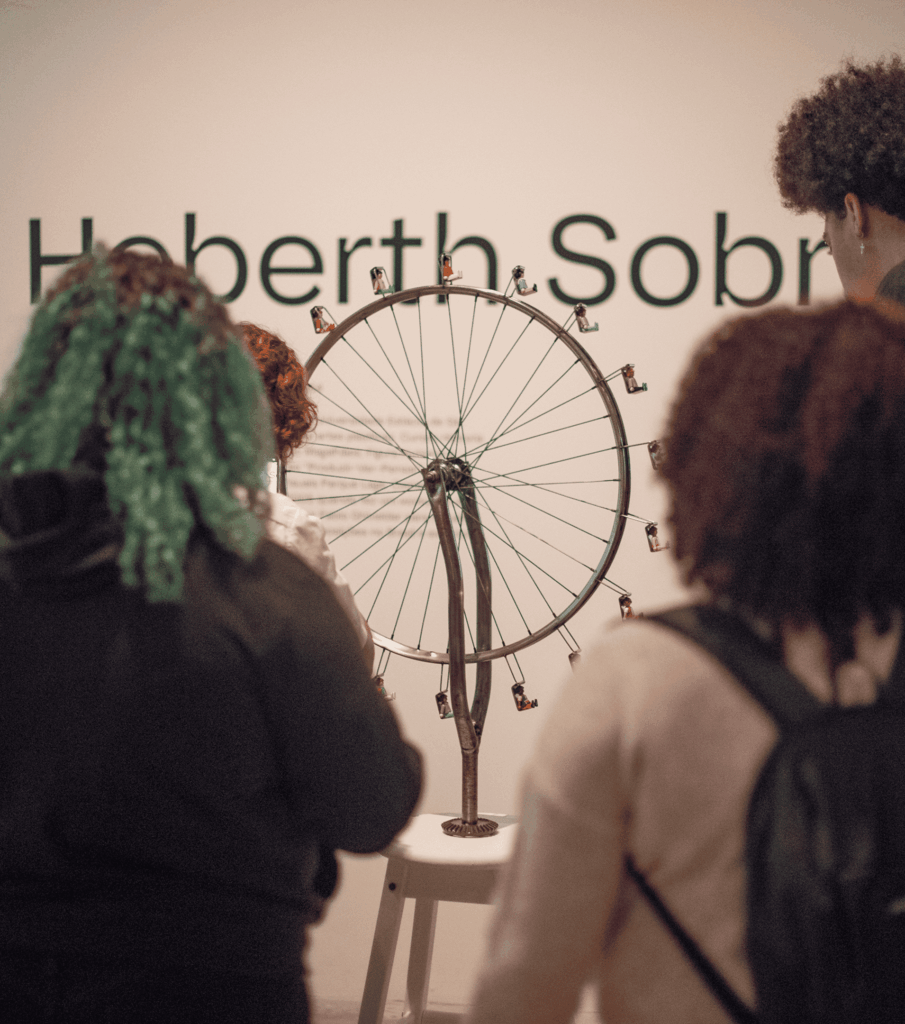
Play is an open-access arts festival that approaches childhood and youth in a diverse, participatory way. By bringing education, culture, and the city closer together, it recognizes children and young people as agents of new ways of learning and occupying space.
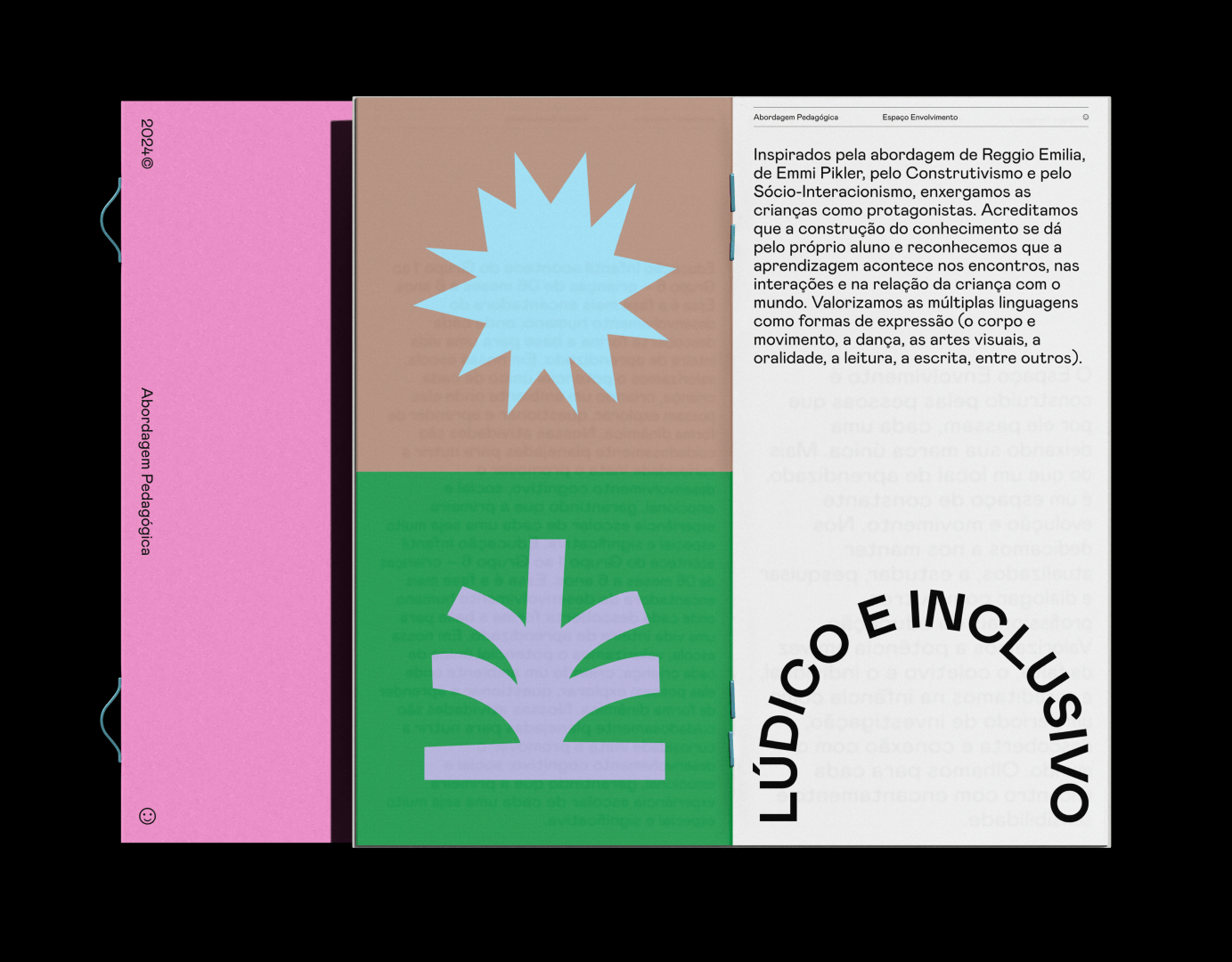
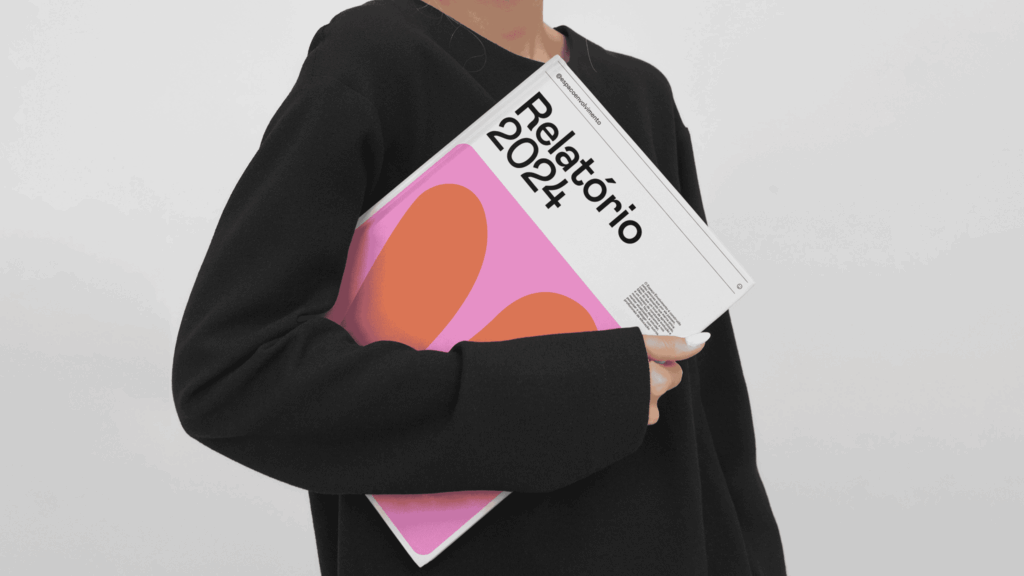
Childhood is not preparation for life; it is life itself unfolding. With this in mind, we worked with Espaço Envolvimento on a careful rebranding process, moving through conceptual and strategic stages and arriving at a visual expression that reflects the school’s new moment.