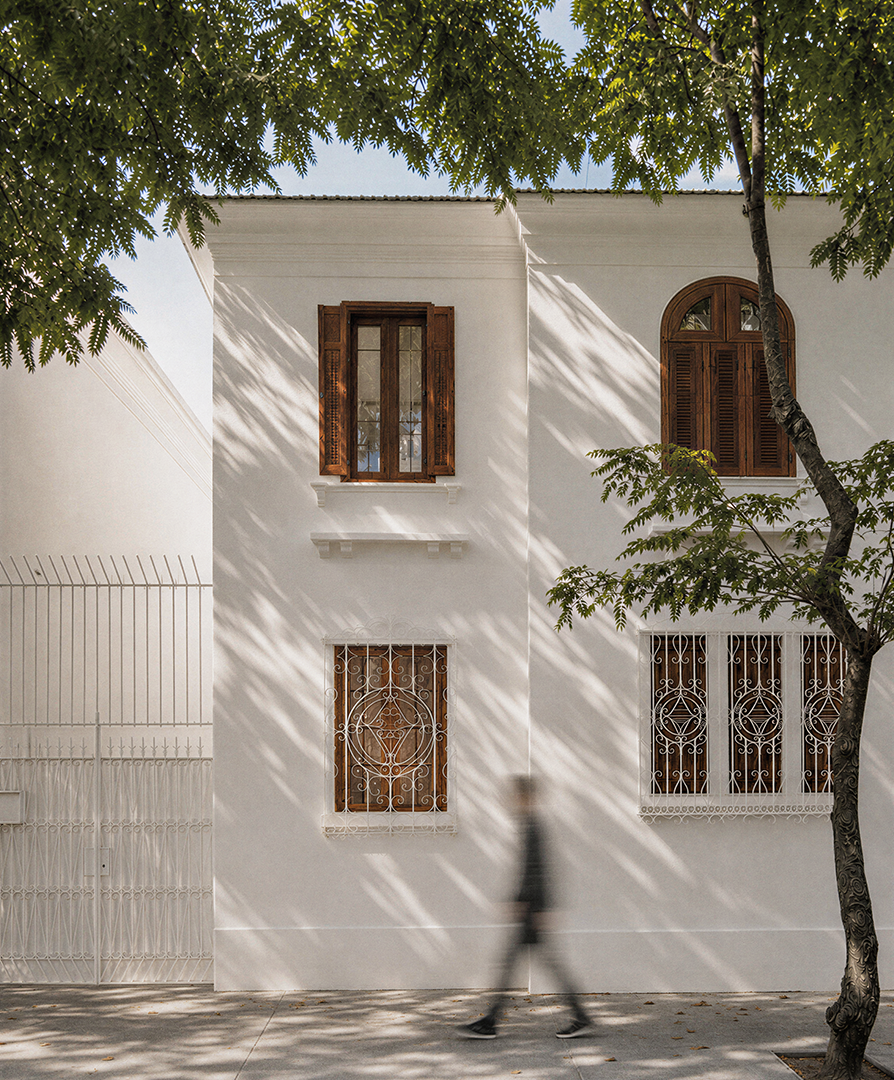
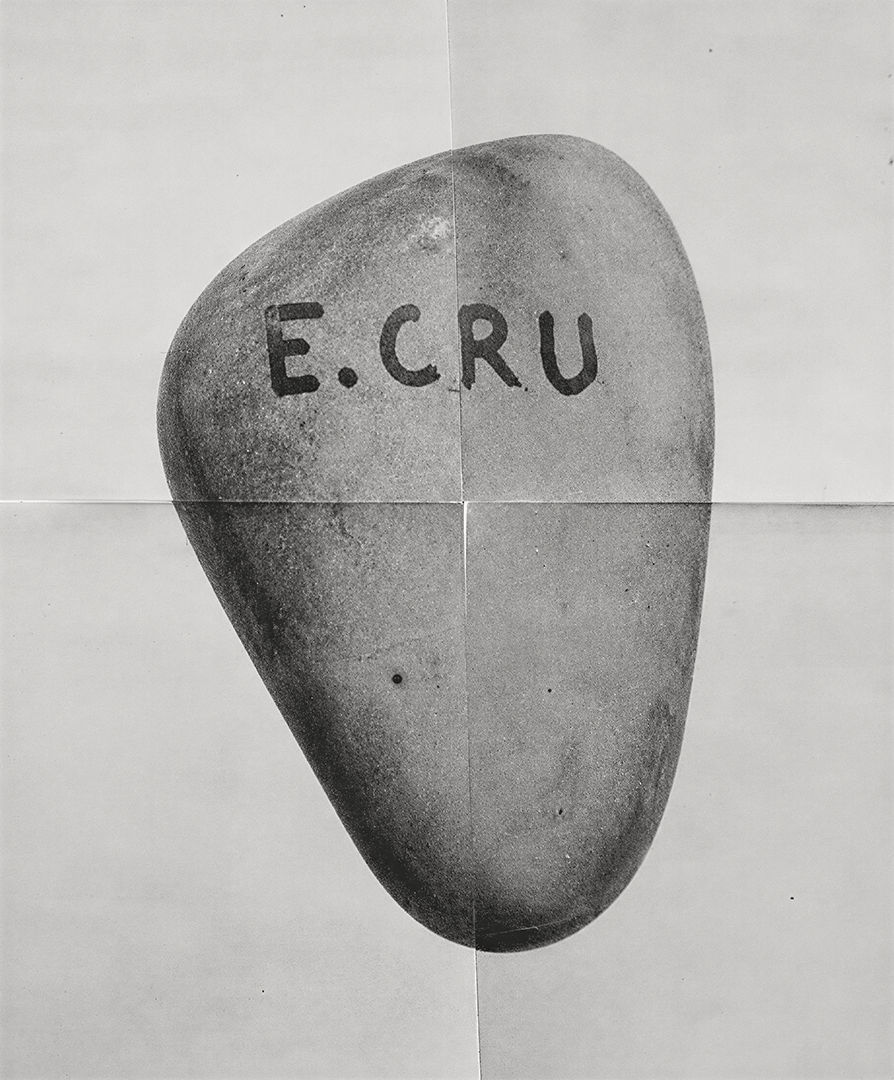
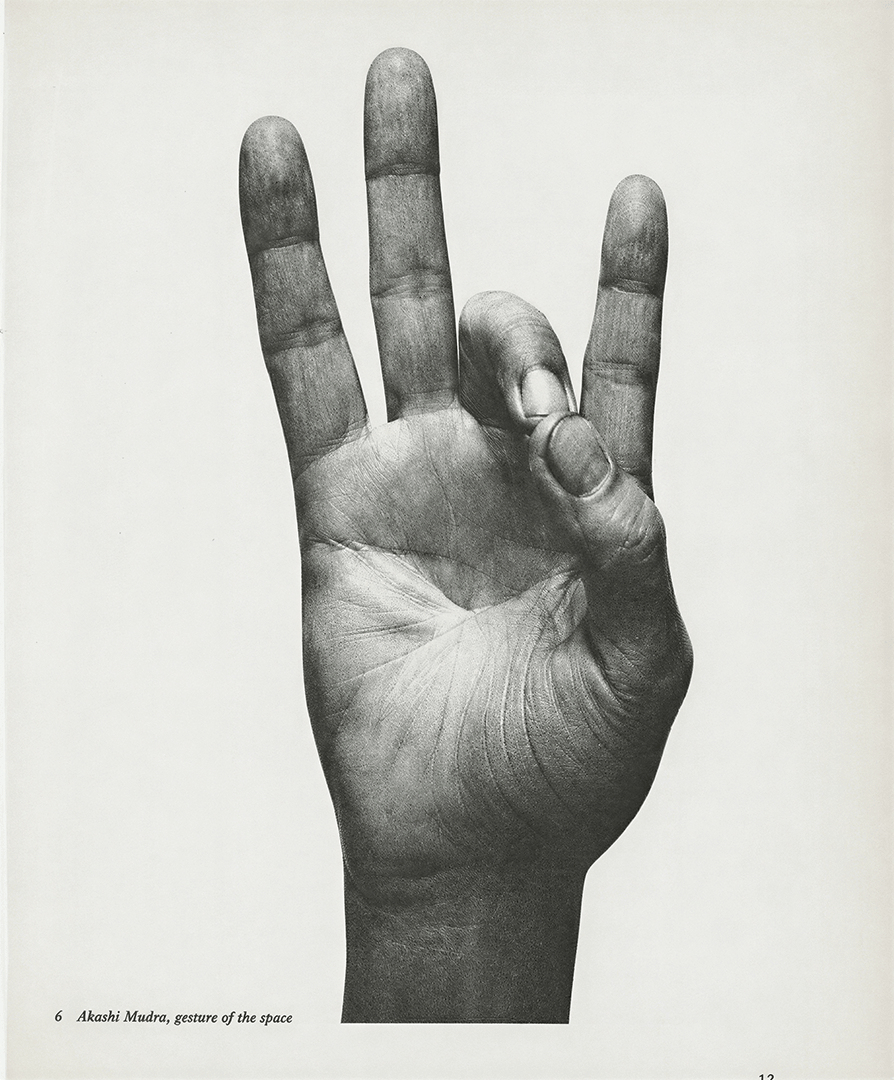
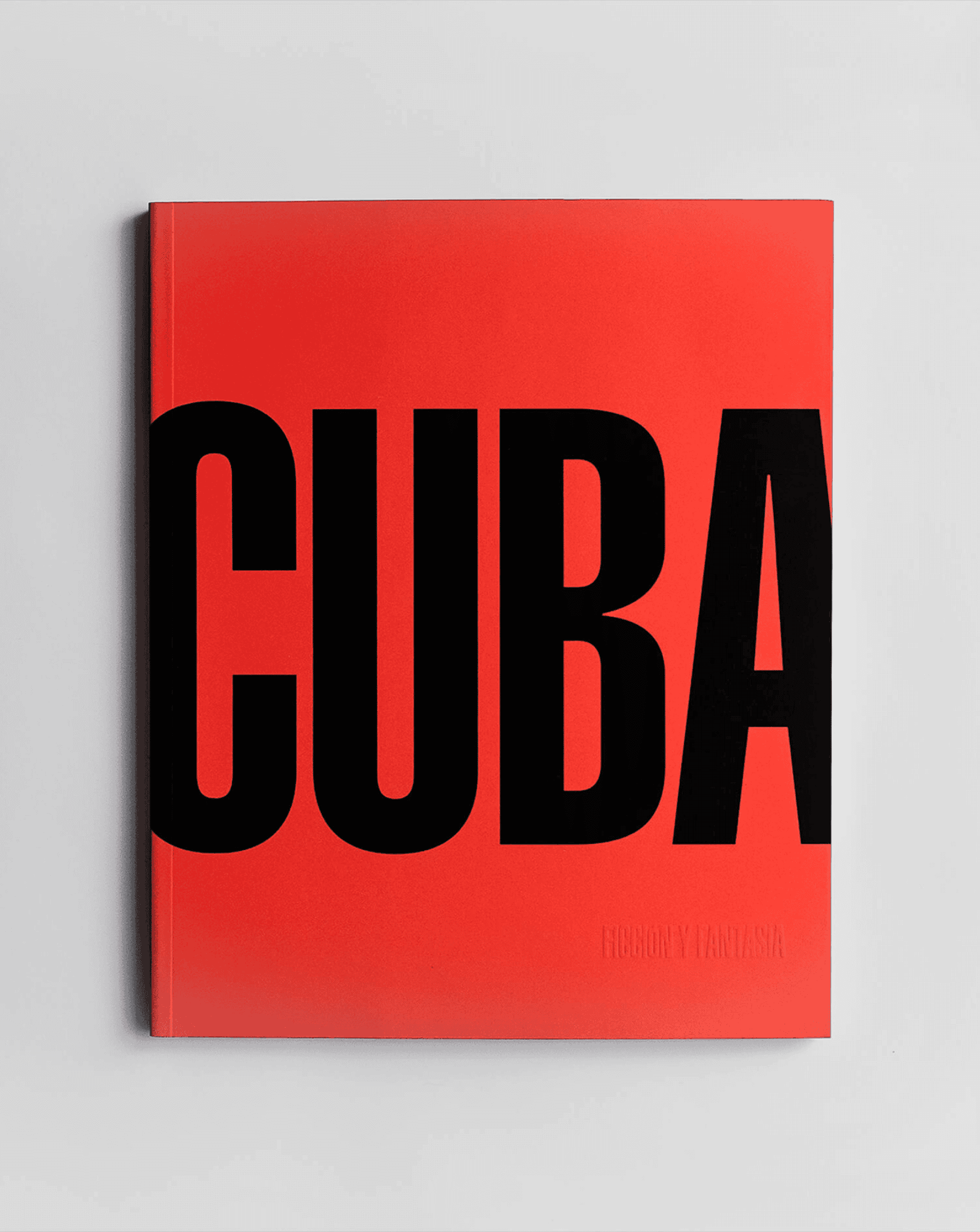
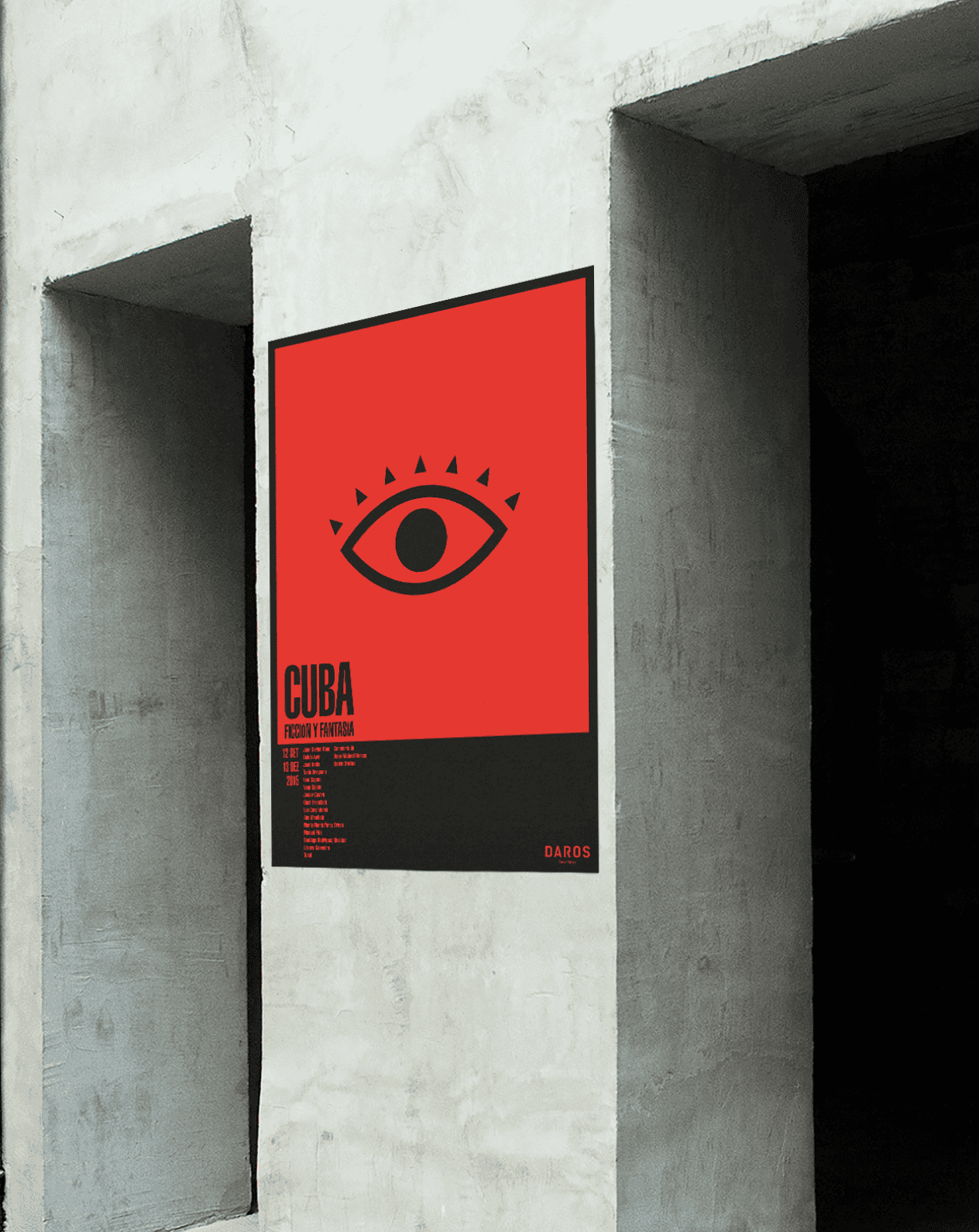
Cuba, Ficción y Fantasia
Editorial, Exhibition Design, Identity, Print
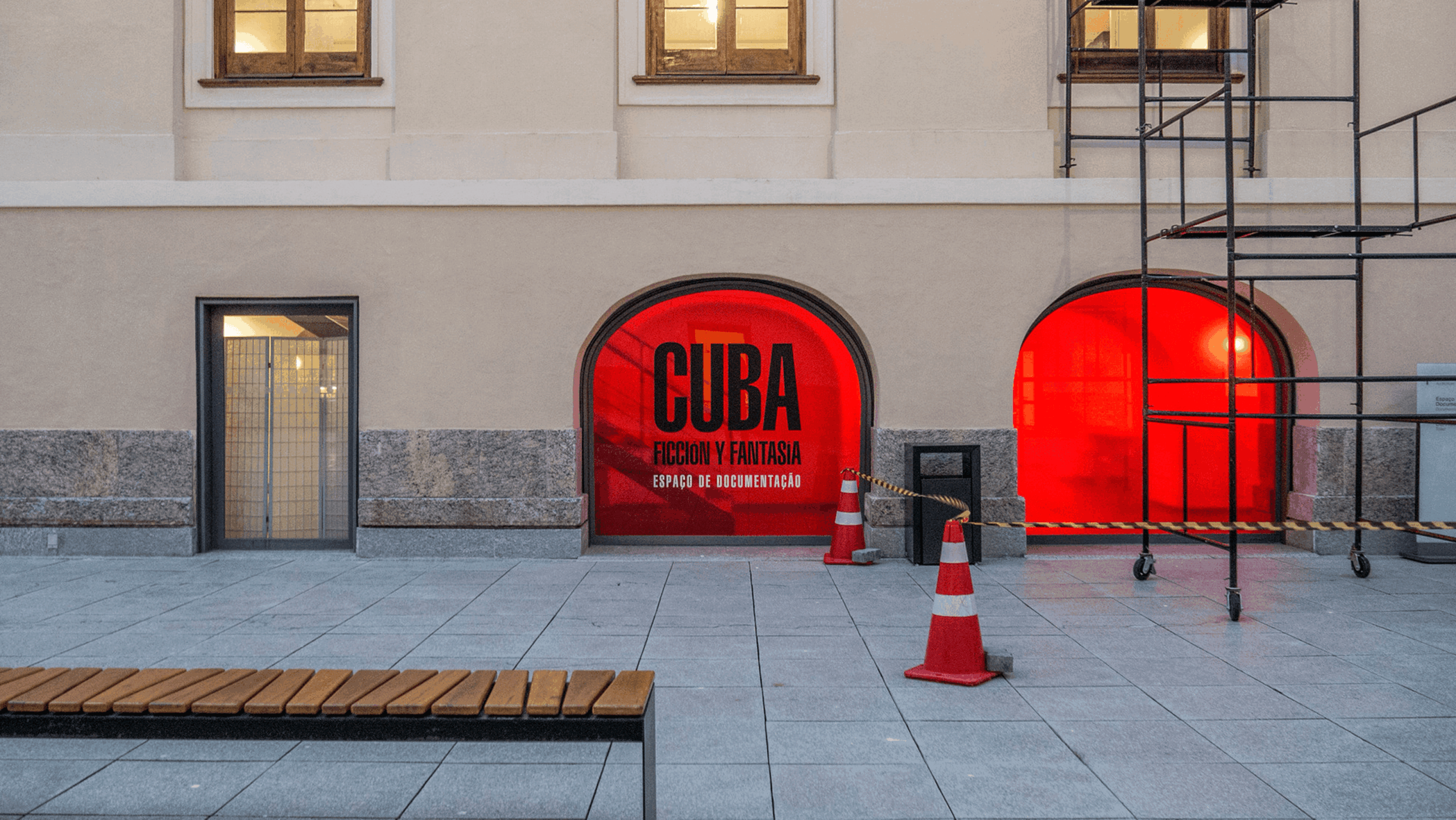
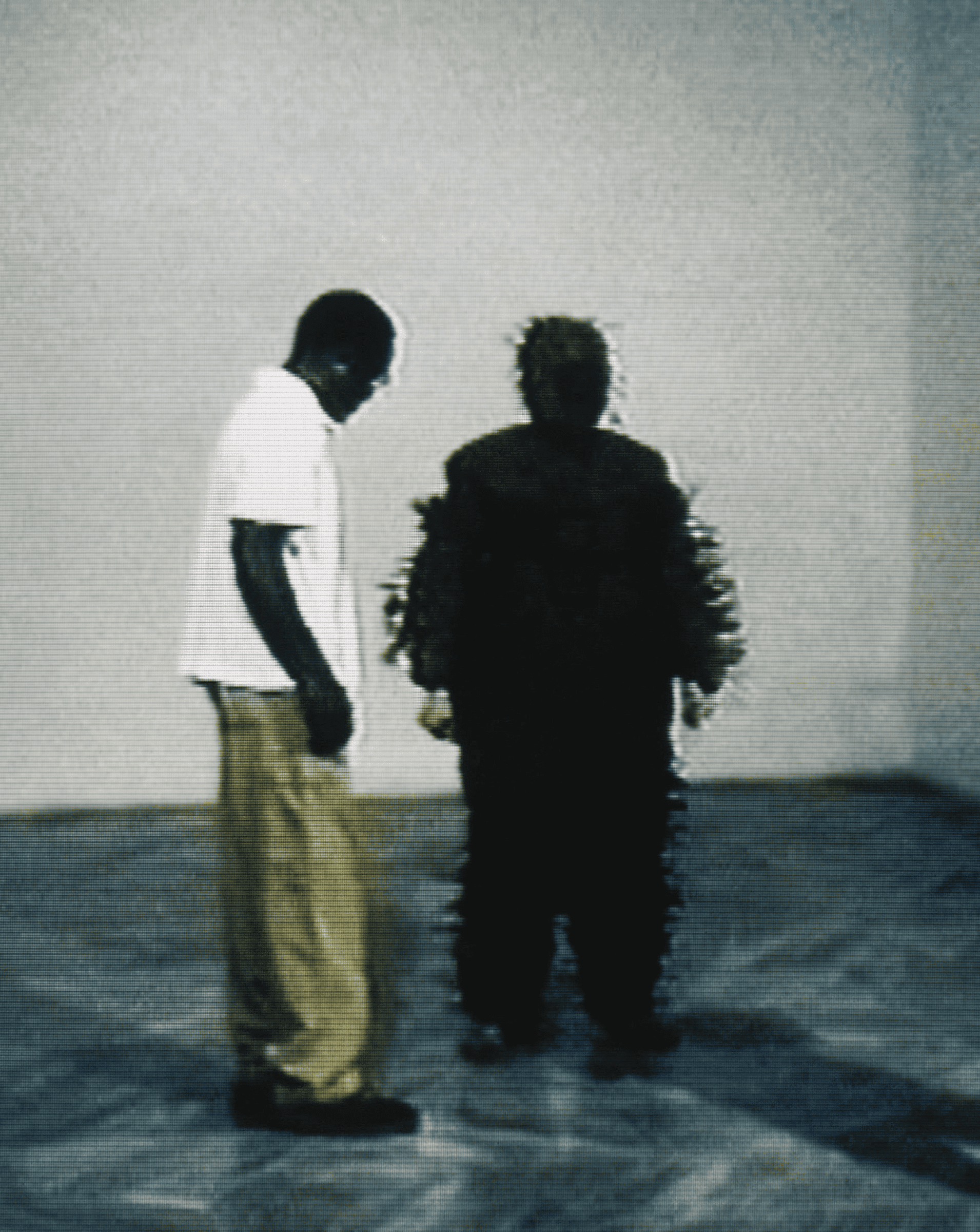
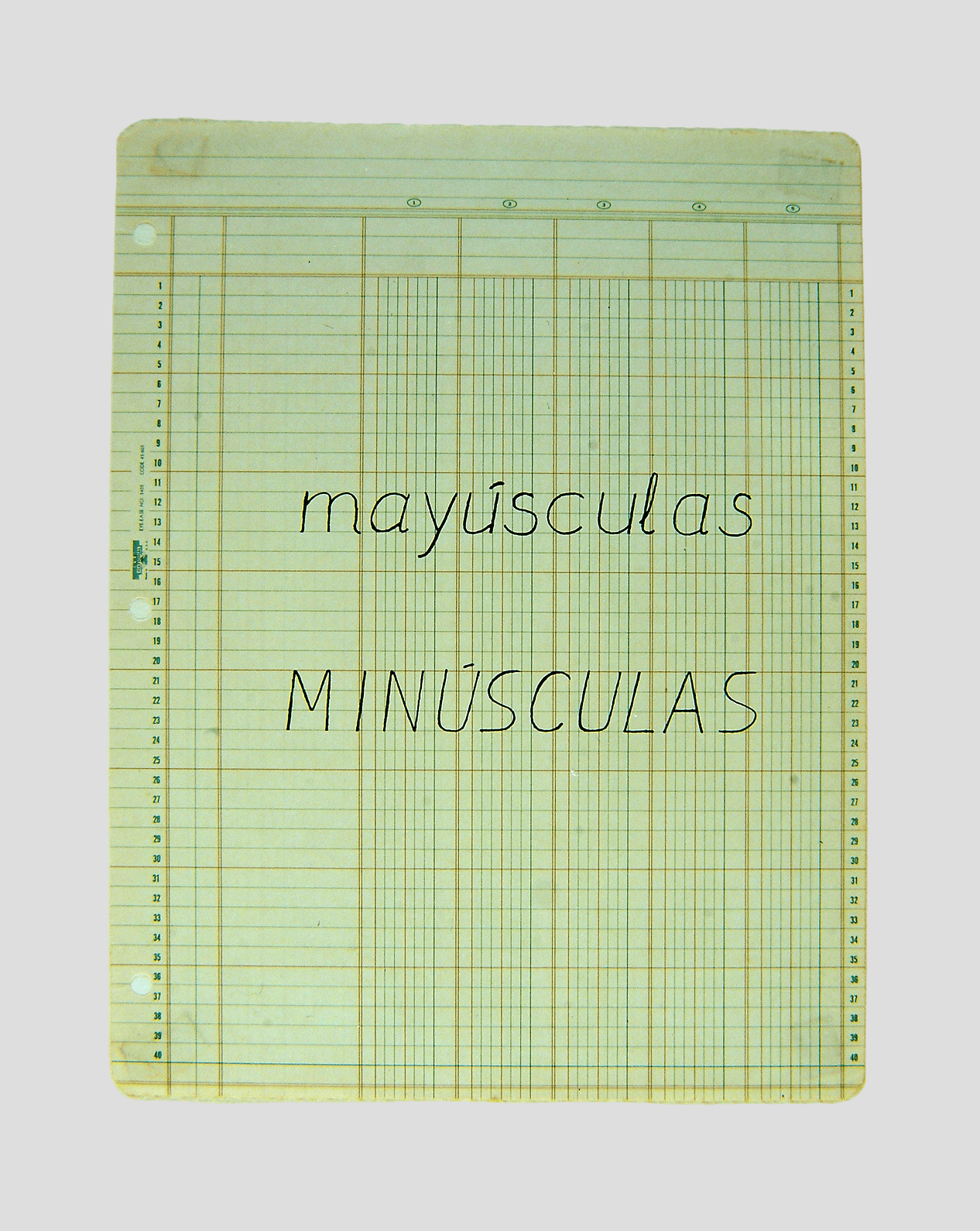
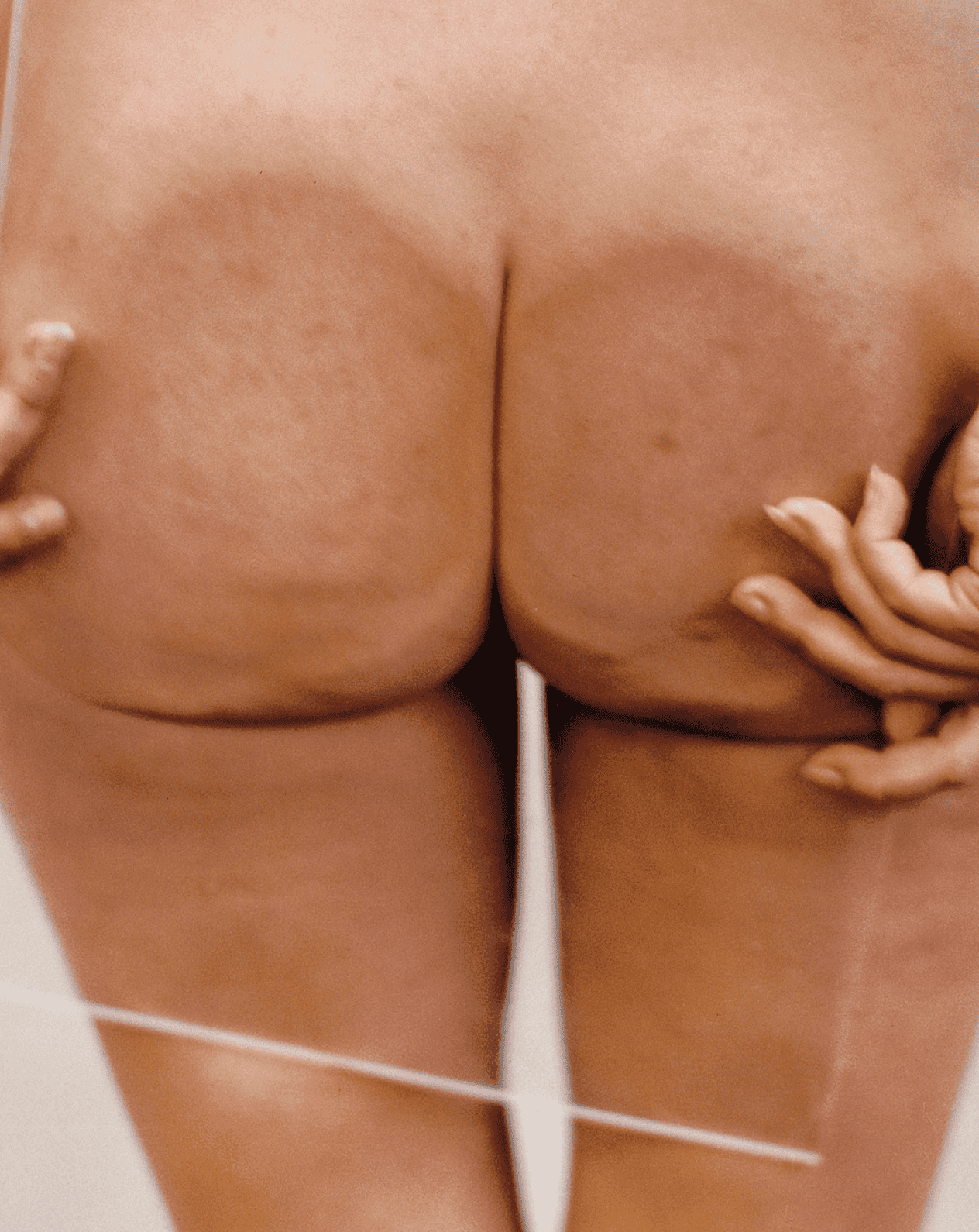
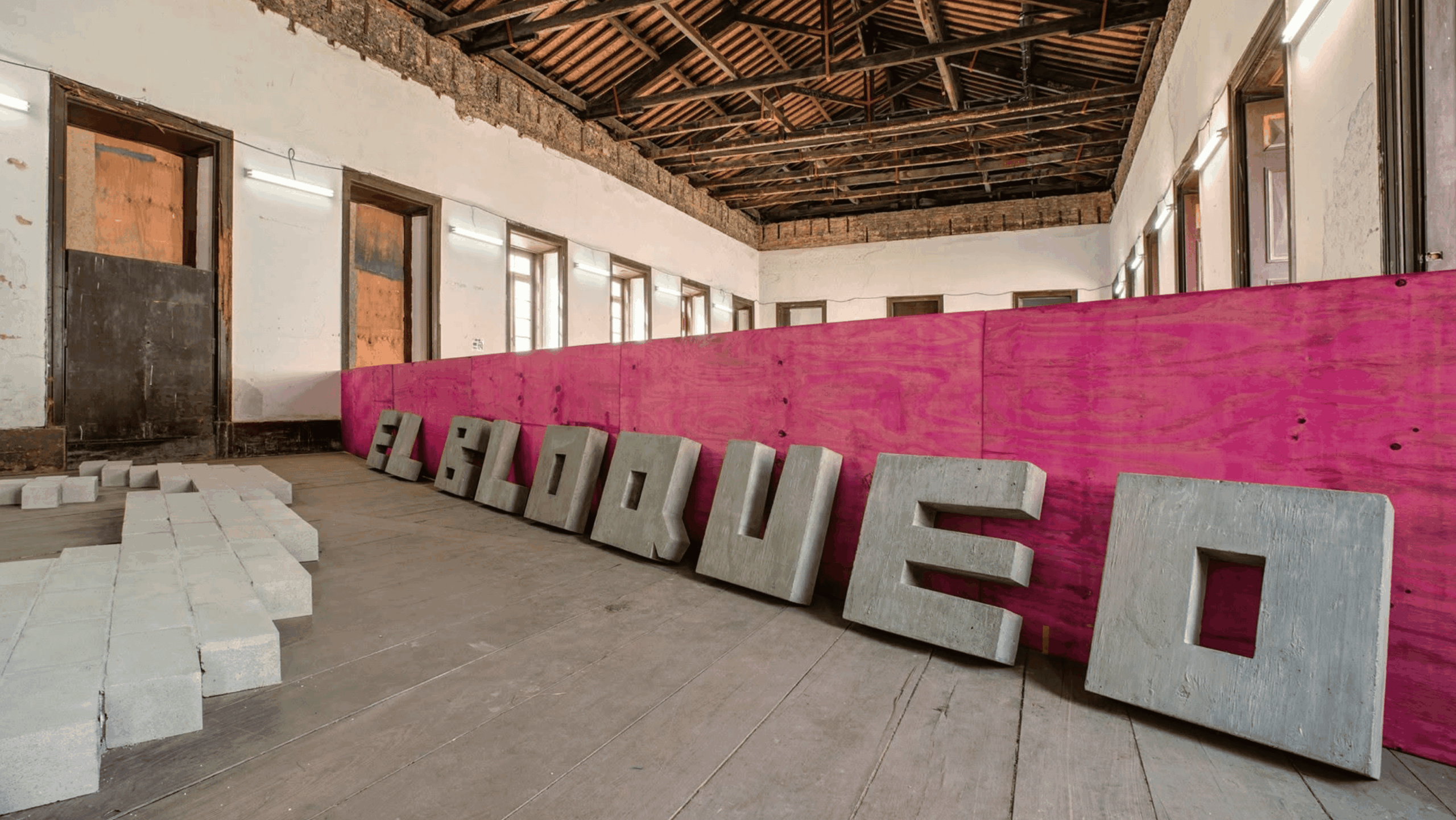
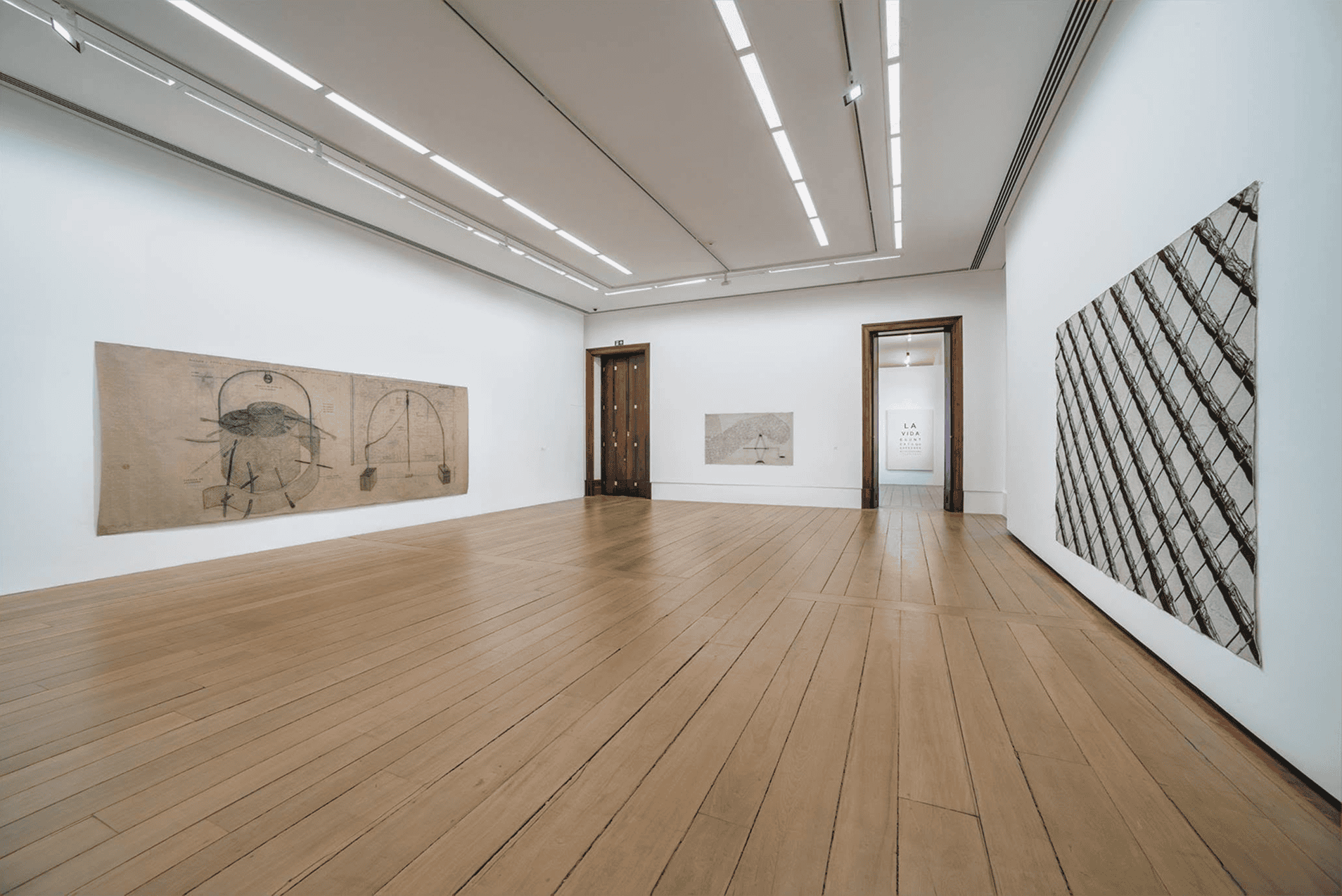
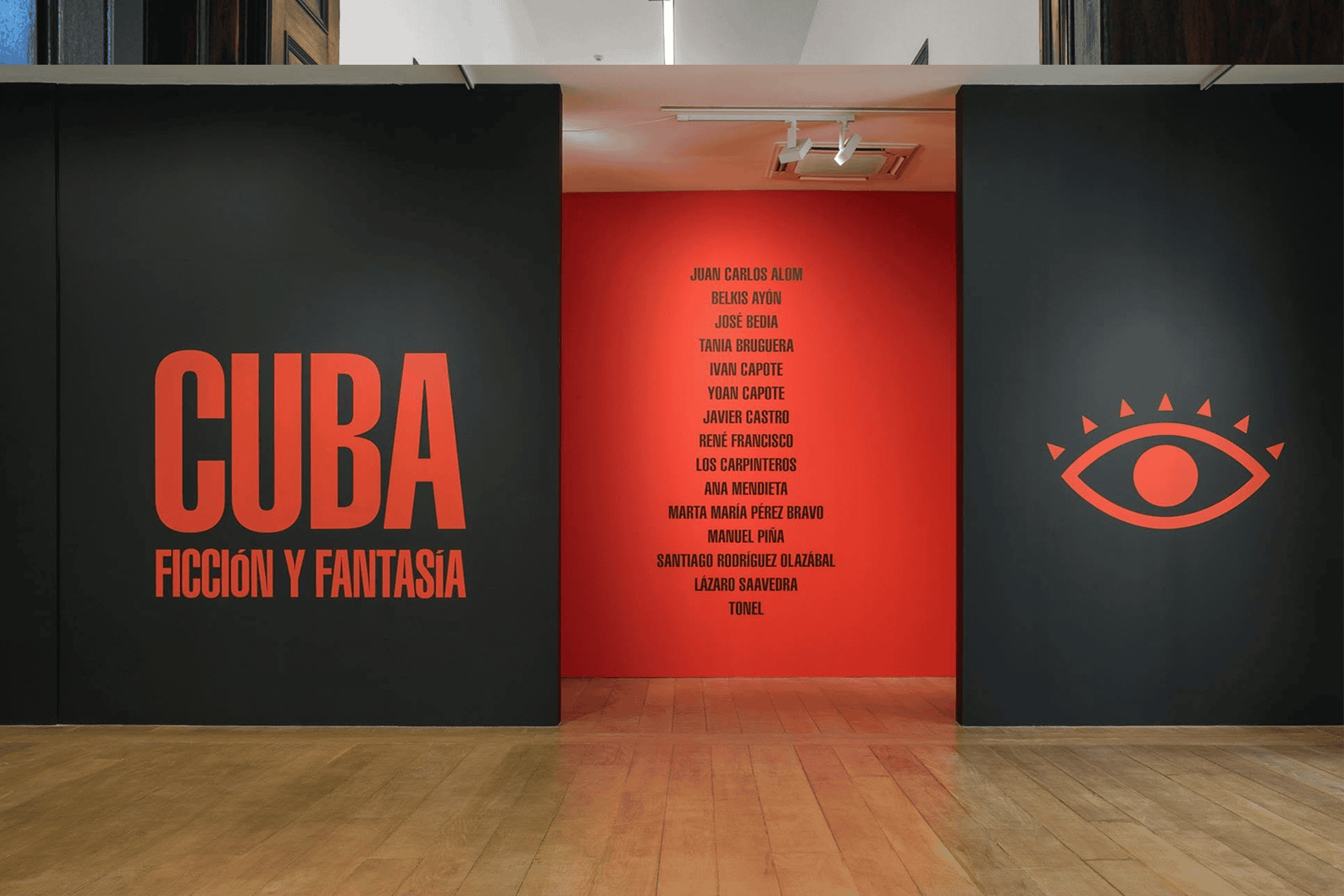
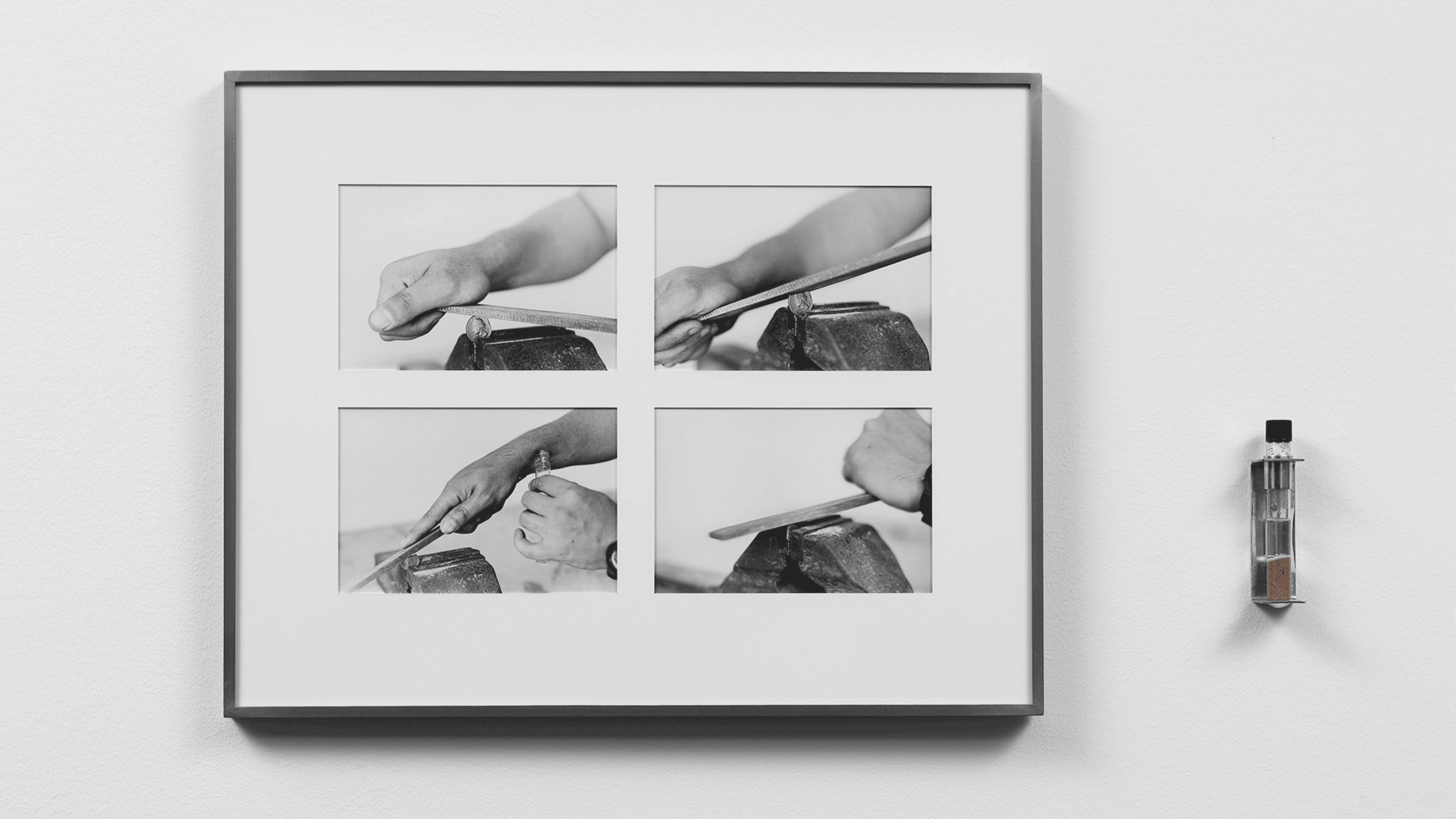
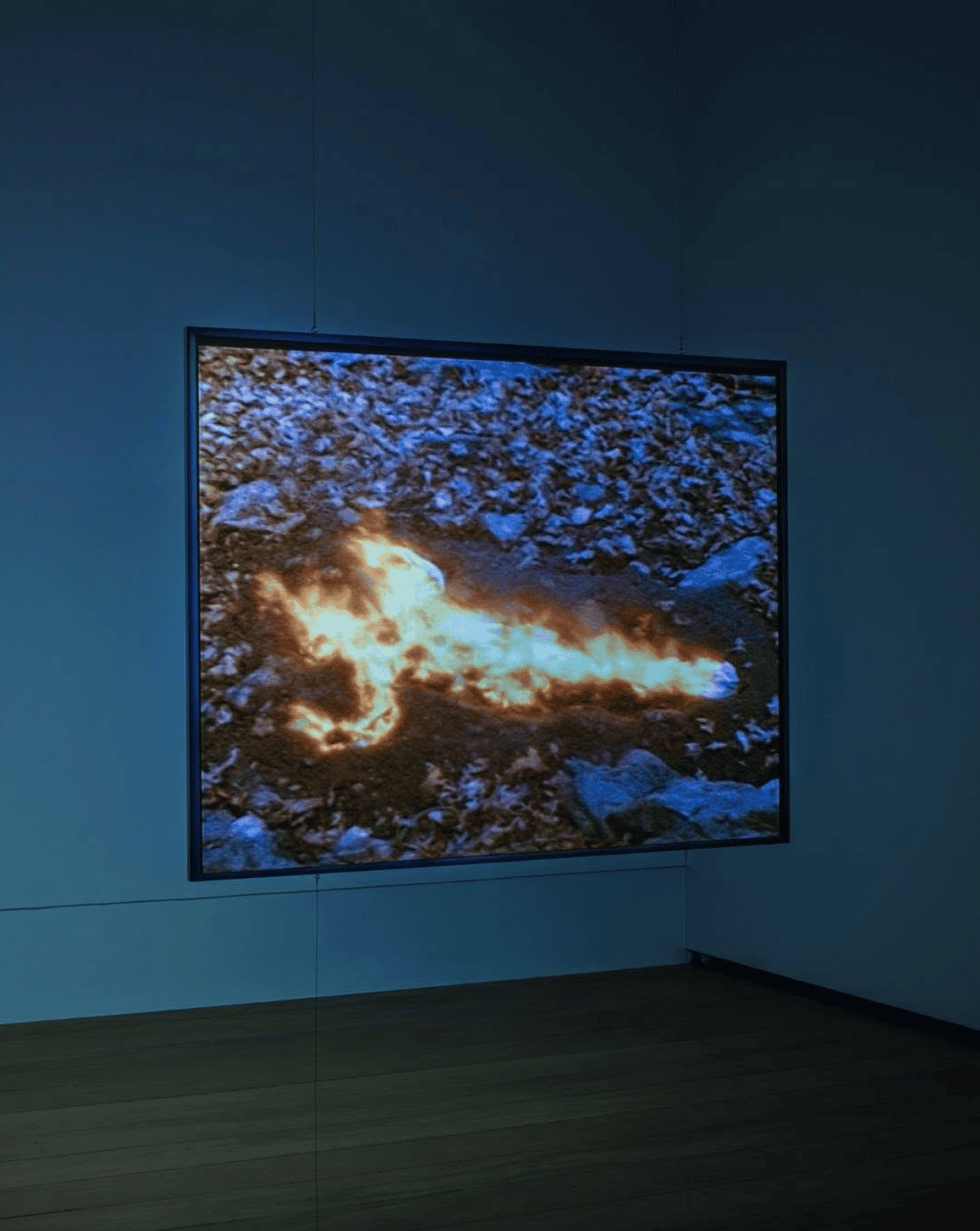
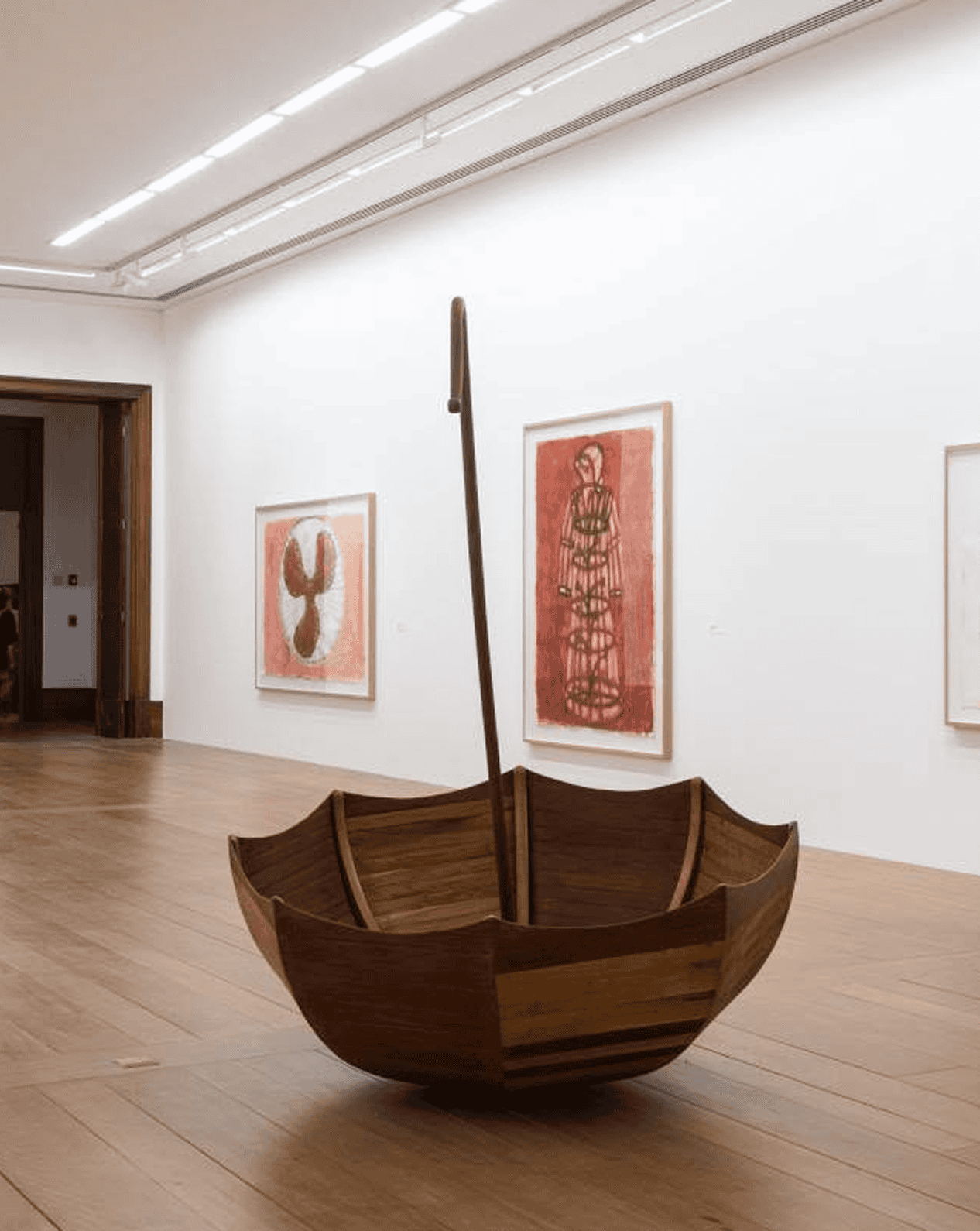
Featuring works by some of Cuba’s most important contemporary artists—including Ana Mendieta, Iván and Yoan Capote, José Bedia, Juan Carlos Alom, Los Carpinteros, Marta María Pérez Bravo, Tania Bruguera, and Tonel—Cuba: Ficción y Fantasía spans more than three decades of the country’s artistic production. Bringing together different generations, languages, and perspectives, the exhibition addresses recurring themes in the Cuban experience, including mystery, religion, mysticism, repression, and political struggle. Across photography, video, installation, painting, sculpture, and performance, the works reveal how fiction and fantasy can become tools for interpreting a reality shaped by political tensions and social transformations. Without proposing a single or definitive reading, the exhibition builds a multifaceted panorama of Cuban art in which imagination, spirituality, humor, and criticism mingle as forms of resistance and reinvention.

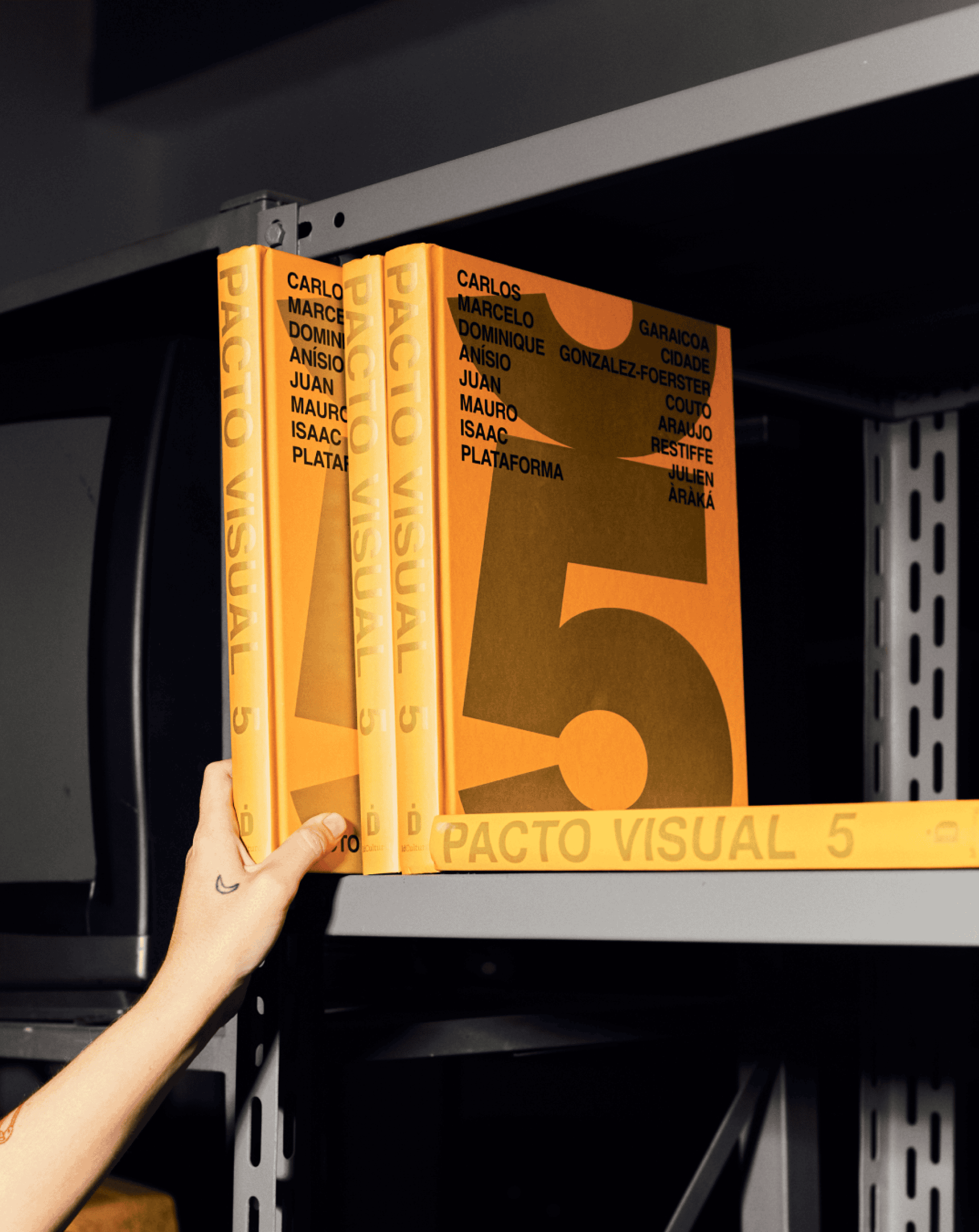
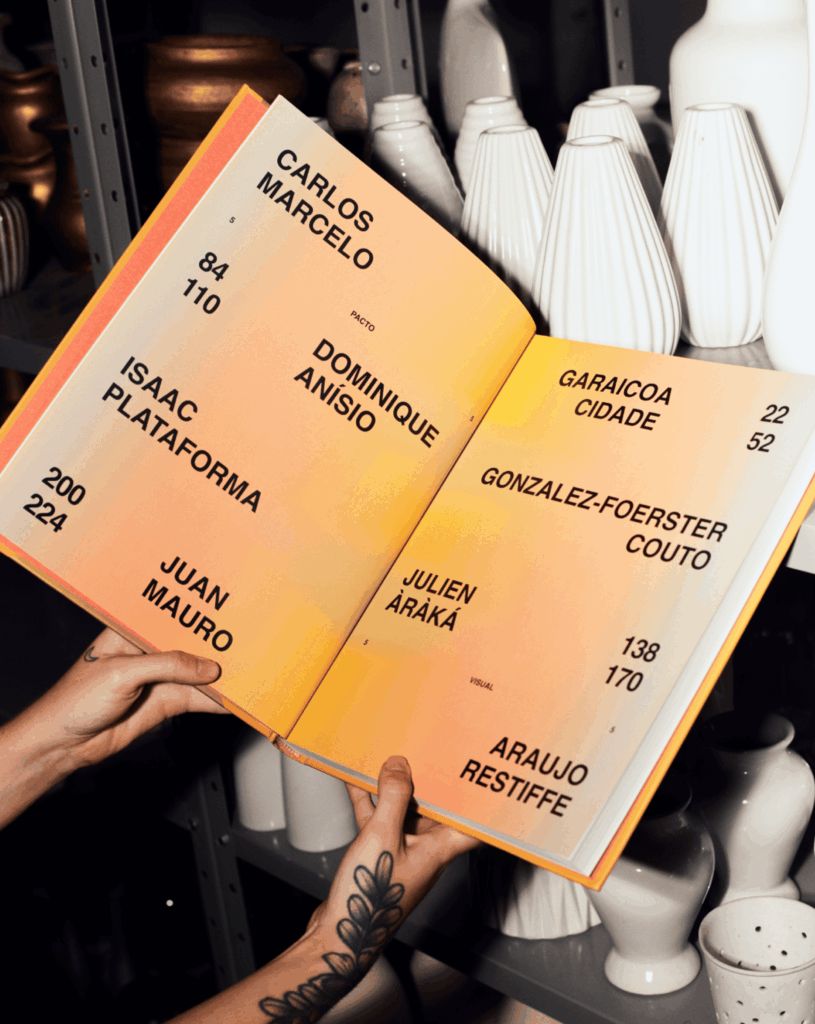
Pacto Visual 5 brings four international artists and four Brazilian artists together through nominations and interviews. The book investigates affinities, tensions, and ties to Brazil, turning another person’s gaze into a pact for new forms of closeness and possibility.
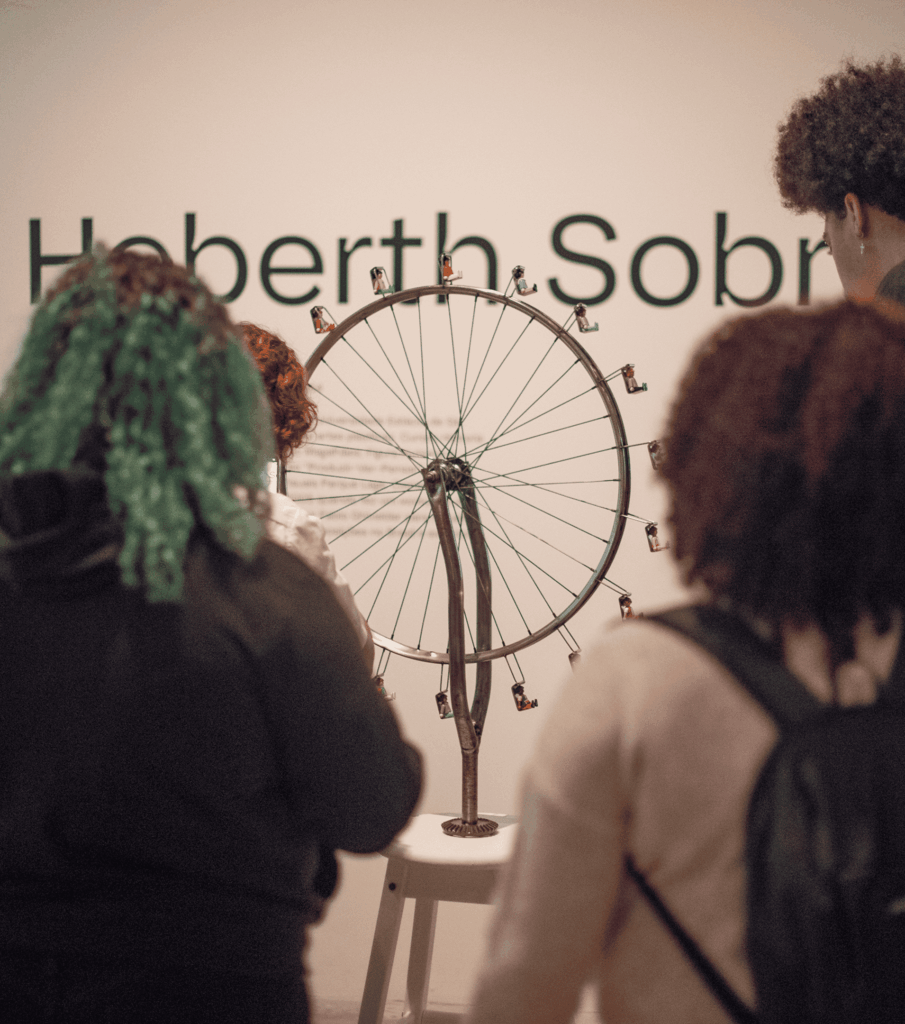
Play is an open-access arts festival that approaches childhood and youth in a diverse, participatory way. By bringing education, culture, and the city closer together, it recognizes children and young people as agents of new ways of learning and occupying space.

With electric bicycles and self-propelled vehicles, baiq turns getting around into a more fluid, intelligent, conscious, and free experience. We developed the naming, branding, visual identity, brand applications across the products, and initial communication support, all of which carry this idea of movement forward.
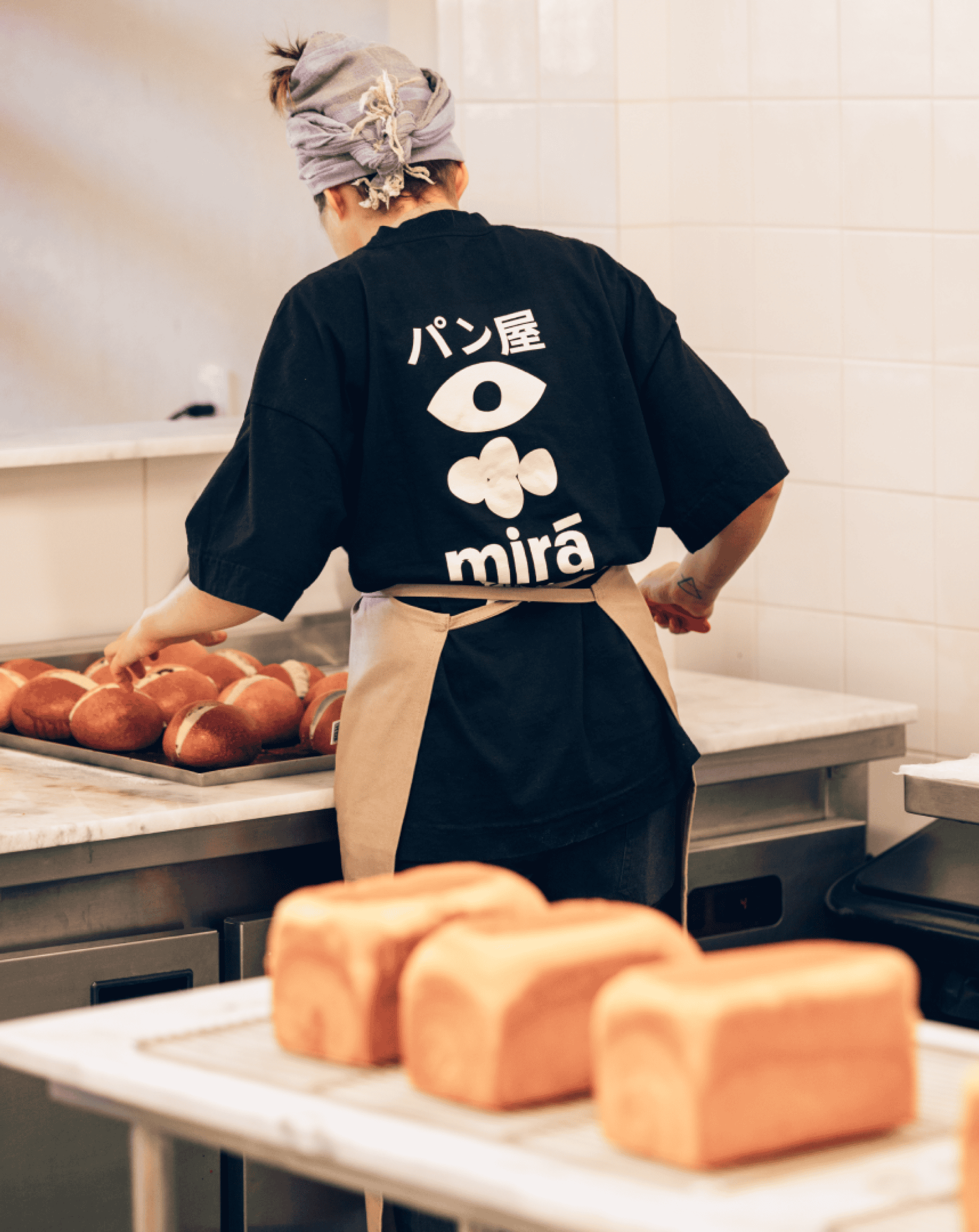
At Mirá, ancestral Japanese techniques, natural fermentation, and Brazilian ingredients turn bread into a territory of research and memory. It is an independent bakery built between tradition, discovery, time, and care.