Toriba
Animation, Identity, Video, Website
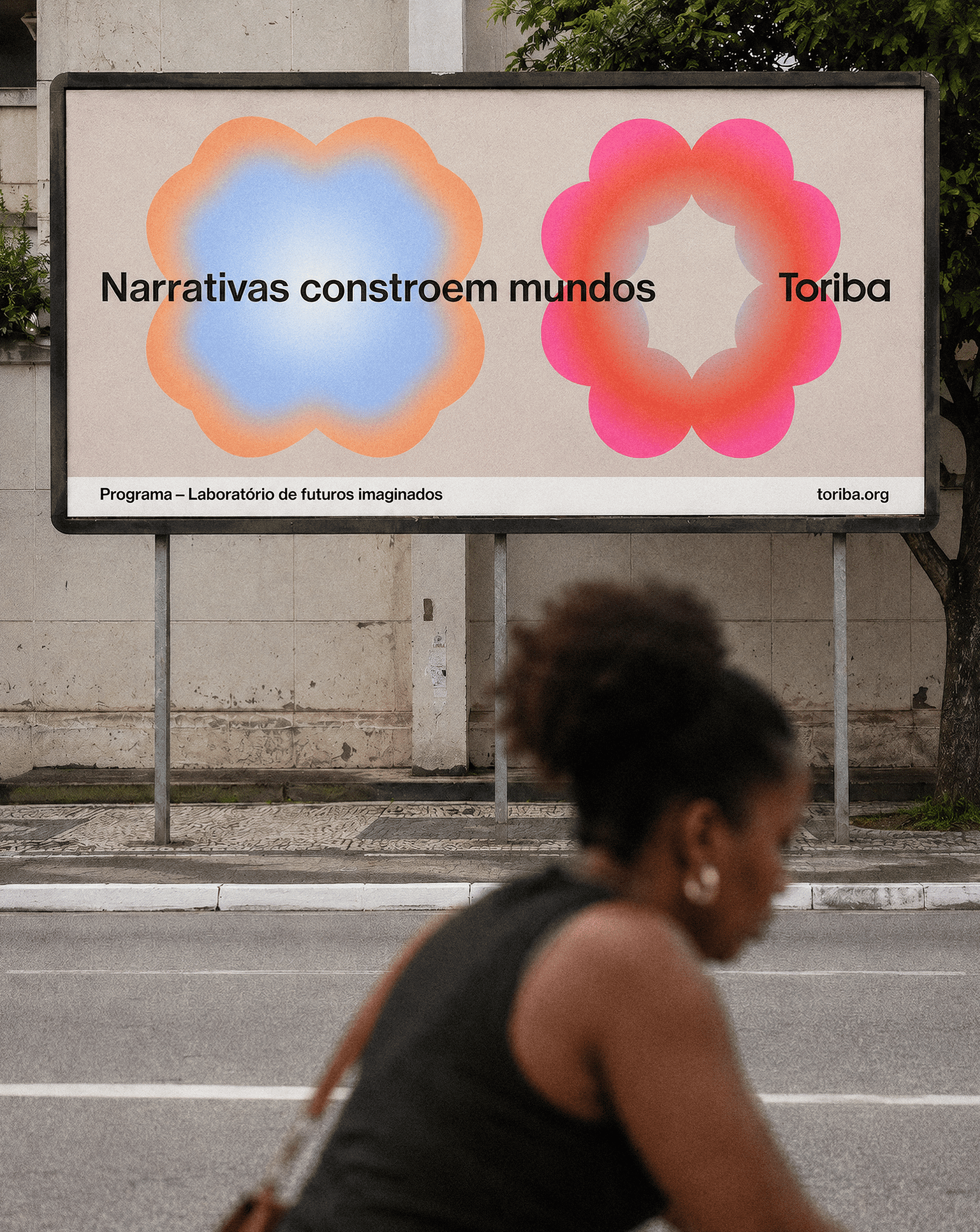
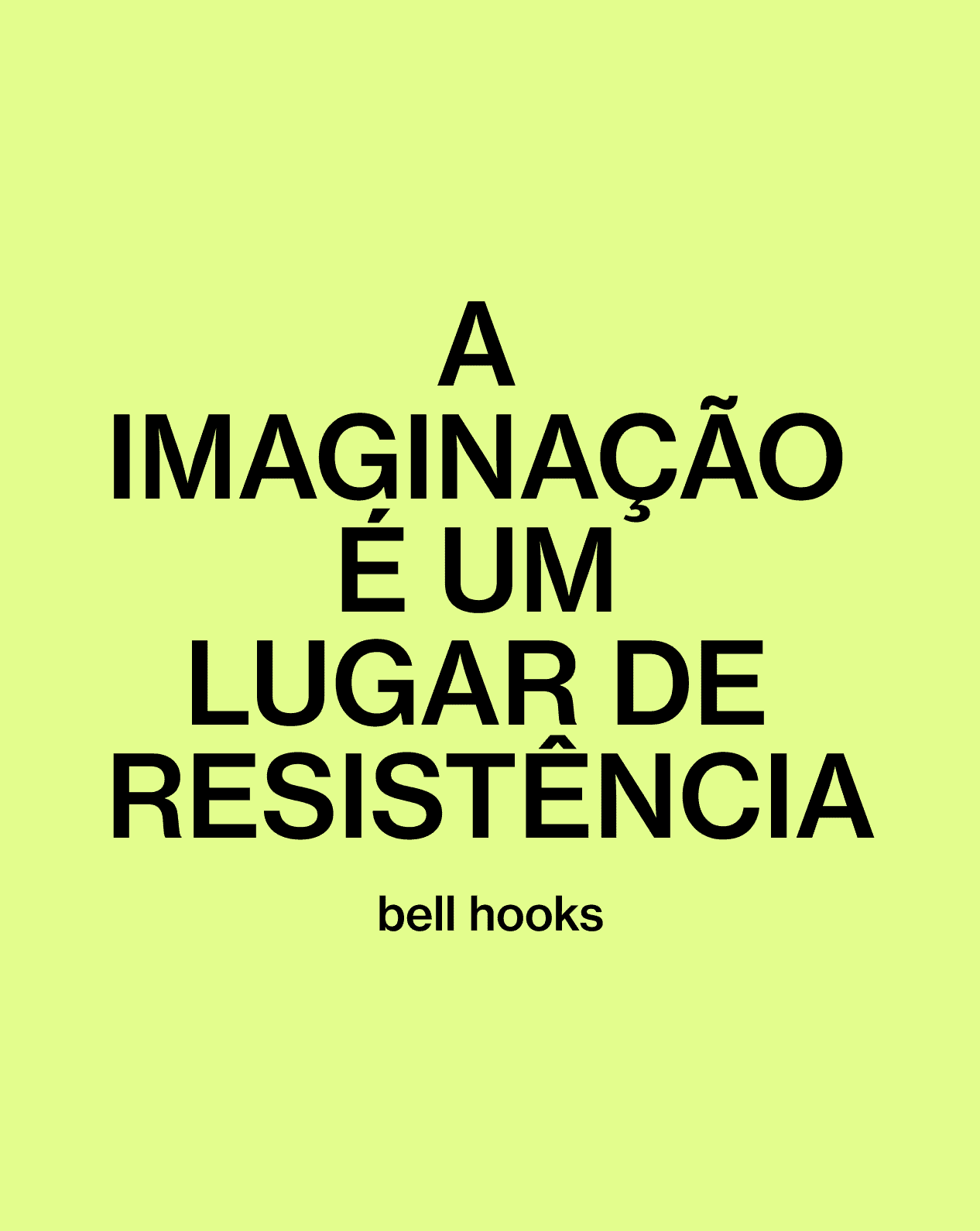
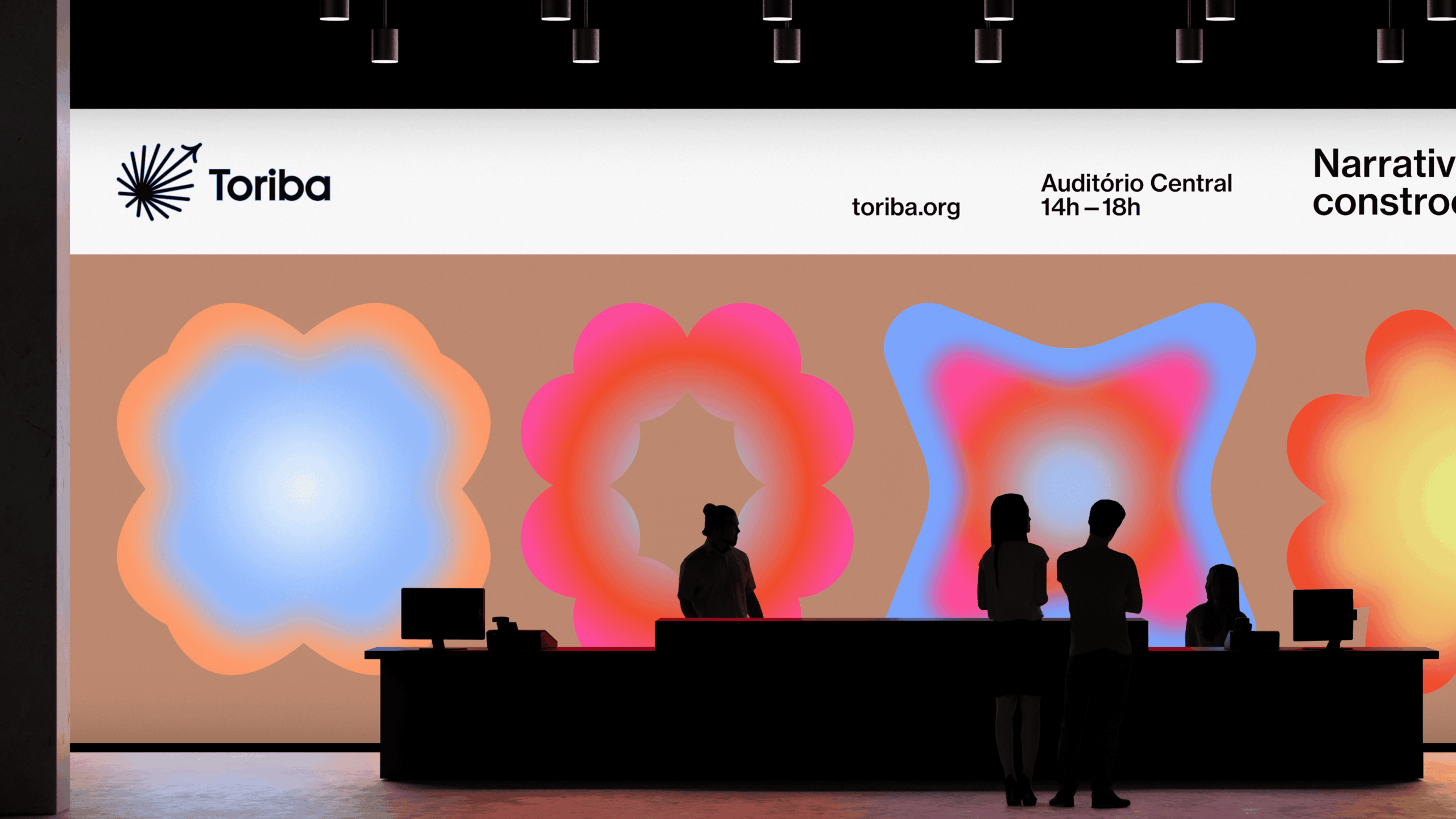
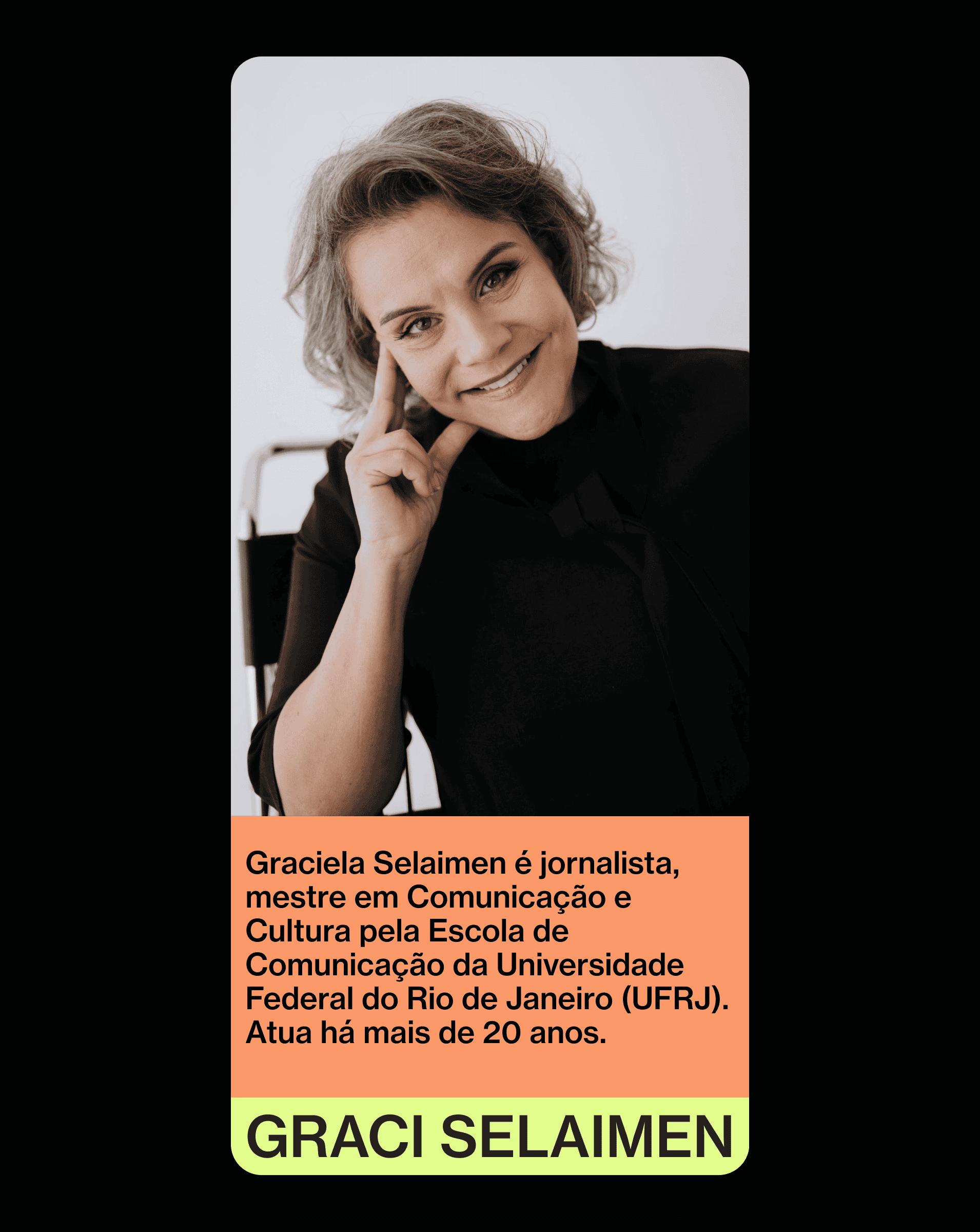
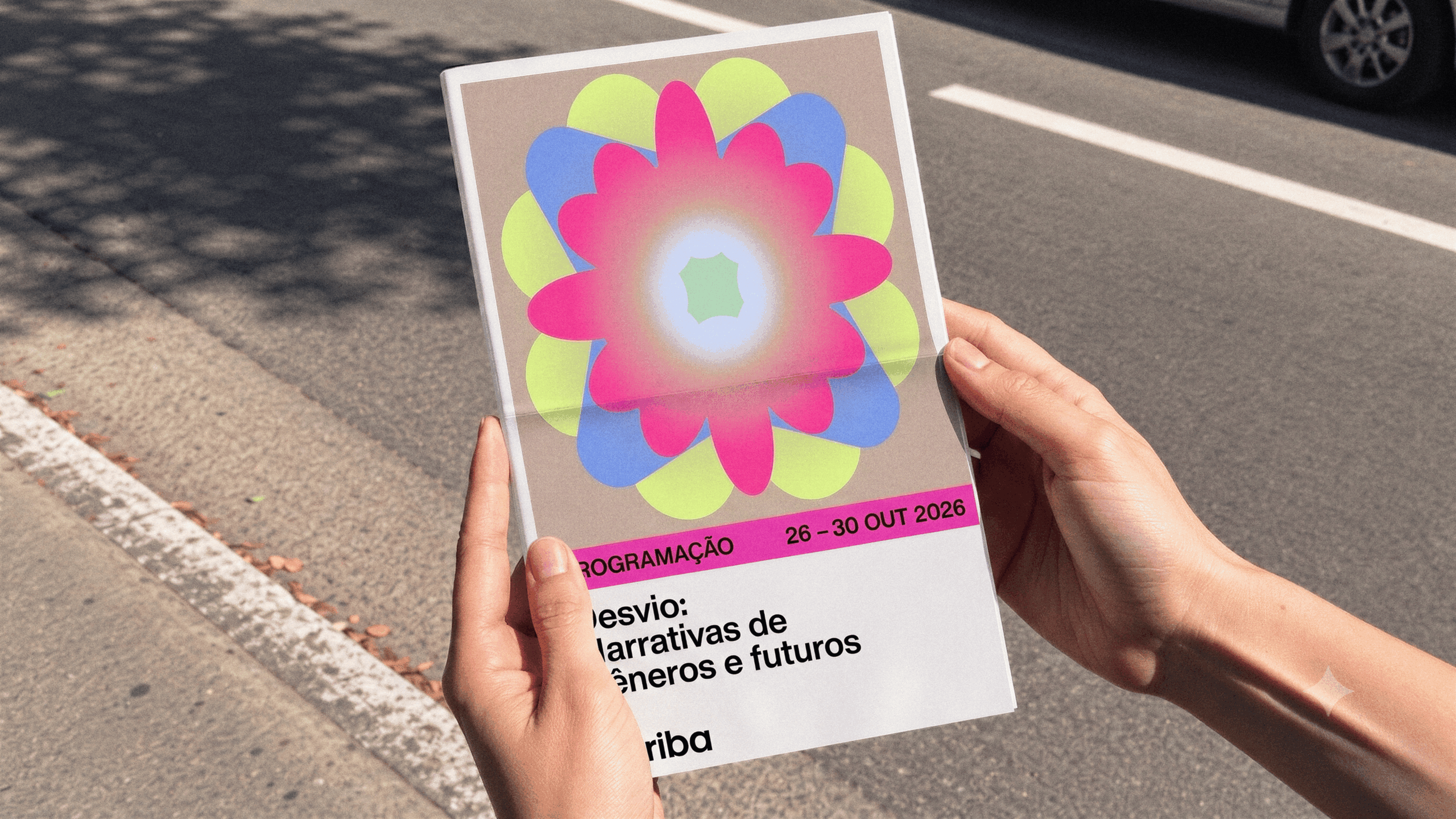
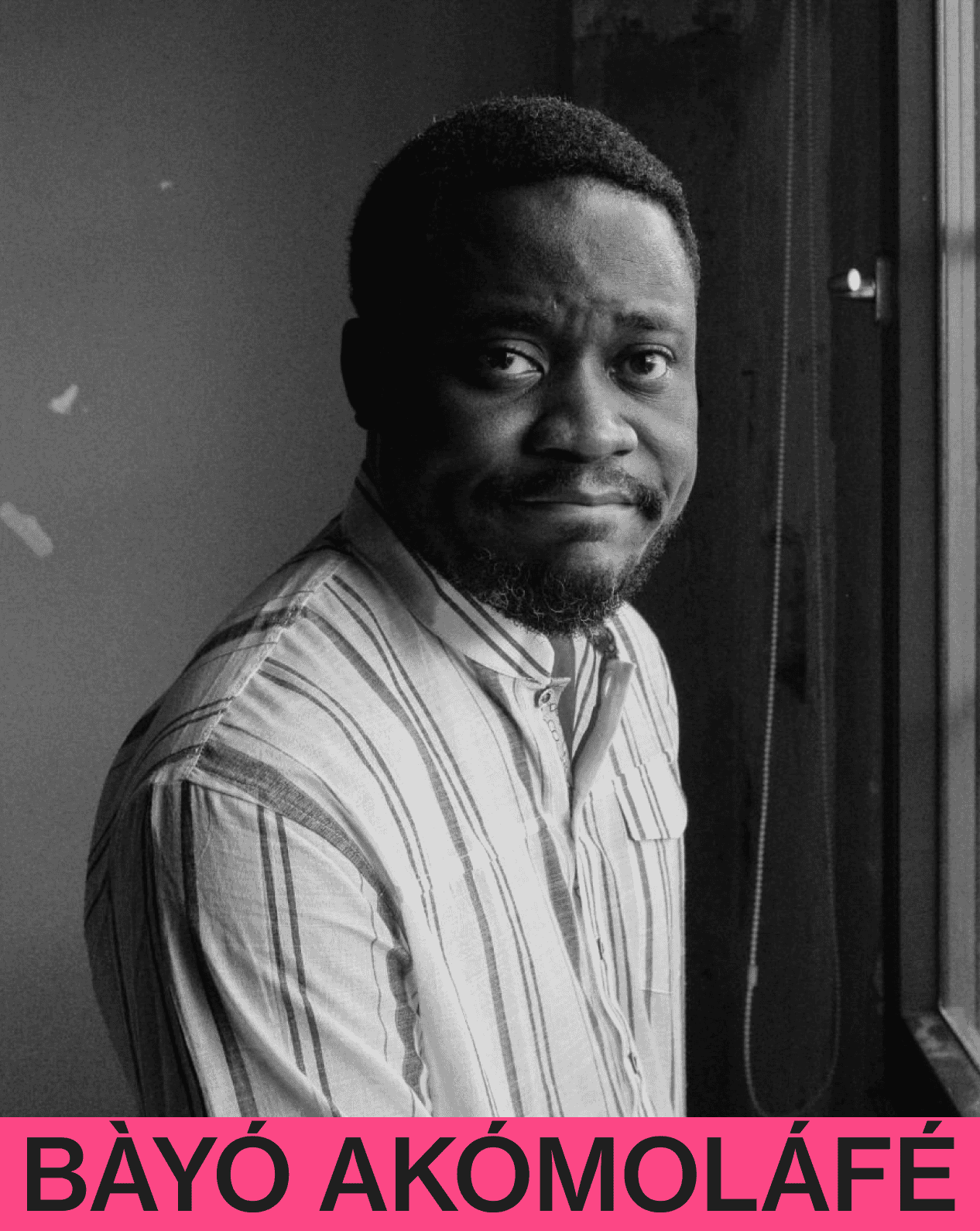
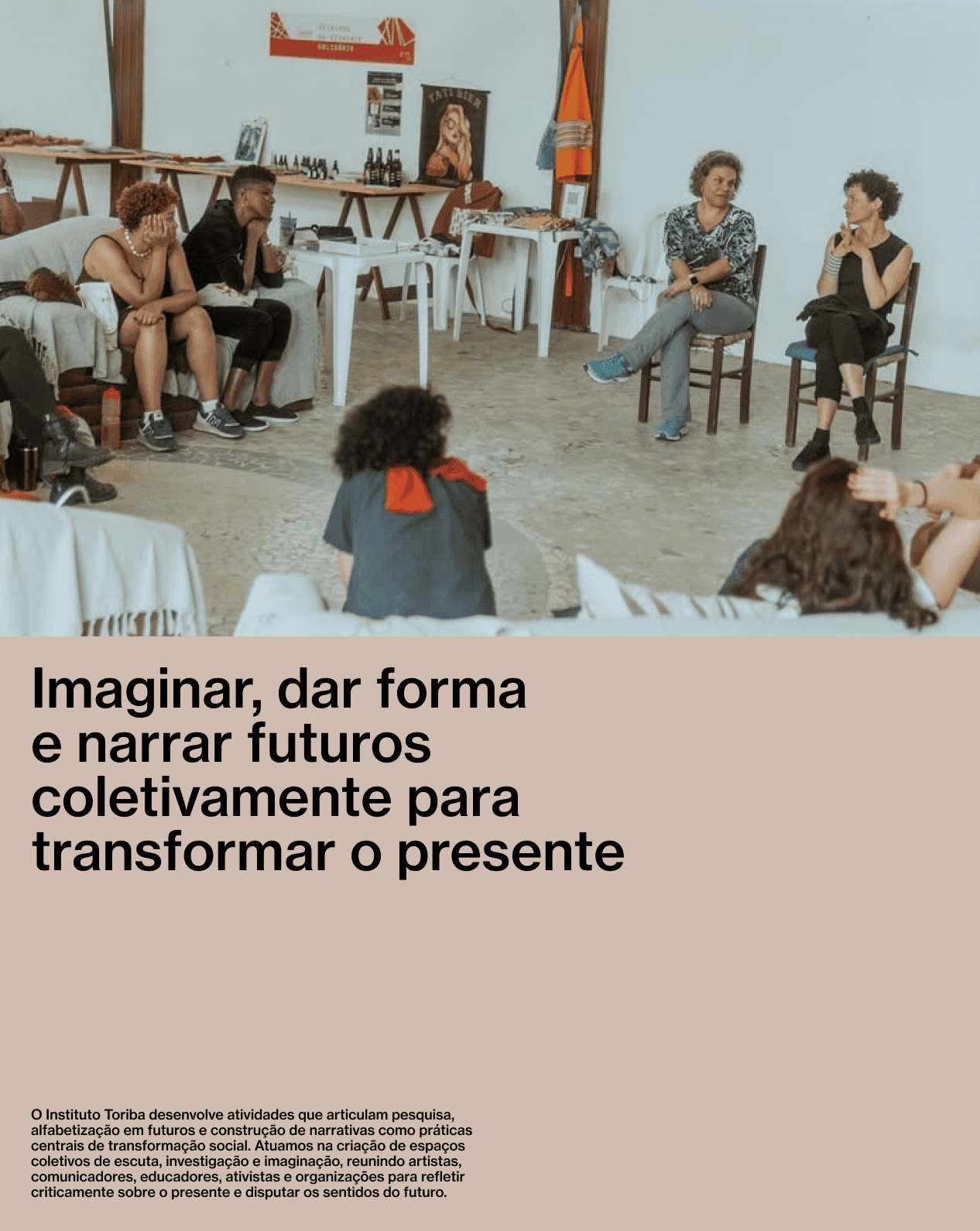
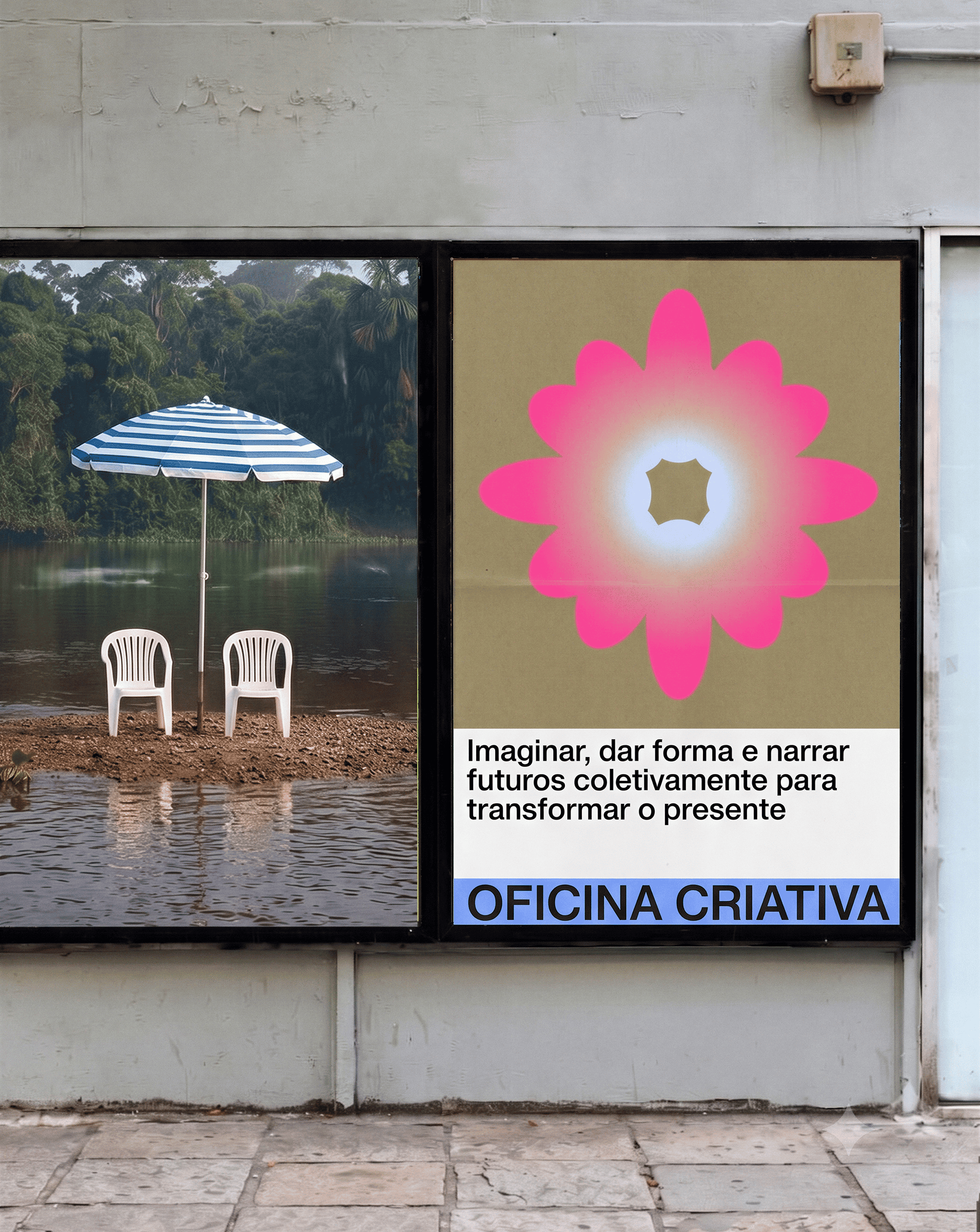
Toriba is a space dedicated to building possible futures. Its practice grows out of collective conversation among artists, activists, communicators, educators, researchers, and leaders who come together from different perspectives to shift the gaze and imagine new scenarios. At the intersection of research, culture, education, and social innovation, Toriba understands that the stories we tell shape the worlds we build. Its encounters take place in the present but look ahead, creating the conditions for new ideas and possibilities to emerge from dialogue between different fields. For the project, we developed a new visual identity, a website, and a manifesto film that express this point of view. The identity was conceived as an open, dynamic system capable of accompanying the diversity of voices and initiatives surrounding the organization—a language that gives form to a space of words and collective imagination.


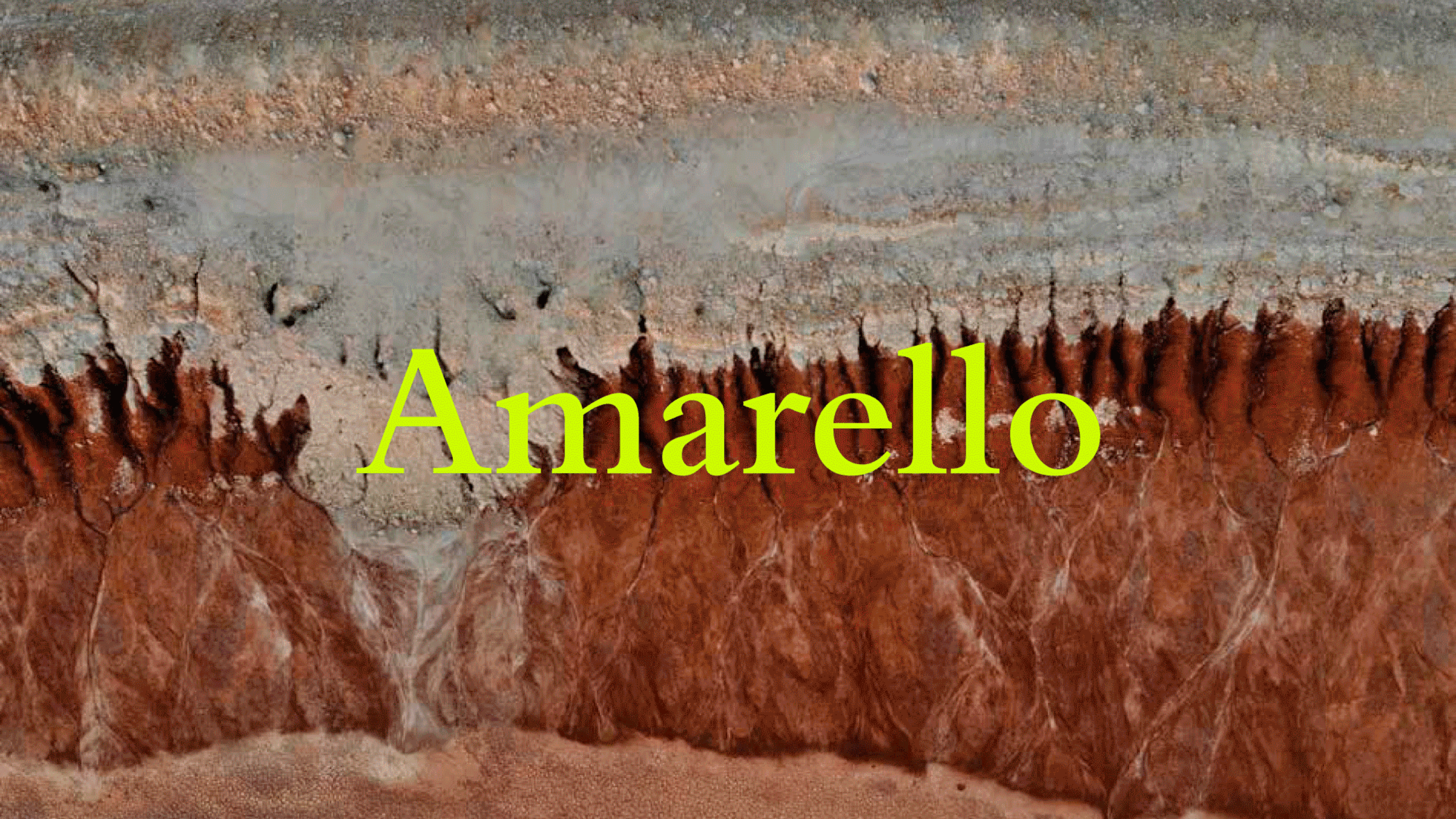
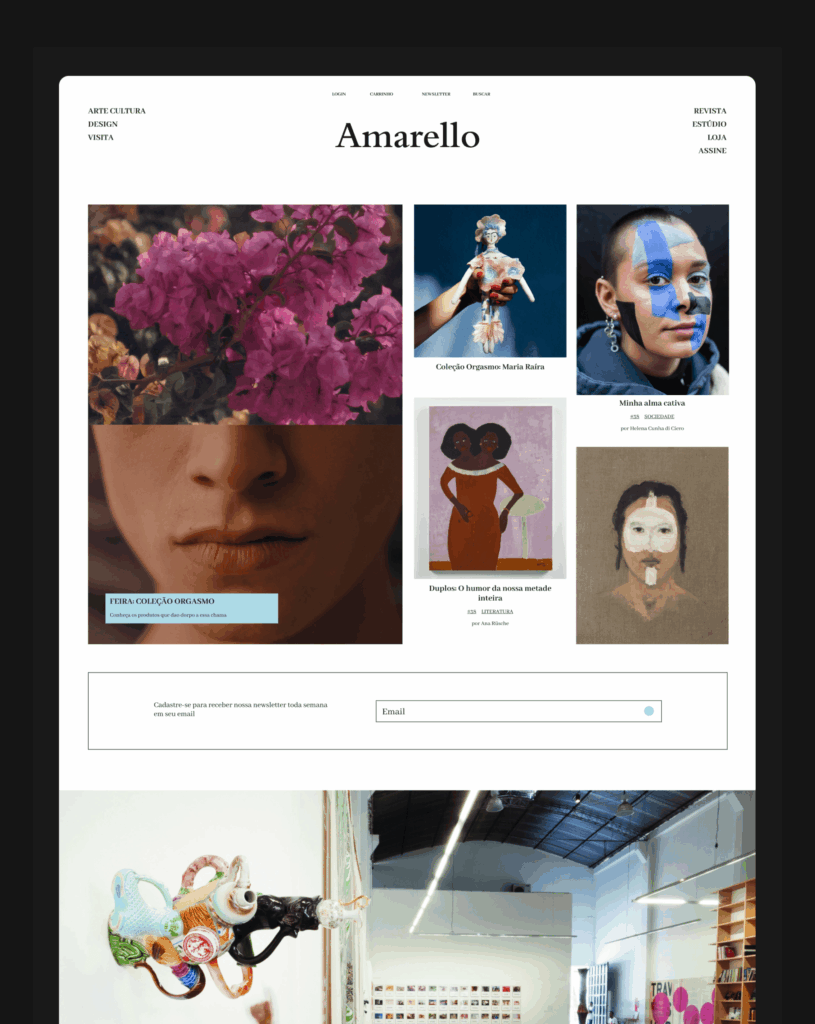
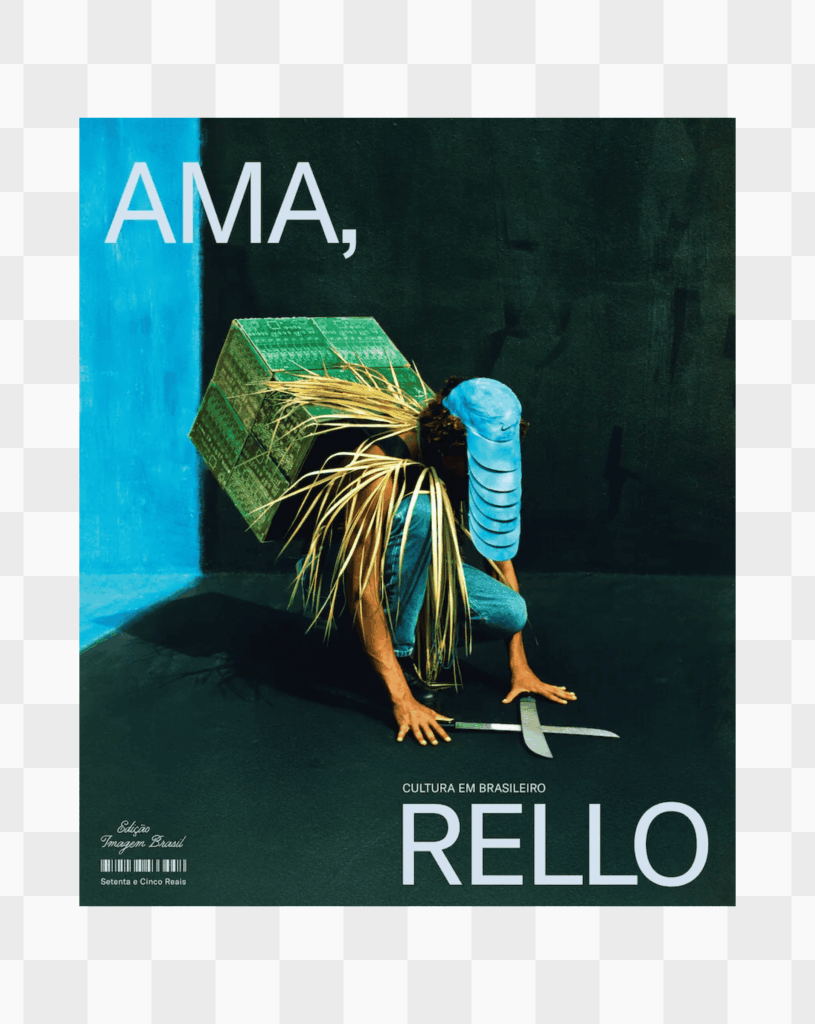
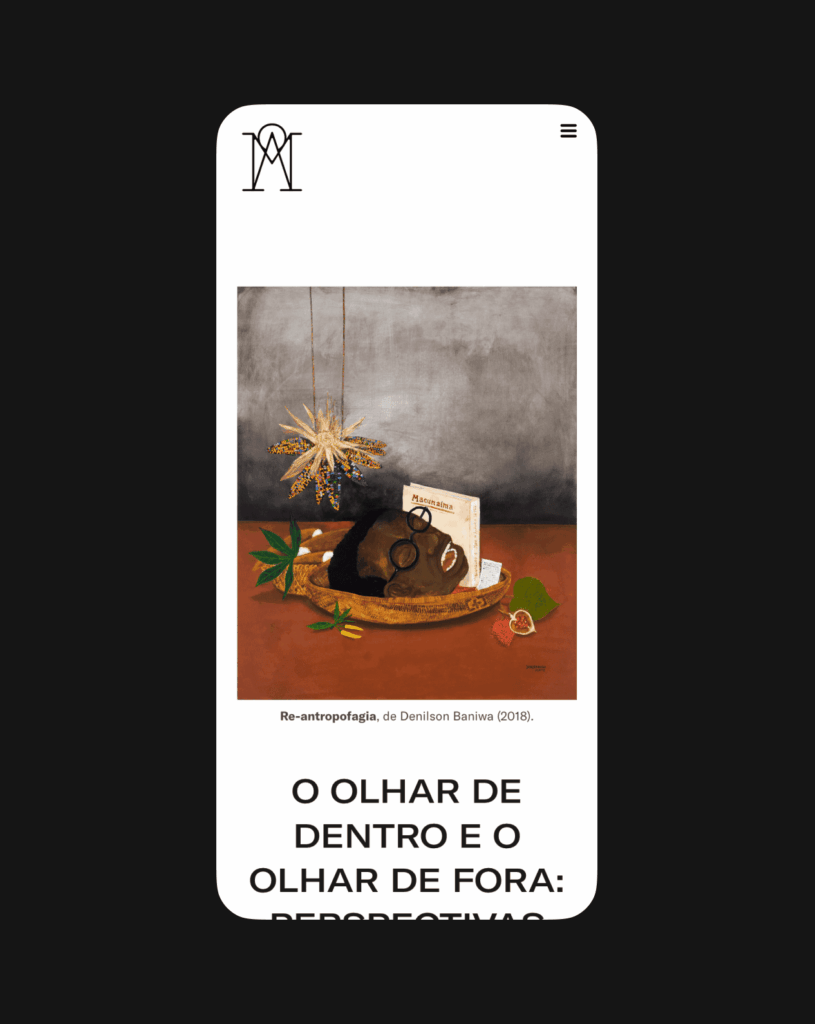

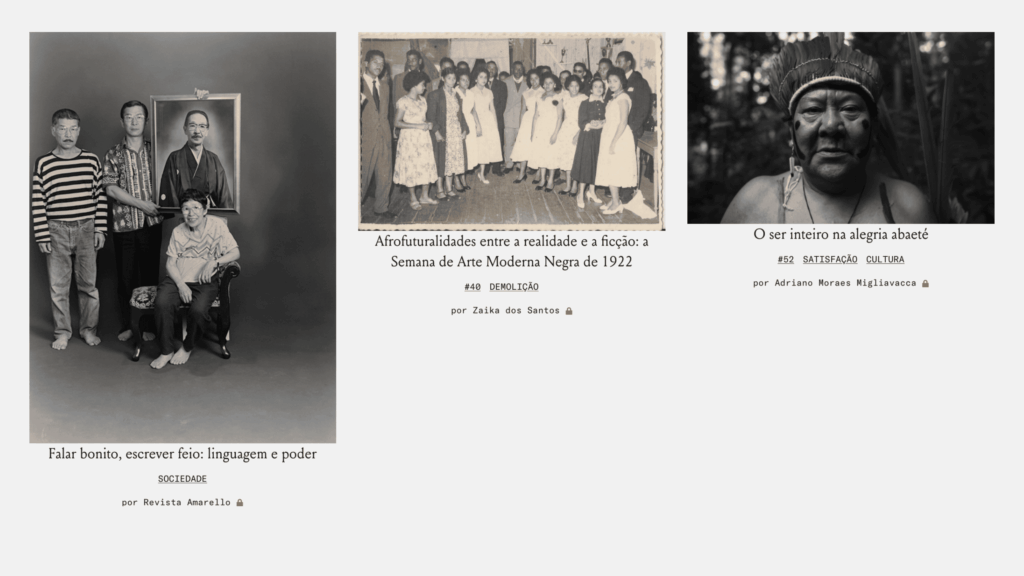
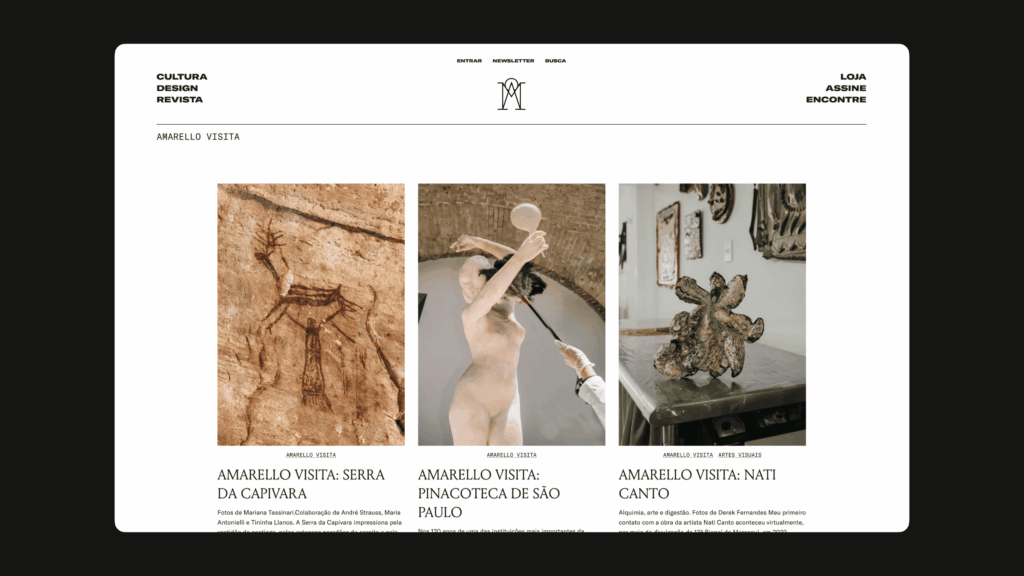
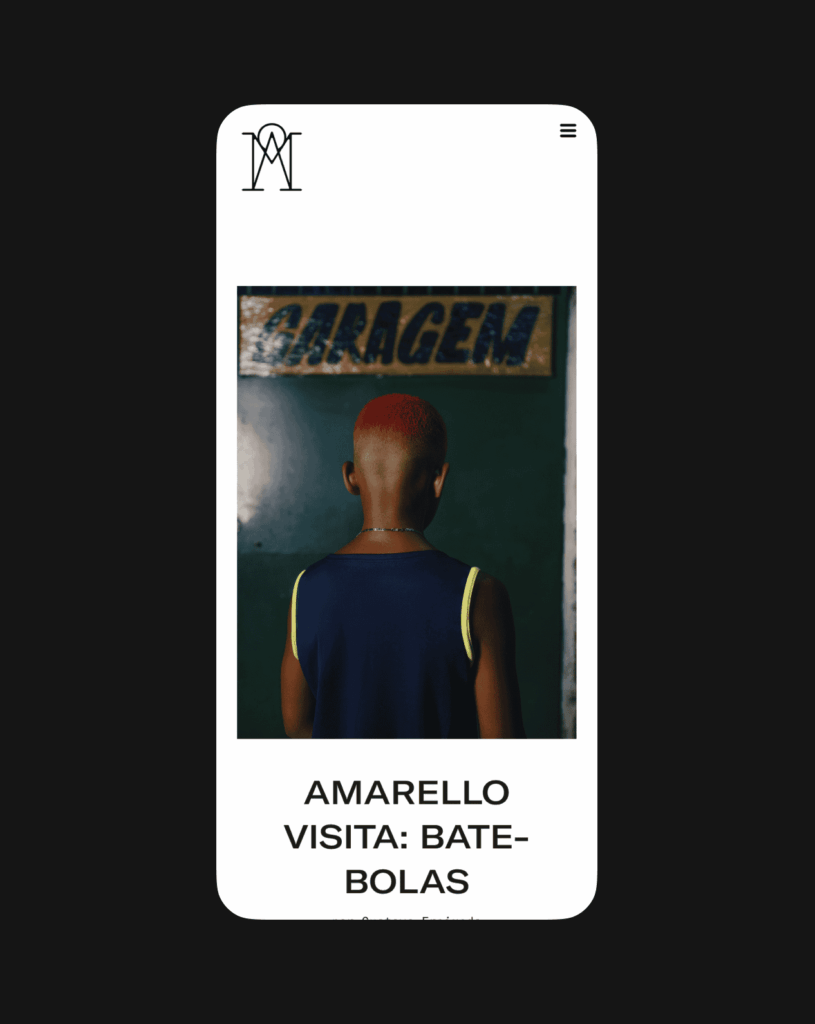
Revista Amarello brings art, design, beauty, philosophy, and architecture closer together. In the digital experience, images, generous margins, and typographic rhythms preserve the publication’s editorial density and create a space for attentive, sensitive reading.
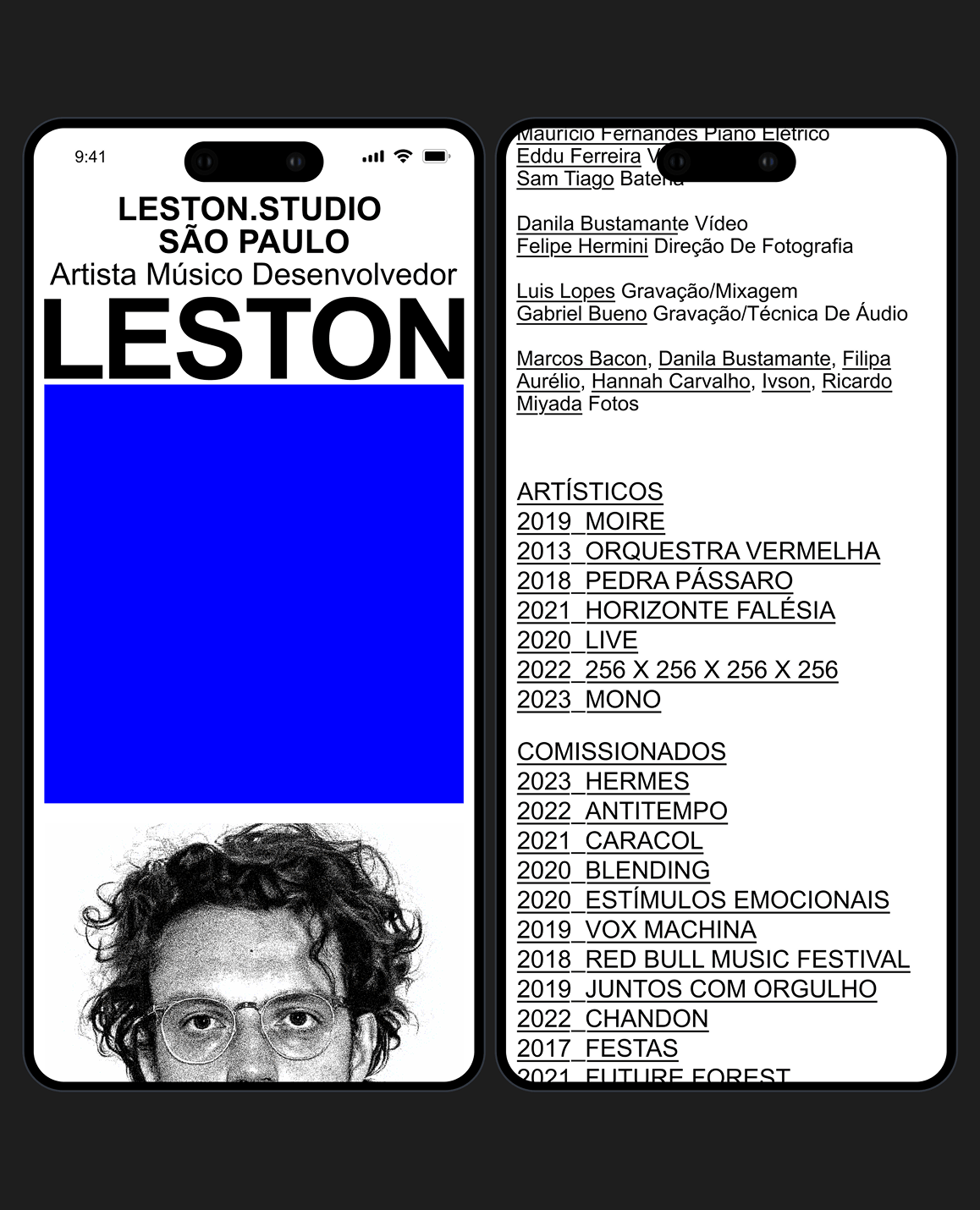
Leston investigates the relationships between sound, image, code, and permanence. In dialogue with his research, we developed a visual identity and website that bring the system to the foreground. There is an interval in the gap between error, the blue screen, and code, and it is within this unstable space, between control and failure, that the project comes to life.
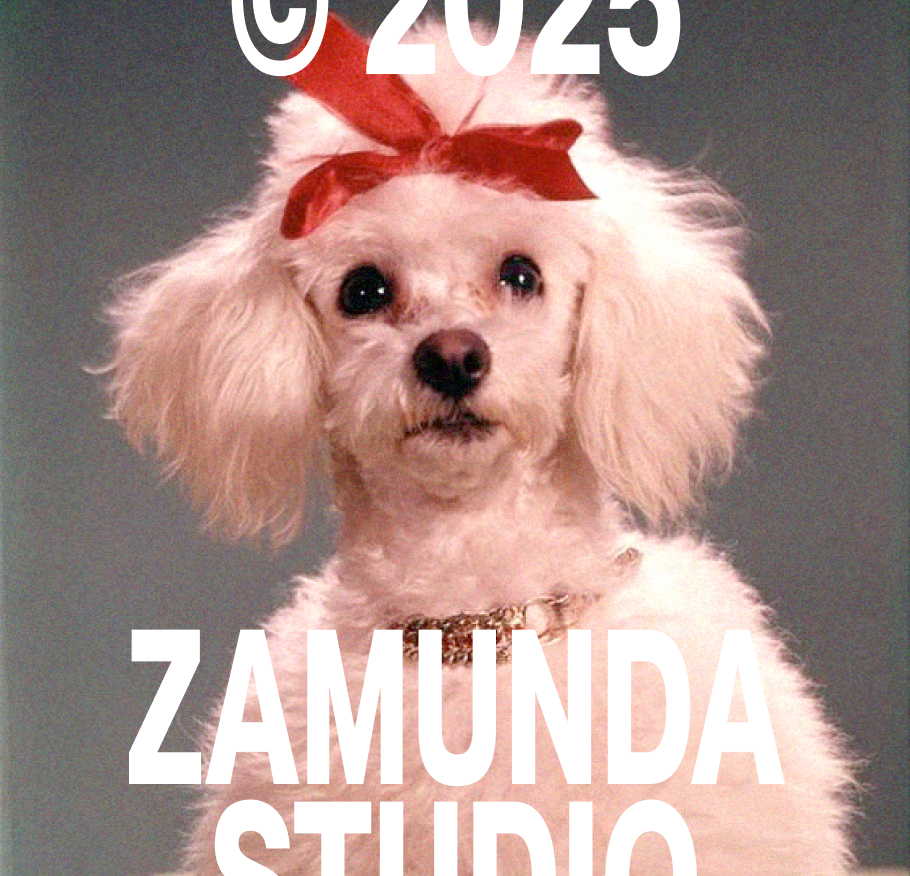
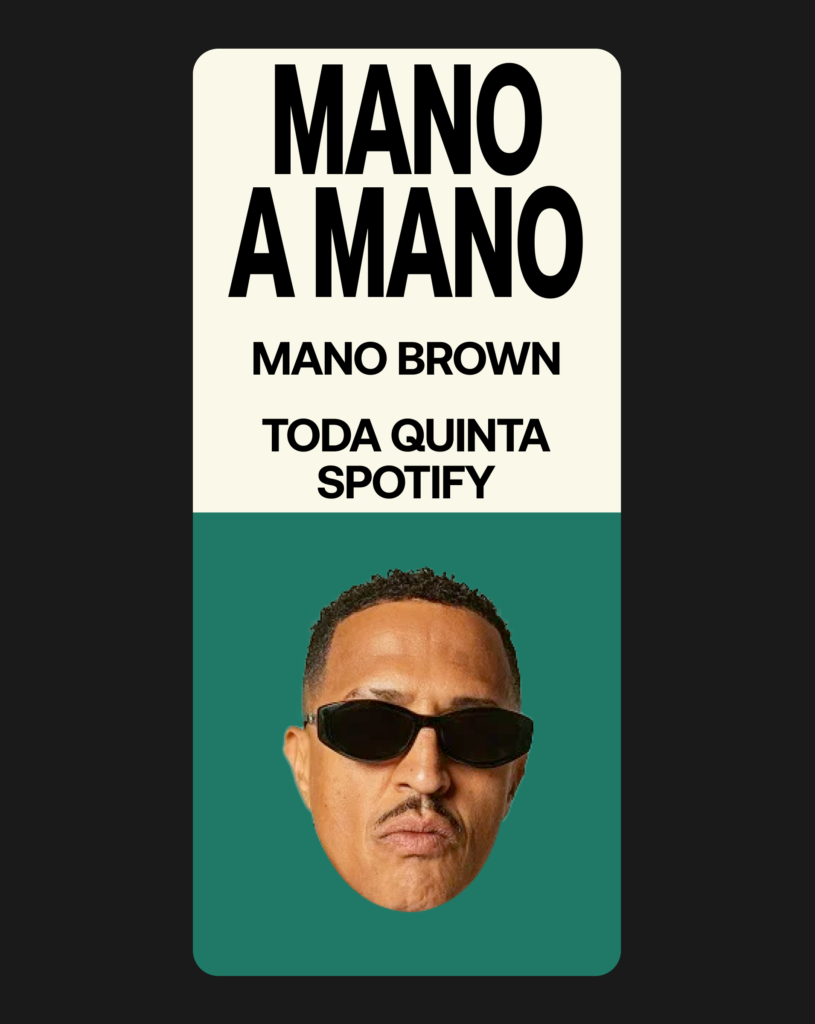
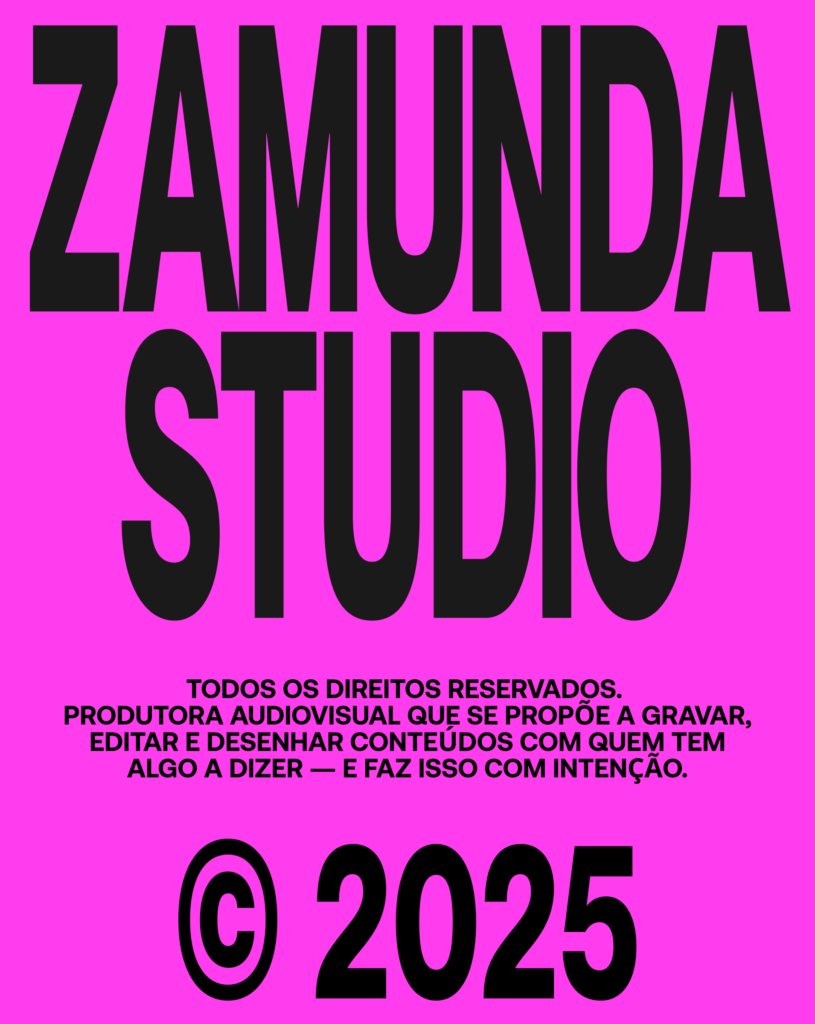
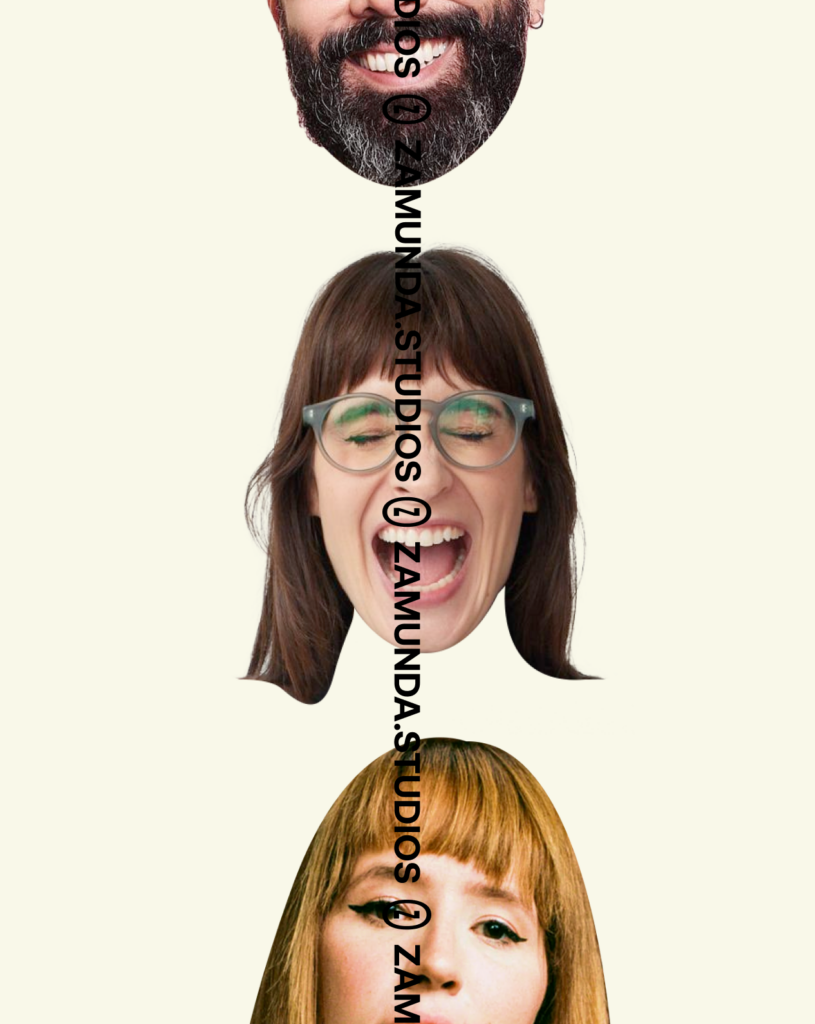

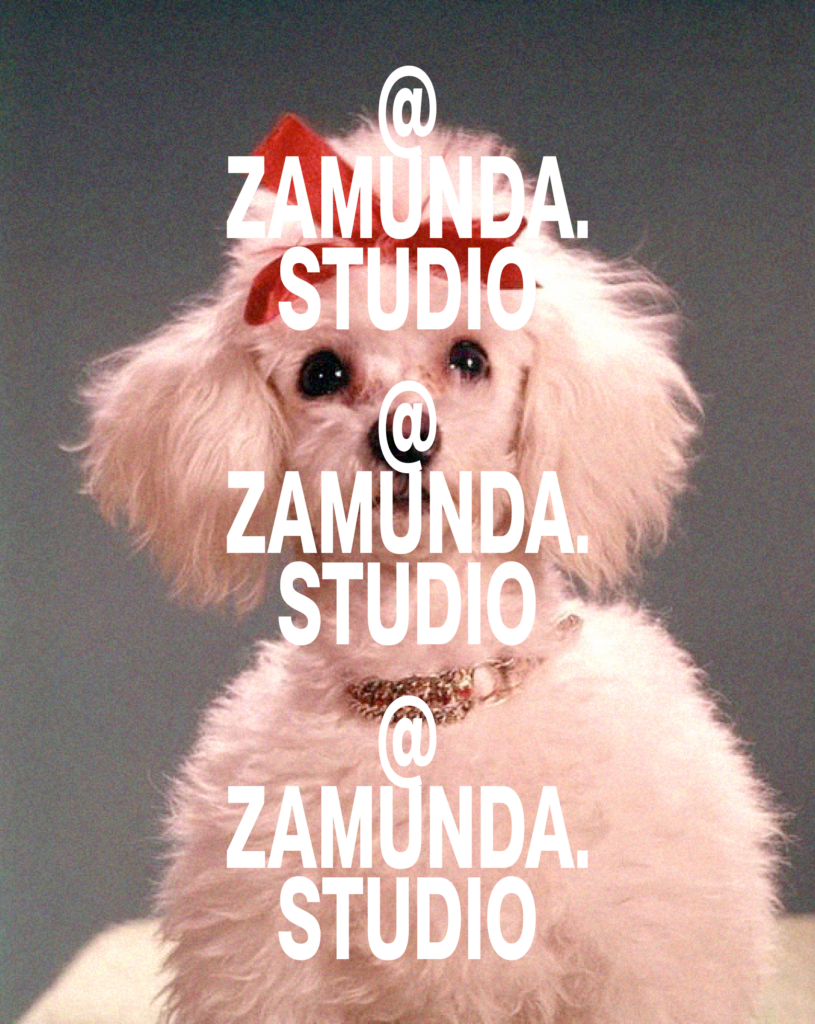
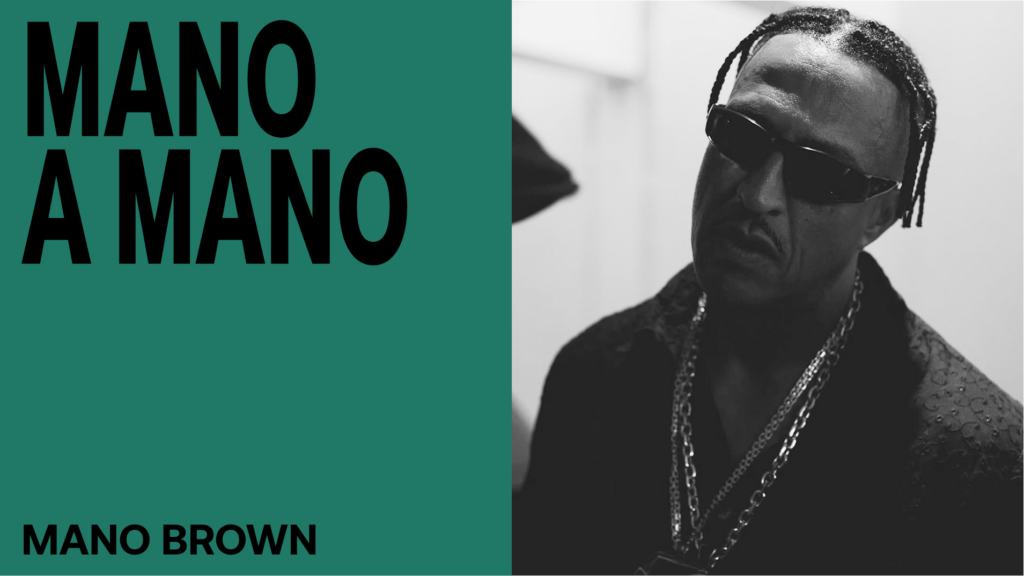
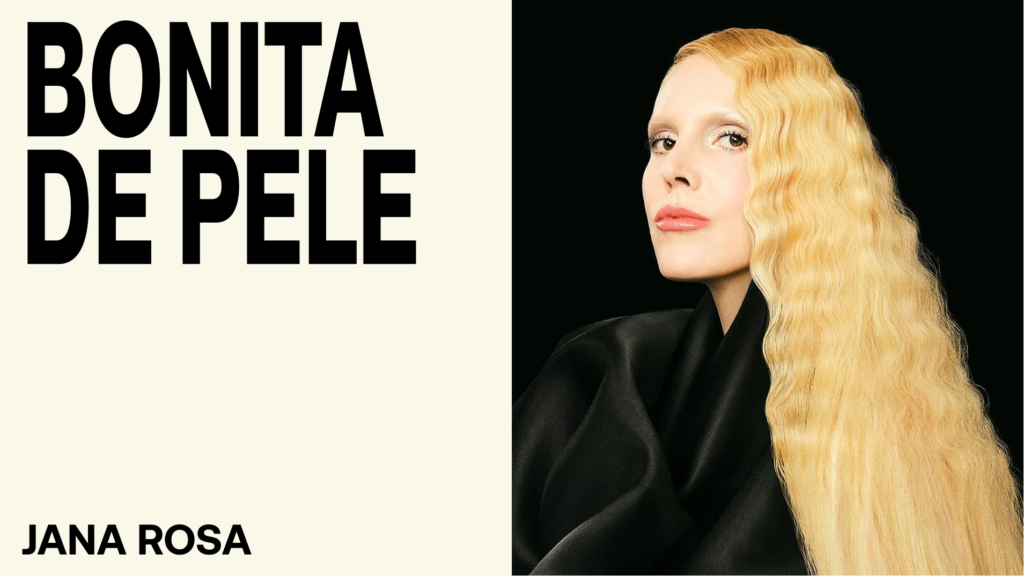
Zamunda is an audiovisual studio in São Paulo that produces sound-led content and contemporary narratives. We developed an identity that moves through São Paulo’s urban landscape, vernacular design, high contrast, a vibrant palette, and the electricity of the city streets.
Play is an open-access arts festival that approaches childhood and youth in a diverse, participatory way. By bringing education, culture, and the city closer together, it recognizes children and young people as agents of new ways of learning and occupying space.