Leston
Identity, Website
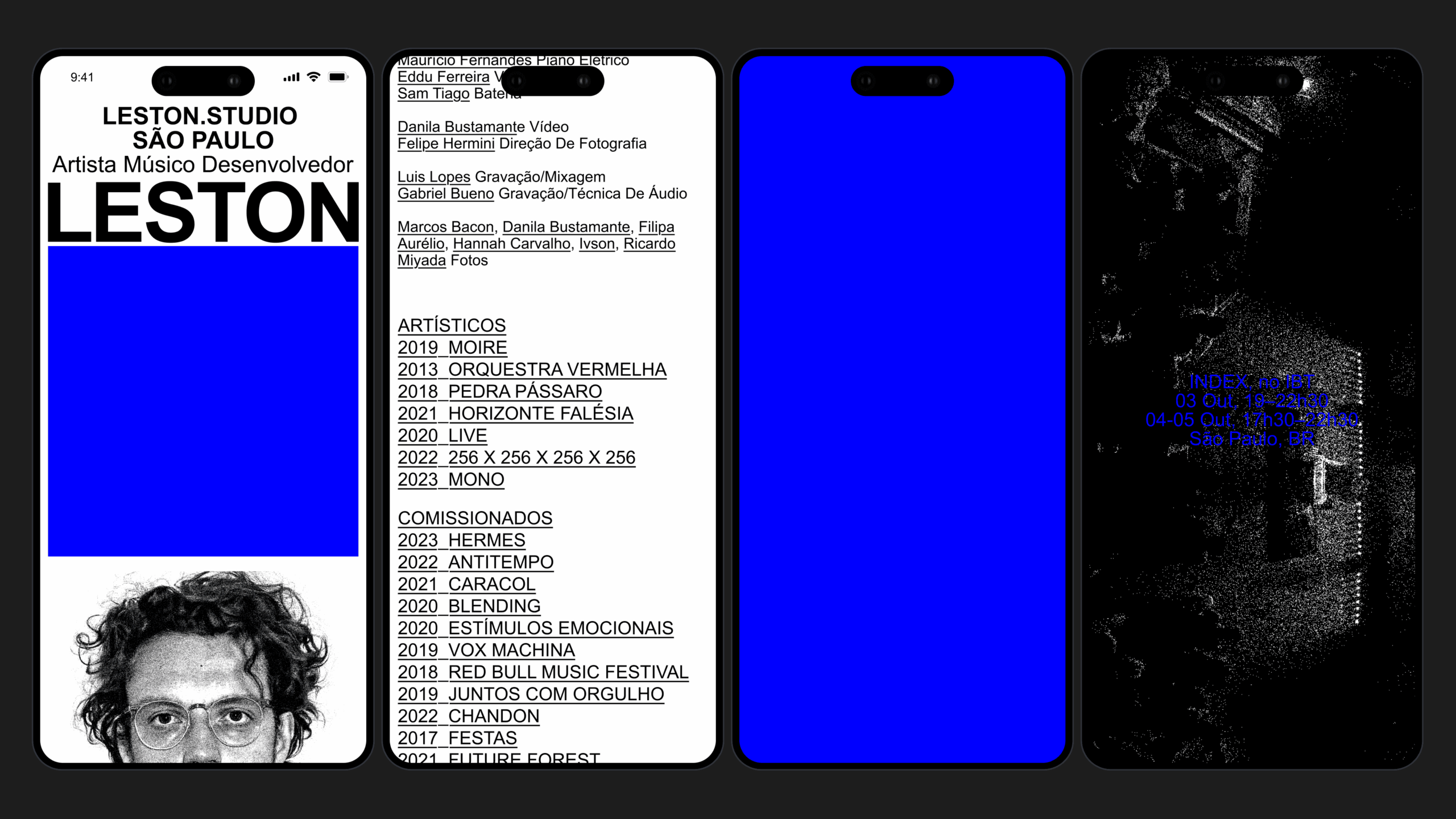
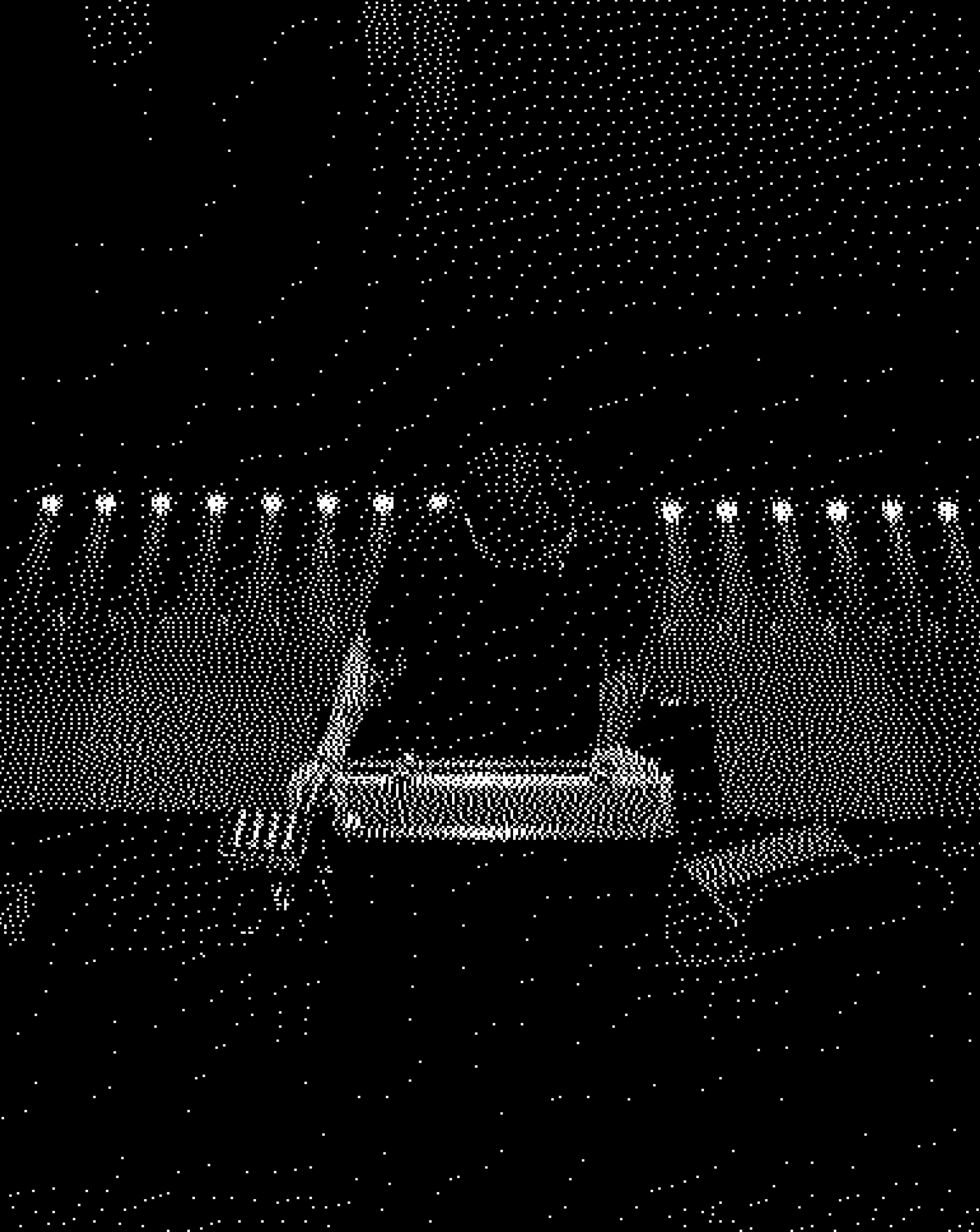
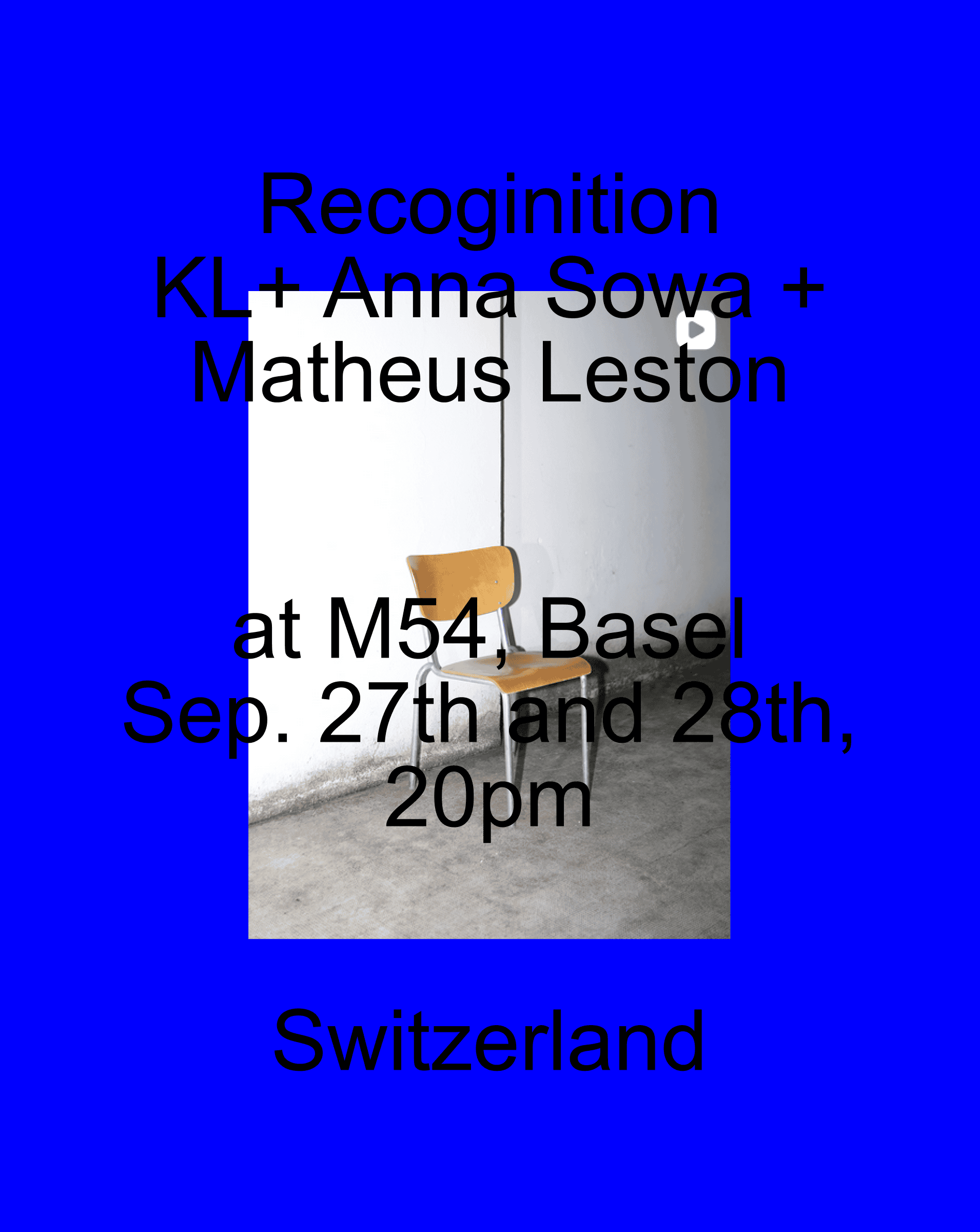
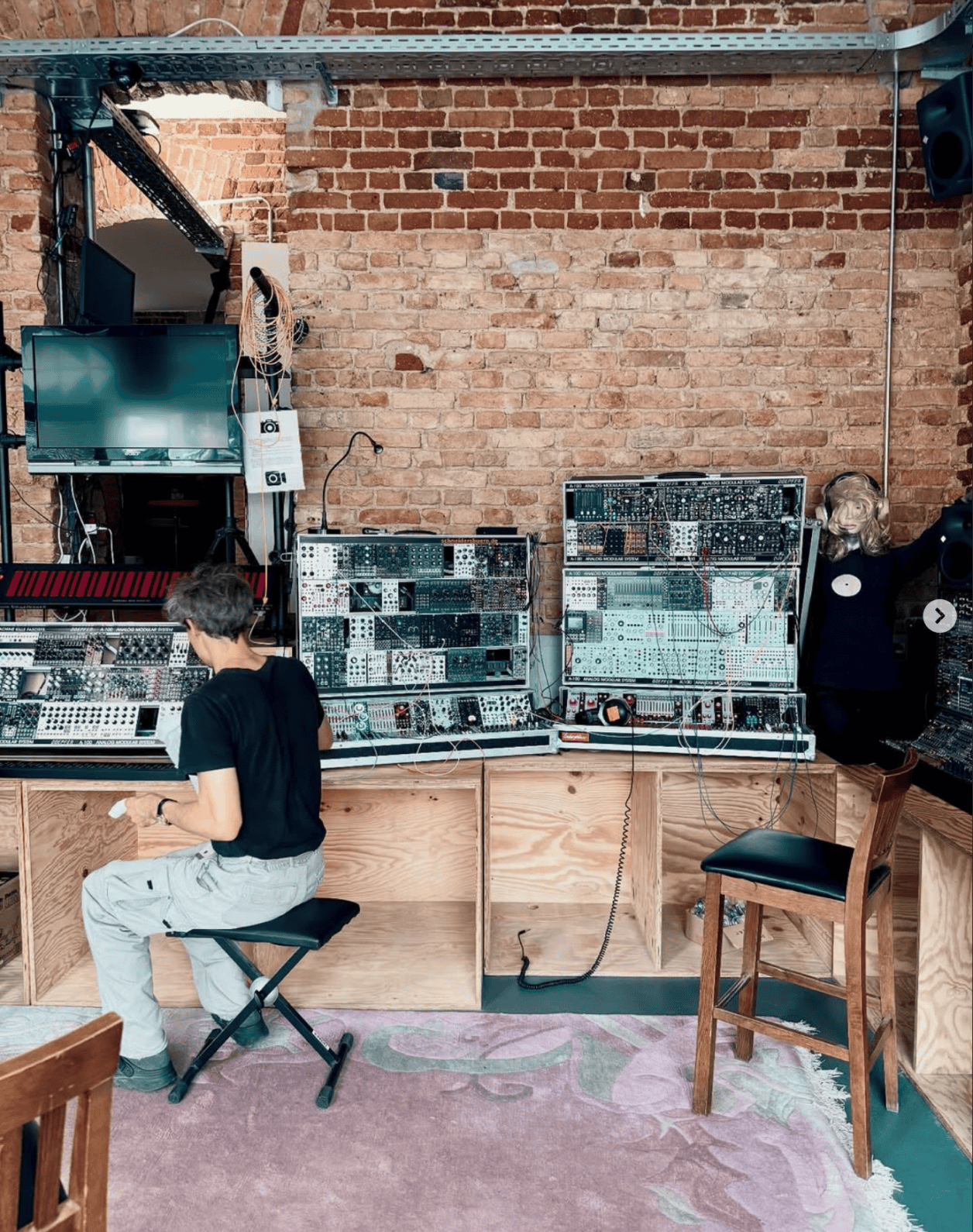
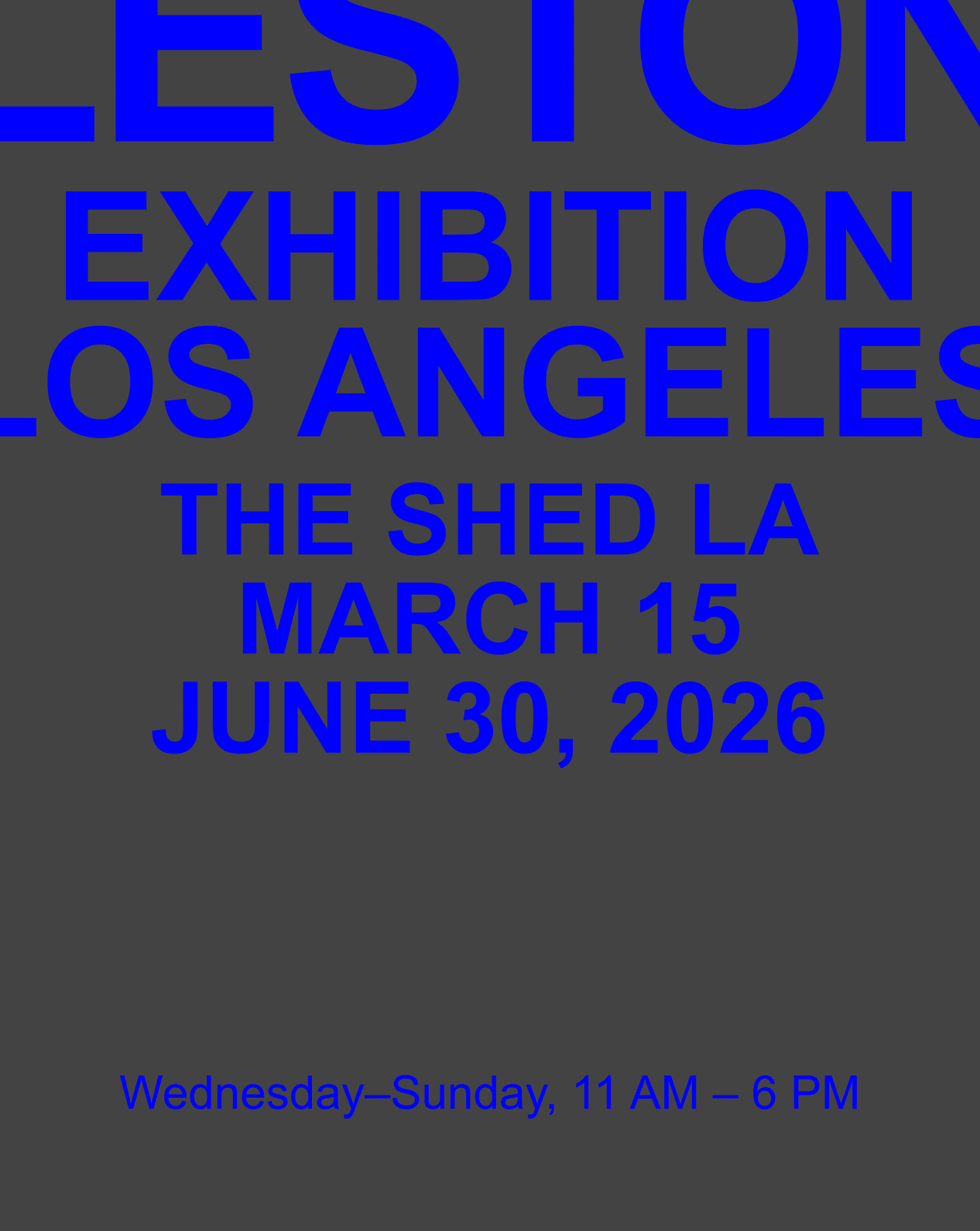
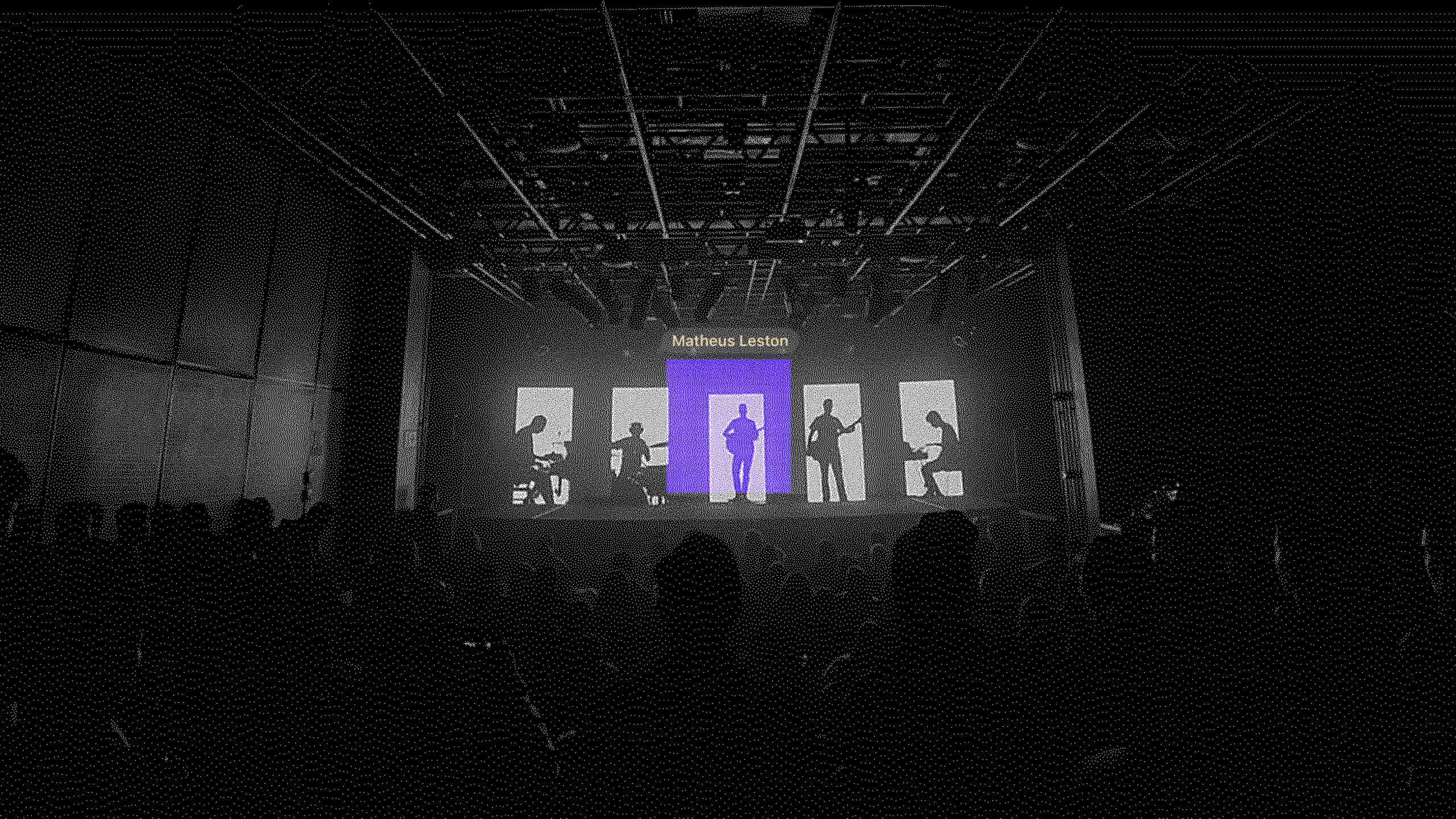
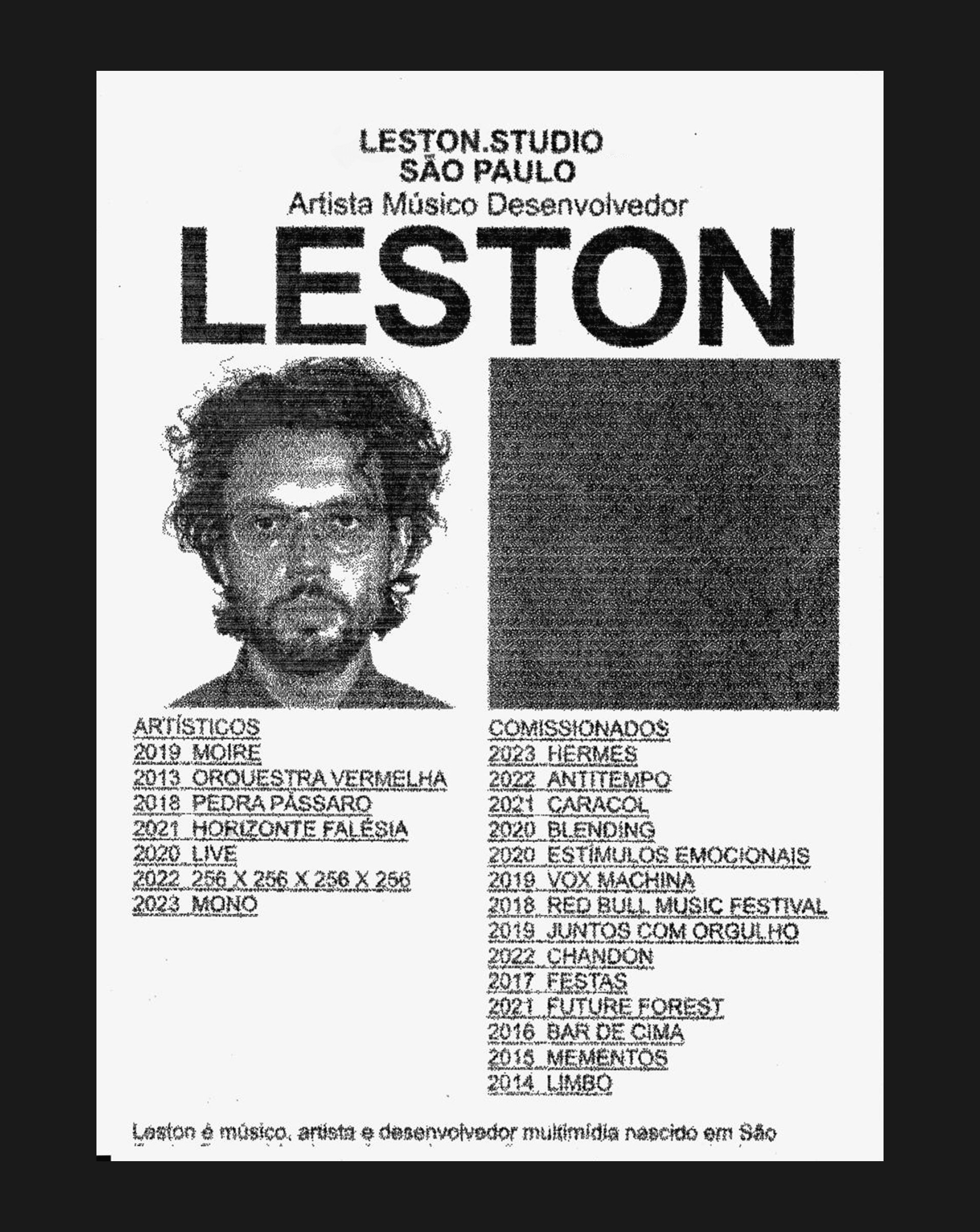
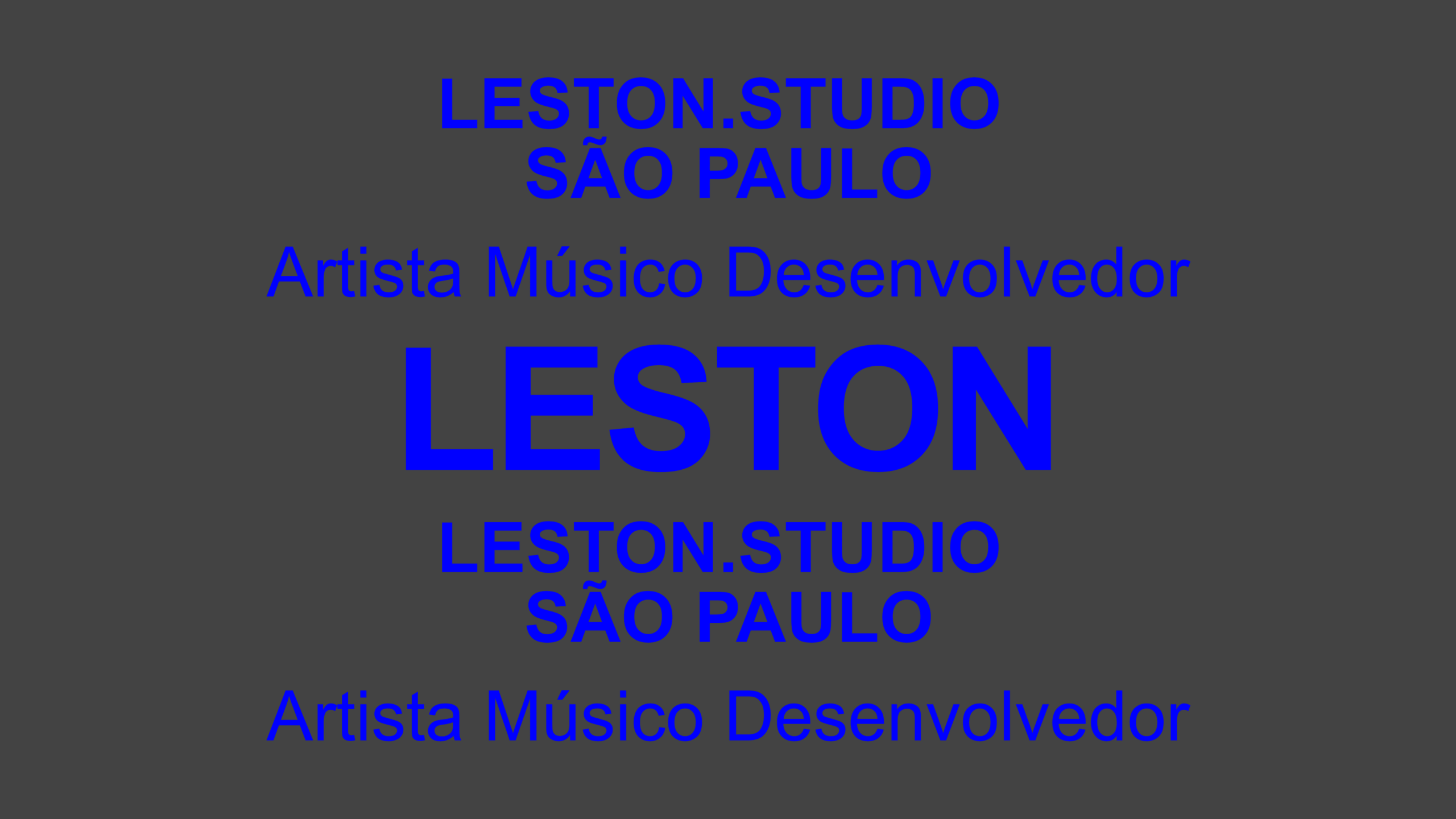
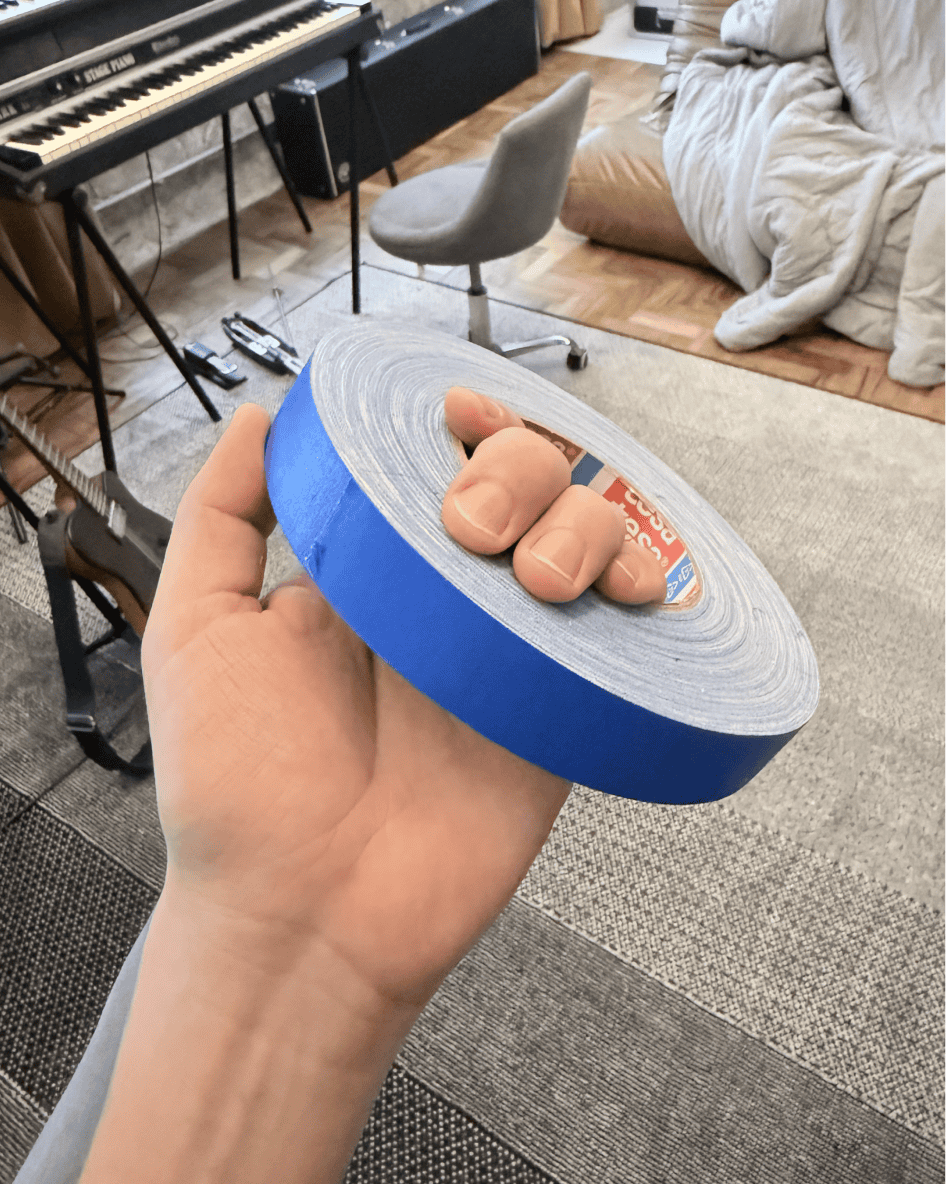
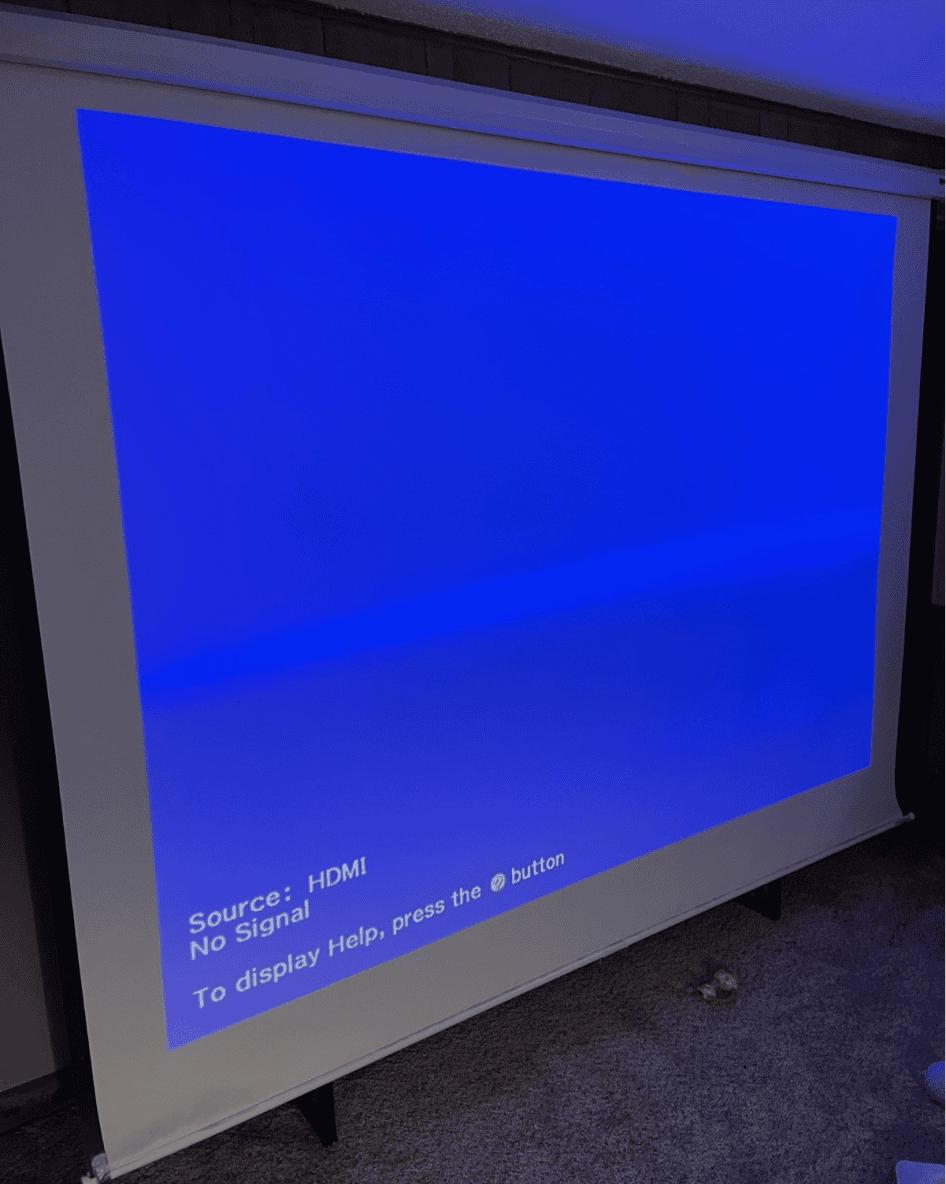
Leston is a musician, artist, and developer based in São Paulo. His work investigates the relationships between sound, image, code, and permanence, exploring the sensitive interval that emerges between systems and perception and creating experiences in which the living is not only what happens in real time, but what transforms before us. In his practice, programming ceases to be merely a tool and becomes a vocabulary—a way of building open structures and constantly changing forms. We began with the idea that every language is also a limit and, in dialogue with his research, developed a visual identity and website that bring the system to the foreground. We started from a simple inversion: bringing the system, which usually operates behind the scenes, to the front. There is an interval in the gap between error, the blue screen, and code. It is within this unstable space, between control and failure, that the project comes to life. The website was developed by SupLab.
ICCI strengthens public debate on climate, democracy, and justice, working so that good ideas can lead to good conversations—and good conversations can help build a better country. We developed a visual and verbal identity that translates this vision into a graphic system designed to clarify complex topics while combining precision with institutional presence in contemporary, accessible communication.
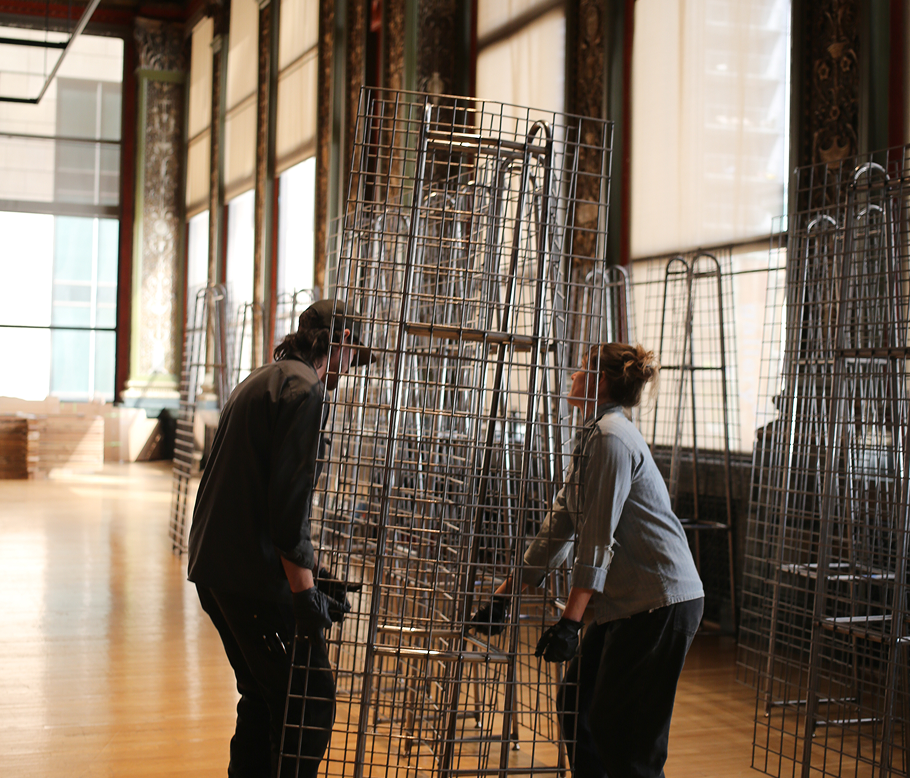
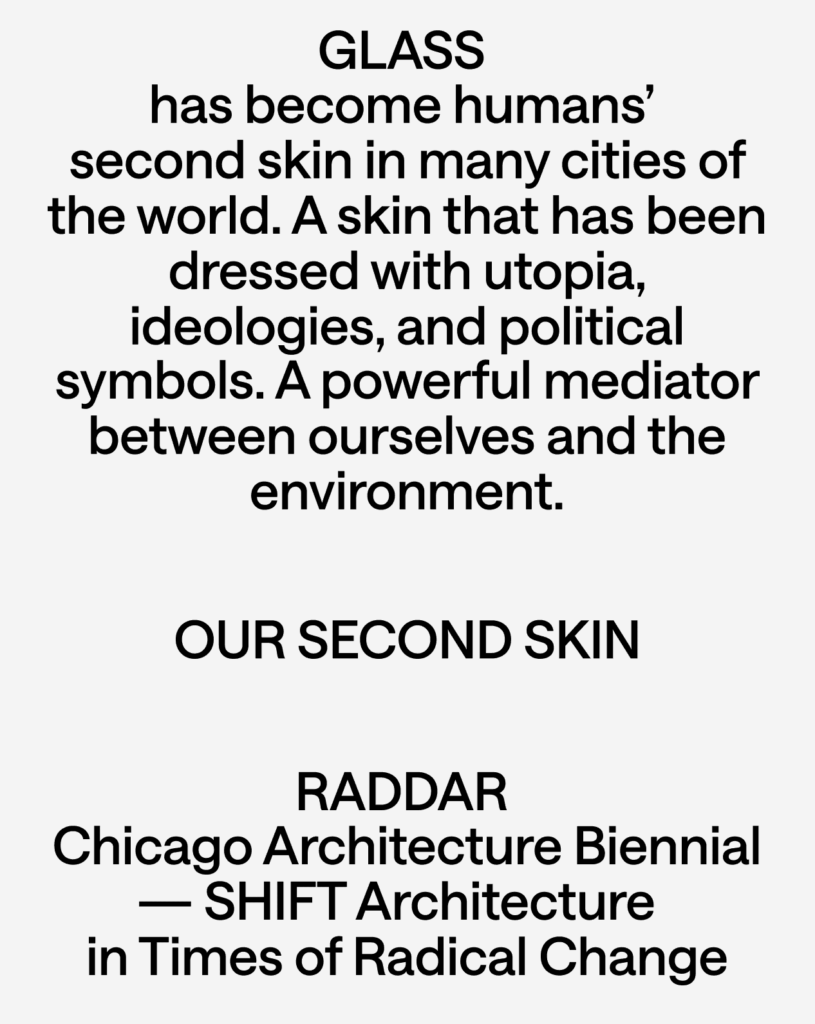
Created by RADDAR for the Chicago Architecture Biennial, Our Second Skin transforms more than 2,200 pieces of glass-manufacturing waste into a translucent skin. We developed the project’s visual identity and poster, seeking to graphically represent this relationship between transparency, opacity, surface, architecture, and transformation.
Toriba brings together research, culture, education, and social innovation to imagine possible futures. It is a meeting place for people and narratives that understands collective imagination as a tool for transforming the present. For the project, we developed a new visual identity, a website, and a manifesto film that express this continuum.
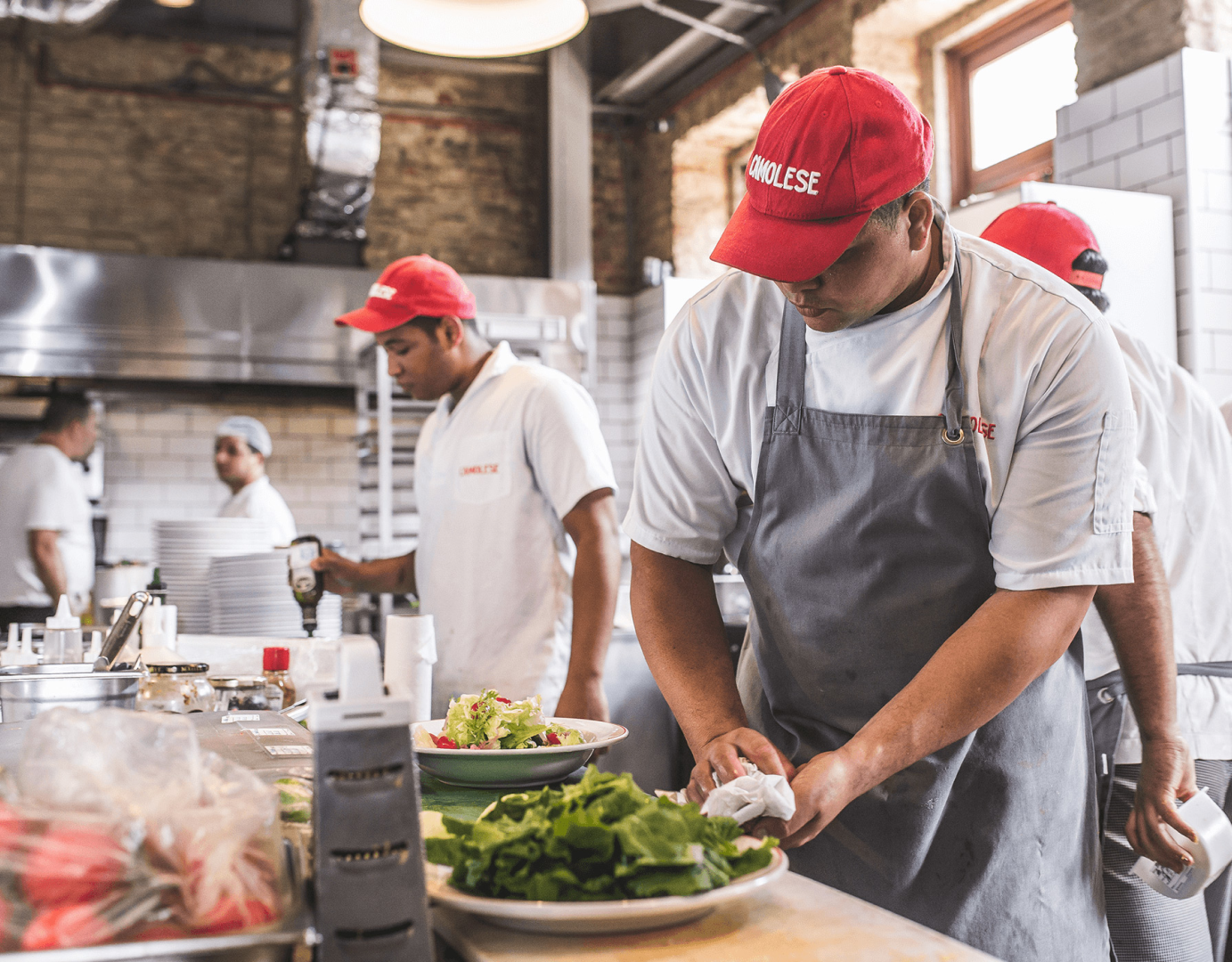
Behind a historic façade, Casa Camolese brings together a restaurant, craft brewery, cocktail bar, delicatessen, and music. Its identity connects the Italian graphic tradition with the atmosphere of a house in Rio.